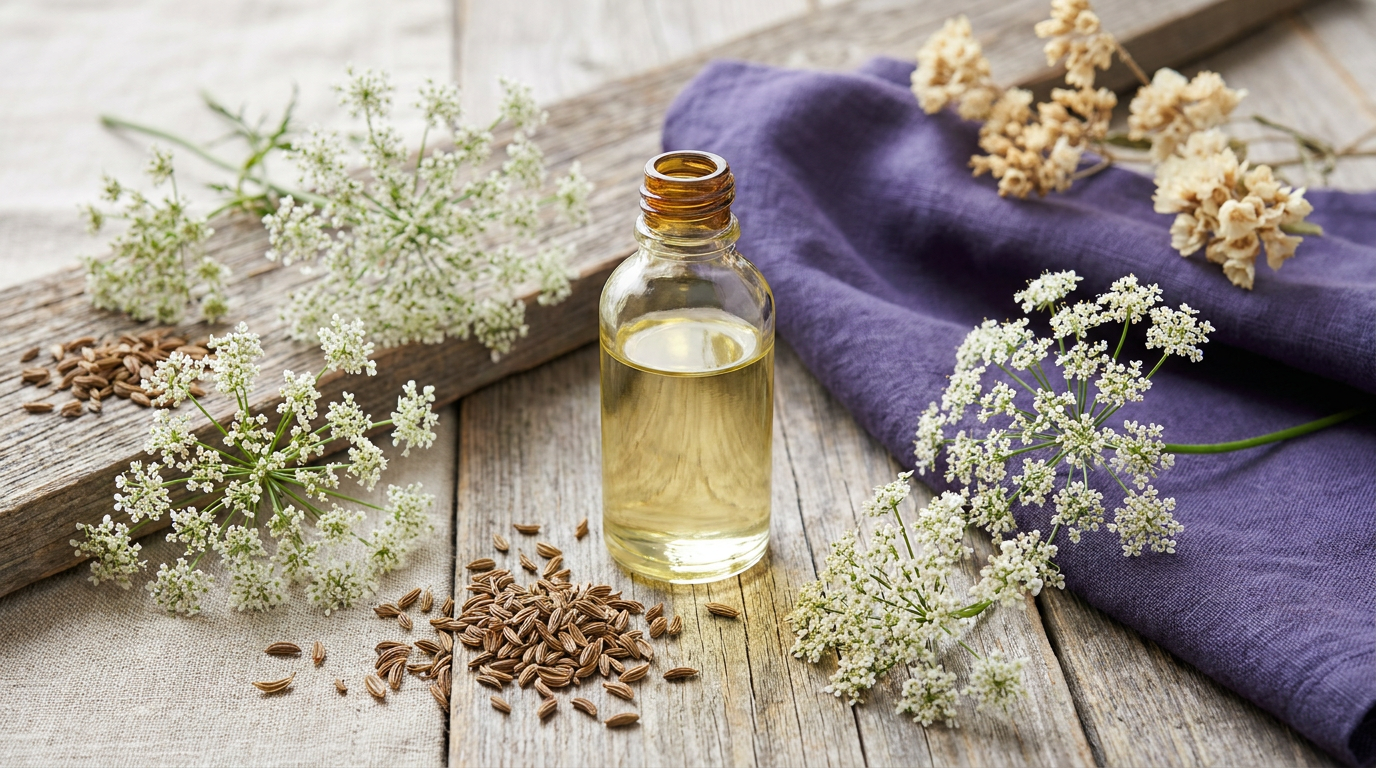
Anise Oil vs Fennel Oil: Same Licorice Note, Different Character
Walk into any shop that sells essential oils and ask for something with a licorice scent, and you'll likely be handed two different bottles: anise and fennel. Both come from umbrella-shaped flowering plants in the carrot family. Both owe their signature sweetness to a compound called anethole. And both get lumped together so often that shoppers assume they're interchangeable. They aren't. Anise oil versus fennel essential oil is a genuine head-to-head, not a coin flip, and the differences show up the moment you uncap the bottles.
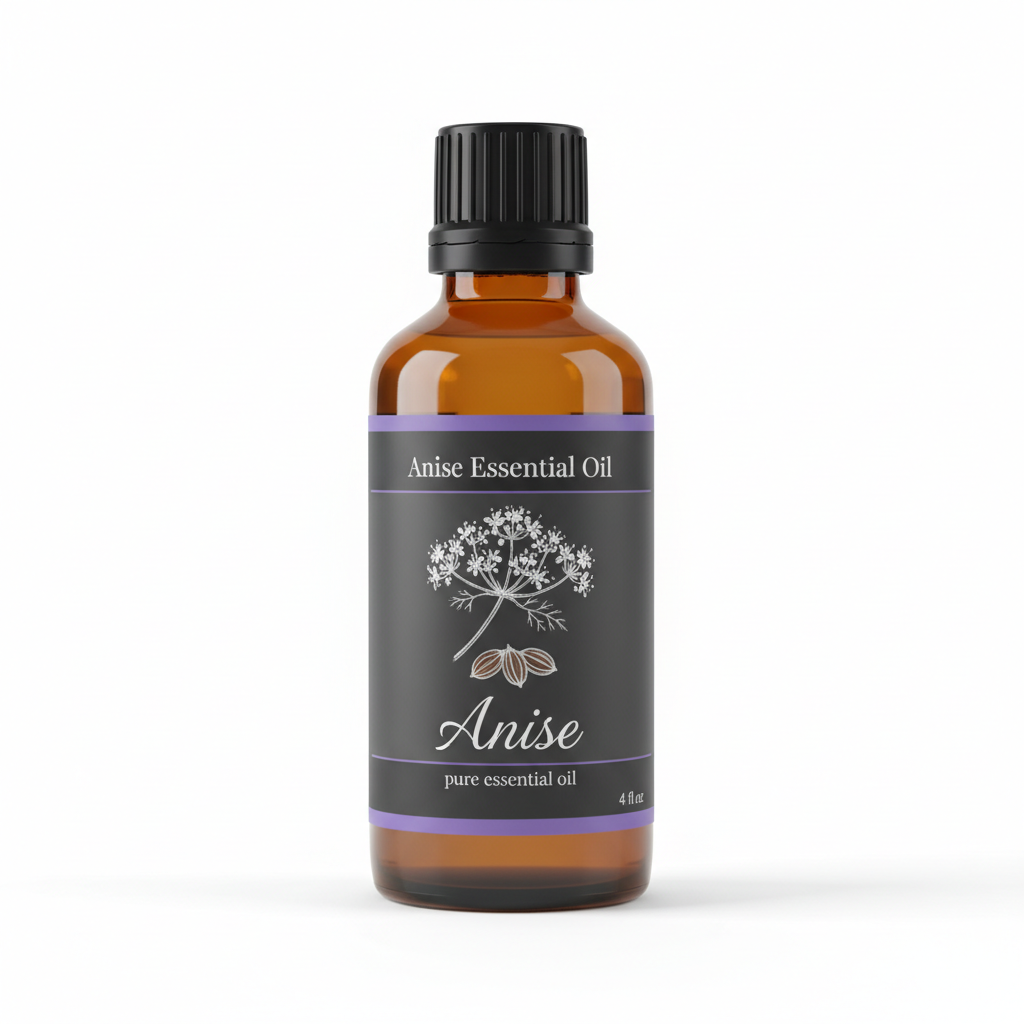
Anise Essential Oil
Our own Anise Essential Oil, in sizes from 0.5 oz to bulk.
From $7.99
Shop Now →This comparison breaks down the difference between anise and fennel oil across sourcing, scent profile, texture, and use case, so you can pick the one that actually fits what you're making, not just the one that happened to be in stock.
Where the Similarity Comes From
Anise (Pimpinella anisum) and fennel (Foeniculum vulgare) aren't botanically close, but their seed oils share a dominant aromatic molecule: trans-anethole. It's the same compound found in star anise and licorice root, and it's responsible for that sweet, warm, faintly medicinal-candy note people either love or find overwhelming in small spaces. Anise oil typically runs 80 to 90 percent anethole. Fennel oil, depending on whether it's the sweet or bitter chemotype, ranges more widely, often landing between 50 and 70 percent, with a larger supporting cast of secondary compounds. That gap in composition is the root of every difference you'll notice in the bottle.
Anise Oil vs Fennel Oil: Quick Comparison Table
| Attribute | Anise Essential Oil | Fennel Essential Oil |
|---|---|---|
| Botanical source | Pimpinella anisum seed | Foeniculum vulgare seed |
| Extraction method | Steam distillation | Steam distillation |
| Anethole content | Approx. 80 to 90 percent | Approx. 50 to 70 percent (chemotype-dependent) |
| Scent character | Sweet, round, almost dessert-like licorice | Sharper, greener, peppery-anise with a herbal edge |
| Color | Pale yellow to colorless | Pale yellow to light amber |
| Viscosity | Thin, watery | Thin, slightly less fluid than anise |
| Common growing regions | Egypt, Spain, Turkey | France (Provence), India, Egypt |
| Typical retail price | Moderate to higher, seed yield is lower | Generally more affordable, higher seed yield |
| Blending role | Sweetener, softener for spice and citrus blends | Green top note, adds lift and herbal complexity |
| Skin-care popularity | Less common in leave-on cosmetic formulas | More frequently seen in diluted body and hair care recipes |
Anise Essential Oil: Character, Sourcing, and Trade-offs
Anise oil is the rounder, sweeter of the two. Because it's so concentrated in anethole, a single drop reads as unmistakably licorice, with almost no green or bitter undertone to cut it. Growers in Egypt and Spain have cultivated the plant for centuries specifically for its seed oil, and the best batches we've sourced show a clean, consistent profile with very little of the harsh or overly medicinal edge that cheaper distillations can carry.
Anise Oil Pros
- Exceptionally strong, true licorice note that needs very little product to register in a blend
- Pairs beautifully with warm spice oils (clove, cinnamon leaf) and citrus for holiday-style aromatic blends
- Long aromatic presence once diffused, a little goes a long way
- Consistent chemotype across most commercial sources, so batch-to-batch scent stays predictable
Anise Oil Cons
- Can smell one-dimensional or "candy-like" without other notes to balance it
- Its intensity makes it easy to overdose a blend; overuse reads as cloying fast
- Higher anethole concentration means it calls for more conservative dilution in any topical application
- Not ideal for people who find sweet licorice scents polarizing in shared spaces
Fennel Essential Oil: Character, Sourcing, and Trade-offs
Fennel oil carries the same licorice backbone but with more going on around it. The lower, more variable anethole content leaves room for green, slightly peppery, almost celery-like facets to come through, which is why people who find anise "too sweet" often gravitate to fennel instead. French Provence-grown sweet fennel tends to be the gentler, rounder version; Indian and Egyptian bitter fennel can lean sharper and more herbal. Knowing the chemotype your supplier is selling matters more here than it does with anise.
Fennel Oil Pros
- More complex, layered scent profile than straight anise, better suited to green or herbal-leaning blends
- Generally more budget-friendly thanks to higher seed yields per harvest
- Sweet fennel (the gentler chemotype) is a common choice in diluted cosmetic formulations where a softer licorice note is wanted
- Blends well with lavender, geranium, and other florals without fighting for dominance
Fennel Oil Cons
- Chemotype variability between suppliers means scent (and safety profile) can shift more than anise does
- Bitter fennel's sharper edge isn't for everyone and can smell almost medicinal in high concentrations
- Less "pure licorice" impact if that's specifically the note you're chasing
- Sourcing a consistently sweet-chemotype supplier takes more homework than picking up anise oil
Licorice Scent Oils Compared: What You'll Actually Notice in the Bottle
Open both bottles side by side and the difference between anise and fennel oil becomes obvious within seconds. Anise smells like the inside of a black licorice candy, warm, sweet, almost dense. Fennel smells related but airier, with a green, slightly peppery lift that fades into the same licorice base a beat later. If you're diffusing for atmosphere, anise fills a room faster and holds longer. Fennel needs a touch more product to reach the same presence, but the scent it leaves behind reads as more complex and less one-note.
Color and texture are nearly identical: both are thin, pale, and pour easily. You won't tell them apart by viscosity. Nose is the only reliable test, and even then, a bitter-chemotype fennel can smell closer to anise than a mild sweet fennel does. If precision matters for your project, ask your supplier for the chemotype, not just the plant name.
Blending and Aromatic Use
Anise works best as a supporting sweetener rather than a solo act. In small proportions it rounds out spice blends (clove, cinnamon, black pepper) and warms up citrus combinations that might otherwise read as sharp or thin. It also plays surprisingly well with cedarwood and vetiver, where its sweetness offsets their earthiness.
Fennel has more range as a stand-alone top note. Its green facets let it sit comfortably alongside lavender, geranium, and other florals in a way that pure anise, with its concentrated sweetness, tends to overpower. Some crafters use fennel as a bridge note, something that connects a green or herbal blend to a sweeter base without the jump feeling abrupt.
For anyone experimenting with a licorice scent oils comparison at home, a good exercise is diffusing each on its own for a day before ever blending them. It's the fastest way to learn which character (anise's sweetness or fennel's green lift) you actually reach for.
Safety, Dilution, and Patch Testing
Both oils are potent and should be treated with respect, not casual handling. A few practical notes:
- Dilution first. Never apply either oil undiluted to skin. A standard starting point for topical blends is 1 to 2 percent dilution in a carrier oil (roughly 6 to 12 drops of essential oil per ounce of carrier), and both anise and fennel are strong enough that staying at the low end of that range is a reasonable default.
- Patch test before broader use. Apply a small diluted amount to a small area of skin, such as the inner forearm, and wait 24 to 48 hours before using it more broadly. Discontinue if you notice redness, itching, or irritation.
- Photosensitivity caution. Some sources note these oils can increase sun sensitivity when applied to skin exposed to sunlight; if you're using either topically, consider avoiding direct sun on the applied area for the following hours.
- Not for internal use. These are aromatic and cosmetic products, not something to ingest, and neither should be treated as a substitute for guidance from a qualified healthcare provider.
- Consult before use if pregnant, nursing, or managing any ongoing health situation. A qualified healthcare provider is the right resource for individual guidance, especially around hormone-sensitive life stages.
- Keep away from children and pets, and store bottles tightly capped, away from light and heat, to preserve both scent and shelf life.
None of this is meant to alarm. It's the same baseline care you'd extend to any concentrated botanical extract: dilute, test, and use in moderation.
Best For: Use Case Recommendations
| Use Case | Better Choice | Why |
|---|---|---|
| Diffusing for a strong, sweet holiday atmosphere | Anise | Concentrated anethole delivers fast, long-lasting sweetness with minimal product |
| Diluted body or hair care formulations | Fennel (sweet chemotype) | Gentler, more complex profile blends easier into leave-on cosmetic recipes |
| Spice and warm-blend crafting (candles, sachets) | Anise | Pure licorice sweetness anchors cinnamon, clove, and citrus combinations |
| Green or floral aromatic blends | Fennel | Herbal, peppery facets integrate without overwhelming lighter notes |
| Budget-conscious bulk purchasing | Fennel | Higher seed yields generally translate to lower per-ounce cost |
| Maximum licorice intensity in minimal drops | Anise | Higher anethole percentage means less oil needed for the same scent impact |
The Verdict
There's no single winner in the anise oil vs fennel oil debate, because they're not really solving the same problem. If what you want is an unapologetic, concentrated licorice note, something that fills a room fast and anchors a spice-forward blend, anise is the better tool for the job. If you want something with more nuance, a licorice base with green, herbal lift that plays well with florals and works more comfortably in diluted skin and hair formulations, fennel earns its place.
Our honest recommendation for most home crafters starting out: keep both on hand in small bottles. They're inexpensive enough as a pair that you don't have to choose once and live with it, and side-by-side use is the fastest way to learn which character actually suits your projects. Buy from a supplier who discloses chemotype and sourcing region for fennel in particular, since that's where quality and character vary most. Anise is more forgiving on the sourcing side simply because its chemical profile stays more consistent from farm to farm.
Whichever bottle you reach for, treat it as a concentrated botanical extract, not a casual splash. Dilute thoughtfully, patch test, and consult a qualified healthcare provider with any questions specific to your situation. Used with that kind of care, both oils earn their shared reputation as the best licorice-scented options in the essential oil world, just in their own distinct registers.