Spice Market Sweetness
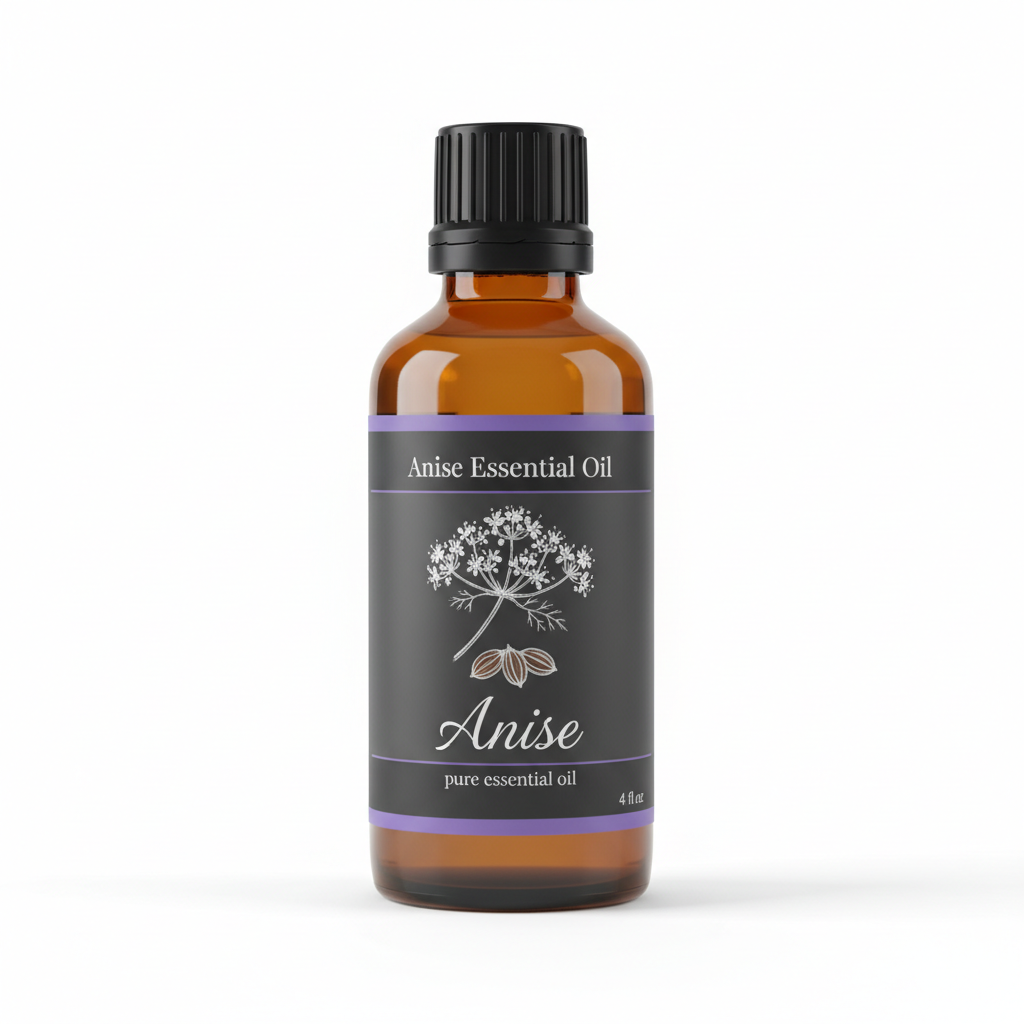
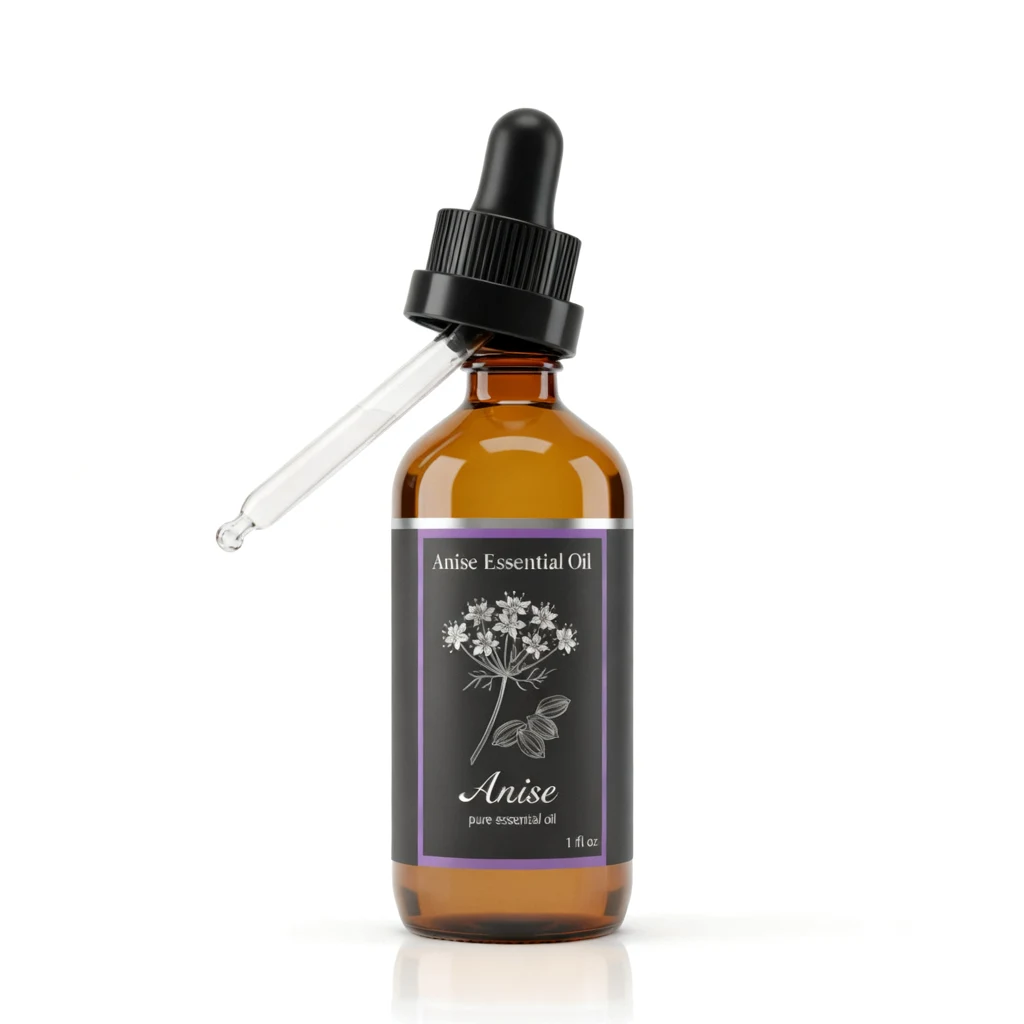
Sweet, licorice-bright, and unmistakable, anise essential oil is steam-distilled from the seeds of Pimpinella anisum. One drop carries the warmth of a Mediterranean spice market into your diffuser, your soap pot, or your perfume organ.
Cold-process soap and container candles both take anise beautifully, giving bakery-sweet licorice character to bars and melts alike.
Explore →Anise brings a warm, sugary spice note to diffuser blends and reed accords built around orange, clove, and cinnamon.
Explore →Formulators and perfumers reach for anise as a licorice-sweet top-to-middle note in spice, gourmand, and citrus-forward accords.
Explore →Soap houses, candle studios, and formulators can order anise essential oil by the pound with the same published batch documentation.
Explore →
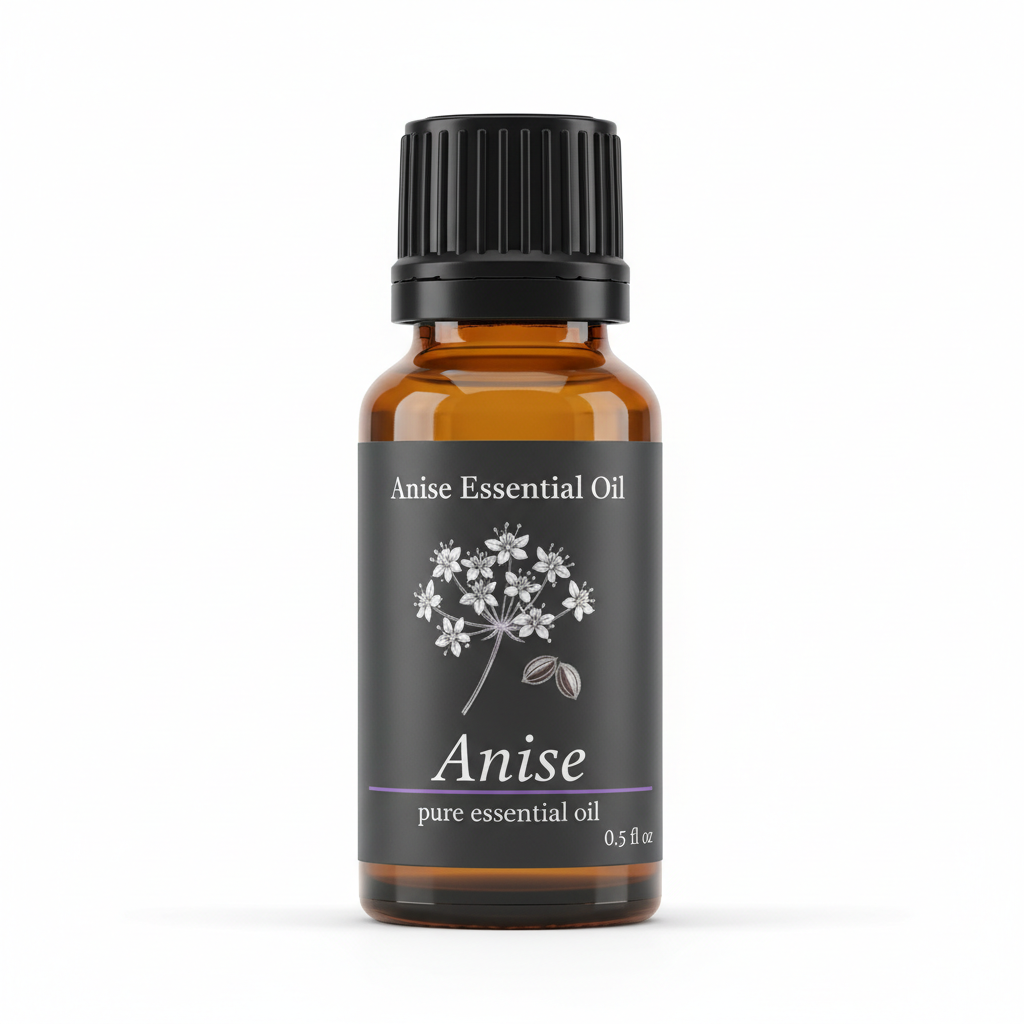
Evaluation Bottle
Test anise's licorice-sweet aroma in a soap or candle sample before committing to a larger batch.
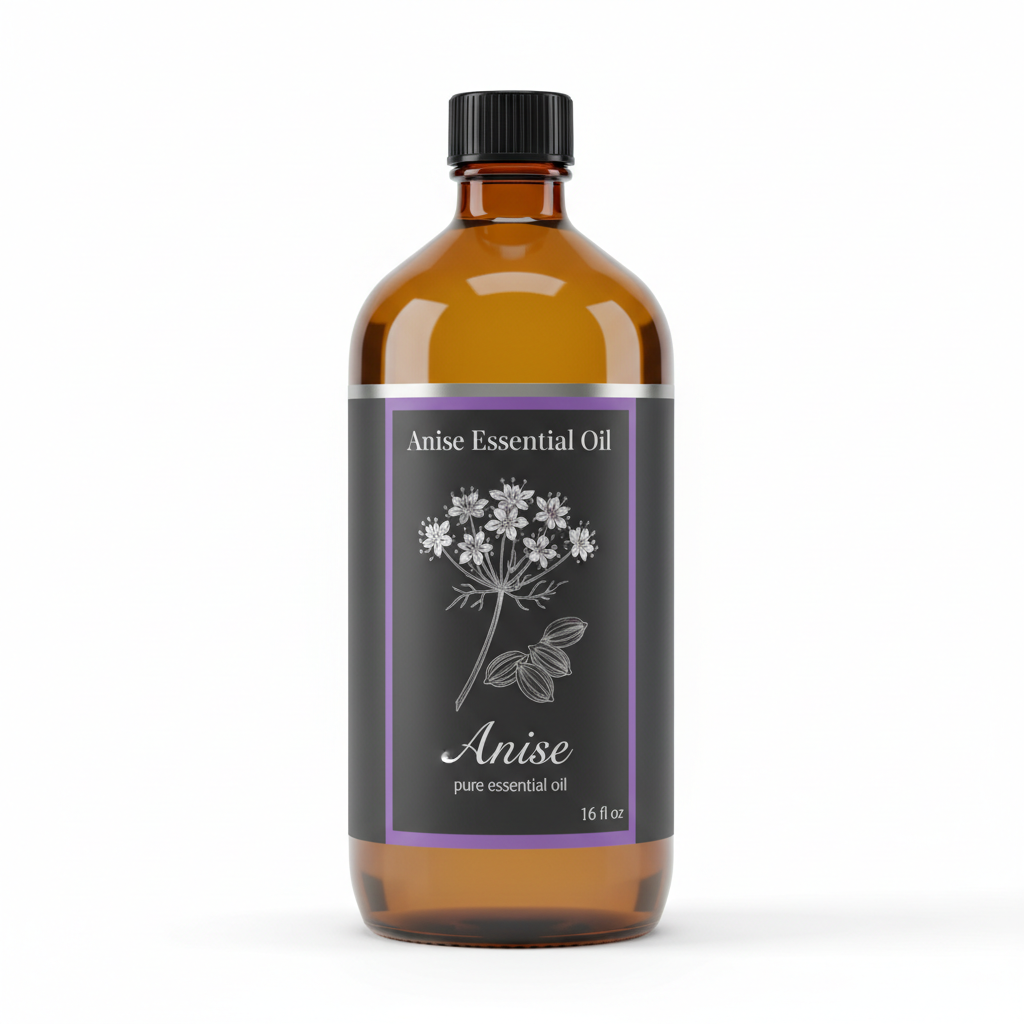
Pilot Batch
Run a full pilot batch of cold-process soap or a candle line without depleting your supply.
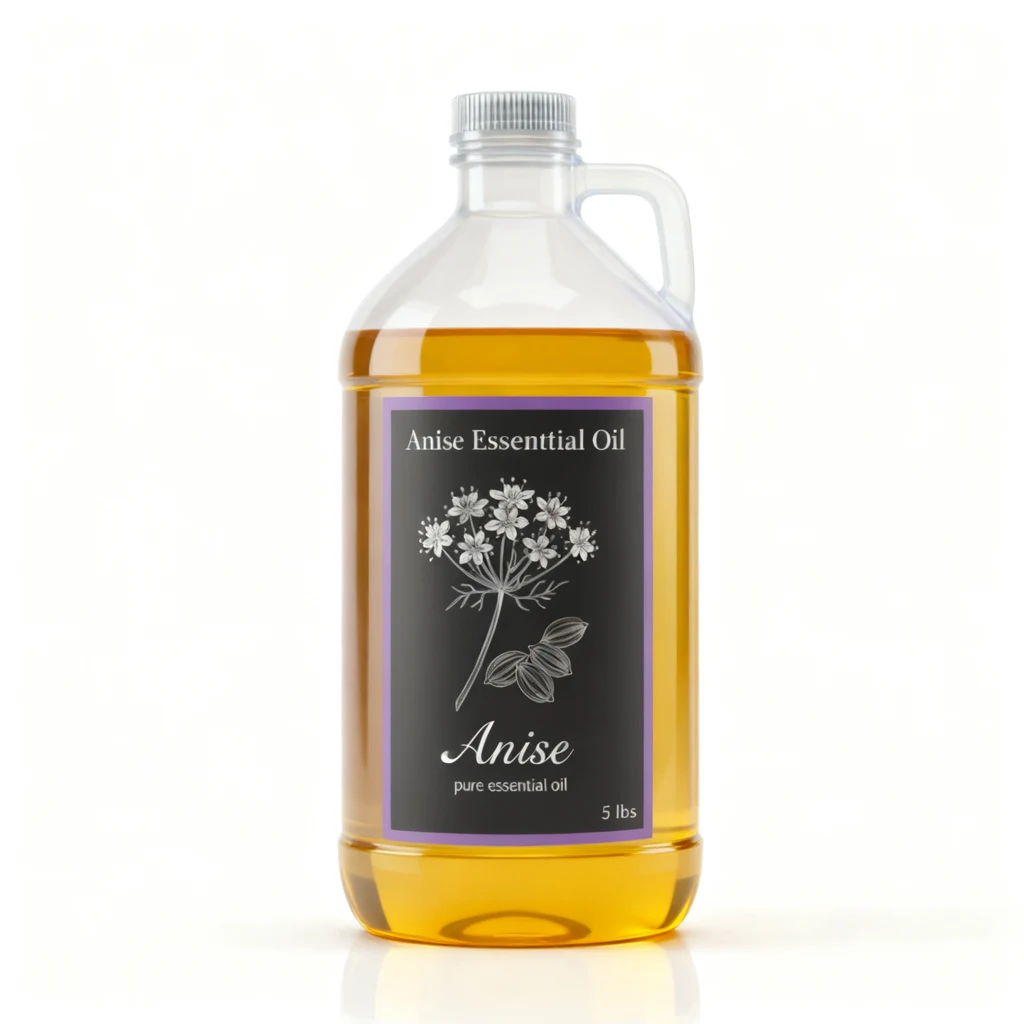
First Production Run
Move into production pricing once your anise blend is dialed in, with a lower cost per ounce.
Anise essential oil is distilled from the ripe seeds of Pimpinella anisum, an herb of the carrot family cultivated for thousands of years around the Mediterranean and in Egypt. The seeds are crushed and steam-distilled, yielding an oil dominated by naturally occurring anethole, the source of that famous licorice sweetness.
The scent is sugary, spicy, and warm, close to black licorice with a faint herbal edge. Anise reads as a strong top-to-middle note and pairs surprisingly well with orange, clove, cinnamon, and vanilla in cozy seasonal blends.
Soap makers love anise for cold-process bars with a bakery-sweet character, and it turns up in homemade candles, seasonal potpourri, and diffuser recipes built around spice and citrus. It is potent, so measure by the drop and dilute well in any skin-contact blend.
Seeds are gathered from Pimpinella anisum plants grown across the Mediterranean.
Harvested seeds are cleaned and sorted to remove stems, debris, and underripe seed before distillation.
The sorted seeds are steam-distilled, releasing the anethole-rich oil that carries anise's signature licorice sweetness.
Each finished batch is lab-tested and issued a COA before it is approved for bottling.
The oil is bottled and stored away from heat and light to protect its aroma.
Anise's aroma comes from anethole, a compound that shows up clearly on a GC/MS report, so a bottle claiming to be pure anise essential oil either has the chemistry to back that up or it does not.
The current batch's certificate of analysis is published on this site, so you can check the anethole content and confirm what you are diluting into a blend before you buy in bulk.
| True Anise Oil | Synthetic Fragrance Oil | |
|---|---|---|
| Source | Distilled from real Pimpinella anisum seed | Blended in a lab from aroma chemicals |
| Aroma | Warm, sugary, true licorice character | Sharp, one-note licorice mimic |
| Composition | Naturally high in anethole | Formulated to approximate anethole's smell |
| Documentation | Batch COA published on this site | Rarely tested or disclosed |
| Best for | Soap, candles, and fine perfumery | Cheap mass-market scenting only |
Every bottle comes from Pimpinella anisum and nothing else
The plant part harvested and distilled for this oil
The method used to draw the oil from the seed
The growing region this anise seed is sourced from
These hands-on projects show how soap makers, candle crafters, and diffuser blenders put anise's licorice sweetness to work.
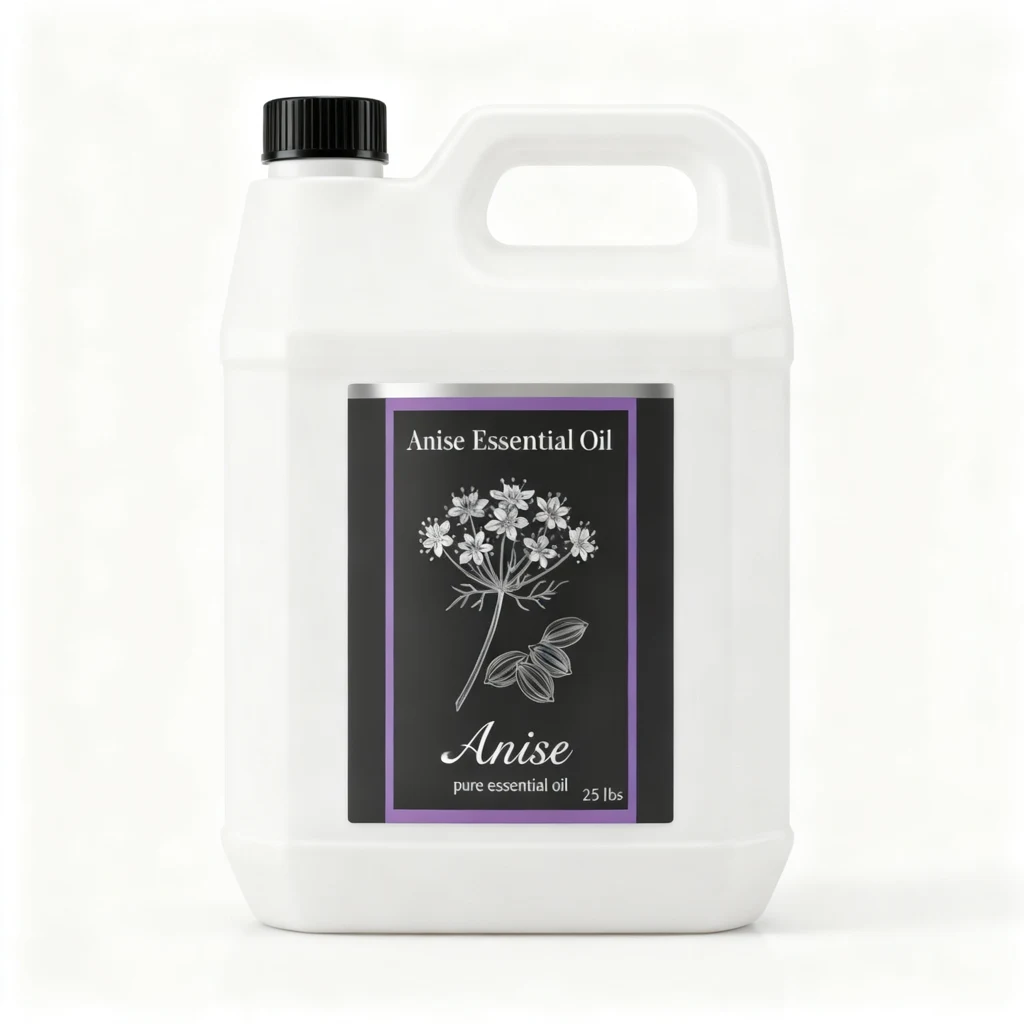
Soap houses, candle studios, and independent perfumers use anise essential oil by the pound once a formula is locked in, since buying larger volumes lowers the per-ounce cost of a recipe built around anise's warm licorice sweetness. Every bulk size, from 5 lbs up to 400 lbs, ships with the same published batch documentation as our smallest bottle.
Formulate cold-process bars with a consistent bakery-sweet licorice note across every production run.
See the guide →Scale a signature anise fragrance from a test pour to full container candle production runs.
See the guide →Source a consistent anethole-rich top note for gourmand and spice accords, backed by batch documentation.
See the guide →