
Anise Oil Safety Basics: Dilution, Patch Testing, and Pets
Anise essential oil is one of those rich, spice-cabinet scents that draws people in quickly. The warm, sweet, licorice-forward aroma feels instantly familiar, and it blends beautifully into a wide range of cosmetic and aromatic projects. But before you uncap the bottle and get creative, it pays to understand the fundamentals of anise oil safety. This page answers the most common questions we hear, grouped by topic, so you can find what you need without scrolling through walls of text.
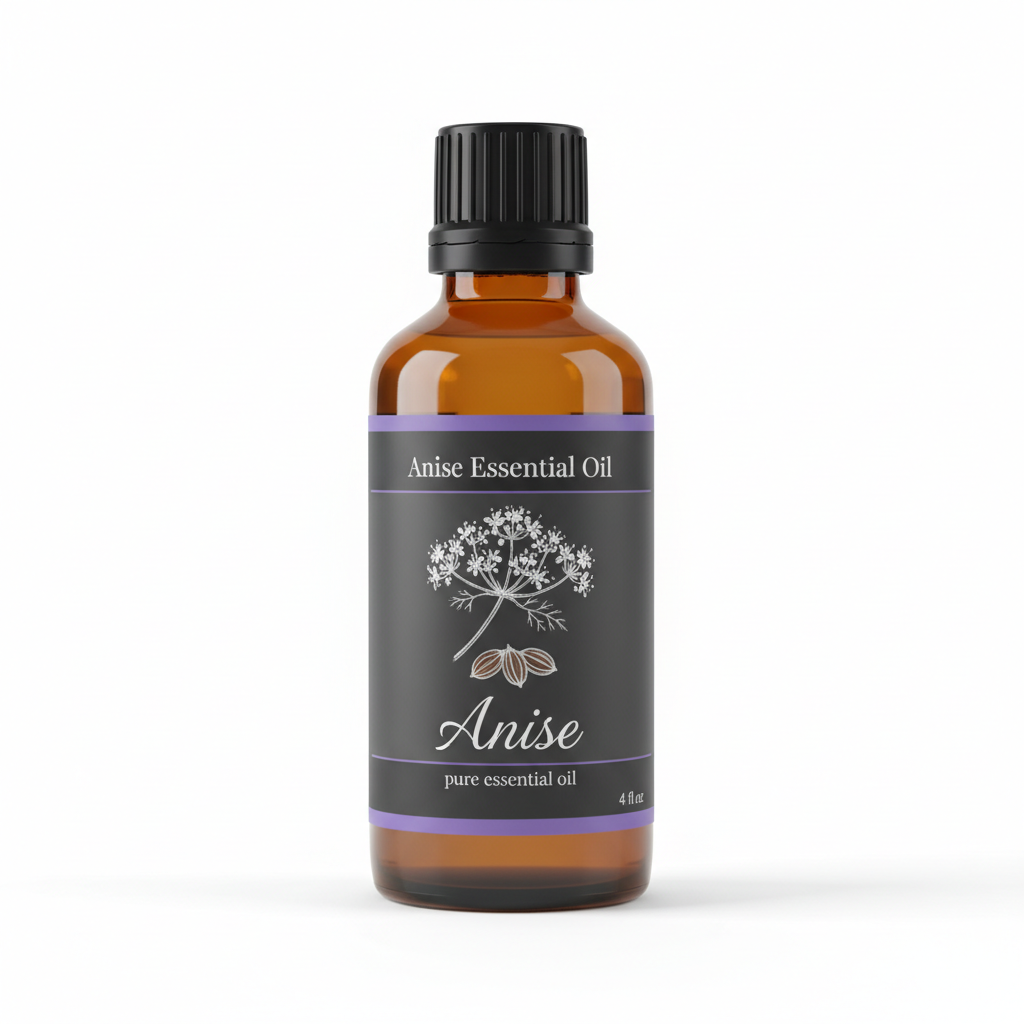
Anise Essential Oil
Our own Anise Essential Oil, in sizes from 0.5 oz to bulk.
From $8.99
Shop Now →If you are brand new to this oil, you may want to start with our complete guide to what anise oil is and where it comes from before diving into safety specifics. Already familiar with the basics? Read on.
General Safety Questions
Is anise oil safe for most adults to use?
For the majority of healthy adults, anise essential oil is considered safe when used appropriately diluted in cosmetic and aromatic applications. Like all essential oils, it is highly concentrated, so it requires careful handling rather than casual use straight from the bottle. People with certain sensitivities, those who are pregnant, and anyone managing ongoing health concerns should consult a qualified healthcare provider before adding it to their routine.
What is the active compound I should know about?
The primary constituent in anise essential oil is trans-anethole, which typically makes up 80 to 90 percent of the oil's composition. This compound is responsible for the characteristic sweet, licorice-like scent. Some research suggests that anethole may have notable effects on the body at higher concentrations, which is one of the reasons proper dilution matters so much with this particular oil.
Is anise oil the same as anise seed oil or star anise oil?
These names are often used interchangeably in the market, but they can refer to different botanical sources. True anise oil comes from Pimpinella anisum, while star anise oil is distilled from Illicium verum. Both oils share a similar anethole-dominant profile and similar safety considerations, but they are technically distinct products. For a fuller breakdown of the differences, see our complete anise oil guide.
Can I ingest anise essential oil?
This page focuses exclusively on cosmetic and aromatic uses of anise oil, not internal use. Questions about ingestion fall outside the scope of topical and diffusion safety and should be directed to a qualified healthcare provider or a licensed aromatherapist. Do not use essential oils internally without professional guidance.
Are there people who should avoid anise oil entirely?
Yes. People who are pregnant or nursing are generally advised to avoid anise essential oil due to its high anethole content, which some research suggests may have hormone-influencing properties. Individuals with known sensitivities to anethole or related compounds in the carrot family (Apiaceae) should also approach this oil with extra caution. Always consult a healthcare provider if you have any doubt.
Anise Oil Dilution
What is the recommended anise oil dilution for skin use?
For general adult skin applications, a dilution of 0.5 to 1 percent is widely recommended by professional aromatherapy organizations for anise essential oil. That works out to roughly 3 to 6 drops of essential oil per 30 ml (one ounce) of carrier oil. This is a more conservative range than some other essential oils because of anise oil's potent anethole content and its potential to cause skin sensitization.
Why does anise oil require lower dilution than many other essential oils?
Anise oil is classified as a potential skin sensitizer, meaning that repeated or high-concentration exposure may increase the likelihood of a sensitization response over time. Starting at a lower dilution protects the skin barrier and reduces cumulative exposure. Think of it as building good habits from the beginning rather than correcting problems later.
What carrier oils work best with anise oil?
Most lightweight, skin-compatible carrier oils pair well with anise essential oil. Fractionated coconut oil, sweet almond oil, and jojoba are popular choices because they absorb smoothly and do not overpower the scent profile. If you are making a body or massage blend, look for a carrier with a neutral or lightly sweet scent so the anise can stay in the foreground.
Can I add anise oil directly to a bath without diluting it first?
No. Essential oils do not disperse in water; they float on the surface and can deliver an undiluted concentration directly to sensitive skin. Always pre-mix anise oil into a dispersant such as a carrier oil, full-fat milk, or a dedicated bath dispersant base before adding it to bathwater. A dilution of 0.5 percent or lower is especially important for bath applications, where skin contact is prolonged.
Is anise oil safe for use in homemade lotion or body butter?
Yes, when properly diluted. In a finished lotion or body butter, keep anise oil at or below 1 percent of the total formula weight. It works well in products intended for evening wind-down routines, blending nicely with vanilla, fennel, and certain citrus oils. Always calculate your dilution based on the finished batch weight, not just the carrier portion.
Does the dilution rate change for facial products?
Yes, facial skin tends to be more delicate and reactive than skin on the body, so many formulators drop to 0.25 to 0.5 percent for facial applications. Some professional guidelines suggest avoiding anise oil on facial skin altogether, particularly around the eyes and on sensitive complexion types. When in doubt, use the most conservative dilution and observe how your skin responds over several days.
Patch Testing
What is a patch test and why does it matter for anise oil safety?
A patch test is a simple procedure that checks your individual skin's response to a new ingredient before you apply it to a larger area. Because anise oil is a potential sensitizer, patch testing is not optional; it is a practical first step that can help you catch a negative response early. Skipping it and applying a new blend liberally is one of the most common mistakes beginners make.
How do I perform a patch test with anise oil?
Mix your anise oil blend at the intended dilution rate, then apply a small amount (a few drops) to the inner forearm or the crook of the elbow. Cover loosely with a bandage and leave it undisturbed for 24 hours without washing the area. If you notice redness, itching, swelling, or any other unusual response during or after that period, discontinue use and speak with a healthcare provider.
What does a sensitization reaction look like?
Sensitization reactions can range from mild redness and itching to more pronounced swelling or a rash-like response at the application site. In some cases, a reaction may not appear immediately and may develop over 24 to 48 hours. If you experience any unusual response after using a product containing anise oil, stop using it and consult a healthcare professional.
Do I need to patch test every time I use anise oil?
You do not need to repeat a full 24-hour patch test every single time, but you should re-test whenever you change the dilution, the formula, or the carrier oil you are using. Sensitization can also develop over time with repeated exposure, even to products you have used before without issue. Staying alert to changes in your skin's response is good ongoing practice.
Is Anise Oil Safe for Skin? Specific Scenarios
Is anise oil safe for use on children's skin?
Most professional aromatherapy guidelines recommend keeping anise essential oil away from children under 12, and some sources extend that caution through adolescence. Children's skin is more permeable and their developing systems respond differently to concentrated botanical compounds. If you are considering any essential oil use for a child, please speak with a qualified healthcare provider first.
Can I use anise oil in a diffuser around children?
Aromatic diffusion around children requires its own set of precautions. Always diffuse in a well-ventilated space, limit session length, and ensure children can leave the room freely. Anise oil's high anethole content means that even aromatic exposure warrants caution for very young children. Healthcare provider guidance is the safest approach when children are regularly in the home.
Is anise oil safe for use during pregnancy?
Anise essential oil is generally listed among the oils to avoid during pregnancy, particularly due to its anethole content. Some research suggests anethole may interact with hormonal pathways, though studies are limited and ongoing. If you are pregnant, trying to conceive, or nursing, please consult your healthcare provider before using any essential oil, including anise.
Can anise oil cause photosensitivity?
Unlike many citrus essential oils, anise oil is not widely flagged as a photosensitizing oil in current safety literature. That said, applying any diluted essential oil blend to skin that will be immediately exposed to direct sun is not ideal practice. Allow any topical application to fully absorb before sun exposure, and when in doubt, apply blends to areas that will be covered by clothing.
Anise Oil and Pets
Is anise oil safe for dogs?
Anise is sometimes listed as having appeal to dogs in certain traditional contexts, but anise essential oil is a different matter entirely from anise seed or anise-scented products. Essential oils are highly concentrated and dogs are significantly more sensitive to aerosolized and topical compounds than humans. Do not apply anise essential oil to a dog's skin or use it in a diffuser in a space where dogs cannot leave, and always consult a veterinarian before using any essential oil around pets.
Is anise oil safe for cats?
Cats are especially vulnerable to essential oils because they lack certain liver enzymes needed to metabolize aromatic compounds safely. Anise essential oil should be kept away from cats entirely, both as a topical product and as a diffused scent. If you have cats in your home and wish to use essential oils, work with a veterinarian experienced in companion animal care to understand the risks.
What about other pets, like birds or small mammals?
Birds have highly sensitive respiratory systems and can be seriously affected by diffused essential oils of any kind. Small mammals such as rabbits, guinea pigs, and ferrets also have limited capacity to handle concentrated aromatic compounds. The safest approach is to keep essential oil use and diffusion in rooms that are completely off-limits to all small pets and birds.
How should I store anise oil to keep it safe around pets and children?
Store all essential oils, including anise, in tightly capped dark glass bottles away from heat, light, and humidity. Keep them in a locked cabinet or on a high shelf that is completely out of reach of children and pets. Ingestion of even a small amount of undiluted essential oil by a child or animal is a serious concern; contact poison control or an emergency veterinarian immediately if accidental exposure occurs.
Aromatherapy and Diffusion Safety
How long should I diffuse anise oil at one time?
A general guideline in professional aromatherapy is to diffuse for 30 to 60 minutes at a time, followed by a break of at least 30 to 60 minutes. Continuous diffusion can lead to olfactory fatigue and may cause headaches or discomfort in some people, particularly with a strong oil like anise. Always diffuse in a well-ventilated space and reduce the session length if anyone in the room reports feeling unwell.
Where can I learn about more uses for anise oil beyond safety basics?
Once you have your safety foundations in place, there is a lot of creative ground to explore. Our article on 20 anise oil uses for the kitchen, workshop, and home covers a range of practical cosmetic and aromatic applications. And if you are curious about a related botanical with a distinctly different character, our guide to anise hyssop essential oil is a worthwhile read alongside this one.
Quick Reference: Anise Oil Safety at a Glance
| Application Type | Suggested Max Dilution | Notes |
|---|---|---|
| Body lotion or oil | 1% | Patch test first; avoid broken skin |
| Facial products | 0.25 to 0.5% | Some guidelines suggest avoiding entirely |
| Bath blend (pre-dispersed) | 0.5% | Always mix into a dispersant first |
| Aromatic diffusion (adults) | 3 to 5 drops per 100 ml water | 30 to 60 minutes on, then break |
| Use around pets | Not recommended | Consult a veterinarian |
| Use around children under 12 | Not recommended | Consult a healthcare provider |
A note on sourcing: Safety starts before you even open the bottle. Look for anise essential oil that comes with a gas chromatography/mass spectrometry (GC/MS) report, lists the botanical name and country of origin clearly, and is sold by a supplier who can answer questions about their quality standards. A well-sourced oil does not guarantee a reaction-free experience, but it does mean you are working with a consistent, accurately labeled product.