
20 Anise Oil Uses for the Kitchen, Workshop, and Home
Anise oil has a reputation that tends to divide people immediately: you either lean into that warm, sweet, licorice-forward scent or you step back from it. But those who know this oil well understand that its bold character is exactly what makes it so useful across an almost surprising range of applications. From flavoring a batch of holiday cookies to scenting a homemade candle or freshening a workshop drawer, the question of what is anise oil good for has a longer answer than most people expect.
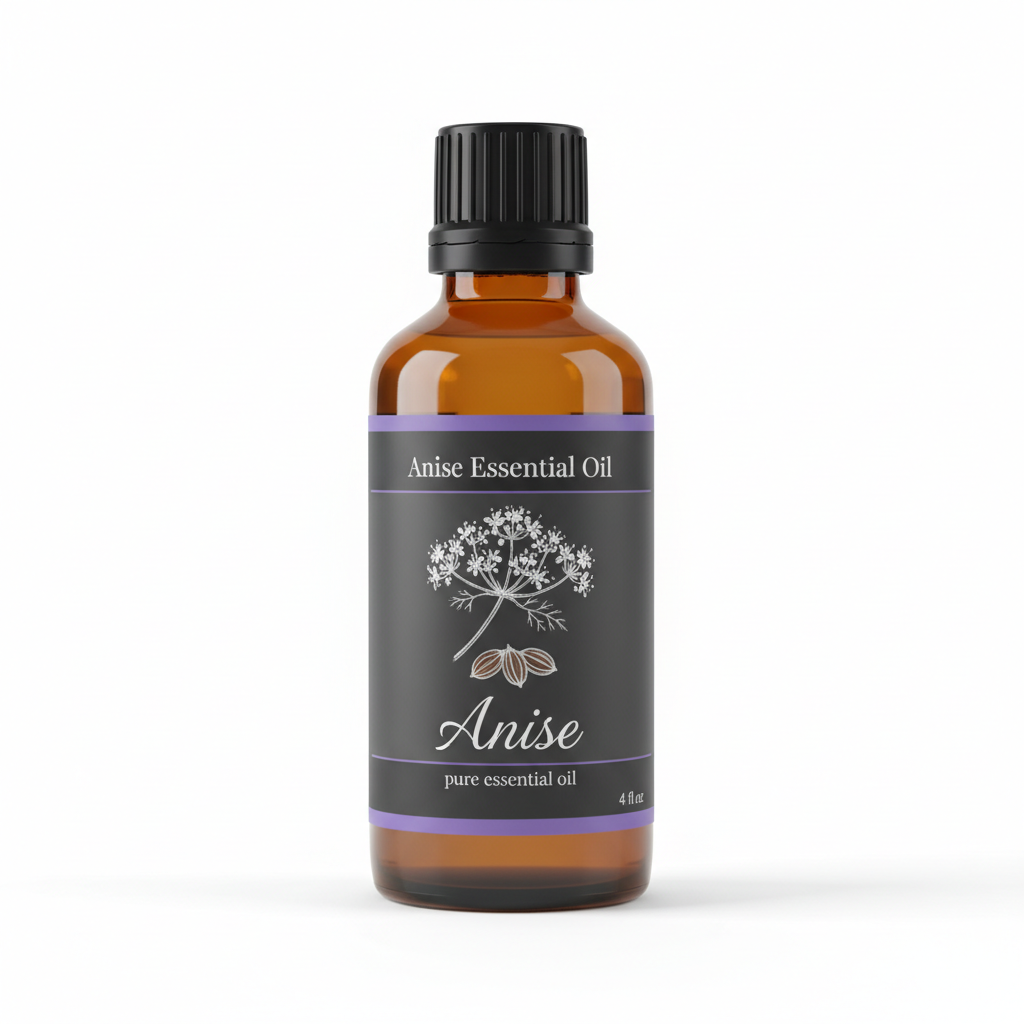
Anise Essential Oil
Our own Anise Essential Oil, in sizes from 0.5 oz to bulk.
From $8.99
Shop Now →This listicle covers 20 genuine, practical anise oil uses organized across three zones: the kitchen, the workshop and home office, and the broader domestic space. Each entry includes a practical takeaway so you can act on it right away. If you want to go deeper on origins and chemistry before diving in, the complete guide to anise oil is a solid starting point.
Kitchen Uses
1. Flavoring Baked Goods
This is the classic starting point for most home cooks who first encounter anise oil uses. A single drop of food-grade anise oil can carry the flavor of an entire batch of anise biscotti, springerle cookies, or Italian taralli. The concentration is the key detail: anise oil is dramatically more potent than anise extract, so recipes that call for one teaspoon of extract may need only one or two drops of oil.
The flavor distributes evenly when you blend the oil into a fat first, such as butter or a neutral oil, before incorporating it into your batter. This step prevents hot spots where the flavor intensity spikes unexpectedly. Food-grade oils vary in quality, so look for products that list Pimpinella anisum as the botanical source rather than star anise or synthetic anethole.
Practical takeaway: Start with one drop per dozen cookies and adjust upward from there. Measure with a toothpick if you do not have a dropper.
2. Candy and Confectionery Flavoring
Anise oil is a foundational flavoring in hard candies, licorice chews, and old-fashioned candy canes that are not peppermint. Its high anethole content holds up through the high temperatures involved in sugar work better than many delicate extracts do. That stability makes it a practical choice for professional candy makers and serious home confectioners alike.
Dosing in candy work follows the same logic as baking: less than you think. For a standard pulled sugar recipe yielding around 100 individual pieces, two to three drops of a high-quality food-grade anise oil is typically sufficient. Add the oil just before pulling or pouring, after the sugar has come off the heat, to preserve the aromatic top notes.
Practical takeaway: Mix anise oil with a tiny amount of liquid flavoring concentrate before adding it to hot sugar to improve dispersion and reduce the risk of clumping.
3. Homemade Liqueurs and Cordials
Spirits like pastis, ouzo, and sambuca get their character from anise. Recreating that profile at home using food-grade anise oil dissolved into a neutral spirit is a legitimate and cost-effective approach. The oil dissolves readily in high-proof alcohol, blending smoothly without the need for lengthy maceration times that traditional seed-based infusions require.
A basic starting ratio is one drop of food-grade anise oil per 100 milliliters of spirit. From there, taste and adjust over 24 hours as the flavors marry. Adding a light simple syrup and a small quantity of food-grade star anise oil alongside the Pimpinella anisum-derived oil can add aromatic complexity reminiscent of commercial anise spirits.
Practical takeaway: Always confirm that your anise oil is explicitly labeled food-grade before using it in any consumable recipe.
4. Savory Marinades and Spice Rubs
Anise oil in savory cooking is underused and genuinely rewarding. A drop blended into a pork marinade alongside fennel seed, garlic, and olive oil adds a subtle sweetness that balances the salt and acid. It works in a similar way in Chinese-inspired five-spice preparations, complementing the star anise that typically anchors those blends.
The oil penetrates proteins more efficiently than whole seeds because the aromatic compounds are already in a concentrated, mobile form. This makes it useful for quick marinades where you want flavor to develop in under an hour rather than overnight.
Practical takeaway: Use a toothpick to transfer tiny amounts of oil into savory applications. One drop is usually enough for a marinade serving four people.
5. Flavored Oils and Infused Vinegars
Anise oil can seed the flavor of a homemade infused olive oil in seconds rather than the weeks required for traditional herb infusions. A drop or two in a 250-milliliter bottle of good-quality olive oil, shaken well and rested for a day, produces a subtly sweet finishing oil that pairs well with roasted beets, fresh ricotta, or a simple bruschetta.
For vinegars, the same approach applies. A single drop in a white wine vinegar creates an interesting drizzle for cucumber salads or grain bowls. Because the concentration is so high, thorough mixing and a short resting period are both important before you taste the result.
Practical takeaway: Label homemade infused oils clearly and date them. Use within four weeks and store away from direct sunlight.
Workshop and Home Office Uses
6. Scenting Handmade Soap
Anise oil holds reasonably well in cold-process and hot-process soap formulations. The sweet licorice scent survives saponification better than many citrus-based oils, making it a practical choice for soap makers who want a long-lasting aromatic note without relying on synthetic fragrance oils.
The typical usage rate in soap is between 0.5 and 1 percent of the total oil weight. Blending anise oil with complementary notes like lavender, sweet orange, or clove bud produces more balanced bars than using anise as a standalone scent. Trace behavior is generally stable, though very high concentrations can occasionally accelerate trace in high-oleic formulas.
Practical takeaway: Add anise oil to your fragrance blend at light trace and stir slowly for even dispersion throughout the batter.
7. Candle Fragrance Blending
Soy, coconut, and paraffin candle wax all accept anise oil well, and the resulting scent throw is distinctive enough to anchor a room-filling fragrance without needing a heavy fragrance load. For soy wax, a blended fragrance that combines anise oil with vanilla and a touch of cinnamon creates a warm, bakery-adjacent atmosphere that works well in autumn and winter candle lines.
Usage rates for essential oils in candles typically range from 6 to 10 percent by weight, though specific formulations depend on the wax type. Because anise oil is concentrated, it is usually a minor player in a blend rather than the base note. Test burn all candle blends before producing batches.
Practical takeaway: Blend anise oil with a carrier fragrance base before adding it to melted wax. This improves even scent distribution across the candle.
8. Drawer and Closet Sachets
Placing a few drops of anise oil on a piece of unbleached wool felt or a cedar disc inside a drawer keeps linens and woolens smelling fresh. The sweet, clean scent is a pleasant alternative to the sharp, chemical edge of some commercial drawer fresheners, and it dissipates slowly enough to remain effective for several weeks.
Anise oil has long been used in folk traditions as a general household freshener, valued for the way its primary aromatic compound, anethole, creates a clean-smelling environment. The scent works particularly well in spaces where cedar alone feels too sharp or pine-forward.
Practical takeaway: Refresh sachets monthly by adding two or three drops of oil directly to the felt disc. Avoid placing the oil-soaked disc in direct contact with delicate fabrics.
9. Workshop Wood Scenting
Woodworkers and craftspeople sometimes apply diluted anise oil to finishing rags or scrap wood used to organize a workshop. The scent masks the smell of solvents and wood dust while the workshop is in use, creating a more pleasant working atmosphere. This is an aromatic preference rather than a functional claim, but for those who spend hours at a bench, the sensory environment matters.
Apply only to absorbent materials like cotton rags or raw wood offcuts, not to finished surfaces where the oil might interfere with adhesion or topcoat performance. A 2 percent dilution in a carrier oil like mineral oil or jojoba is a safe starting concentration for this kind of ambient scenting.
Practical takeaway: Keep a small tin with a diluted anise oil blend on your workshop shelf and refresh a cotton rag at the start of each session.
10. Ink and Stamp Pad Scenting
Stamp collectors, bookbinders, and paper crafters sometimes add a drop of anise oil to stamp pads or ink blends for a subtle, pleasant scent during extended sessions. This is a minor but satisfying detail that elevates a repetitive craft task into something that engages more senses. The oil does not typically affect ink adhesion or paper quality at the low concentrations involved.
For bookbinding specifically, anise oil has historic roots. Some traditional bookbinders applied anise-scented preparations to spine materials, partly for the scent and partly because the aromatic compounds were believed to discourage insects from nesting in stored volumes. Whether that deterrent effect holds at modern usage levels is debated, but the aromatic tradition persists.
Practical takeaway: Use a single drop on the edge of a stamp pad sponge, not directly in the ink reservoir, to maintain scent without affecting ink viscosity.
Home Fragrance and Personal Care Uses
11. Diffuser Blends for Evening Atmosphere
Anise oil in a cold-air ultrasonic diffuser creates a warm, dessert-like atmosphere that is well-suited to a bedtime wind-down or a slow weekend morning at home. The scent profile, as explored in detail in this breakdown of what anise oil smells like, sits somewhere between warm spice and soft sweetness, which makes it easier to blend than its boldness might suggest.
A well-balanced diffuser blend might use two drops of anise oil, three drops of bergamot, and two drops of cedarwood. The citrus top note lifts the opening of the blend, the anise bridges the gap to the base, and the cedarwood settles the whole composition into something grounded and lasting. Diffuse for no more than 30 to 60 minutes at a time in a well-ventilated room.
Practical takeaway: Avoid diffusing anise oil continuously. Intermittent diffusion of 30 minutes on and 30 minutes off is better for the aromatic experience and for air quality.
12. Room Sprays and Linen Mists
A room spray made with anise oil, distilled water, and a small quantity of alcohol (such as high-proof vodka as an emulsifier) can be used to mist pillowcases, curtains, or upholstered furniture for a pleasant ambient fragrance. The alcohol helps the oil and water combine and also speeds evaporation, leaving the scent without the dampness.
A basic formula: 30 milliliters of high-proof vodka, 60 milliliters of distilled water, 10 to 15 drops of anise oil, and 5 drops of a complementary oil such as lavender or vanilla CO2. Shake well before each use. Store in a dark glass spray bottle away from heat and sunlight.
Practical takeaway: Spray linen mists from at least 30 centimeters away from the fabric surface. Test for oil staining on a hidden area of any upholstery before use.
13. Potpourri and Dry Room Fragrance
Adding a few drops of anise oil to a bowl of dried botanicals revives a faded potpourri and adds a spice-forward character that plain dried flowers often lack. Star anise pods, dried orange peel, cinnamon sticks, and cloves serve as natural carriers that absorb and slowly release the oil. This is one of the simplest and most cost-effective home fragrance applications.
Refresh the oil application every two to three weeks to maintain scent intensity. Keep the bowl away from direct sunlight to slow the oxidation of the oil. Because the botanicals themselves contribute aromatic compounds, the overall scent profile will shift slightly as the oil interacts with them over time.
Practical takeaway: Apply oil to the most absorbent elements of your potpourri (dried wood pieces or porous pods) rather than directly to delicate petals or leaves.
14. Natural Perfume Blending
Anise oil is a useful middle note in natural perfumery, bridging the gap between lighter citrus or floral top notes and heavier base notes like vetiver, patchouli, or labdanum. Its anethole content gives it a slightly powdery sweetness that reads as warm and sophisticated in small quantities. For a deeper look at the botanical source, see the article on Pimpinella anisum, the Mediterranean seed behind anise oil.
When building a personal fragrance blend, start with anise oil at no more than 3 to 5 percent of the total formula. Dilute the finished blend to a 15 to 20 percent concentration in a carrier like fractionated coconut oil or jojoba before applying to skin. Always perform a patch test before wearing a new blend.
Practical takeaway: Test natural perfume blends on a scent strip first, wait 30 minutes for the drydown, and then decide on adjustments before committing to a larger batch.
15. Massage and Body Oil Blends
Anise oil can be incorporated into a carrier oil blend for use in general massage and body care. A dilution of 1 to 2 percent is appropriate for most adult use on intact skin. The scent is pleasant and warming during a massage session, adding to the overall sensory experience of the ritual.
Blend anise oil with fractionated coconut oil, sweet almond oil, or jojoba as a base. Adding a few drops of ginger or black pepper oil alongside the anise creates a warming spice blend that feels particularly suited to a slow evening massage routine. Do not use undiluted anise oil directly on skin, as concentrated anethole can cause sensitivity in some individuals.
Practical takeaway: Perform a patch test 24 hours before applying any new body oil blend to a large area. Avoid use on broken or sensitive skin.
16. Hair and Scalp Rinse Additive
A few drops of anise oil added to an apple cider vinegar hair rinse or an unscented conditioner can impart a pleasant fragrance to a weekly hair care ritual. This is a cosmetic application focused entirely on scent and the sensory experience of the routine rather than any functional claim about hair or scalp outcomes.
Use two to three drops per 100 milliliters of rinse base. Shake or stir well before applying. Because the rinse is not left on the hair for extended periods, the dilution remains safe for most scalp types, though individuals with known sensitivities to anethole-rich oils should approach cautiously and perform a patch test first.
Practical takeaway: Add the oil to a small applicator bottle with your rinse base just before each use rather than storing a pre-mixed version, which may separate over time.
17. Bath Soak Blend
Anise oil can be added to a bath soak blend to create a warm, fragrant bathing experience. Because essential oils do not disperse in plain water (they float), always blend anise oil into a carrier first: a tablespoon of whole milk, a cup of Epsom salts, or a small amount of liquid castile soap all serve as effective dispersants.
A simple bath blend: one cup of Epsom salts, two tablespoons of baking soda, three drops of anise oil, and two drops of sweet orange or bergamot oil. Mix together dry, add the oils, stir well, and pour into the running bath. The scent fills the room quickly and the overall effect is a quiet, sensory-rich bathing ritual for a calm evening.
Practical takeaway: Never add undiluted essential oils directly to bathwater. Skin contact with undiluted oil in water can cause localized irritation.
18. Aromatic Steam for Facial Ritual
An aromatic facial steam using anise oil is a simple at-home spa ritual. Add one to two drops of anise oil to a bowl of hot (not boiling) water, drape a towel over your head, and hold your face 20 to 30 centimeters above the surface for five to ten minutes. The warm steam opens pores gently while the anise scent creates a pleasant aromatic atmosphere for the ritual.
This is a cosmetic routine focused on the sensory and cleansing experience of steam itself. The anise oil contributes fragrance to the ritual. Keep eyes closed during the steam and stop immediately if the steam feels uncomfortable or too hot. People with sensitive skin or broken capillaries should check with a skincare professional before using facial steams.
Practical takeaway: Less is more with facial steams. One drop of anise oil is often sufficient for a strong aromatic experience in the enclosed towel tent.
19. Scenting Beeswax Wraps and Natural Packaging
For crafters who make beeswax food wraps or natural packaging materials, anise oil can be incorporated into the wax blend at a very low percentage (under 0.5 percent by weight) to add a pleasant, faint scent to the finished product. Because the oil is diluted throughout the wax, the aromatic effect is subtle rather than overwhelming.
This application makes particular sense for wraps intended for use around baked goods or bread, where the anise scent is contextually appropriate. Food safety considerations apply: use only food-grade anise oil and keep concentrations low so the oil does not transfer a strong flavor to wrapped foods.
Practical takeaway: Always test a small batch of scented beeswax wrap before producing larger quantities. Wrap a plain cracker, leave it 24 hours, and taste to confirm no flavor transfer occurs.
20. Seasonal Cleaning Blends
Anise oil added to a simple vinegar-and-water surface spray gives a mundane cleaning routine a more pleasant aromatic character. The focus here is entirely on the scent, which transforms routine kitchen or surface wiping into something that engages the senses more fully. This is a domestic atmosphere application, not a claim about the oil's effect on surfaces or microbes.
A basic aromatic cleaning spray: 250 milliliters of white vinegar, 250 milliliters of water, 10 drops of anise oil, and 5 drops of lemon oil. Combine in a dark glass spray bottle. Shake before each use. The vinegar carries its own natural surface-cleaning properties; the oils contribute scent and make the spray more pleasant to use during a long cleaning session.
Practical takeaway: Do not use vinegar-based sprays on natural stone surfaces like marble or granite, as the acid can cause etching. The aromatic spray works best on sealed countertops, glass, and appliance surfaces.
A Few Notes on Quality and Safety
Across all 20 of these anise oil uses, two things matter above everything else: oil quality and appropriate dilution. Food-grade anise oil and cosmetic-grade anise oil are not interchangeable, and not all products labeled "anise oil" are derived from the same plant. Some contain star anise oil, synthetic anethole, or blends of both. For applications where botanical sourcing matters, look for products that specify Pimpinella anisum and ideally include a GC/MS (gas chromatography/mass spectrometry) certificate of analysis.
For cosmetic and aromatic applications, always dilute anise oil before skin contact. The general safe dilution range for adult use is 0.5 to 2 percent in a carrier, depending on the application area. Avoid use around young children, during pregnancy, or on sensitive or broken skin without first consulting a qualified healthcare provider. Anise oil is not intended to address, support, or substitute for any aspect of medical care.
The range of anise oil benefits described here sits firmly in the sensory, culinary, and craft domains. That range is broader than most people expect when they first pick up a bottle. Start with one use that fits naturally into your current routine and build from there. The oil rewards familiarity: the more you work with it, the more clearly you learn where its bold character becomes an asset rather than a challenge.