Aniseed. Cracked on site.

How We Test

Whole seed arrives, whole seed is stored, and it is cracked in the hour before it goes into the still. That sequence is most of what makes this oil taste of anise rather than of nothing much.

Whole Cracked Within the Hour
Screen Sized and Moisture-Capped
Anethole Measured Per Lot
3 yr Harvest Year Recorded

A Seed Is a Sealed Container

An intact seed coat keeps an oil safe. Break it and the clock starts immediately.

The moment a seed is cracked, the lighter and brighter top notes begin evaporating, the oil meets oxygen, and the seed's own enzymes get to work on it. Pre-ground seed shipped in from a supplier has been losing its best material for weeks before it reaches anybody's still, and no amount of care afterwards puts that back.

So we buy whole, store whole, and crack on site, usually within the hour before the charge goes in. It is a small logistical nuisance and it is the single largest difference between a seed oil worth buying and one that merely smells vaguely of the spice.

Read This Before You Use It

We make no medical claims for anise. What we will do is put the cautions here, near the top, rather than at the foot of the page.

Anise is rich in anethole and contains estragole, a constituent European regulators have taken a restrictive position on. Keep dilutions low, avoid it in pregnancy and while breastfeeding, and do not use it on children. It is not an oil to be casual with simply because it smells like a sweet.

One distinction worth holding onto: this is aniseed, Pimpinella anisum, an umbellifer. Star anise is Illicium verum, an unrelated tree, and Japanese star anise is genuinely toxic and has turned up adulterating the Chinese kind. A supplier who sells the two as interchangeable is telling you something.

Dilute well before skin contact and try a small area first. If a lot does not analyse as it should, we sell out rather than bottle it.

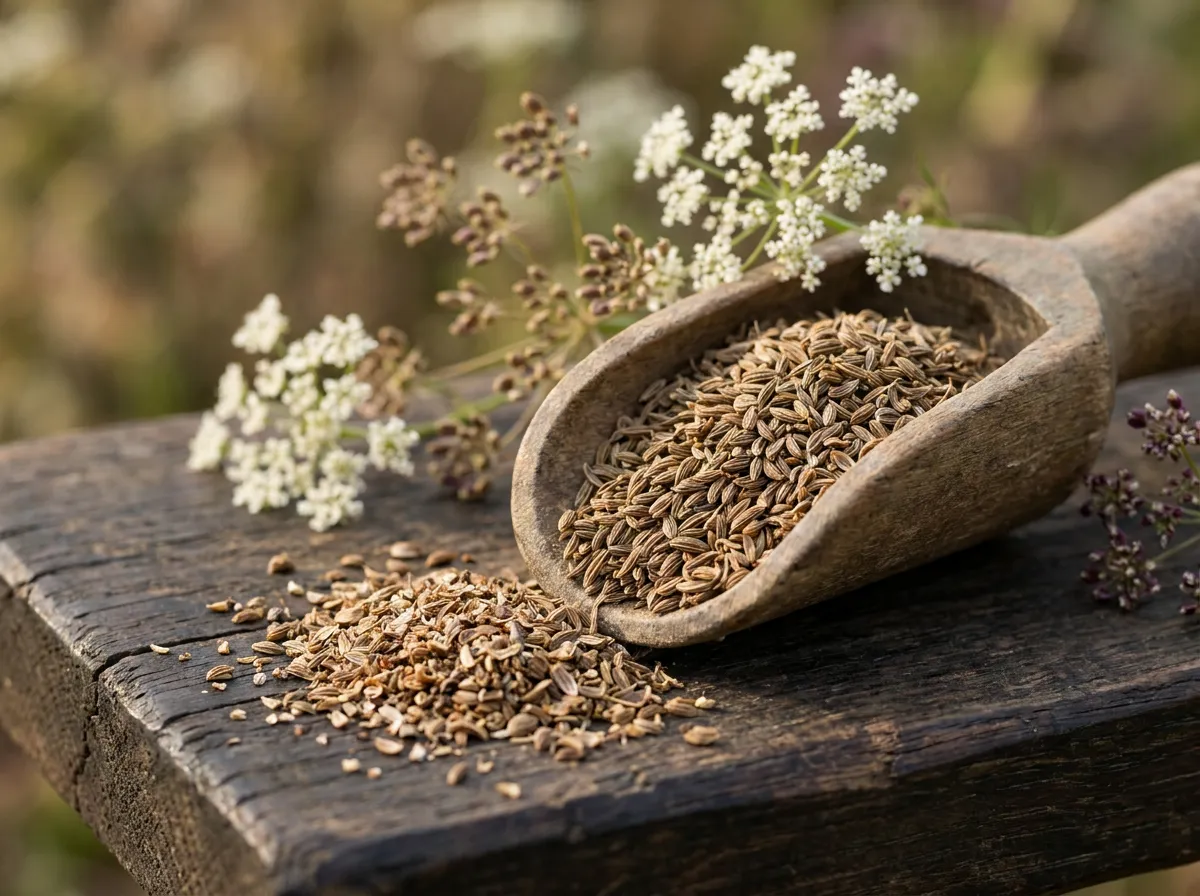
Whole ripe anise seed in a wooden scoop beside a coarse-cracked sample

Seed You Could Plant

Pimpinella anisum is an umbellifer, a relative of carrot and fennel, grown around the Mediterranean and in Egypt for thousands of years.

We buy to a specified screen size and a moisture ceiling, and we reject on damaged, split, immature or off-colour seed rather than accepting sound as a blanket description. Screen size stands in for maturity, and immature seed yields less and tastes thinner.

Most of what goes into commodity spice distillation is material that failed to make a better market: undersized, broken, or the sweepings off a cleaning line. Our test is simpler. We buy seed you could plant.
A Coarse Crack, Never a Flour

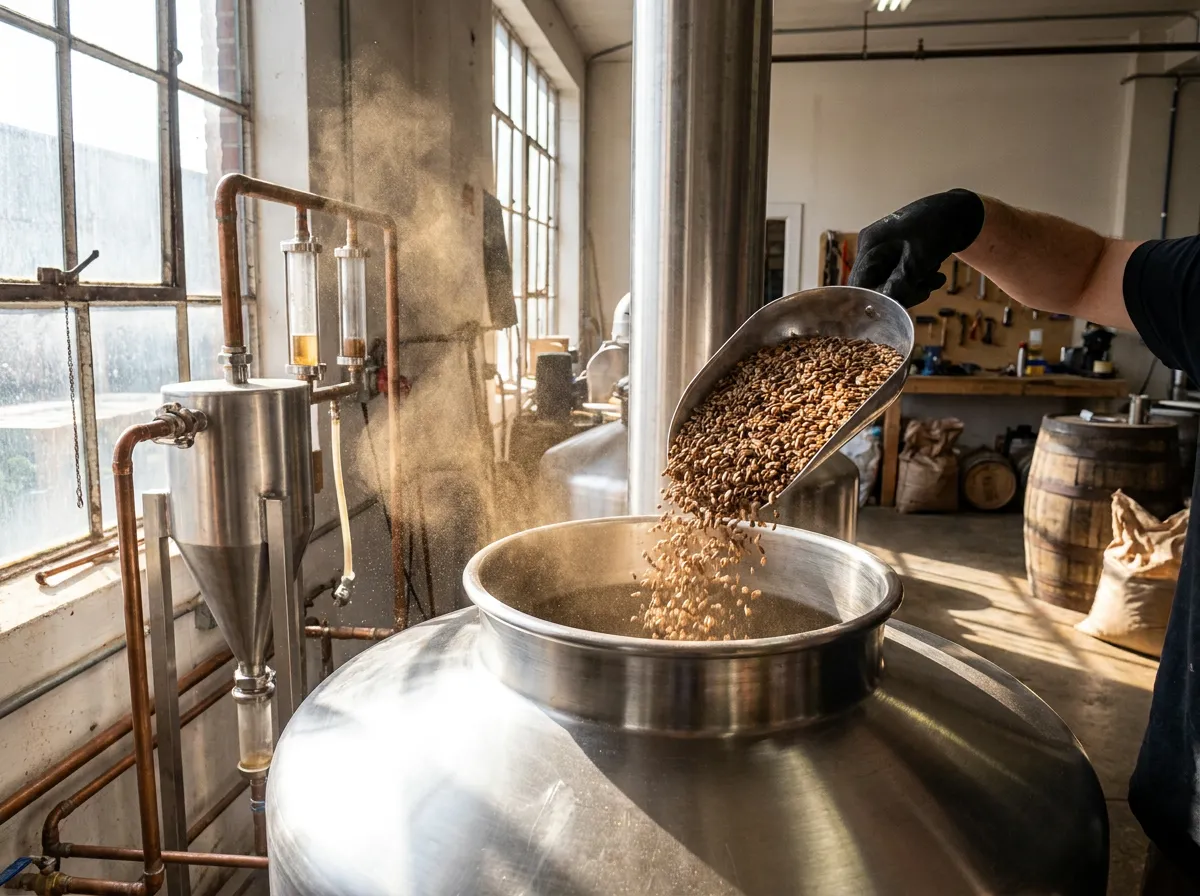
We mill to a coarse crack. That is deliberate rather than lazy: ground to a flour, the charge packs so tightly that steam channels around it instead of passing through, and you get an uneven distillation with scorching at the base.

Cracked seed goes straight in and steam is drawn through until it is spent. Anethole dominates what comes over, which is where the sugary black-licorice sweetness comes from.

The run finishes with the material rather than on a schedule, and the batch is analysed before any of it is bottled.

Coarse-cracked anise seed being loaded into a stainless still

Anethole, and the Other Number

Every lot is analysed by an independent laboratory, and on this oil there are two figures that matter rather than one.

Anethole

The dominant constituent and the source of the licorice character. Its share is the headline quality figure.

Estragole

Measured because it is the constituent regulators have taken a restrictive view of, and the cautions below depend on knowing it.

Star anise markers

Confirms this is Pimpinella anisum rather than star anise, which is a different plant from a different family entirely.

Ask for both figures against your lot number and we will send them, or use the contact page.

Harvest Year and Origin

Both travel with the lot, and the bottle carries the date the oil came off the still.

Amber Glass

Amber in every size, retail bottles through to bulk.

Seed Only

Pure Pimpinella anisum, undiluted, with no star anise and no synthetic anethole.

Cracked an Hour Before the Steam

Whole Mediterranean aniseed bought to spec, cracked coarse on site, distilled here, with anethole and estragole both measured by an outside laboratory.

Ask for the estragole figure.

Shop Anise Oil
These statements have not been evaluated by the FDA. Products are not intended to diagnose, treat, cure, or prevent any disease.