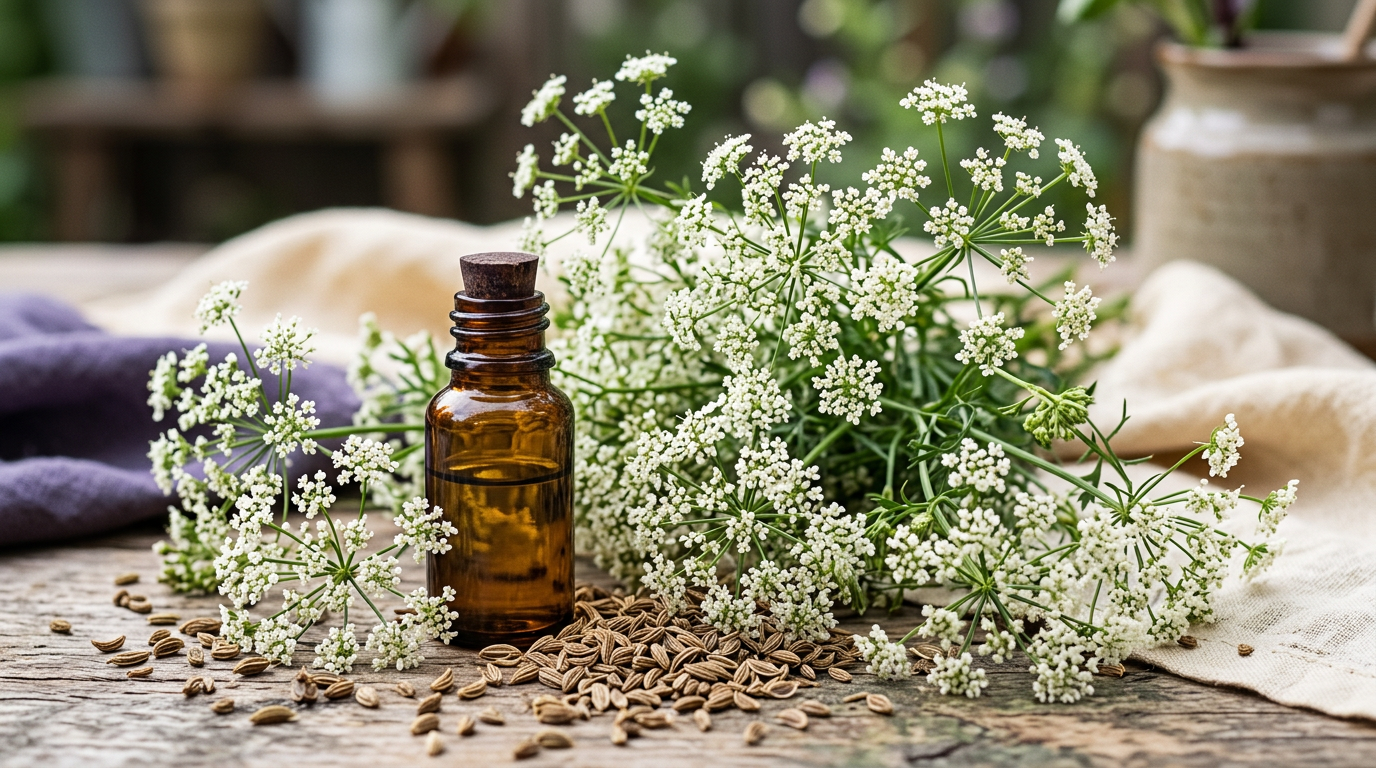
How to Scent Container Candles with Anise Oil: Wax and Load Rate
Anise essential oil brings a warm, licorice-sweet, faintly spiced note to a candle that most synthetic fragrance oils only approximate. Home candle makers reach for it when they want an autumn or holiday blend with real botanical depth, something closer to a spice market shelf than a mall kiosk. But essential oils behave differently from fragrance oils in wax, and anise oil in particular has a strong, top-heavy scent profile that punishes guesswork. Get the wax load rate wrong and you end up with a candle that smells like nothing when unlit and overwhelming when burning, or the reverse. This guide walks through exactly how to scent candles with anise oil in a container candle, from picking the right wax to nailing your fragrance load percentage on the first batch.
Anise Essential Oil
Our own Anise Essential Oil, in sizes from 0.5 oz to bulk.
From $7.99
Shop Now →Why Anise Oil Behaves Differently in Wax
Fragrance oils sold for candle making are engineered with fixatives and a wide molecular weight range so the scent survives melting, cooling, and reheating during a burn. Anise essential oil is a single-origin botanical extract, dominated by anethole, a compound with a relatively low flash point and a tendency to volatilize quickly at high wax temperatures. That means two things for your process: you add it later in the pour than most fragrance oil instructions suggest, and you generally need it at the higher end of a wax's recommended fragrance load to get a noticeable scent throw once the candle cools and sets.
None of this makes anise oil unsuitable for candles. It just means the standard "one size fits all" fragrance oil ratio doesn't transfer directly, and testing matters more than it would with a commercial candle fragrance blend.
Materials You'll Need
- Container candle wax: soy wax flakes, a coconut-soy blend, or a container-rated paraffin blend (avoid pure paraffin pillar wax, which isn't formulated for scent retention in a jar)
- Anise essential oil (100% pure, not a fragrance oil labeled "anise scent")
- Cotton or wood wicks sized for your container's diameter
- Heat-safe glass or metal containers, 6 to 10 oz for testing
- A digital kitchen scale accurate to at least 1 gram
- A candle-making or candy thermometer
- A double boiler or a pouring pitcher set inside a water bath
- Wick stickers or hot glue dots
- Wick centering tool or two wooden skewers
- Heat gun or hair dryer (optional, for surface smoothing)
- A notebook for recording load percentages, pour temperatures, and results
Buy your anise oil in small quantities for testing. A little goes a long way, and you'll be running several test pours before committing to a full batch.
Understanding Fragrance Load Rate
Fragrance load, sometimes called scent load, is the percentage of essential or fragrance oil by weight relative to the total wax weight. A 6% load means 6 grams of oil for every 100 grams of wax. Most soy waxes are rated to hold a maximum of 6 to 10% fragrance oil before the oil starts to separate from the wax and pool or sweat on the surface, a defect candle makers call "sweating."
Because anise essential oil is lighter and more volatile than a typical fragrance oil, you'll usually want to sit near the top of your wax manufacturer's recommended range rather than the middle. For most soy and soy-blend waxes, that means starting around 8% and testing up from there if the cold throw (the scent you smell from an unlit candle) still feels faint. Going above 10% on soy wax risks a greasy, weeping surface and can also affect how cleanly the wick burns, so treat 10% as a practical ceiling rather than a starting point.
| Wax Type | Typical Max Fragrance Load | Suggested Anise Oil Starting Point |
|---|---|---|
| Soy wax (100%) | 6 to 10% | 8% |
| Coconut-soy blend | 8 to 12% | 9% |
| Container-rated paraffin blend | 8 to 12% | 8% |
| Beeswax blend | 3 to 6% | 5% |
These figures are general starting points, not fixed rules. Always check your specific wax supplier's data sheet, since blends vary by brand and lot.
Step-by-Step: Scenting a Container Candle with Anise Oil
- Weigh your wax first, not your oil. Place your pouring pitcher on the scale, tare it to zero, and add your wax flakes. Working from the wax weight keeps your fragrance load percentage accurate no matter how much wax you're melting that day.
- Melt the wax slowly to your wax's recommended pouring temperature. Most soy waxes melt fully between 160 and 185°F. Use the double boiler method rather than direct heat, since scorched wax won't hold scent well and can discolor.
- Calculate your anise oil amount before you start. For an 8% load on 200 grams of wax, that's 16 grams of anise essential oil. Weigh it out in a small separate container while the wax melts, so you're not measuring under time pressure once the wax is hot.
- Let the wax cool to the low end of its pour range before adding the oil. This is the step most instructions for fragrance oils skip, and it's the one that matters most for anise oil specifically. Where a synthetic fragrance oil might be added at 185°F, anise oil's anethole content starts flashing off noticeably above roughly 160 to 170°F. Adding it too hot means a chunk of your scent load evaporates before the wax ever sets. Aim to add it near the bottom of your wax's recommended fragrance-addition window, or a few degrees below what the fragrance oil bottle would suggest.
- Stir for a full two minutes, not a quick swirl. Anise oil needs to disperse evenly through the melted wax. Use a consistent folding motion, scraping the sides and bottom of the pitcher, and time it. Under-stirring is a common cause of uneven scent throw between candles poured from the same batch.
- Check your pour temperature before filling containers. Most soy and blend waxes pour best between 130 and 150°F. Pouring too hot after adding a volatile oil like anise undoes the cooling step you just did.
- Pour slowly down the side of the wick, not directly over it. This reduces air bubbles and helps keep the wick centered as the wax settles.
- Center the wick and let the candle rest undisturbed. Use a centering tool or two skewers laid across the container to hold the wick straight while the wax sets. Set candles somewhere free of drafts and temperature swings; uneven cooling can cause sinkholes or a rough top.
- Let the candle rest for at least 48 hours before the first burn, and up to two weeks for the fullest scent throw. This rest period allows the fragrance oil to bind more fully into the wax's crystal structure. Anise oil candles in particular often smell noticeably stronger on day ten than on day two, so resist judging the batch too early.
- Trim the wick to a quarter inch and test-burn for at least two hours. A proper test burn lets you evaluate both cold throw (before lighting) and hot throw (the scent that fills the room while burning), plus how the wax pool and wick behave together.
Tips for Better Results
- Record every batch: wax type, load percentage, oil-addition temperature, and pour temperature. Anise oil is expensive enough that repeating a bad batch by accident is a real cost.
- Pair anise oil with a small amount of clove bud or sweet orange oil if you want a more layered, spice-market blend rather than a single-note licorice scent. Keep the total combined oil weight within your wax's fragrance load ceiling.
- Choose a slightly larger wick size than you would for an unscented candle of the same diameter. Essential oils can dampen a wick's burn slightly more than fragrance oils formulated for candles, and an undersized wick will tunnel down the middle without melting a full wax pool.
- Store your anise oil bottle tightly capped, away from light and heat, between pours. Essential oils oxidize and drift off-scent faster than commercial fragrance oils once opened.
- Test in the container size you actually plan to sell or gift. Scent throw in a 4 oz tin reads very differently than in a 10 oz tumbler.
Common Mistakes to Avoid
- Adding the oil while the wax is still too hot. This is the single biggest reason anise oil candles turn out weak. If your cold throw is faint, check your addition temperature before assuming you need more oil.
- Skipping the rest period. Burning a candle the same day it's poured almost always underdelivers on scent, no matter how well the load rate was calculated.
- Exceeding the wax's fragrance load ceiling to compensate for a weak throw. Overloading past 10% on soy wax tends to cause sweating and can leave an oily film on the container rather than actually strengthening the scent proportionally.
- Using a fragrance oil labeled "anise" when the goal is a true essential oil candle. Fragrance oils behave differently in wax and won't respond to the same temperature and load guidance in this article.
- Not accounting for wick size. A scent problem is sometimes actually a wick problem. If the candle isn't forming a full melt pool, the fragrance never fully releases regardless of load rate.
What to Expect from an Anise Oil Container Candle
At a well-tested load rate, an anise essential oil candle typically produces a warm, sweet, faintly spiced scent that many people describe as reminiscent of black licorice or fennel seed, with a gentler presence than star anise pods themselves. Cold throw tends to be moderate rather than powerful, since essential oils generally read as softer than synthetic fragrance oils even at a comparable load percentage. Hot throw, the scent while the candle is actually burning, is usually the more noticeable of the two once the wax has had its full rest period.
Results vary by wax type, room size, and ventilation, and some batches will need small adjustments before they match what you're picturing. Keeping notes across a few test pours is the fastest way to land on a formula you'll want to repeat.
A Note on Safety
Work in a ventilated space when melting wax and handling concentrated essential oil, and keep a fire extinguisher rated for grease or oil fires nearby whenever wax is on a heat source. Anise essential oil is concentrated: avoid direct skin contact with the undiluted oil, keep it away from children and pets, and store it out of reach between uses. Never leave melting wax unattended, and always burn finished candles on a heat-safe surface away from drafts, curtains, and anything flammable, checked periodically while lit.
Anise oil rewards a little patience more than most candle scents do. Cooling the wax before adding the oil, weighing everything precisely, and giving the finished candle time to rest are the three habits that separate a flat, disappointing pour from one with real depth and warmth. Once you've dialed in a load rate for your specific wax, it's a formula worth writing down and keeping.