DIY Anise Solid Perfume: A Beeswax and Jojoba Recipe
Anise essential oil has a warm, sweet, licorice-like scent that sits somewhere between a spice cabinet and a bakery. It's an unusual note for a solid perfume, and that's exactly why it works: a small amount goes a long way, and it pairs beautifully with the soft, skin-warmed feel of a beeswax and jojoba base. This is a simple project you can finish in under thirty minutes, using ingredients that are easy to find and a process that doesn't require any special equipment beyond a double boiler and a few small tins.
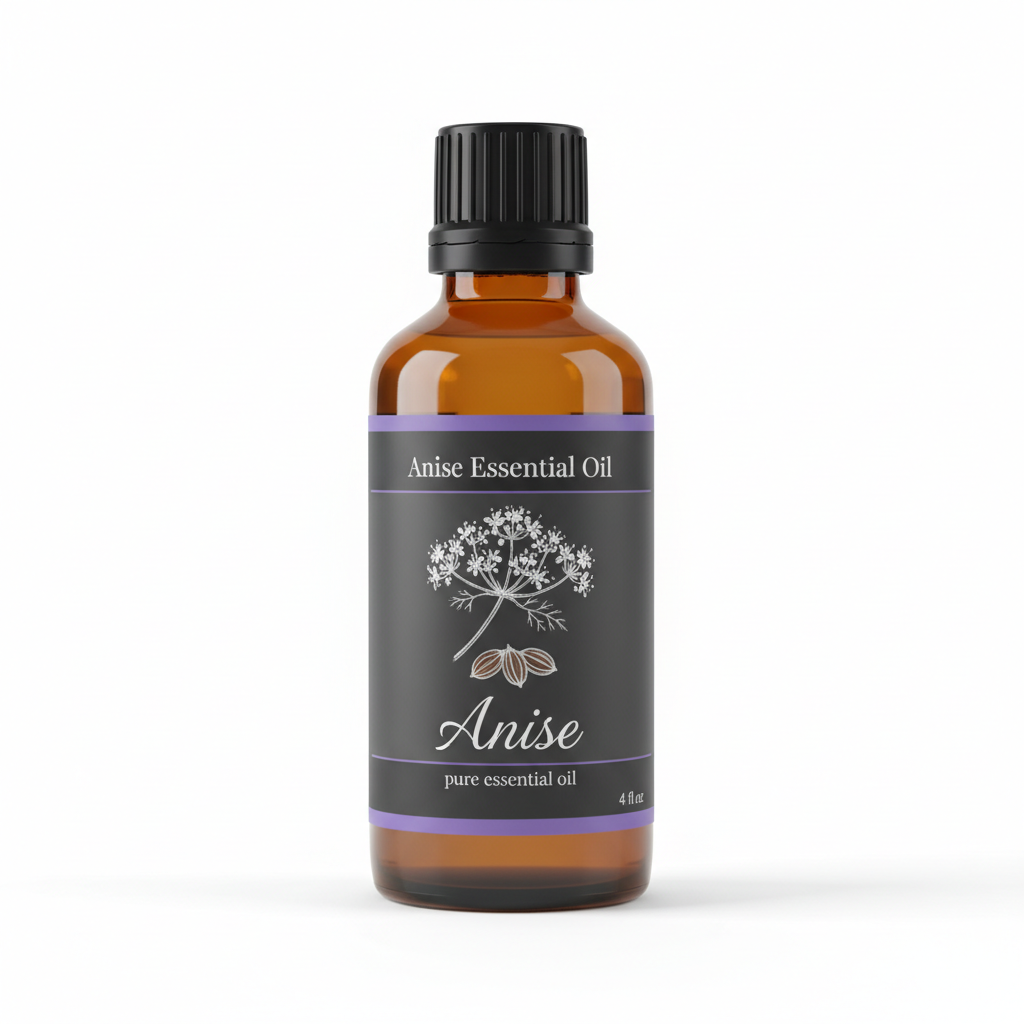
Anise Essential Oil
Our own Anise Essential Oil, in sizes from 0.5 oz to bulk.
From $7.99
Shop Now →What a Solid Perfume Actually Is
A solid perfume is essentially a scented balm: essential oil suspended in a base of wax and carrier oil, warmed until it melts, poured into a small tin or jar, and left to firm up at room temperature. Unlike a spray perfume, there's no alcohol involved, so the scent tends to stay closer to the skin and develops more slowly over the course of a few hours. That slow unfolding is part of what makes anise such a nice fit here. Its sweetness softens as it warms against skin, rather than announcing itself all at once.
Difficulty and Time
- Difficulty: Beginner-friendly
- Prep time: 10 minutes
- Active time: 10 to 15 minutes (mostly melting and stirring)
- Set time: 1 to 2 hours at room temperature, or about 20 minutes in the refrigerator
- Yield: Roughly two 0.5-ounce tins
Ingredients for This Anise Oil Solid Perfume
This beeswax jojoba anise perfume recipe uses a simple three-part ratio: wax for structure, carrier oil for glide, and essential oil for scent. Measurements below make about one ounce of finished balm, enough to fill two small tins.
- 1 tablespoon (about 0.5 oz) beeswax pastilles or grated beeswax
- 2 tablespoons (about 1 oz) jojoba oil
- 10 to 12 drops anise essential oil
- Optional: 3 to 4 drops vitamin E oil (helps slow oxidation of the carrier oil)
- Optional: 2 to 3 drops of a complementary oil such as sweet orange, clove bud, or vanilla oleoresin for a rounder, more complex homemade licorice perfume balm
Jojoba is technically a liquid wax rather than an oil, which is part of why it works so well here: it has excellent skin feel and a long shelf life compared to many carrier oils. If you don't have jojoba on hand, see the substitutions section below.
Tools You'll Need
- A small heatproof glass or metal bowl
- A small saucepan (for a makeshift double boiler)
- A stirring utensil, such as a wooden coffee stirrer or small spoon
- Two 0.5-ounce metal or glass tins with lids
- A small funnel or pipette, optional but helpful for a clean pour
Step-by-Step Instructions
- Set up a double boiler. Fill the saucepan with about an inch of water and bring it to a gentle simmer. Place the heatproof bowl on top, making sure the bottom doesn't touch the water.
- Melt the beeswax. Add the beeswax to the bowl and let it melt slowly, stirring occasionally. This usually takes 3 to 5 minutes depending on how finely it's grated.
- Add the jojoba oil. Once the beeswax is fully liquid, stir in the jojoba oil. Keep stirring until the mixture looks smooth and uniform, with no streaks of unmelted wax.
- Remove from heat and cool slightly. Take the bowl off the double boiler and let it sit for about a minute. Essential oils are volatile, and pouring them into a mixture that's still very hot causes some of the scent to evaporate before it ever sets.
- Add the anise essential oil. Stir in your anise oil (and any complementary oils you're using), mixing gently but thoroughly for about 15 seconds.
- Pour into tins. Working quickly before the mixture starts to firm up, pour it into your prepared tins. A small funnel keeps things tidy if your tins have a narrow opening.
- Let it set. Leave the tins uncovered at room temperature for 1 to 2 hours, or pop them in the refrigerator for about 20 minutes if you're impatient. The balm should look opaque and feel firm to the touch, not tacky.
- Cap and label. Once fully set, add the lids and label each tin with the date you made it and the ingredients used, especially if you're gifting any.
Safety Notes Before You Start
Essential oils are concentrated botanical extracts, and anise oil is no exception. A few precautions make this project safer and more pleasant to use:
- Dilution matters. The ratio above works out to roughly 3 to 5% essential oil dilution, which is considered appropriate for a leave-on product applied to small areas like wrists and neck. Don't be tempted to add more drops for a stronger scent; concentrated anise oil applied directly to skin can be irritating for some people.
- Always patch test first. Before applying your finished balm more broadly, dab a small amount on the inside of your forearm and wait 24 to 48 hours. If you notice redness, itching, or discomfort, wash the area and discontinue use.
- Keep it away from broken or sensitive skin, the eyes, and mucous membranes.
- If you are pregnant, nursing, or under a healthcare provider's care, speak with them before adding a new essential oil product to your routine.
- Keep finished balms out of reach of children and pets. Essential oils, even in a diluted balm, are not meant to be ingested.
- Source quality matters. Look for anise oil that lists its botanical name (Pimpinella anisum) and comes with a GC-MS report from the supplier, so you know what you're actually working with. If you're still deciding on an oil, our guide to choosing a quality anise essential oil covers what to check on a label.
This recipe is intended for aromatic and cosmetic use only, and this article isn't a substitute for advice from a qualified healthcare provider.
Storage and Shelf Life
Store your solid perfume in a cool, dry place away from direct sunlight. A bathroom cabinet or dresser drawer works better than a windowsill, since heat and light both shorten the life of the oils. Properly stored, a beeswax and jojoba balm like this one typically holds its scent and texture for around 6 to 12 months. Jojoba's natural resistance to oxidation gives it an edge over more perishable carrier oils here.
Signs it's time to make a fresh batch: the balm smells noticeably flat or sour compared to when you made it, the texture separates or looks grainy, or it develops an off color. When in doubt, trust your nose over the calendar.
Variations and Substitutions
This diy anise solid perfume recipe is a good base to riff on once you've made it once or twice.
- Vegan swap: Replace the beeswax with the same amount of candelilla wax. Candelilla is firmer than beeswax, so start with slightly less (about 2 teaspoons) and add more if the balm feels too soft once tested.
- No jojoba on hand: Fractionated coconut oil or sweet almond oil both work as substitutes, though they don't have quite the same shelf stability as jojoba, so lean toward the shorter end of the storage window.
- Spice-market blend: Pair anise with 2 to 3 drops of clove bud oil and a drop of cinnamon leaf oil for a deeper, more resinous profile. Keep total essential oil drops within the 10 to 12 drop range for the same dilution level.
- Sweeter, rounder scent: Add 2 to 3 drops of sweet orange oil alongside the anise for a brighter top note that balances the licorice sweetness.
- Firmer balm for warm climates: Increase the beeswax to 1.5 tablespoons if your finished balm tends to soften too much in a warm room or purse.
- Softer, more spreadable balm: Reduce the beeswax slightly and increase jojoba by the same amount, in small increments, until you land on a texture you like.
If you enjoy working with anise oil in projects like this, it's worth exploring anise diffuser blend combinations for the room as well, since many of the same complementary oils (clove, orange, cinnamon) show up in both.
Troubleshooting
| Problem | Likely Cause | Fix |
|---|---|---|
| Balm is too soft or doesn't fully set | Not enough beeswax, or too much carrier oil | Remelt the batch and stir in an extra 1/2 teaspoon of grated beeswax |
| Balm is too hard to spread easily | Too much beeswax | Remelt and stir in a bit more jojoba oil, a few drops at a time |
| Scent fades quickly after application | Oil was added while the mixture was too hot | Next batch, let the melted wax and oil cool for a full minute before adding essential oil |
| Surface looks grainy or uneven | Mixture set too quickly, often from pouring into a cold tin | Warm the tins slightly before pouring, or remelt and re-pour |
A Note on Using Your Finished Perfume
Apply a small amount, about the size of a pea, to pulse points like the wrists, inside of the elbows, or the base of the throat. Warmth from the skin helps the scent open up gradually over the next hour or two. Because this is a solid rather than a spray, a little goes further than you'd expect, so resist the urge to layer it on thickly.
If you want to build out a small collection of homemade scent projects, this base recipe also adapts well to other single-note or blended solid perfume recipes, using the same beeswax-to-jojoba ratio with whatever essential oil profile you're drawn to that week.