
Anise Oil for Fishing: Why Fish Love Licorice and How to Use It
Ask any seasoned bass angler about their secret edge, and there's a decent chance the answer involves something sweet and a little unexpected. Anise oil fishing has been a quiet staple in tackle boxes for generations, passed down through word of mouth the way the best fishing spots always are. The licorice-like scent of sweet anise oil cuts through murky water, lingers on lures longer than most synthetic sprays, and seems to spark curiosity in fish that might otherwise ignore a perfectly presented bait.
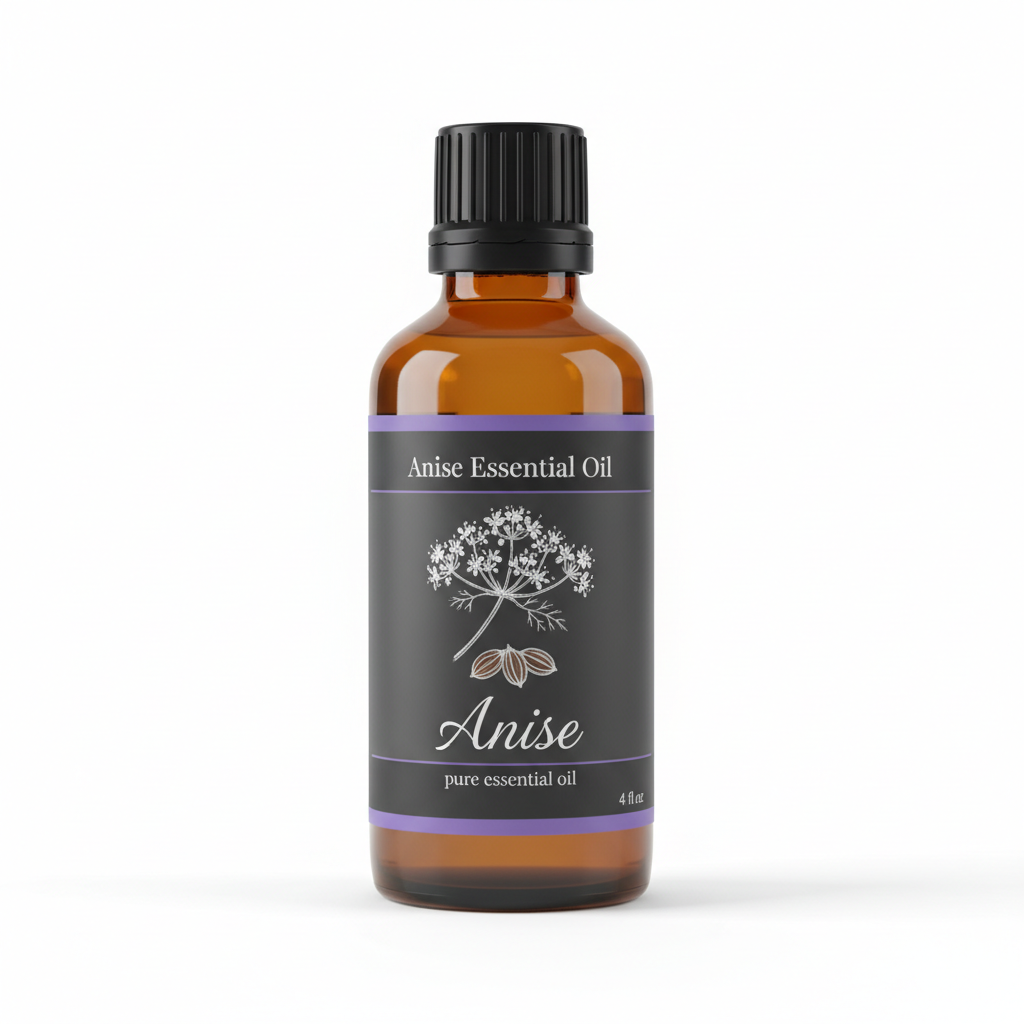
Anise Essential Oil
Our own Anise Essential Oil, in sizes from 0.5 oz to bulk.
From $8.99
Shop Now →This guide breaks down exactly how to use anise oil as a fish attractant, from gathering your materials to applying the scent correctly on the water. Whether you're rigging soft plastics for bass or dunking a yarn fly for steelhead, the technique is approachable and the cost is low.
Why Anise Oil Works as a Fish Attractant
Fish locate food primarily through their lateral line (which detects vibration and water pressure) and through their olfactory system. Smell matters enormously, especially in stained or off-color water where visibility is limited. Scent disperses downstream and in all directions from a stationary bait, creating a scent cone that draws fish toward the source before they can even see the lure.
Anise oil contains anethole as its primary aromatic compound. Anethole is the same molecule responsible for the characteristic scent of black licorice, fennel, and star anise. Anglers and outdoor writers have noted for decades that this particular scent profile appears to attract a broad range of freshwater and some saltwater species. Trout, salmon, bass, catfish, and carp have all been cited in anecdotal fishing reports as responding positively to it.
There are a few practical reasons anise oil outperforms many commercial attractant sprays. It is oil-based, so it bonds to soft plastics, hair rigs, and natural bait more persistently than water-based alternatives. It is highly concentrated, so a small bottle goes a long way. It also masks the scent of human hands, sunscreen, and gasoline, which fish can detect and which may reduce strike rates.
For a broader look at where anise oil shows up beyond the tackle box, the ultimate guide to anise oil uses covers the full range of applications from culinary to outdoor use.
Materials You Will Need
- Pure anise essential oil (look for 100% Pimpinella anisum or star anise, Illicium verum, clearly labeled)
- A small glass dropper bottle or roll-on applicator (2 to 4 ounce size works well for a day trip)
- A carrier option: unscented mineral oil, vegetable glycerin, or fish-safe gel base
- Soft plastic lures, spinnerbaits, jigs, or natural bait of your choice
- A resealable zip-lock bag for soaking
- Paper towels
- Optional: a small spray bottle for applying to larger surface areas
A note on oil selection: quality matters here, though not for the reasons you might expect in a cosmetic context. For fishing purposes, the strength and purity of the anethole content determines how far the scent disperses in water. Cheap anise fragrance oils often contain synthetic fillers and may smell closer to anise-flavored candy than to the real botanical compound. Look for a supplier who lists the botanical source and country of origin. Mediterranean and Egyptian anise (Pimpinella anisum) tends to have a clean, bright scent profile that works well in the water column.
Step-by-Step: How to Apply Anise Oil to Lures and Bait
Step 1: Prepare Your Dilution Blend
Pure anise essential oil is highly concentrated. While you are not applying it to skin for cosmetic use, creating a diluted blend still makes practical sense: it stretches your supply, allows more even coating, and prevents the oil from pooling or dripping off the lure quickly once it hits the water.
A simple working ratio is 10 to 15 drops of pure anise oil per one ounce of carrier. Unscented mineral oil is a popular choice because it is inexpensive, stable, and creates a thin, water-resistant film on plastic lures. Vegetable glycerin works well for natural bait like worms or dough bait because it has a slightly sticky consistency that helps the scent cling.
Mix your blend in the dropper bottle or spray bottle, cap it, and give it a good shake. Label the bottle with the date and ratio so you can adjust future batches based on results.
Step 2: Soak Soft Plastics Overnight (Optional but Recommended)
For soft plastic lures such as worms, creature baits, or swimbaits, a pre-trip soak produces noticeably stronger scent dispersion than a quick surface application at the water's edge.
Place your lures in a resealable zip-lock bag. Add 8 to 12 drops of pure anise oil directly to the bag, or pour in about half an ounce of your diluted blend. Seal the bag, squeeze out excess air, and gently massage the oil into the lures. Leave them overnight in a cool, dark location. By morning, the scent will have worked into the surface of the plastic and will release gradually as the lure moves through the water.
This method is especially popular with bass and trout anglers who pre-rig their lures the night before a tournament or early-morning trip.
Step 3: Quick-Apply at the Water's Edge
For days when you didn't soak lures in advance, a streamside application still makes a meaningful difference. Use your dropper bottle to place 2 to 3 drops directly onto the lure. Work the oil into the bait with your fingers, paying attention to any cavities, tails, or textured surfaces where scent tends to hold longer.
On hard lures like crankbaits or spinnerbaits, the scent won't absorb, but it will coat the exterior and release into the water on the first several casts. Reapply every 15 to 20 minutes, or after each landed fish, since handling and water exposure reduce scent concentration.
Step 4: Scent Natural Bait
Nightcrawlers, minnows, cut bait, and dough bait can all receive an anise oil boost. For live or cut bait, the approach is lighter: 1 drop directly onto the bait, allowed to sit for 30 seconds before casting. Too much oil on natural bait can deter some species, so start conservative and increase if you are not seeing results.
For dough bait and homemade corn or bread preparations, anise oil can be mixed directly into the bait during preparation. A ratio of 5 to 8 drops per cup of base material is a reasonable starting point. Carp anglers in particular have used anise-scented dough bait for generations, especially in European fishing traditions where the combination of sweet scent and starchy base is well-documented in the angling community.
Step 5: Apply and Re-Apply on the Water
Scent dissipates. Water temperature, current speed, and casting frequency all affect how long an application lasts. In warm, moving water, plan to reapply every 10 to 15 minutes. In cold, still water, your application may hold for 20 to 30 minutes before fading noticeably.
Keep your dropper bottle accessible in a vest pocket or clipped to your tackle bag. Between casts, a single drop refreshed on the lure tail or hook point is usually enough to maintain the scent profile you established with the initial application.
Species-Specific Notes
Bass
Largemouth and smallmouth bass respond well to anise oil on soft plastics, particularly worms and creature baits fished along the bottom. Many bass tournament anglers report that the scent masks hand odors (sunscreen and fuel are commonly cited) and may encourage longer hold times when a bass picks up a bait, giving the angler more time to set the hook.
Trout and Salmon
Steelhead and Pacific salmon anglers have used anise oil on yarn flies, cured eggs, and beads for decades. The scent appears to attract fish from a distance in current, which is valuable when you are covering water and looking for actively feeding fish. A light application is usually sufficient: 1 to 2 drops on a yarn fly or bead rig, refreshed after each catch or snag.
Catfish
Catfish are famously scent-driven, and anise oil blends well into stink bait and dough preparations intended for channel or flathead catfish. Adding anise to a base of chicken liver, cheese bait, or prepared stink bait is a common approach among catfish enthusiasts who want a sweet top note layered over a more pungent base scent.
Carp
Carp fishing with anise is a long-standing tradition in European coarse angling. Boilies (small round bait balls) flavored with anise are commercially available, and many carp anglers make their own by adding anise oil to egg-based base mixes. The sweet, spice-adjacent scent is broadly recognized in the carp angling community as one of the most consistent attractant flavors available.
Common Mistakes to Avoid
- Using fragrance oil instead of essential oil. Fragrance oils are synthetic blends designed for candles and cosmetics. They may smell similar, but they lack the concentrated anethole content that gives true anise oil its effectiveness in water.
- Over-applying on natural bait. More scent is not always better. Heavy applications can repel fish that are wary of unnatural concentrations of any compound. Start with less and adjust upward based on results.
- Forgetting to reapply. New anglers often apply once and assume the scent lasts the full session. Water strips scent continuously. Build reapplication into your routine the same way you check your line or hook sharpness.
- Storing oil in direct sunlight. Anise oil degrades with prolonged light and heat exposure. Store your bottle in a cool, dark place (a tackle bag side pocket away from direct sun works well) to preserve potency across the season.
- Ignoring the carrier. Applying undiluted essential oil to soft plastics can accelerate the breakdown of the plastic over time, especially with extended soaking. Using a carrier oil protects your lures and stretches your essential oil supply significantly.
What to Expect on the Water
Anise oil is not a guarantee. Fishing never is. What anglers consistently report is an increase in follows, strikes, and hold time on scented presentations compared to unscented equivalents under similar conditions. The difference tends to be more pronounced in low-visibility water and in situations where fish are not actively surface feeding and need a subsurface scent cue to locate the bait.
Results vary by species, water conditions, season, and the quality of the oil you are using. Some days it will feel like a significant advantage. Other days, the fish simply aren't in a cooperative mood and no attractant will change that. Track your results across sessions, noting water temperature, clarity, and species, and you will develop a clearer picture of when anise oil has the most impact in your specific fishing environment.
If you want to go further and make your own custom anise scent blends from scratch, the step-by-step guide to making anise oil lure scent covers the full process in detail, including gel-based recipes and scent-infused bait jars.
And if you hunt as well as fish, it's worth knowing that the same principles apply in the field. The guide on using anise oil for hogs and field attractants explores how sweet anise scent translates into a land-based setting with feral pigs.
Gear and Supply Checklist
| Item | Purpose | Notes |
|---|---|---|
| Pure anise essential oil | Primary scent source | Choose Pimpinella anisum or Illicium verum, clearly labeled |
| Carrier oil (mineral or vegetable) | Dilution and protection | 1 oz carrier per 10 to 15 drops of essential oil |
| Glass dropper bottle | Storage and application | 2 to 4 oz size; glass preferred over plastic for essential oil storage |
| Resealable zip-lock bags | Overnight lure soaking | Gallon size for larger plastic baits |
| Paper towels | Cleanup and blotting | Useful for removing excess oil from lures before casting |
A note on safety and storage: Anise essential oil is intended here for use on fishing tackle, not for skin application. If any oil contacts your skin during lure preparation, rinse with soap and water. Keep essential oils out of reach of children and pets. Store in a sealed glass container away from heat and direct light.
The tackle box case for sweet anise oil is straightforward: it is affordable, concentrated, widely available, and has a longer track record among serious anglers than most commercial attractant products on the shelf. Start with a small bottle, experiment across a few sessions, and let the fish tell you whether they agree with the generations of anglers who already swear by it.