
Anise Oil for Hogs: Using Scent Attractants in the Field
Wild hogs have a reputation for being nearly impossible to pattern. They roam widely, feed opportunistically, and seem to vanish the moment hunting pressure increases. Yet seasoned hunters have long relied on scent-based attractants to pull hogs into range, and anise oil sits near the top of that list. Its bold, sweet, licorice-forward aroma carries well through dense brush, and hogs appear to find it genuinely irresistible.
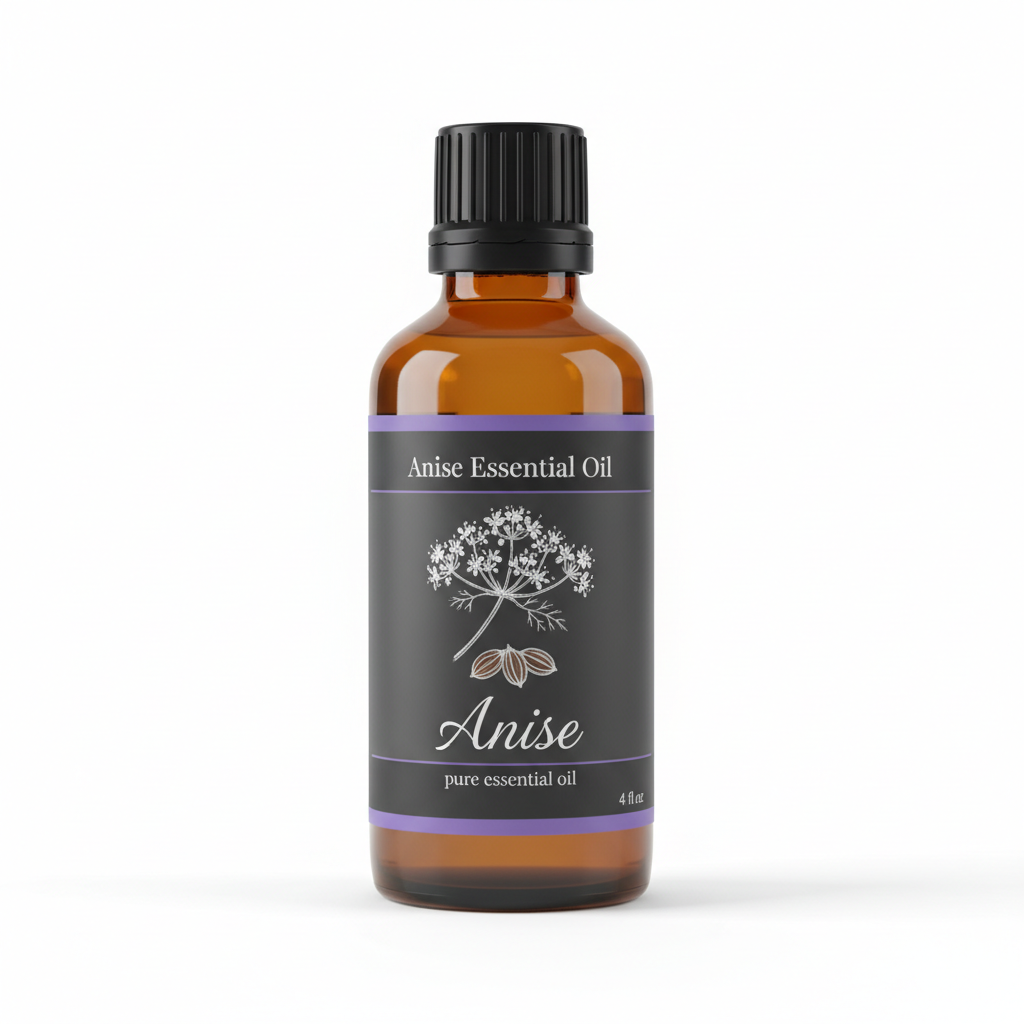
Anise Essential Oil
Our own Anise Essential Oil, in sizes from 0.5 oz to bulk.
From $8.99
Shop Now →This guide walks you through exactly how to deploy anise oil for hogs in the field: what to buy, how to apply it, where to place it, and what to realistically expect. Whether you're setting up a bait station or working a natural travel corridor, the steps here give you a solid, repeatable system.
Why Anise Oil Works as a Hog Attractant Scent
Hogs locate food almost entirely by smell. Their sense of smell is estimated to be several times more acute than a deer's, which is already impressive. A scent that broadcasts far and lingers on surfaces is exactly what you want when you're trying to pull animals from a distance.
Anise oil fits that profile well. The primary aromatic compound in anise oil, trans-anethole, is volatile enough to disperse through air and vegetation but heavy enough to cling to soil, wood, and fabric. That combination means a small amount of oil can scent a wide area without evaporating in an hour.
Hunters have used anise as a hog attractant scent for decades in the American South, in Australia's feral pig country, and across parts of Europe. The anecdotal record is substantial. Hogs investigate the scent, return to sites where they've encountered it, and often respond to it even when other attractants have gone stale.
For a broader look at what anise oil can do beyond the hunting field, see our Anise Oil Uses: The Ultimate Guide from Kitchen to Tackle Box. It covers everything from culinary applications to fishing lures, and gives useful context for understanding how the oil behaves in different environments.
Materials You Will Need
- Pure anise essential oil: Look for 100% pure oil with no carrier added. A 1-ounce or 2-ounce bottle is plenty for a full season of site applications. Avoid fragrance oils labeled "anise scent," which are synthetic and perform inconsistently in the field.
- Carrier oil (optional): Fractionated coconut oil or mineral oil can stretch your supply and slow evaporation. A 4:1 ratio of carrier to anise oil works well for most climates.
- Glass dropper bottles: Transfer your working mixture into small glass dropper bottles for precise field application. Plastic can absorb and retain the scent over time, which wastes oil.
- Cotton wicks or felt pads: These hold the scent and release it slowly over 24 to 72 hours. Commercial scent wicks work, but cut sections of cotton rope are equally effective.
- Small glass jars with lids: For soaking wicks before deployment. Mason jar pint sizes are ideal.
- Latex or nitrile gloves: Scent contamination from human hands can undermine your setup. Wear gloves from the moment you handle your materials in the field.
- Zip ties or wire: For securing wicks to fence posts, saplings, or feeder legs at the right height.
- Field notebook or phone: Log your placements, dates, wind conditions, and any sign of activity. Patterns emerge faster when you track them.
Step-by-Step Instructions
Step 1: Source Quality Anise Oil
Not all anise oils perform the same way in the field. Pure, high-quality anise essential oil will have a sharp, sweet, intensely licorice-like aroma. If the bottle smells faint, flat, or plasticky, the oil has likely been adulterated or is past its useful life. Buy from a supplier who lists the botanical name (Pimpinella anisum) and ideally provides a GC/MS report or batch testing information.
A 1-ounce bottle of quality oil typically costs between $8 and $20. It may seem like a small amount, but pure essential oil is concentrated. You will rarely use more than 10 to 20 drops per site application.
Step 2: Prepare Your Wick Solution
Fill a small glass jar with your carrier oil, or use undiluted anise oil if you prefer maximum scent intensity. Add your cotton wicks and let them soak for at least four hours before heading into the field. Overnight soaking gives even better saturation.
If you are mixing a diluted solution, a reliable starting point is 15 to 20 drops of anise oil per ounce of carrier oil. This gives you a strong but controlled scent output. In cold weather, you can increase the anise oil concentration slightly because low temperatures slow volatilization.
Step 3: Scout Your Placement Sites
Scent placement matters as much as the scent itself. Look for:
- Active rooting areas (churned, pitted soil)
- Wallows or wet areas hogs return to regularly
- Natural funnels between feeding areas and bedding cover
- Fence crossings with hair or tracks
- Existing bait or feeder stations
Place your scent stations downwind of the spot where you expect hogs to approach from. You want the scent to drift toward their likely travel path, pulling them in naturally rather than alarming them when they get close.
Step 4: Deploy the Scent Wicks
Wearing your gloves, remove a soaked wick from the jar and secure it to a post, sapling, or feeder leg at roughly snout height for an adult hog (about 12 to 18 inches off the ground). Higher placement disperses scent more widely through the air, but low placement keeps it concentrated near the ground where hogs are actively nosing.
Use multiple wicks at a single site if you want a broader scent cone. Three wicks placed 10 to 15 feet apart in a rough triangle around a bait station can create a scent envelope that reaches approaching hogs from multiple angles.
Step 5: Refresh the Site Regularly
Cotton wicks lose most of their scent output within 48 to 72 hours, faster in hot or windy conditions. Plan to refresh your stations every two to three days if you're running an active setup. Bring your dropper bottle into the field and add 5 to 10 drops directly to the existing wick rather than replacing it each time. The residual scent on a used wick layers with fresh oil and can actually create a richer, more complex aroma profile over time.
Step 6: Add Anise Oil Directly to Bait
If you're running a corn or protein feeder, anise oil mixes directly into the bait. Add 10 to 15 drops per 5 pounds of corn, mix thoroughly, and let it sit in a sealed container for several hours before loading the feeder. The oil coats each kernel and creates a scent trail that extends well beyond the feeder footprint.
Some hunters drizzle anise oil along game trails leading to a bait site, creating a scent corridor that guides hogs directly to the target location. A few drops every 10 yards for the last 50 yards of approach is enough to create a noticeable trail without overdoing it.
Step 7: Combine with Trail Cameras
Scent attractants work best when paired with observation. Set a trail camera facing your scent station and check it every few days. You'll see which species are responding, what time hogs are arriving, and whether your placement is pulling them in from the direction you expected. Adjust wick height, position, or concentration based on what the camera shows.
Common Mistakes to Avoid
Using Too Much Oil
More is not better with anise oil. An overwhelming concentration of any scent can actually cause animals to avoid the site. Start with a modest application and increase gradually if you're seeing no activity after several visits.
Ignoring Wind Direction
A scent station placed upwind of your blind or stand will alert hogs to your presence before they ever reach the attractant. Check wind direction every time you set up, and position your hunting location downwind of the scent site.
Handling Wicks Without Gloves
Human scent on your equipment can neutralize the attractant effect entirely. Keep a dedicated pair of gloves in a sealed bag with your scent materials, and put them on before touching anything that goes into the field.
Giving Up Too Soon
Hogs may investigate a new scent within 24 hours, or they may take a week or more to locate it. Consistency matters. Refresh the site on schedule and give it at least two weeks before drawing conclusions about effectiveness.
What to Realistically Expect
Anise oil for hunting is not a guaranteed draw, and it's worth being honest about that. Hog behavior varies significantly by population, season, hunting pressure, and available food sources. In areas with low hunting pressure and consistent natural food, hogs may investigate a scent station out of curiosity but show no particular urgency. In pressured areas or during leaner periods, the same setup may pull animals from considerable distances.
Most hunters who use anise oil consistently report seeing increased hog activity near scent stations within the first week of deployment. Repeat visits become more predictable over time as hogs pattern the site. That's the real value: building a reliable location that hogs return to, not just attracting a single curious animal.
Camera data from hunters using anise-based attractants suggests hogs tend to approach the scent source with more confidence and linger longer than they do at unscented bait sites. That extra time in the open translates to better shot opportunities.
A Note on Anise Oil Quality and Sourcing
The field performance of your attractant is only as good as the oil inside the bottle. Adulterated or synthetic anise oils may smell similar to pure product in the store but behave differently once exposed to sun, heat, and outdoor conditions. Pure anise essential oil holds its scent profile more reliably across temperature swings and disperses more naturally in air currents.
If you're already using anise oil in the kitchen, you know how intense and persistent a quality oil can be. Interestingly, the same properties that make it valuable for baking with anise oil, specifically its concentration and longevity, are exactly what make it effective in the field. And if you want to experience the aroma of a quality anise oil in the most enjoyable possible way before committing to a hunting season supply, making a batch of Italian anise cookies made with oil will give you an excellent baseline for what genuine, potent anise oil smells like.
Final Setup Checklist
| Task | Timing | Notes |
|---|---|---|
| Soak cotton wicks in anise solution | Night before | Minimum 4 hours; overnight preferred |
| Scout placement sites | Day before or morning of | Check for fresh sign (tracks, rooting) |
| Deploy wicks at snout height | Day of setup | Wear gloves; 12 to 18 inches off ground |
| Mix anise oil into bait | Several hours before loading feeder | 10 to 15 drops per 5 lbs of corn |
| Set trail camera | Same day as setup | Angle toward scent station |
| Refresh wicks | Every 48 to 72 hours | More frequently in heat or wind |
| Review camera footage and adjust | Weekly | Log conditions and activity in field notebook |
Patience and consistency separate hunters who see results from those who don't. Set up your anise oil stations methodically, refresh them on schedule, and let the scent do the work.