
How to Make Anise Oil Lure Scent for Fishing
Anise essential oil has a long, well-documented history in the fishing world. Anglers have tucked anise-scented baits into their tackle boxes for generations, drawn to the oil's bold, sweet, licorice-forward aroma. The scent disperses readily in water, which makes it a popular choice for coating soft plastics, jigs, and natural baits before a cast. If you've been curious about how to make anise oil for fishing at home, this guide walks you through a straightforward DIY fishing lure scent you can put together in under thirty minutes with ingredients that are easy to source.
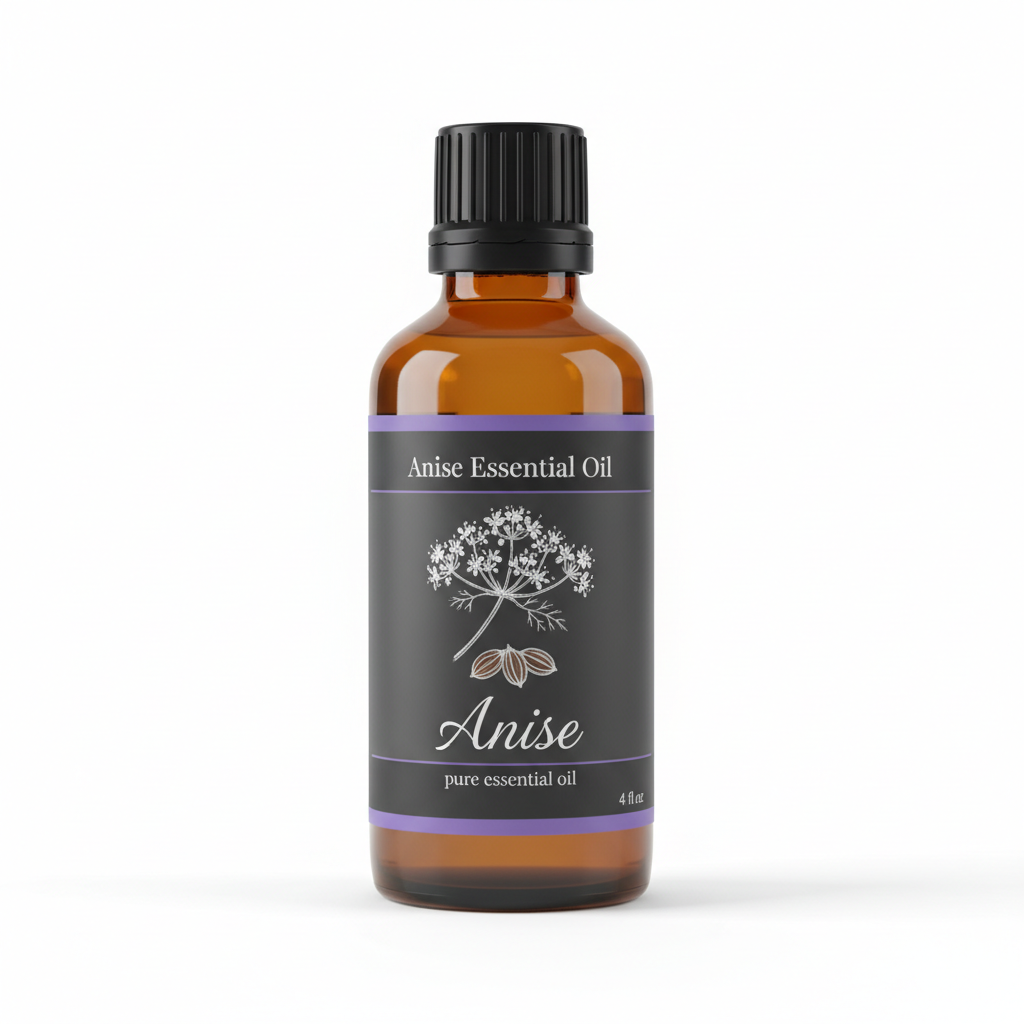
Anise Essential Oil
Our own Anise Essential Oil, in sizes from 0.5 oz to bulk.
From $8.99
Shop Now →New to scenting your tackle? Our companion guide to anise oil for fishing explains why the licorice note draws interest in the water and how anglers apply it to lures and baits.
This recipe produces a homemade fish attractant designed for external use on fishing tackle and bait only. It is not intended for human consumption, skin application, or use around pets. Please read the full safety section before you begin.
Before You Start: A Note on Anise Oil Quality
The quality of your essential oil matters more than most people expect. A cheap, adulterated anise oil may have had its anethole content diluted or its scent profile altered with synthetic additives. For a fishing lure application, you want an oil that smells strong and true: sweet, clean, and powerfully licorice-like. Look for oils that list Pimpinella anisum or Illicium verum (star anise) as the botanical source, and check that the supplier provides GC/MS testing data.
For a deeper look at what anise essential oil can do beyond the tackle box, visit our Anise Oil Uses: The Ultimate Guide from Kitchen to Tackle Box. It covers sourcing, quality markers, and a wide range of applications.
Recipe Overview
| Detail | Info |
|---|---|
| Difficulty Level | Beginner-friendly |
| Prep Time | 15 to 20 minutes |
| Yield | Approximately 4 ounces of lure scent |
| Shelf Life | 6 to 12 months when stored correctly |
| Best For | Soft plastics, jigs, live bait, dough baits |
Ingredients
- 3.5 oz (100 ml) carrier oil (refined fish oil, cod liver oil, or unrefined soybean oil are popular picks among anglers; refined fish oil is the most traditional choice because it adds a secondary attractant layer)
- 0.5 oz (15 ml) pure anise essential oil (this is approximately 1 tablespoon; see the dilution note below)
- Optional: 1 teaspoon garlic powder (finely sifted to avoid clogging your applicator bottle)
- Optional: 1 teaspoon salt (non-iodized; some anglers believe it adds texture to dough baits and helps scent molecules disperse)
Equipment
- 1 clean 4-ounce glass or HDPE plastic bottle with a tight-fitting cap or dropper top
- Small funnel
- Measuring spoons and a small graduated cylinder or kitchen scale
- Nitrile or latex gloves
- Safety glasses (optional but recommended)
- Labels and a permanent marker
Safety Warnings: Read Before You Mix
This product is for fishing tackle use only. It is not formulated for application to human skin, and it should not be ingested or used around domestic animals, particularly cats and dogs. Essential oils can be harmful to pets even in small amounts. Store this blend out of reach of children and animals at all times.
Dilution Ratios
This recipe uses anise essential oil at roughly a 13% concentration in carrier oil. That is significantly higher than any cosmetic dilution rate, which is intentional: this is a fishing lure product, not a personal care product. The strong concentration is what allows the scent to disperse effectively in water over time. Do not apply this blend to skin. If accidental skin contact occurs, wash the area immediately with soap and water. If irritation develops, consult a qualified healthcare provider.
Patch Testing
Patch testing applies to cosmetic formulations. Because this blend is not for skin use, patch testing is not applicable here. However, if you are sensitive to strong scents, work in a well-ventilated space when mixing and handling the blend. Anise essential oil is powerfully aromatic at high concentrations.
Contraindications and Precautions
- Do not use around open flames. Essential oils are flammable.
- Avoid contact with eyes. If contact occurs, flush with clean water for several minutes and seek guidance from a healthcare provider.
- Do not dispose of this blend down household drains in large quantities. Use appropriate disposal methods for oil-based products in your area.
- Pregnant individuals, people with respiratory sensitivities, and those with known anethole sensitivities should avoid prolonged inhalation of concentrated anise oil vapors. Consult a qualified healthcare provider with any concerns.
Step-by-Step Instructions
-
Prepare Your Workspace
Work at a clean, hard surface in a well-ventilated room. Lay down a paper towel or silicone mat in case of spills. Put on your gloves. If you are using safety glasses, now is the time to put them on as well. Set out all your ingredients and equipment before you open any bottles.
-
Measure the Carrier Oil
Using your graduated cylinder or kitchen scale, measure out 3.5 ounces (approximately 100 ml) of your chosen carrier oil. Pour it carefully into your clean glass or HDPE bottle using the small funnel. Fish oil is the most traditional carrier for a homemade fish attractant because it contributes its own scent layer. If you prefer a more neutral base that lets the anise scent dominate completely, refined soybean oil works well.
-
Add the Optional Dry Ingredients
If you are including garlic powder or salt, add these to the carrier oil now and swirl gently. Make sure your garlic powder is finely sifted. Coarse particles will clog a dropper tip and make application messy on the water. Give the mixture thirty seconds of gentle swirling before moving on.
-
Measure and Add the Anise Essential Oil
Carefully measure 0.5 ounces (approximately 15 ml, or 1 tablespoon) of your anise essential oil. Add it to the bottle using the funnel. Work slowly. Anise oil at this concentration is intensely aromatic, and pouring too quickly increases the chance of splashing.
-
Cap and Shake
Secure the cap tightly. Shake the bottle firmly for 30 to 60 seconds. Oil and essential oil will not form a permanent emulsion, so you will need to shake the blend before each use. This is normal and expected.
-
Label Immediately
Label your bottle clearly with the contents, the date of production, and the words NOT FOR SKIN USE. FISHING LURE SCENT ONLY. This step is not optional. Unlabeled bottles of concentrated essential oil blends create a real safety risk, especially if stored in a tackle box that other household members might access.
-
Apply to Your Lures
Shake the blend well before each use. Apply a few drops to soft plastic lures, jigs, or natural baits using the dropper top or by dipping a small brush. Allow the lure to absorb the scent for two to five minutes before casting. Reapply after each catch or every fifteen to twenty minutes, depending on water conditions. Moving water will dissipate the scent faster than still water.
Storage Instructions and Shelf Life
Store your finished blend in a cool, dark location away from direct sunlight and heat sources. A tackle bag compartment that stays in a shaded area is a reasonable option during fishing season. At home, a cabinet or drawer works well. Avoid storing in a hot car for extended periods, as heat will accelerate oxidation of both the carrier oil and the essential oil.
When stored properly, this blend should remain effective for 6 to 12 months. Carrier oils (particularly fish oil) can go rancid over time. If your blend develops an unusually sharp or unpleasant sour smell beyond the expected anise aroma, it has likely oxidized. Discard and make a fresh batch.
Using dark amber glass bottles instead of clear plastic extends shelf life by protecting the oil from light degradation. HDPE plastic is the next best option if glass is not convenient for outdoor use.
Variations and Substitutions
Gel Version (for Soft Plastics)
Some anglers prefer a gel-based scent because it clings to soft plastics longer than a pure oil blend. To make a gel version, add 1 teaspoon of unflavored gelatin to 2 tablespoons of warm water, let it bloom for five minutes, then stir in your carrier oil and anise oil blend while the mixture is still warm. Pour into a wide-mouth jar. It will set into a scoopable gel at room temperature. This version has a shorter shelf life of approximately 4 to 6 weeks and should be refrigerated between uses.
Water-Based Spray Version
If you prefer a spray applicator for quick, light coverage, you can make a water-based version. Combine 3 oz of water with 0.5 oz of anise essential oil and 0.5 oz of a dispersant such as polysorbate 20. The dispersant helps the oil mix into the water rather than floating on the surface. Shake well before each use and spray directly onto lures or bait. This version is lighter on the nose and dissipates more quickly, so reapplication will be more frequent.
Substitution: Star Anise vs. Anise Seed Oil
Both Illicium verum (star anise) and Pimpinella anisum (anise seed) produce oils with a dominant anethole scent profile. Either can be used in this recipe. Star anise oil tends to be slightly more affordable and is widely available. Anise seed oil is sometimes described as having a slightly softer, more rounded scent. For fishing applications, either works. Just make sure you are using a true essential oil, not a food-grade extract or flavoring oil, as those are formulated differently and may contain additives not suited for this type of use.
Pairing with Other Attractant Scents
Anise combines well with garlic (as noted in the main recipe), but some anglers also add a few drops of vanilla essential oil or fennel essential oil for a more complex scent profile. Keep additional essential oil additions minimal so the anise remains the dominant note. A combined total of 15% essential oil in carrier oil is a reasonable ceiling for this type of application.
If you are interested in how scent attractants work in other outdoor contexts, our article on Anise Oil for Hogs: Using Scent Attractants in the Field covers similar DIY principles for a very different kind of outdoor pursuit.
Frequently Asked Questions
Does anise scent work for all species?
Anglers commonly report using anise-scented lures for trout, catfish, carp, and bass. Results vary by species, water conditions, season, and individual fish behavior. This blend is worth experimenting with across different conditions to see what works best in your local waters.
Can I use anise extract from the grocery store instead of essential oil?
Grocery store anise extract is typically alcohol-based and contains much lower concentrations of anethole than pure essential oil. It can be used in a pinch, but you will need to use significantly more to achieve a comparable scent intensity. The finished blend will also have a different texture and may not mix as smoothly with carrier oils.
Is this safe to use in catch-and-release fishing?
Most essential oil components are present in trace amounts on lures and are not generally considered harmful to fish populations at typical use levels, but this is an area where individual anglers should use their own judgment and consult local fishing regulations. When in doubt, opt for lighter application rates.
For those who enjoy using anise oil in the kitchen as well as the tackle box, our guide on Baking with Anise Oil: Conversions, Ratios, and Best Practices covers the culinary side of this versatile essential oil in practical, easy-to-follow detail.
Final Tips for Getting the Most Out of Your Blend
- Shake the bottle before every single use. The oil and carrier will separate on standing.
- Apply scent in the shade when possible. UV exposure on the surface of treated lures can degrade the volatile aromatic compounds faster.
- Keep a small dropper bottle in your tackle bag and leave the main supply at home. This reduces the amount of product exposed to outdoor temperature swings.
- Note your results in a simple fishing log. Recording which conditions, lure types, and scent concentrations produced the best outcomes will help you refine the recipe over time.
- Make small batches more frequently rather than one large batch every year. Freshness matters, particularly if you are using fish oil as your carrier.