Anise Oil for Hair: Cosmetic Uses in Rinses and Scalp Blends
Anise essential oil has a long history in botanical beauty traditions, and its rich, sweet-spice aroma makes it one of the more pleasurable ingredients to work with in a home hair-care routine. Distilled from the seeds of Pimpinella anisum, this oil brings a warm, licorice-forward scent that lingers gently in freshly rinsed hair. Beyond fragrance, formulators and DIY enthusiasts reach for it because of its reported cosmetic benefits for the scalp and strand appearance.
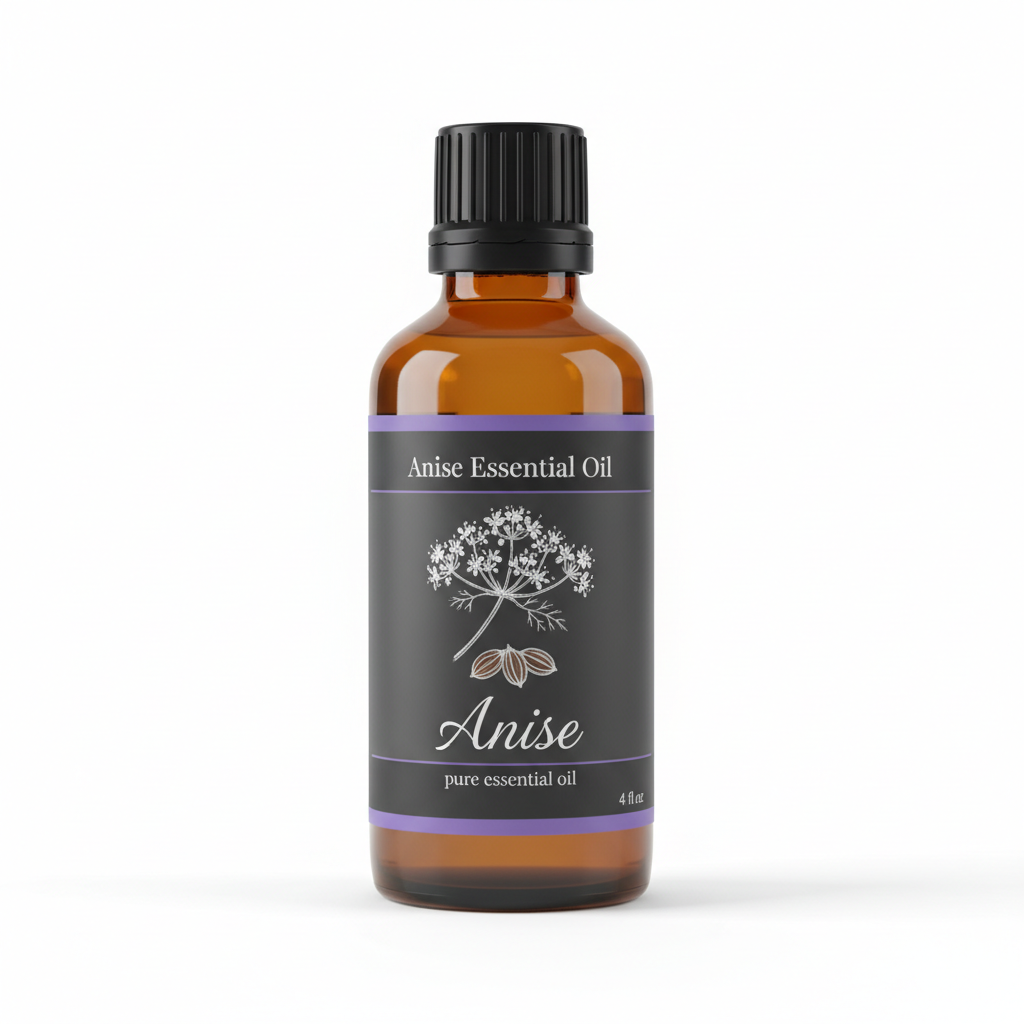
Anise Essential Oil
Our own Anise Essential Oil, in sizes from 0.5 oz to bulk.
From $8.99
Shop Now →This guide walks through two practical recipes: a simple anise oil hair rinse and a more targeted anise oil scalp blend. Both are designed for home use, with clear instructions and honest notes on what to expect.
A Quick Word on Quality Before You Start
The results you get from any essential oil recipe depend heavily on the oil itself. Look for anise essential oil that is 100% pure, steam-distilled, and clearly labeled with its botanical name (Pimpinella anisum). Avoid fragrance oils or blends labeled simply as "anise scent," as these are synthetic and behave differently on hair and skin. If you want a deeper look at sourcing standards and label reading, the article Beauty Products with Anise Oil: What to Look for on the Shelf covers exactly that.
Safety First: Dilution and Patch Testing
Anise essential oil is potent. Used undiluted, it can cause skin sensitivity reactions. Every recipe below uses a cosmetically safe dilution rate. Before applying any new blend to your scalp or hair, perform a patch test:
- Mix a small amount of the finished blend (fully diluted as directed).
- Apply a few drops to the inside of your elbow or behind your ear.
- Wait 24 hours and check for redness, itching, or irritation.
- If any reaction occurs, discontinue use and consult a qualified healthcare provider.
Contraindications: Anise oil is not recommended for use during pregnancy or on young children. Those with known sensitivities to anethole (the primary constituent of anise oil) should avoid it. When in doubt, consult a healthcare provider before incorporating any essential oil into your routine.
Recipe 1: Anise Oil Hair Rinse
A hair rinse is one of the most approachable ways to introduce anise oil into a hair-care routine. Applied after shampooing and conditioning, it leaves the hair lightly scented and may help give strands a smoother, shinier appearance. People who use herbal and botanical rinses often report that their hair looks more polished and feels softer to the touch after consistent use.
Materials and Ingredients
- 1 cup (240 ml) distilled water or cooled herbal tea (chamomile or rosemary work well)
- 1 tablespoon raw apple cider vinegar
- 3 drops anise essential oil (100% pure, Pimpinella anisum)
- 1 teaspoon vegetable glycerin (optional, adds slip)
- A small spray bottle or pour bottle (8-ounce capacity or larger)
- A small bowl and spoon for pre-mixing
Why these ingredients? Apple cider vinegar helps balance scalp pH and serves as an emulsifier that disperses the essential oil more evenly through the water. Glycerin adds a touch of moisture retention. The distilled water (or herbal tea) keeps the base clean and free from minerals that could dull hair over time.
Step-by-Step Instructions
- Combine the apple cider vinegar and anise oil in a small bowl. Stir briskly for about 30 seconds. Essential oils do not dissolve in water on their own, so blending the oil into the vinegar first creates a more even dispersion. This is the step most beginners skip, and it matters.
- Add the glycerin if using. Stir again to combine. The glycerin will help the finished rinse feel slightly more coating on the hair shaft rather than purely watery.
- Pour the mixture into your bottle, then add the distilled water. Cap the bottle and shake gently for 10 to 15 seconds.
- Shampoo and condition your hair as normal. Rinse out your conditioner thoroughly before applying the rinse.
- Apply the rinse to damp hair. For a spray bottle, mist evenly from roots to ends and massage lightly into the scalp with your fingertips. For a pour bottle, tip your head back and pour slowly while distributing with your hands.
- Leave on for 1 to 2 minutes, then rinse with cool water. Cool water helps smooth the cuticle layer, which may contribute to the shinier look people associate with this type of rinse.
- Style as usual. A light anise scent will remain in the hair as it dries.
Tips and Common Mistakes
- Shake before each use. This blend is water-based and will separate between uses. Give the bottle a good shake every single time.
- Do not exceed 3 drops of essential oil per cup of water. A higher concentration does not improve results and increases the risk of scalp irritation.
- Make small batches. Without a preservative system, this rinse is best used within one week. Store it in a cool, dark place or in the refrigerator.
- Do not use on broken or irritated scalp skin. Wait until skin is fully intact before applying any essential oil blend.
Recipe 2: Anise Oil Scalp Blend
Where the rinse is light and temporary, a scalp blend is a leave-on (or extended-contact) treatment that delivers more direct exposure to the scalp. This type of blend is applied to dry or slightly damp scalp, massaged in, and left for a period before washing out. People who incorporate regular scalp massage blends into their routines often report that their scalp feels more balanced and that their hair looks healthier at the roots over time.
Materials and Ingredients
- 2 tablespoons jojoba oil (closely mimics scalp sebum; suits most hair types)
- 1 tablespoon sweet almond oil or argan oil (adds slip and a conditioning quality)
- 4 drops anise essential oil
- 3 drops cedarwood essential oil (optional, pairs beautifully with anise aromatically)
- 2 drops lavender essential oil (optional, rounds out the scent profile)
- A small glass dropper bottle (1-ounce capacity)
This blend comes to approximately 1% to 1.5% essential oil dilution across the total carrier volume, which is within standard cosmetic guidelines for scalp-contact leave-on products. If you have known sensitivities or reactive skin, reduce to 2 drops of anise oil total.
Step-by-Step Instructions
- Combine the carrier oils in your dropper bottle. Jojoba and sweet almond oil are both lightweight and absorb reasonably well without leaving a heavy residue on the scalp.
- Add the essential oils directly to the carrier blend in the bottle. Cap and roll the bottle gently between your palms for 20 seconds to combine. Rolling (rather than shaking) helps integrate the oils without introducing air bubbles.
- Part your hair into sections. Using a comb or your fingers, create partings about 1 inch apart across the scalp. This lets you apply the blend directly to the scalp rather than saturating the length of your hair with oil.
- Apply 4 to 6 drops of the blend along each parting. Use the dropper tip or your fingertip to distribute the oil directly onto the scalp skin, not just the hair strands.
- Massage with your fingertips for 3 to 5 minutes. Use small, circular motions. Scalp massage itself is a well-regarded cosmetic practice. Some research suggests that regular massage may support the appearance of scalp health over time, though results vary by individual.
- Leave the blend on for 20 to 30 minutes, or overnight if your hair type tolerates heavier oils. Cover with a shower cap or a warm towel to help the oils absorb.
- Shampoo out thoroughly. You may need two rounds of shampooing to remove all traces of the carrier oil, particularly if you used the overnight method. This is normal and not a sign of a problem.
Tips and Common Mistakes
- Start with once a week. Over-application of oil-based scalp blends can weigh hair down or lead to buildup. Once weekly is a sensible starting point; adjust from there based on how your scalp and hair respond.
- Use only on the scalp, not mid-length or ends, unless your hair is very dry. Concentrating the blend at the roots keeps fine hair from going limp.
- Label your bottle with the date. Carrier oils have a shelf life. Jojoba is one of the most stable and will last 1 to 2 years. Sweet almond oil is best used within 6 to 12 months. Store away from heat and direct sunlight.
- The scent combination is intentional. Anise, cedarwood, and lavender create a warm, spiced-wood aromatic profile that makes the pre-wash ritual genuinely enjoyable. If you are curious about other aromatic uses for anise oil beyond hair care, the Holiday Room Scenting with Anise Diffuser Blends article is worth a read for seasonal inspiration.
What Results Can You Realistically Expect?
Honest expectation-setting matters. These are cosmetic recipes, not clinical formulas. With regular use, people commonly report that their hair looks shinier and feels more manageable. The anise oil hair rinse, in particular, seems to contribute to a smoother appearance at the cuticle level. The scalp blend may support the look and feel of a well-conditioned scalp over several weeks of consistent use.
Individual results vary considerably based on hair type, water quality, existing hair-care habits, and consistency of use. Fine hair responds differently than coarse or curly hair. Hard water can affect how a rinse performs. Think of these recipes as additions to a broader hair-care routine rather than stand-alone solutions.
Adapting These Recipes for Different Hair Types
| Hair Type | Rinse Adjustment | Scalp Blend Adjustment |
|---|---|---|
| Fine or low-volume | Skip glycerin; rinse out fully | Use jojoba only; skip almond oil |
| Thick or coarse | Add a second teaspoon of glycerin | Argan oil works especially well as the second carrier |
| Curly or coily | Leave a small amount of rinse in (do not fully rinse) | Can increase total oil volume to 4 tablespoons |
| Color-treated | Patch test especially carefully; vinegar is very gentle but test first | Suitable; jojoba is color-safe |
Going Further with Anise Oil
Hair care is just one corner of what anise essential oil can do in a cosmetic and aromatic context. If you want to explore the fuller range of its uses, the Anise Oil Uses: The Ultimate Guide from Kitchen to Tackle Box covers its broader applications in depth. It is a good companion read once you have your hair-care routine dialed in.
Start with small batches. Keep notes on what works for your particular hair. And take a moment to simply enjoy the aroma while you work. The warm, spiced sweetness of anise oil is one of the genuine pleasures of building a botanical hair routine from scratch.