
Beauty Products with Anise Oil: What to Look For on the Shelf
Anise oil has earned a quiet, devoted following in the beauty world. Its warm, spiced-licorice scent makes it distinctive without being polarizing, and its cosmetic applications span lip care, facial serums, hair products, and bath formulations. But the market is crowded, and not every bottle labeled "anise" delivers the same quality. This guide will help you read labels confidently, compare products across price points, and walk away from the shelf with something worth your money.
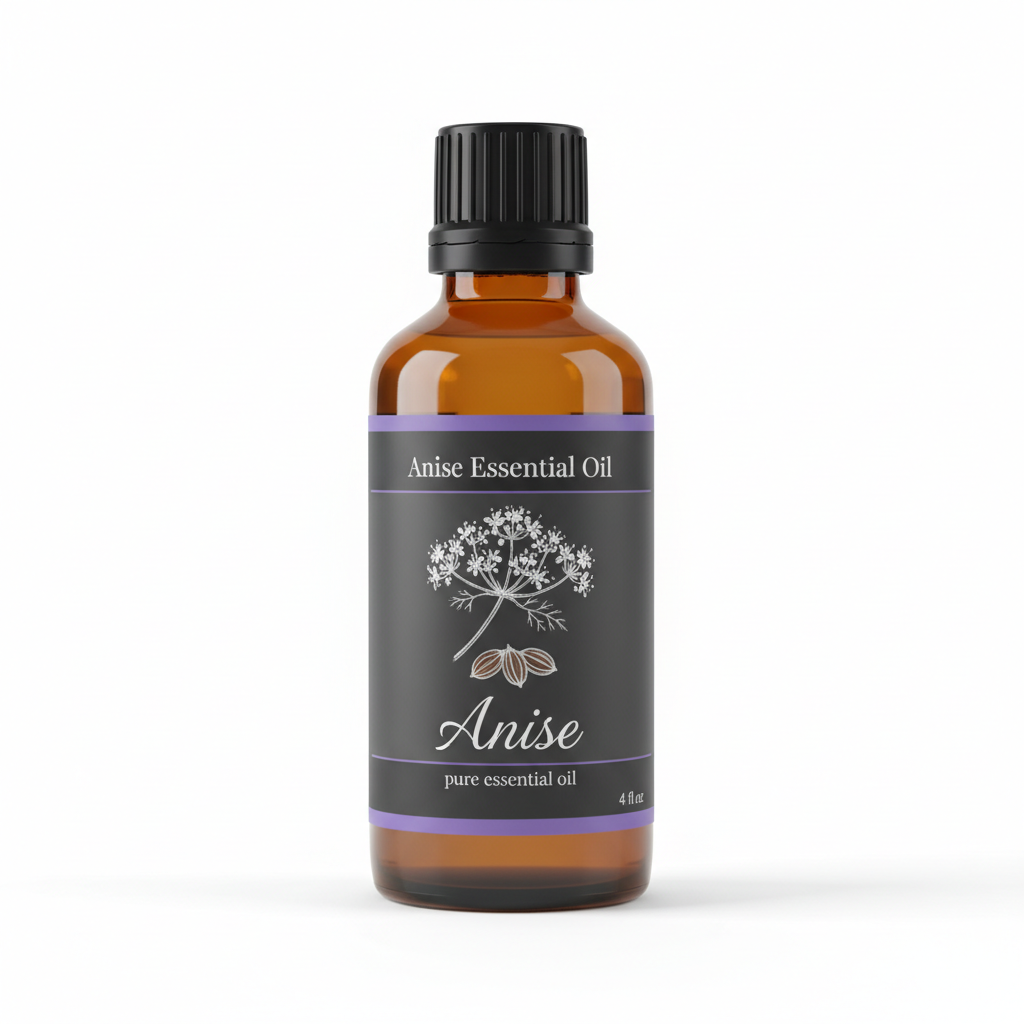
Anise Essential Oil
Our own Anise Essential Oil, in sizes from 0.5 oz to bulk.
From $8.99
Shop Now →Understanding Anise Oil in Cosmetics
Before you buy, it helps to understand what you are actually looking for. Two distinct botanical sources appear in anise oil skincare products, and they are often confused.
- True anise oil is steam-distilled from the seeds of Pimpinella anisum. It has a bright, clean licorice character with slightly sweet top notes.
- Star anise oil is distilled from the fruit of Illicium verum, a Chinese evergreen tree. The scent is deeper and more resinous, though still recognizably anise-like.
Both contain high concentrations of trans-anethole, the compound responsible for the signature scent. In cosmetics, either source can appear, and many formulators blend them. Neither is inherently superior; the better question is whether the ingredient is high quality and correctly identified on the label. If a product simply says "anise fragrance" without specifying botanical origin, that is worth noting. It may mean a synthetic anethole compound rather than a genuine distilled oil.
Curious about how anise oil moves beyond the beauty shelf? Our ultimate guide to anise oil uses covers its full range of applications, from culinary contexts to surprisingly practical outdoor uses.
What to Look For: Quality Indicators
1. INCI Name and Botanical Clarity
Every legitimate cosmetic sold in the U.S. must list ingredients using INCI (International Nomenclature of Cosmetic Ingredients) standards. For anise oil in cosmetics, look for Pimpinella anisum (seed oil or seed extract) or Illicium verum (fruit/seed oil). If you see only "anise oil" or "anise extract" without the Latin name, the sourcing is ambiguous. That ambiguity matters for fragrance sensitivity planning and general quality assurance.
2. Position in the Ingredient List
Ingredients are listed in descending order of concentration. Anise oil used as an active cosmetic ingredient should appear within the first ten to fifteen items. If it sits near the very bottom, just above preservatives and colorants, you are likely buying a product that uses anise oil purely as a fragrance note at trace levels. That is fine for a perfume or linen spray, but misleading in a product marketed around anise oil skincare benefits.
3. GC/MS Testing and Transparency
Premium essential oil brands routinely publish gas chromatography/mass spectrometry (GC/MS) reports for their pure oils, which confirm chemical composition and purity. When those oils are used as inputs in cosmetic formulations, reputable brands will often note that the source oil has been tested. Look for brands that share batch-specific testing data or at least reference third-party quality verification on their websites.
4. Packaging
Light and heat degrade volatile aromatic compounds. Quality anise oil skincare products, especially serums and facial oils, should be packaged in amber or cobalt glass, or in opaque airless pumps. Products in clear plastic bottles exposed to bright shelf lighting are not stored in ideal conditions, and the oil component may have already begun to oxidize before you purchase it.
5. Certifications Worth Noting
COSMOS or ECOCERT certification indicates that organic and natural claims have been third-party verified. USDA Organic certification on finished products is another credible marker. These certifications do not guarantee a product works for your skin type, but they do provide meaningful supply-chain accountability.
Key Features to Compare Across Products
Once you have confirmed that a product uses a legitimate anise oil ingredient, compare these features before committing to a purchase.
| Feature | What to Look For | Red Flag |
|---|---|---|
| Botanical sourcing | Latin name on label, country of origin noted | "Natural anise essence" with no further detail |
| Ingredient position | Top 15 for an anise-forward product | Listed last or near preservatives only |
| Carrier or base | Jojoba, squalane, or aloe for skin products | Mineral oil or PEG derivatives dominating the base |
| Dilution rate noted | Percentage disclosed for pure oil blends | No dilution information on a "ready-to-use" blend |
| Packaging | Dark glass or airless pump | Clear plastic with no UV protection |
| Testing disclosure | GC/MS available, dermatologist reviewed | No quality documentation available |
Top Picks at Different Price Points
The beauty products with anise oil market spans a wide price range. Here is how to navigate each tier intelligently.
Budget Tier (Under $15)
At this price point, you are most likely buying a product where anise oil functions as a fragrance component rather than a concentrated active. That is perfectly valid for body lotions, lip balms, and bath soaks where the aromatic experience is the primary appeal. Look for brands that still honor the INCI naming convention and avoid the word "fragrance" as a catch-all that could mask synthetic anethole.
Good categories to explore: anise-scented lip balms, body wash, and sugar scrubs from small-batch indie brands on platforms like Etsy or at farmers markets. Handcrafted soap bars with star anise oil are also widely available in this range and often made with clean, simple ingredient lists.
Mid-Range Tier ($15 to $45)
This is where anise oil in cosmetics starts appearing in more functional roles. Facial serums, hair conditioning oils, and cuticle treatments at this price point can realistically contain meaningful concentrations of the oil alongside well-chosen carrier ingredients. Brands like Aura Cacia offer pure anise essential oil blends suitable for DIY formulation at this price, and several natural beauty brands incorporate it into finished lip and facial products.
At this tier, spend a few minutes on the brand's website before buying. Look for sourcing language, testing references, and clear usage instructions. A brand investing in quality at this price point is usually proud to talk about it.
Premium Tier ($45 and Above)
Premium anise oil skincare products typically justify their price through certified organic sourcing, sophisticated formulation (think anise oil combined with bakuchiol, rosehip, or sea buckthorn), and meaningful concentration of the featured ingredient. Niche perfume and botanical skincare houses are increasingly working with star anise distillates as a signature note in facial oils and luxury balms.
At this tier, insist on full ingredient transparency and do not hesitate to email the brand for their GC/MS report or sourcing details. A premium brand should welcome the question.
Red Flags to Avoid
A few patterns should prompt you to put a product back on the shelf.
- Vague fragrance claims. "Anise-scented" combined with "fragrance" in the ingredient list often means a synthetic reconstruction rather than botanical oil. Not inherently harmful, but not what most anise oil enthusiasts are seeking.
- Overloaded claims on the front label. Products that promise dramatic visible results in days, with anise oil listed near the bottom of a 30-ingredient list, are leaning on marketing language rather than formulation integrity.
- No dilution guidance on concentrated blends. Pure essential oils and high-concentration blends require proper dilution before skin contact. Any brand selling a concentrated anise oil blend without clear dilution instructions is skipping a basic safety responsibility. For pure essential oils, standard guidance recommends a 1 to 2 percent dilution in a carrier oil for most facial applications, and 2 to 3 percent for body use. Always patch test before broader application.
- Expired or undated stock. Essential oil components have a shelf life. Star anise and true anise oils generally maintain quality for two to three years when properly stored. Check for a batch number or expiry date. If neither is present, proceed cautiously.
- Implausible pricing on "pure" oils. Genuine steam-distilled anise oil from quality sources has a real production cost. A 1-ounce bottle of "pure anise essential oil" priced at $2 is almost certainly adulterated or mislabeled.
Where to Buy Beauty Products with Anise Oil
Specialty Natural Beauty Retailers
Stores like Whole Foods Market, Natural Grocers, and dedicated natural beauty boutiques curate their selections with some baseline quality standards. Products on these shelves have generally passed at least a basic ingredient review. This makes in-person browsing a reasonably reliable starting point.
Direct from Brand Websites
Buying directly from a brand's own website gives you access to full ingredient information, sourcing pages, and often batch-specific testing data. It also eliminates the risk of counterfeit products, which is a genuine concern for popular essential oil brands on third-party marketplaces.
Reputable Online Marketplaces (With Caution)
Amazon and similar platforms carry a wide range of anise oil skincare products, but counterfeiting and mislabeling are documented problems in the essential oil category specifically. If you shop on these platforms, prioritize "ships from and sold by" the brand directly, read reviews critically, and cross-reference the ingredient list against the brand's own website before purchasing.
Craft and Artisan Markets
For small-batch soaps, balms, and body products, local artisan markets are an underrated resource. You can speak directly with the maker, ask about sourcing, and smell the product before committing. Many small-batch formulators work with high-quality single-origin oils precisely because they can source in smaller quantities at better quality grades than mass-market suppliers.
Making the Most of Your Purchase
Once you find a product you trust, store it properly. Keep anise oil skincare products away from direct sunlight and heat sources. Bathrooms with fluctuating humidity are not ideal for pure oil blends; a cool, dark cabinet or drawer works better.
If you enjoy the scent of anise oil beyond the skincare shelf, it translates beautifully into home aromatic rituals. Our guide to holiday room scenting with anise diffuser blends explores how to build layered aromatic atmospheres around this oil's warm, spiced character. It is particularly well-suited to cozy evening wind-down routines.
And if you are the kind of person who likes to find unexpected applications for quality ingredients, you might enjoy learning about anise oil for fishing. It is a genuinely fascinating corner of the anise world, and one that serious anglers have relied on for generations.
The best beauty product with anise oil is the one made with a clearly identified botanical source, packaged to protect its integrity, and priced honestly for what it actually contains. Read the label first. The scent will follow.
Quick-Reference Buying Checklist
- Confirm the INCI botanical name (Pimpinella anisum or Illicium verum) appears on the label.
- Check the ingredient list position. Is anise oil featured or just a trace note?
- Evaluate the packaging. Dark glass or airless pump preferred.
- Look for third-party certifications or GC/MS testing disclosure.
- Confirm dilution guidance is included if the product is a concentrated blend.
- Check for a batch number or expiry date.
- Research the brand's sourcing transparency before purchasing at a premium price point.
- Patch test any new product before full use, especially if you have fragrance sensitivities.