Anise Oil Myths: Licorice, Absinthe, and What Is Actually True
Anise essential oil might be one of the most misidentified oils on the market. Shoppers reach for it expecting one thing and sometimes walk away confused about what they actually bought. The scent is unmistakable, that warm, sweet, faintly spiced aroma that triggers strong associations with candy, aperitifs, and holiday baking. But those associations have also seeded a surprising number of persistent myths about where anise oil comes from, what it contains, and what it can do.
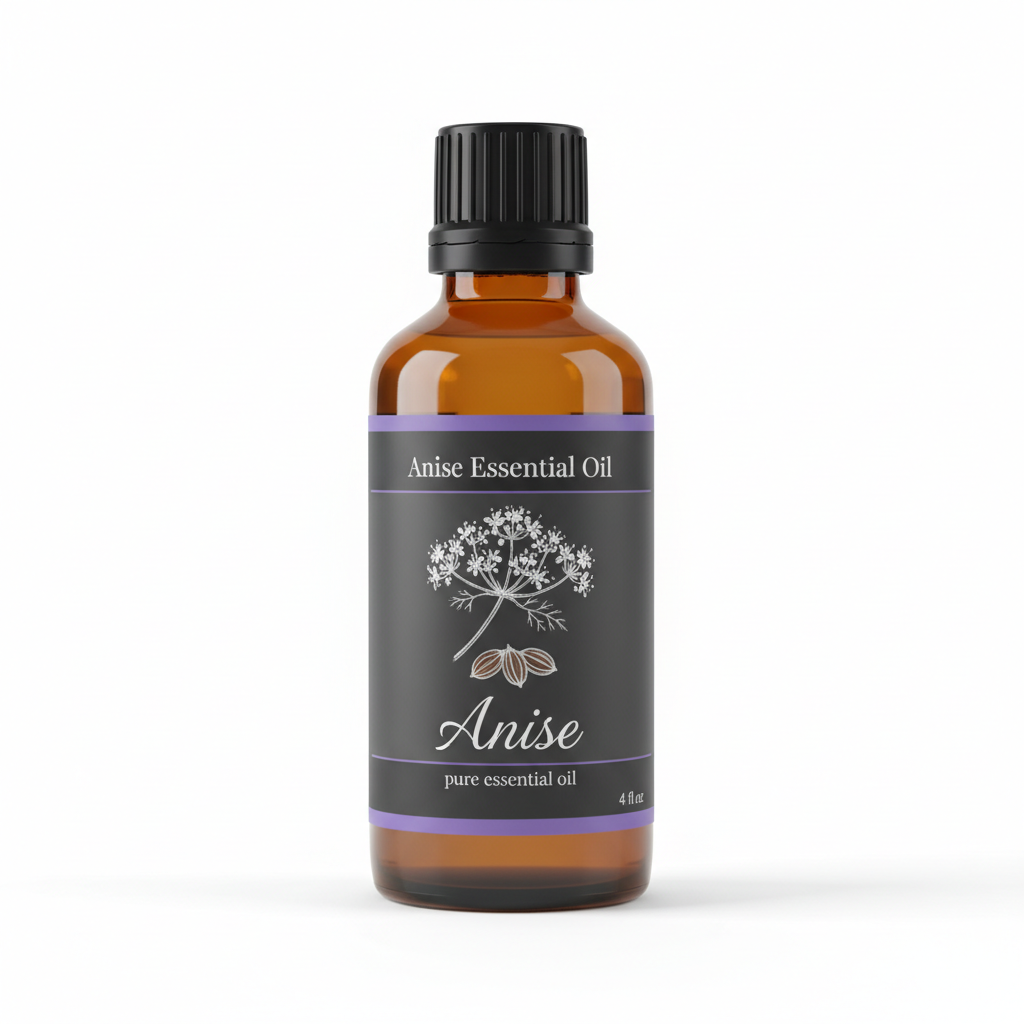
Anise Essential Oil
Our own Anise Essential Oil, in sizes from 0.5 oz to bulk.
From $8.99
Shop Now →This article works through the most common anise oil myths, one by one. For each one, the goal is simple: state what people believe, explain what the evidence actually shows, and give some context for why the confusion exists in the first place.
Myth 1: Anise Oil and Licorice Oil Are the Same Thing
The Myth
Many shoppers assume that anise oil and licorice oil are interchangeable. They smell similar. They both evoke that characteristic sweet, slightly medicinal note. Surely they must come from the same plant.
The Truth
They are not the same, though the confusion is understandable. True anise essential oil is distilled from the seeds (technically the fruits) of Pimpinella anisum, a flowering plant in the parsley family native to the eastern Mediterranean and Southwest Asia. Licorice, on the other hand, comes from Glycyrrhiza glabra, a legume whose root is the source of licorice extract and flavoring.
The reason they smell so similar comes down to a single dominant compound: anethole. Both plants produce high concentrations of trans-anethole, and it is that shared molecule that creates the family resemblance in scent. Research into the volatile composition of Pimpinella anisum consistently finds anethole making up anywhere from 80 to over 90 percent of the essential oil. Licorice root extract contains anethole as well, though its flavor profile is built from a broader mix of compounds.
So the short answer to is anise the same as licorice: botanically, no. They share a prominent aroma molecule, but they are different plants, processed in different ways, producing different products. If you are sourcing either for cosmetic or aromatic work, understanding that distinction matters. You can read more about what to look for when purchasing in our guide on how to buy anise oil: quality, purity, and where to find it.
Why the Myth Exists
Food manufacturers often label products as "licorice-flavored" when the actual flavoring agent is anise oil or star anise extract. Black licorice candy in the United States is frequently made with anise, not with Glycyrrhiza root at all. That labeling practice has blurred the line in consumers' minds for generations.
Myth 2: Anise Oil and Star Anise Oil Are Also the Same
The Myth
If anise is anise, then surely the star-shaped spice used in Chinese cooking and the small Mediterranean seed are producing the same essential oil. Right?
The Truth
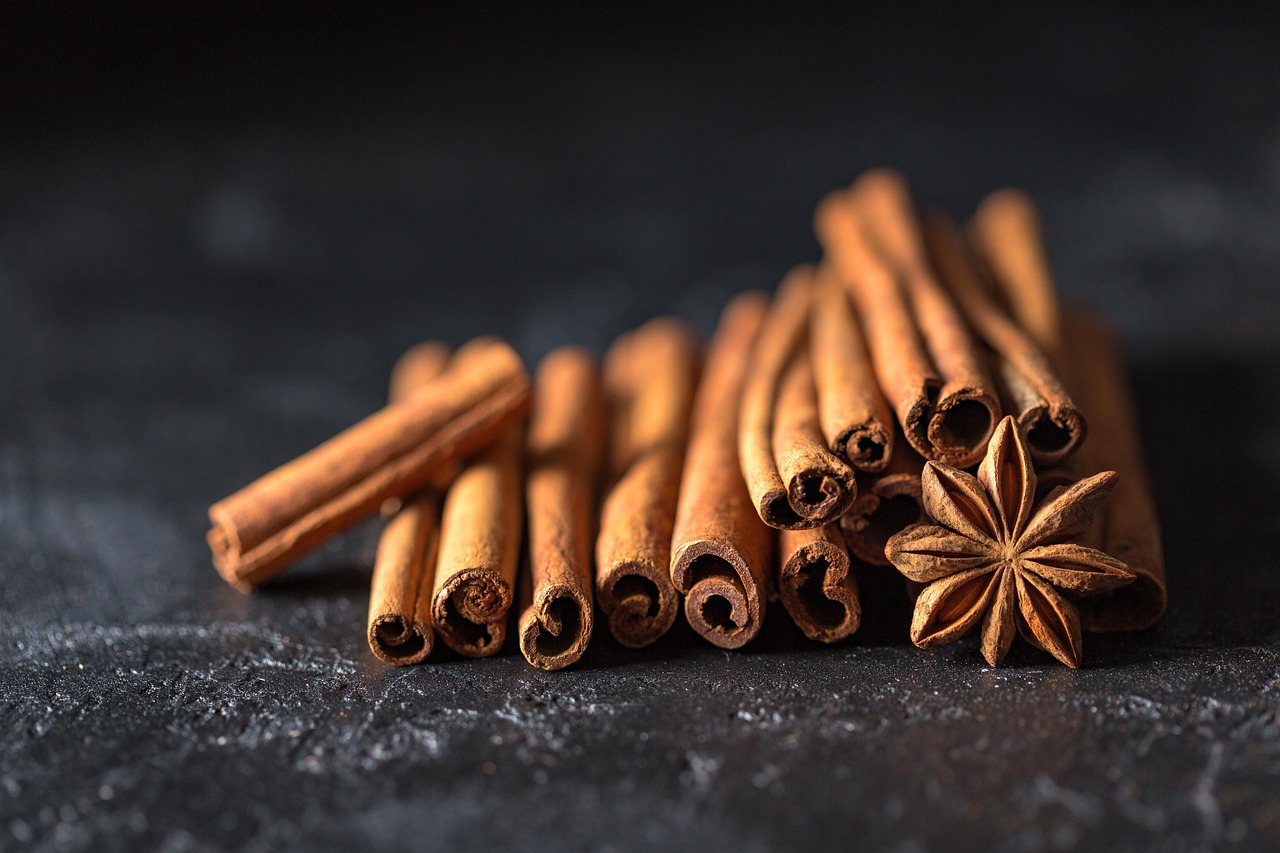
Star anise (Illicium verum) is a completely separate plant species from Pimpinella anisum. They belong to different plant families entirely. Star anise is native to southern China and northern Vietnam; common anise is Mediterranean in origin. Once again, both produce essential oils dominated by trans-anethole, which is why the scent profiles overlap so closely. But they are distinct botanical sources with different minor compound profiles.
In commercial contexts, this distinction matters quite a bit. Star anise oil is generally less expensive to produce, and some suppliers use it as a partial substitute for or adulterant in common anise oil. Evidence from gas chromatography analysis indicates that the two oils can be distinguished by their minor constituents even when the anethole content looks similar. A buyer relying on scent alone may not catch the substitution. Our article on how to spot pure anise oil: simple quality checks before you buy covers practical ways to check for this kind of adulteration.
Why the Myth Exists
The word "anise" appears in the common name of both plants. The spice trade has used the names interchangeably for centuries because the functional result in cooking is nearly identical. That historical overlap has carried forward into modern labeling, where "anise oil" on a product bottle does not always specify the botanical source.
Myth 3: Anise Oil Contains Alcohol Because of Its Association with Absinthe
The Myth
Absinthe, the famously strong spirit, is flavored with wormwood, anise, and fennel. Pastis, ouzo, sambuca, and arak all share that signature anise note. Because anise is so closely linked to alcoholic beverages, some people assume the essential oil itself contains alcohol or is somehow derived from a fermentation process.
The Truth
Anise essential oil is produced through steam distillation of the dried fruits of Pimpinella anisum. No fermentation is involved. No alcohol is present in the finished oil. The production process is the same as for most other seed-derived essential oils: plant material is loaded into a still, steam passes through it, volatile aromatic compounds are carried over with the steam, and the oil separates from the condensed water in a separator vessel.
The connection to absinthe and anise-flavored spirits is purely aromatic. Distillers use whole star anise, common anise seeds, or anise-flavored extracts to impart the characteristic flavor and aroma to their products. The essential oil itself is a concentrated aromatic extract, not a spirit or alcoholic product.
One phenomenon worth noting: pure anise essential oil solidifies at relatively cool room temperatures because of its high anethole content. Anethole melts at around 21 degrees Celsius (70 degrees Fahrenheit). If you open a bottle of anise oil in a cool environment and find it slightly crystallized or cloudy, that is not a sign of contamination or alcohol content. It is a sign of a high-purity oil with a dominant anethole fraction. Gentle warming between the palms will return it to liquid form.
Why the Myth Exists
The aromatic link between anise and spirits is so strong that many people encounter the scent primarily in an alcoholic context. That association is natural, but it does not reflect anything about the chemistry of the essential oil itself.
Myth 4: Anise Oil Is Primarily Valued for Internal Use
The Myth
Because anise seed has a long culinary and folk history, many people assume that the essential oil's main applications are internal, whether swallowed, added to food, or used in similar ways.
The Truth
Anise essential oil is highly concentrated. One kilogram of essential oil typically requires many kilograms of plant material. This concentration level means the oil is not the same as chewing on a handful of anise seeds or steeping them in water. The aromatic and cosmetic applications of anise oil are where the product genuinely shines, and those uses do not require ingestion at all.
In perfumery and soap making, anise oil functions as a sweet, spice-forward middle note that blends well with citrus top notes and warm base notes like benzoin or vanilla absolute. In candle and room fragrance applications, a small quantity goes a long way toward creating a bakery-warm atmosphere. Cosmetic formulators use it in balms, scrubs, and creams at carefully considered dilution levels for its distinctive scent character.
Some experienced formulators and perfumers have developed distinctive blends that showcase anise as a signature note. If you are interested in exploring those creative directions, our piece on 5 signature anise blends for soap, spice, and sweet shops offers practical starting points.
Why the Myth Exists
The culinary use of anise seed is ancient and widespread. Folk traditions around the world involve anise preparations taken internally. It is a short mental leap to assume the essential oil works the same way. But concentration changes everything, and reputable aromatherapy educators consistently emphasize the gap between whole-herb preparations and distilled essential oils.
Myth 5: All Anise Oils Smell Identical, So Brand and Source Do Not Matter
The Myth
If anise oil is mainly anethole, and anethole smells like anethole, then one bottle of anise oil should smell just like another. Source, distillation quality, and supplier reputation are irrelevant.
The Truth
Quality differences between anise oils are real and perceptible to a trained nose. While anethole dominates, the minor fraction of the oil contains compounds like estragole, pseudoisoeugenol, and various terpene hydrocarbons. The relative balance of these components shifts depending on the botanical source, the growing region, the harvest timing, and the distillation conditions. Research into the composition of Pimpinella anisum oils from different geographic origins shows meaningful variation in those minor fractions.
Adulteration is also a genuine issue in the essential oil market. Because star anise oil is less expensive than common anise oil, some suppliers blend the two without disclosure. Synthetic anethole is another possible adulterant. An oil that is mostly synthetic anethole in a carrier will smell recognizably like anise but will lack the complexity and character of a well-distilled whole oil.
Practically speaking, this means sourcing matters. A supplier who provides GC/MS (gas chromatography/mass spectrometry) reports for their batches, specifies the botanical name on the label, and identifies the country of origin is offering meaningful transparency. One who does none of those things is asking you to take quality on faith.
Why the Myth Exists
The scent of anise is so distinctive that low-quality and high-quality versions can fool a casual smell test. Unless you are comparing them side by side, the difference is easy to miss. And because many buyers encounter anise oil as a background ingredient rather than a featured note, they may never notice what they are missing.
A Few Final Points Worth Remembering
Anise oil myths tend to cluster around two things: botanical confusion and a tendency to conflate culinary tradition with concentrated aromatic extracts. Neither problem is hard to solve once you know what to look for.
Common anise (Pimpinella anisum), star anise (Illicium verum), and licorice root (Glycyrrhiza glabra) are three separate plants. They share an aroma because they share a key volatile compound, not because they are related. Anise essential oil contains no alcohol. Its solidification at cool temperatures is a quality indicator, not a flaw. And the gap between a high-purity, well-sourced anise oil and a synthetic or adulterated product is worth caring about if you are using the oil in cosmetic work, blending, or fine fragrance.
Good sourcing habits, a basic understanding of botanical names, and a willingness to ask suppliers for documentation will serve you well. The scent is genuinely beautiful. It deserves honest, well-informed use.