
Anise Oil vs Anise Extract: Strength, Uses, and Substitutions
Reach for the wrong bottle and your baking project (or your skin-care blend) will not turn out the way you planned. Anise oil and anise extract share the same sweet, licorice-forward scent, but they are very different products with different concentrations, different intended applications, and different safety profiles. This guide breaks down every meaningful distinction so you can shop, cook, and formulate with confidence.
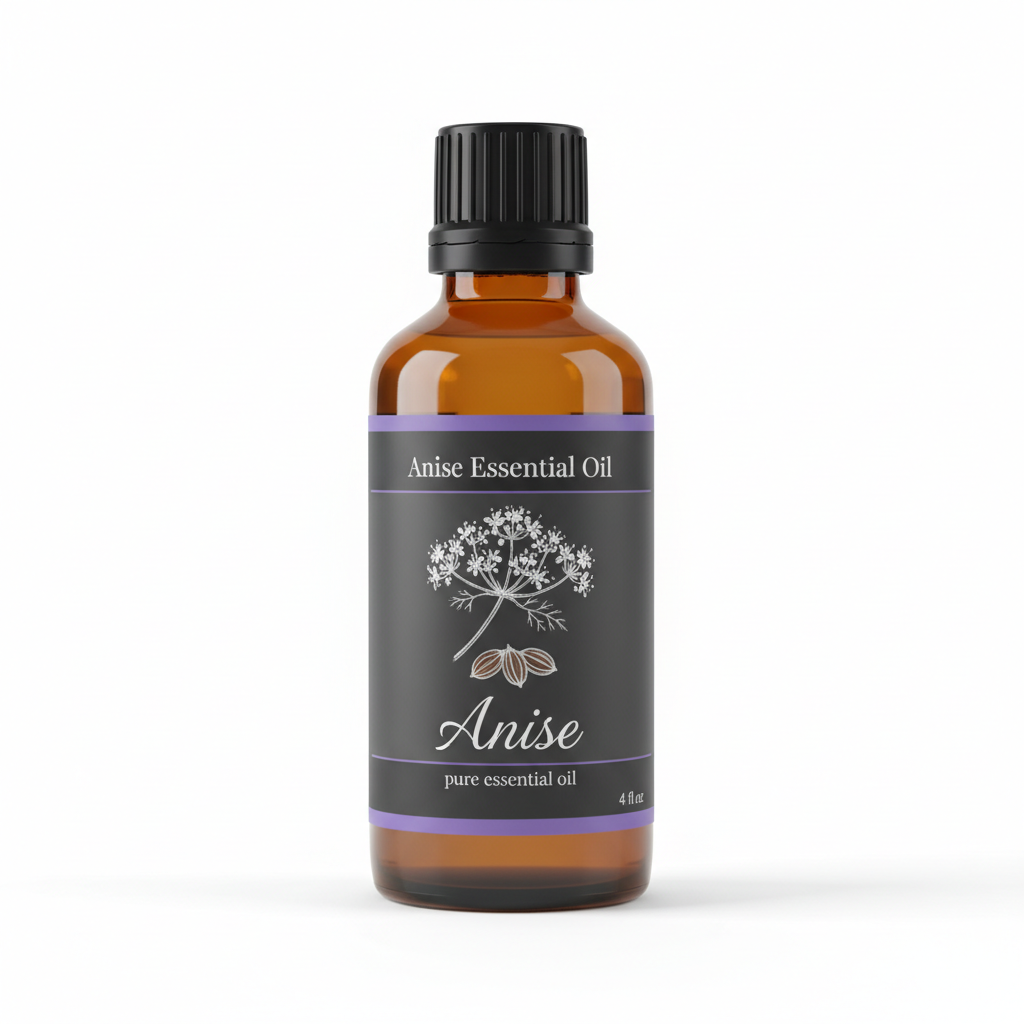
Anise Essential Oil
Our own Anise Essential Oil, in sizes from 0.5 oz to bulk.
From $8.99
Shop Now →What Are We Actually Comparing?
Before diving into a head-to-head, it helps to understand what each product is made of and why that matters.
Anise Essential Oil
Anise essential oil is produced by steam-distilling the seeds (technically fruits) of Pimpinella anisum, the plant most people simply call anise. The distillation process concentrates the volatile aromatic compounds, particularly trans-anethole, which can make up 80 to 95 percent of the finished oil. The result is an intensely aromatic liquid with no alcohol, no water, and no added carriers. For a deeper look at its botanical origins and composition, see our complete guide to anise essential oil.
Anise Extract
Anise extract is made by soaking anise seeds in a food-grade alcohol base (usually ethanol) and water, then straining out the plant material. The FDA requires that pure extracts sold in the United States contain at least 35 percent alcohol by volume. The flavor and aroma compounds dissolve into that alcohol solution, but the final concentration is far lower than what you find in an essential oil. Some budget products labeled "anise flavoring" skip the alcohol entirely and use propylene glycol instead. Check the label carefully.
Comparison at a Glance
| Attribute | Anise Essential Oil | Anise Extract |
|---|---|---|
| Primary production method | Steam distillation of seeds | Alcohol maceration of seeds |
| Anethole concentration | Very high (80 to 95%) | Low (diluted in alcohol solution) |
| Alcohol content | None | 35% or higher (in pure extracts) |
| Food safe as-is? | No, requires significant dilution | Yes, used drop-for-drop in recipes |
| Safe for skin? | Yes, when properly diluted (see safety notes below) | Generally not formulated for topical use |
| Diffusion use | Yes, compatible with standard diffusers | Not recommended for diffusers |
| Shelf life (sealed) | 2 to 3 years typical | 3 to 4 years typical |
| Typical bottle size | 5 ml to 15 ml | 1 oz to 4 oz |
| Price per unit | Higher per ml | Lower per bottle |
| Vegan | Yes | Usually yes (verify grain alcohol source) |
Strength and Concentration: The Most Important Difference
Concentration is the single biggest thing separating these two products. Anise essential oil is roughly 100 to 250 times more concentrated than a standard anise extract by most industry estimates. That gap has real consequences for how you use each one.
A baking recipe that calls for one teaspoon of anise extract would be completely overwhelmed by even a fraction of a teaspoon of the essential oil used at the same ratio. Conversely, if you tried to use extract in a diffuser blend, you would get almost no aromatic output because the volatile compounds are present in such small quantities relative to the water and alcohol base.
This concentration difference is also why anise essential oil demands respect as a material. Its potency is both its greatest strength and the reason it needs careful handling.
Anise Essential Oil: Pros and Cons
Pros
- Exceptional aromatic intensity. A few drops in a diffuser fills a room with a full, sweet, licorice-forward scent. The performance per drop is unmatched.
- Versatile across cosmetic and aromatic applications. Properly diluted, anise essential oil is used in perfumery, soap making, lip balms, massage blends, and hair care formulations.
- No alcohol or water base. This makes it easier to incorporate into oil-based cosmetic formulations without disrupting emulsions.
- Compact and travel-friendly. A 10 ml bottle contains hundreds of individual uses.
- Longer aromatic tenacity in blends. Because it is a pure volatile compound rather than a diluted solution, it tends to hold its character in blended products.
Cons
- Not food safe without significant expertise. The FDA recognizes anise essential oil as generally recognized as safe (GRAS) as a flavoring agent, but the required dilution rates are extremely small and easy to miscalculate at home. Most home cooks should not substitute it for extract.
- Requires proper dilution for any skin contact. Undiluted use can cause irritation. See our dilution and patch-testing guide before applying topically.
- Higher upfront cost per ml. Quality distilled oils cost more than a bottle of extract.
- Shorter window before oxidation begins. Exposure to air, heat, and light degrades the oil faster than alcohol-preserved extracts. Learn more about keeping your oil fresh in our shelf life and storage guide.
- Not appropriate around certain pets. Concentrated anethole can be problematic for cats and dogs. Keep diffusion spaces ventilated and pets able to leave the room.
Anise Extract: Pros and Cons
Pros
- Ready to use in food recipes. Drop it into cookie dough, cake batter, or a spiced syrup without any calculations or special equipment.
- Widely available. Almost every grocery store carries it in the baking aisle.
- Very forgiving. The low concentration means a small overpour is unlikely to ruin a dish.
- Longer shelf life when stored properly. The alcohol base acts as a preservative, giving extract a slight edge in longevity.
- Familiar and well-documented in culinary literature. Virtually every published recipe that calls for anise flavor was tested with extract, not essential oil.
Cons
- Not suitable for diffusers or cosmetic blends. The alcohol base is not designed for these applications and may irritate skin or produce an unpleasant off-note when heated.
- Flavor can fade during high-heat baking. Some of the volatile compounds escape during long oven times, which can result in a subtler finish than expected.
- Bulkier packaging for the same number of uses. A 2-ounce bottle of extract is much larger than the equivalent aromatic output of a small essential oil vial.
- Alcohol content rules it out for some dietary preferences. People who avoid alcohol for religious or personal reasons may want to seek out non-alcohol anise flavorings instead.
- Variable quality across brands. Some products labeled "anise extract" contain synthetic anethole rather than true seed-derived compounds. Reading ingredient lists carefully is worth the extra minute.
Substitution Ratios: When You Need to Swap One for the Other
Substituting these two products for each other is possible in some situations, but it requires careful math and common sense about where the substitution is appropriate.
Replacing Extract with Essential Oil in Food Contexts
This substitution is technically possible but generally not recommended for home kitchens. If a recipe calls for one teaspoon (approximately 5 ml) of anise extract, a rough starting point sometimes cited in culinary circles is one to two drops of food-grade anise essential oil, with the remaining volume made up by neutral oil or another appropriate carrier. However, drop sizes vary by dropper, and the margin for error is very small. The finished dish can go from pleasantly anise-scented to medicinal-tasting very quickly. If you have access to anise extract, use it. Reserve the essential oil for aromatic and cosmetic applications where it truly excels.
Replacing Essential Oil with Extract in Aromatic Contexts
This direction of substitution rarely makes sense. Extract simply does not have the aromatic concentration to perform well in a diffuser, a linen spray, or a perfume blend. You would need to use impractical quantities, the alcohol base would add an unwanted note, and the result would likely disappoint. If you are out of essential oil, the better move is to try a related oil (star anise essential oil, for example, has a very similar aroma profile) rather than reaching for the extract.
A Quick Reference Chart
| Scenario | Recommended Substitution | Notes |
|---|---|---|
| Out of extract for baking | Fennel extract or star anise extract at equal volume | Closest flavor match; avoid essential oil substitution |
| Out of essential oil for diffusion | Star anise essential oil or fennel essential oil | Very similar aroma profiles; adjust blend ratios to taste |
| Out of essential oil for cosmetic blending | Star anise essential oil | Check supplier's dilution guidelines; same safety precautions apply |
| Essential oil in a food recipe (professional context only) | 1 to 2 drops per 5 ml of extract called for | High risk of over-flavoring; not recommended for home use |
Best For: Recommendations by Use Case
Baking and Cooking
Use anise extract. It is calibrated for culinary use, alcohol-preserved for shelf stability, and virtually impossible to overdo in a single recipe. It belongs in your pantry alongside vanilla extract.
Home Diffusion and Atmosphere
Use anise essential oil. Its concentrated aroma is built for water-based and ultrasonic diffusers. A blend of three to four drops with complementary oils like sweet orange or clove creates a warm, spice-market atmosphere that extract simply cannot match.
DIY Skin-Care and Body Products
Use anise essential oil, properly diluted. Extract is not formulated for skin application. The essential oil, blended at an appropriate dilution (typically 0.5 to 1 percent in a finished product for most adults) can be incorporated into lip balms, lotions, and hair rinses. Always patch test first.
Soap and Candle Making
Use anise essential oil. Fragrance longevity in cold-process soap and candle wax requires concentrated aromatic compounds. Extract will not survive the saponification process or candle cure time with any meaningful scent throw.
Potpourri, Sachets, and Linen Sprays
Use anise essential oil. A few drops on dried botanicals or added to a water-and-witch-hazel spray base gives lasting, consistent fragrance.
Cocktails and Mocktails
Use anise extract. It disperses easily in liquid, is already food-safe at culinary volumes, and plays nicely with citrus and herbal flavor notes.
The Verdict
Anise essential oil and anise extract are not rivals. They are purpose-built products designed for different worlds. Choosing between them is less about which is better and more about what you are actually making.
If your project involves food, reach for the extract every time. It is safer, more predictable, and well-documented in cooking literature. If your project involves scent, atmosphere, or cosmetic formulation, the essential oil is the right choice because its concentration and purity allow it to perform in ways that a diluted alcohol extract never could.
The one case where confusion is most costly is trying to use essential oil as a drop-in replacement for extract in recipes at home. The concentration gap is wide enough that this substitution should be left to professional food scientists with proper measuring equipment. For everyone else, keeping both products on the shelf and using each one in its rightful domain is the simplest and safest path forward.
Quality matters for both. Seek out pure anise extract made from real seeds with no synthetic additives, and source your essential oil from a supplier who provides GC/MS testing data and clear country-of-origin information. Good materials make better results, whether you are pulling a tray of springerle cookies from the oven or filling a diffuser for a slow weekend morning.