
Does Anise Oil Go Bad? Storage and Shelf Life Explained
You found an old bottle of anise essential oil tucked behind your diffuser supplies. The cap is still sealed, but you are not sure how long it has been sitting there. Does anise oil go bad? Can you still use it safely? These are questions every essential oil user runs into eventually, and the answers matter more than you might expect.
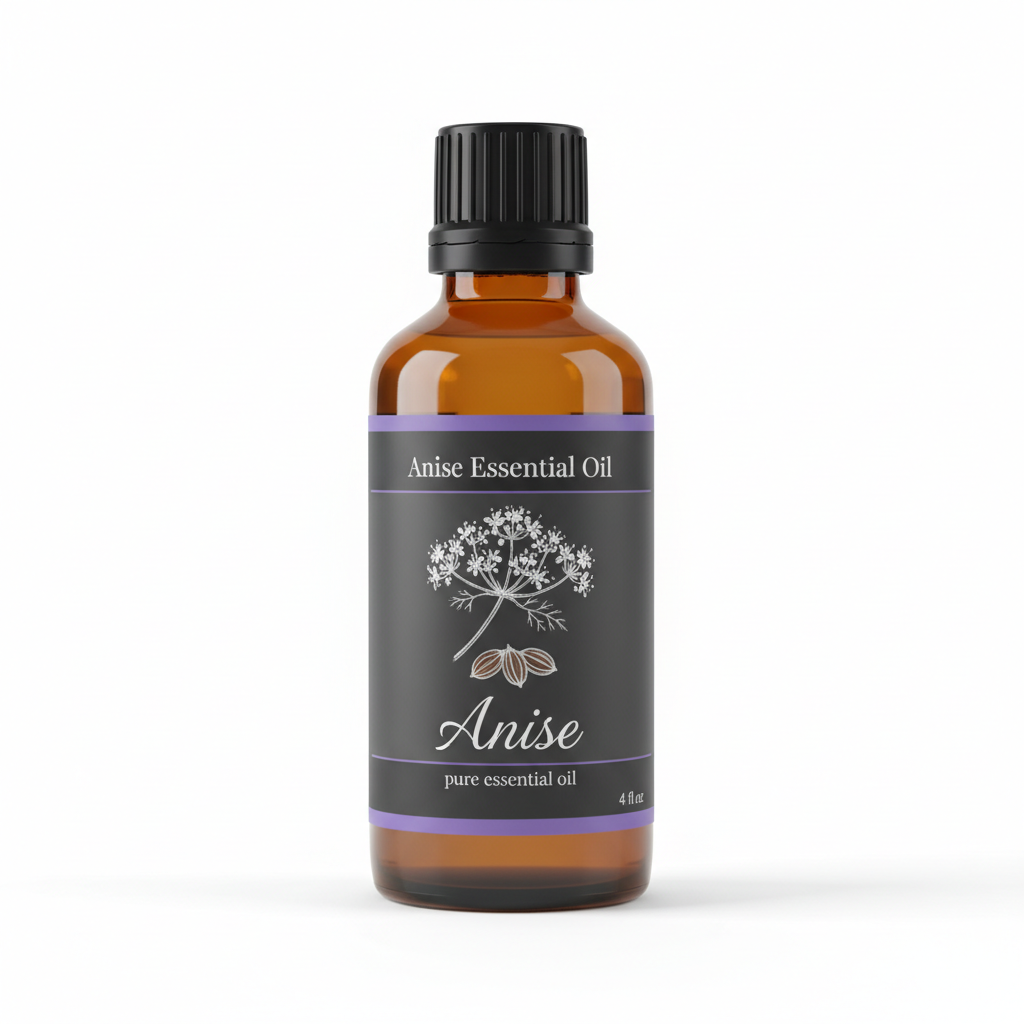
Anise Essential Oil
Our own Anise Essential Oil, in sizes from 0.5 oz to bulk.
From $8.99
Shop Now →This page walks through the most common questions about anise oil shelf life and how to store anise oil so your bottles stay in the best possible condition from the day you open them to the day you use the last drop. Questions are grouped by theme so you can jump straight to what you need.
The Basics: Oxidation, Freshness, and Why It Matters
1. Does anise oil go bad?
Yes, anise essential oil does go bad over time, primarily through a process called oxidation. When the oil is exposed to oxygen, light, or heat, its chemical compounds begin to break down and shift. The oil does not spoil the way food does, but its aromatic quality and safety profile change noticeably once significant oxidation has occurred.
2. What is oxidation, and why does it affect essential oils?
Oxidation is a chemical reaction that happens when molecules in the oil interact with oxygen in the air. For anise oil, which is rich in trans-anethole, this process gradually alters the compound's structure. The result is an oil that smells sharper or more medicinal than it did when fresh, and one that may be more likely to cause skin sensitivity in topical applications.
3. What is the typical anise oil shelf life?
A properly stored, unopened bottle of anise essential oil generally stays at peak quality for two to three years from the distillation date. Once opened, most quality-conscious aromatherapists suggest using it within one to two years, assuming good storage habits. Shelf life can vary depending on the quality of the oil, the type of container it is in, and how consistently cool and dark the storage environment is.
4. Does anise oil last longer than other essential oils?
Anise oil has a moderate shelf life compared to the full range of essential oils. Resins and roots like patchouli or vetiver can last five or more years; citrus oils are notoriously short-lived, often oxidizing within six to twelve months of opening. Anise sits comfortably in the middle, roughly on par with lavender and eucalyptus when stored correctly.
Signs Your Anise Oil Has Gone Off
5. How can I tell if my anise oil has oxidized?
The most reliable indicator is the scent. Fresh anise oil has a clean, warm, sweetly licorice-like aroma with a faintly spicy edge. Oxidized anise oil tends to smell harsh, flat, or vaguely chemical. If the scent makes you want to pull the bottle away rather than lean in, that is a strong signal the oil has deteriorated.
6. Does anise oil change color when it goes bad?
It can. Fresh anise essential oil is typically colorless to very pale yellow. Over time, especially with light or heat exposure, it may develop a deeper yellow or amber tint. Color alone is not a definitive test, since some natural variation exists between batches and distillers, but a noticeably darkened oil combined with an off scent is a reliable sign of degradation.
7. Can anise oil solidify in the bottle?
Yes, and this is actually a normal characteristic of high-anethole oils rather than a sign of spoilage. Because trans-anethole has a melting point just below room temperature (around 20 to 21 degrees Celsius), genuine anise oil can become partially or fully solid in cool rooms or during winter. Warming the bottle gently in your hands or placing it in a bowl of warm water should return it to liquid form with no loss of quality.
8. Is it safe to use anise oil that has oxidized?
Oxidized essential oils are generally not recommended for skin application, as degraded compounds are more likely to cause sensitivity reactions in some people. For diffusing in a well-ventilated space, a mildly oxidized oil poses less concern, though the aromatic experience will be noticeably less pleasant. When in doubt, it is always sensible to replace the bottle and consult a qualified aromatherapy professional if you have specific concerns.
How to Store Anise Oil the Right Way
9. What is the best way to store anise oil?
The three factors that matter most are darkness, consistent cool temperature, and minimal air exposure. Store your anise oil in a dark amber or cobalt glass bottle, in a drawer or cabinet away from windows and stoves. A consistent temperature between 15 and 20 degrees Celsius is ideal. Avoid placing it anywhere that experiences temperature swings, such as near a heating vent or in a bathroom with a hot shower.
10. Should I refrigerate anise essential oil?
Refrigeration is an option many dedicated aromatherapy users choose for their collection, and it can extend shelf life by slowing oxidation. The trade-off with anise oil specifically is that it will likely solidify in a standard refrigerator, so you will need to warm the bottle before each use. If you go this route, place the oil in a sealed bag to prevent it from picking up food odors, and let it reach room temperature gradually rather than using direct heat.
11. Does the type of bottle matter for storage?
Absolutely. Dark glass (amber, cobalt, or violet) blocks the UV wavelengths that accelerate oxidation. Clear glass provides no such protection, so oils in clear bottles degrade faster when exposed to any light source. Plastic bottles are not recommended for long-term storage since essential oils can leach compounds from certain plastics, which contaminates the oil and may compromise the container itself.
12. How does air exposure affect anise oil shelf life?
Every time you open the cap, a small amount of oxygen enters the bottle and begins interacting with the oil. This cumulative exposure is one of the main drivers of oxidation. Good habits that help: always replace the cap immediately after use, avoid leaving the bottle open while you work, and consider transferring the oil into a smaller bottle as the original empties so there is less headspace (air) above the liquid.
13. Can I use an antioxidant to extend anise oil's shelf life?
Some experienced formulators add a small amount of vitamin E oil (tocopherol) to their essential oil blends or diluted products to slow oxidation of the carrier oil component. For a neat (undiluted) essential oil like anise, this approach is less standard and may affect the purity of the oil. If you are creating a finished cosmetic product that includes anise oil, working with a trained cosmetic chemist is the best path to a well-preserved formula.
Buying Smart: Dates, Sourcing, and Quality
14. What date should I look for on an anise oil bottle?
Look for a distillation or batch date rather than just a "best by" date. The distillation date tells you exactly how old the oil is from the source, whereas a best-by date is set at the supplier's discretion and may not reflect actual oil age. Reputable suppliers typically print or provide batch codes that allow you to trace the oil's origins and production date. For a deeper look at quality indicators, see our guide on what anise oil is and how it is made.
15. Does the quality of the oil affect how long it lasts?
Yes, significantly. An adulterated oil (one that has been diluted with a carrier oil or blended with synthetic anethole) may oxidize faster and differently than a pure, unadulterated steam-distilled anise oil. Reputable suppliers provide gas chromatography and mass spectrometry (GC/MS) reports, which confirm that the oil's chemical profile is consistent with genuine Pimpinella anisum or Illicium verum distillate. Buying from a transparent supplier is one of the best long-term investments you can make for your collection.
16. Is star anise oil the same as anise oil for storage purposes?
The two oils come from different botanical sources (anise is from Pimpinella anisum seeds; star anise is from Illicium verum fruit) but both are dominated by trans-anethole and behave very similarly in storage. Both will solidify in cool temperatures, both are sensitive to light and heat, and both carry a comparable shelf life under the same storage conditions. For label clarity, always confirm which species your bottle contains.
Everyday Use and Common Slip-Ups
17. I left my anise oil in the car. Is it ruined?
A single incident of heat exposure will not necessarily ruin the oil, but it does accelerate aging. If the oil was in a hot car for several hours, smell it carefully once it has cooled to room temperature. If the scent still reads as clean, sweet, and characteristically anise-like, the oil is likely still usable for diffusing. For topical application in a cosmetic blend, it would be wise to be more cautious and consider replacing it.
18. Can I store anise oil blends differently from the neat oil?
Blends that combine anise oil with a carrier oil (such as jojoba or fractionated coconut oil) have a shorter useful life than the neat essential oil alone, because carrier oils have their own oxidation timelines. A carrier-diluted blend is typically best used within six to twelve months. Store the blend in a dark glass bottle in a cool place, and perform a simple patch test before each new application session, since both components can change over time. Our guide to dilution and patch testing covers this in full.
19. Does the dropper insert in my bottle affect shelf life?
Orifice reducer inserts (the small plastic or euro dropper pieces in most essential oil bottles) can trap residue around the opening and may not seal as tightly as a plain screw cap. For long-term storage of a bottle you are not using frequently, some people prefer to remove the orifice reducer and store the bottle with just the cap. If you do remove it, use a clean dropper or pipette when measuring the oil to avoid contamination.
20. My bottle smells fine but looks cloudy. What is happening?
Cloudiness in anise oil is most often caused by partial solidification of trans-anethole rather than contamination. This is especially common in bottles that have been stored in a slightly cool environment or that have been moved between temperatures. Gently warm the bottle to around 25 degrees Celsius and the cloudiness should clear. If cloudiness persists at room temperature and is accompanied by a changed scent, it is worth replacing the bottle.
21. How should I dispose of old anise oil?
Do not pour large amounts of essential oil down the drain, as concentrated essential oils can be harmful to aquatic environments. A small quantity can be absorbed onto an old cloth or paper towel and disposed of in your household waste. Many areas also have household hazardous waste drop-off programs that accept essential oils. Check your local municipality's guidelines for the most responsible option in your area.
Anise Oil and Related Varieties
22. Does anise hyssop essential oil have the same shelf life as anise oil?
Anise hyssop essential oil comes from an entirely different plant (Agastache foeniculum) with a different chemical profile, and its shelf life and storage behavior differ from true anise oil. Anise hyssop is richer in methyl chavicol and linalool rather than anethole, which means it does not solidify in cool temperatures the way anise oil does. For a full breakdown of what sets this oil apart, our article on anise hyssop essential oil is a good next read.
23. Can expired anise oil still be used in potpourri or sachets?
Mildly aged anise oil that is past its prime for skin application can still have some residual scent value for non-contact uses like potpourri, drawer sachets, or refreshing dried botanicals. The aromatic profile will be less vibrant than fresh oil, but for a low-stakes fragrance project, it is a reasonable way to use up a bottle before disposing of it. Avoid using any essential oil, regardless of age, in applications where it will directly contact skin without proper dilution and a current patch test.
24. How does anise oil's anethole content relate to its shelf life?
The high concentration of trans-anethole (typically 80 to 90 percent of the oil's composition) is both what makes anise oil distinctive and what governs much of its storage behavior. Anethole itself is relatively stable compared to more volatile terpene-heavy oils like citrus, which is one reason anise oil has a longer shelf life than many light, fresh-smelling oils. However, when anethole does oxidize, the byproducts can be more irritating than the parent compound, making proper storage genuinely worth the effort.
Quick Reference: Anise Oil Shelf Life at a Glance
| Scenario | Expected Useful Life | Key Notes |
|---|---|---|
| Unopened, ideal storage (dark, cool, sealed) | 2 to 3 years from distillation | Check distillation date on purchase |
| Opened, ideal storage | 1 to 2 years | Minimize air exposure; use smaller bottles as oil depletes |
| Opened, refrigerated (in sealed bag) | Up to 2 to 3 years | Will solidify; warm gently before use |
| Diluted in carrier oil blend | 6 to 12 months | Carrier oil shelf life becomes the limiting factor |
| Exposed to heat or light (e.g., left in a car or windowsill) | Significantly reduced | Assess by scent; use with caution for topical blends |
A good sniff test is still your most reliable quality check. If the scent is clean, warm, and sweetly spiced, the oil is in good shape. If it smells sharp, flat, or off, trust your nose and replace the bottle.
Caring for your anise oil collection does not require elaborate equipment. A dark cabinet, a consistent temperature, and the habit of replacing the cap immediately after use will take you a long way. For more on the oil itself, including botanical origins and scent profile, visit our full guide to what anise oil is. If you are ready to start blending, our safety and dilution overview covers everything you need before your first application.