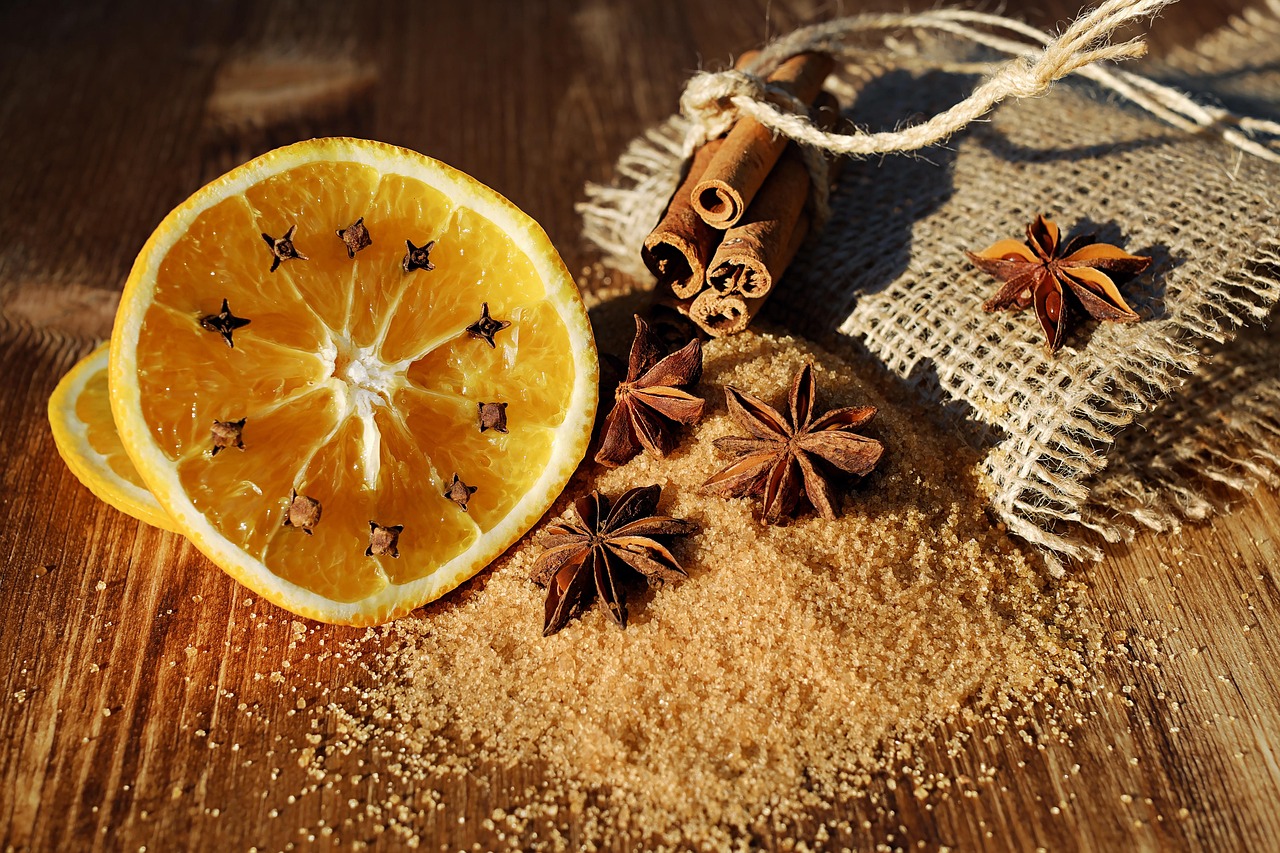
Buying Star Anise Essential Oil: Quality Markers and Price Guide
Star anise essential oil has a reputation that precedes it. That deep, spiced-sweetness, rich with the aromatic compound anethole, makes it one of the more distinctive oils on any shelf. But the same potency that makes it so appealing also makes quality differences easy to detect once you know what to look for. Before you buy anise star essential oil for the first time (or upgrade what you already have), this guide will walk you through every marker that separates a worthwhile bottle from a disappointing one.
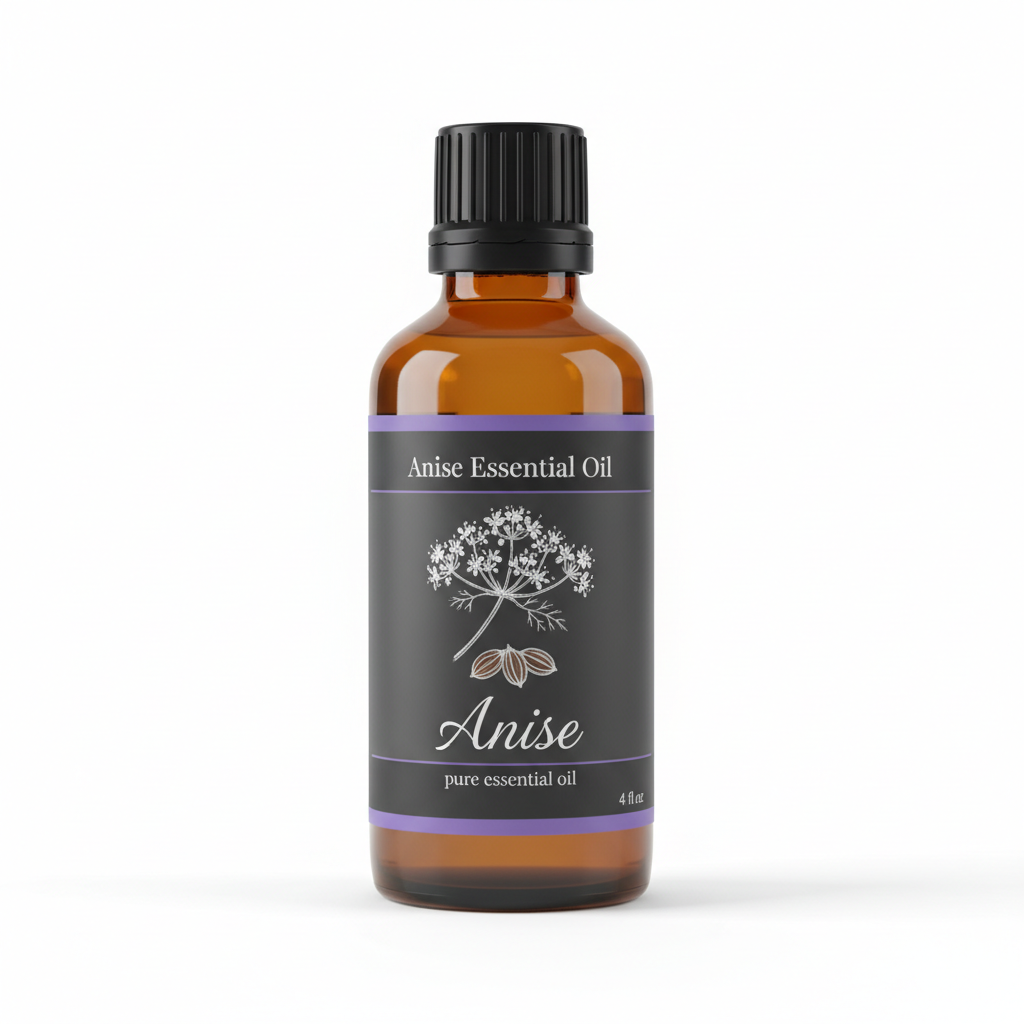
Anise Essential Oil
Our own Anise Essential Oil, in sizes from 0.5 oz to bulk.
From $8.99
Shop Now →What Is Star Anise Essential Oil, Exactly?
Star anise essential oil is steam-distilled from the dried fruits and seeds of Illicium verum, a small evergreen tree native to southern China and northern Vietnam. It is a different plant from common anise (Pimpinella anisum), though both share anethole as the dominant aromatic compound and therefore smell remarkably similar.
Because of that chemical overlap, some products marketed as "anise oil" are actually steam-distilled from common anise or even fennel. These are not necessarily inferior, but they are different products. When you specifically want Illicium verum, check the Latin name on the label. For a fuller picture of why anethole drives so much of the scent profile and how the chemistry plays out between species, see our deep-dive on the chemistry of anise oil: anethole, linalool, and sweetness.
Quality Markers: What to Look For
1. Latin Name and Country of Origin
A reputable supplier lists both. For star anise, you want Illicium verum and origin listed as China or Vietnam. Generic labels that simply say "anise oil" or "aniseed oil" with no Latin name should prompt more research before you purchase.
2. Extraction Method
Steam distillation is the standard for star anise. It preserves the full aromatic character without residual solvents. Some budget products use solvent extraction or are partially reconstituted with synthetic anethole. The resulting scent is flatter and occasionally has an off-chemical note beneath the sweetness. Ask the supplier or check the product spec sheet if you are unsure.
3. GC/MS Testing
Gas chromatography/mass spectrometry analysis is the industry benchmark for verifying that an oil is what the label claims. A proper GC/MS report for star anise essential oil will show anethole content typically ranging from 75% to over 90%, with supporting compounds like foeniculin, methyl chavicol, and limonene. If a company does not publish these reports or refuses to share them on request, consider that a signal to look elsewhere.
Many established brands post batch-specific GC/MS reports directly on their websites. This transparency is one of the clearest quality signals in the industry.
4. Packaging and Light Protection
Star anise oil should come in a dark glass bottle, either amber or cobalt blue. Clear glass allows ultraviolet light to degrade the volatile compounds over time. Plastic bottles are a red flag at any price point; anethole can interact with certain plastics, compromising both the oil and the container.
5. Scent Profile
A quality star anise oil smells bright, warm, and intensely licorice-sweet with a slightly spicy dry-down. There should be no harsh chemical top note, no plasticky undertone, and no flat or one-dimensional sweetness. If you have the option to smell before you buy (at a natural foods store or from a supplier that sells samples), do it. Fresh, high-quality oil has an almost luminous quality to its scent.
Key Features to Compare When Shopping
| Feature | What to Look For | Red Flag |
|---|---|---|
| Latin name on label | Illicium verum | No Latin name listed |
| GC/MS report available | Batch-specific, accessible online or on request | Not available or only a generic spec sheet |
| Extraction method | Steam distilled | "Fragrance oil" or "nature identical" |
| Packaging | Dark glass, orifice reducer, tight seal | Clear glass, plastic bottle |
| Country of origin | China or Vietnam, clearly stated | Origin unlisted |
| Anethole content | 75% to 93% range typical | No constituent data provided |
| Batch or lot number | Present on bottle or box | No traceability information |
Star Anise Oil Price: What to Expect at Each Tier
The star anise oil price you see in the market reflects a combination of sourcing transparency, testing overhead, and bottle size. Here is a practical breakdown by tier.
Budget Tier: Under $10 for 10 ml
Oils in this range are widely available on large marketplaces and in discount health stores. Some are perfectly acceptable for diffusing in a large space where pure aromatic character is less critical. Others are adulterated or diluted with carrier oils without disclosure. At this price, scrutinize labeling carefully. Look for the Latin name and at minimum a general purity claim. Avoid anything described only as "fragrance oil" or "blend."
Common brands in this tier: generic marketplace imports, store-brand offerings from national pharmacy chains.
Mid-Range Tier: $10 to $25 for 10 ml
This is where most reputable single-brand essential oil companies operate. You are paying for consistent sourcing, batch testing, and better customer support. GC/MS reports are commonly available. Packaging quality improves noticeably. This tier is appropriate for most cosmetic formulations, candle and soap making, and personal aromatics use.
Well-regarded names in this space include Plant Therapy, Rocky Mountain Oils, and Edens Garden. Each publishes testing data and maintains clear return policies.
Premium Tier: $25 and Above for 10 ml
Premium pricing reflects either certified organic sourcing, single-origin traceability to a specific farm or cooperative, or particularly high anethole purity. Some specialty suppliers in this tier work directly with distillers in Vietnam and can provide harvest-year documentation alongside GC/MS data.
For perfumers or cosmetic formulators who need consistent lot-to-lot reproducibility, the premium tier is worth the investment. For casual diffusing, it may be more than necessary.
Suppliers like Tisserand, Florihana, and smaller artisan-focused importers operate in this range.
Top Picks at a Glance
Best for Everyday Diffusing
Plant Therapy Star Anise Essential Oil (approx. $8 to $12 for 10 ml). Solid GC/MS data, accessible pricing, Latin name confirmed on label. A dependable starting point.
Best for Cosmetic Formulation
Rocky Mountain Oils Star Anise (approx. $14 to $18 for 10 ml). Batch-specific reports posted online. Consistent anethole range. Good packaging with a built-in orifice reducer for precise measuring.
Best for Serious Sourcing
Florihana Organic Star Anise (approx. $22 to $30 for 10 ml). Certified organic, farm-traceable, detailed constituent breakdown. Best choice when sourcing integrity matters most to your formulation or personal practice.
Red Flags to Avoid
- "Fragrance oil" or "perfume oil" labeling. These are not essential oils. They are synthetic or semi-synthetic aromatic compounds and should not be used the same way.
- Unusually low prices with no documentation. A 10 ml bottle priced below $4 with no GC/MS data and no Latin name is almost certainly adulterated or mislabeled.
- Inflated "compare at" pricing. Some sellers list fabricated original prices to make discounts look significant. Focus on the absolute price and the documentation quality, not the markdown percentage.
- No lot number or batch code. Traceability is a basic quality standard. If there is no way to trace a bottle back to a tested batch, the quality claims are impossible to verify.
- Claims that seem too broad. Any seller making sweeping claims about what their oil addresses or removes is likely not operating with appropriate care. It is a reliable indicator that quality controls in other areas may be equally lax.
Star Anise Essential Oil Uses: What You Are Actually Buying This For
Understanding common star anise essential oil uses helps you match quality tier to application. You do not need the same oil for every purpose.
Aromatic and Diffusing Use
Star anise diffuses beautifully in cooler months. Its warm, spiced-sweet character pairs well with cedarwood, clove bud, and sweet orange. For diffusing, mid-range quality is more than sufficient. The nuance between a $12 oil and a $28 oil is far less detectable at diffuser concentrations.
Cosmetic Formulation
In lip balms, hair serums, and body scrubs, star anise oil contributes a warm aromatic note. Formulators should work at appropriate dilution ratios and conduct patch testing before finalizing any product destined for skin contact. For this application, GC/MS-verified mid-range or premium oils are worthwhile because consistency matters across batches.
Candle and Soap Making
Star anise holds reasonably well in cold-process soap and soy wax candles. Budget to mid-range oils work fine here. Be aware that some of the top-note brightness will be lost in hot-process applications; a higher anethole percentage helps maintain scent character through processing.
Blending and Perfumery
In natural perfumery, star anise functions as a middle-to-base bridge note. Its sweetness softens spicier components and adds depth to gourmand-style compositions. Perfumers generally prefer premium, lot-consistent oils for reproducibility.
For a fuller discussion of how this oil fits into broader aromatic traditions (including the relationship to absinthe and licorice candy that seems to confuse a lot of shoppers), the article on anise oil myths: licorice, absinthe, and what is actually true is a good read before you commit to a direction.
Where to Buy Star Anise Essential Oil
Direct from the Brand Website
Purchasing from a brand's own site gives you the most reliable access to GC/MS reports and lot-specific data. Returns and customer service are also easier to navigate. This is the recommended approach for first purchases from any unfamiliar supplier.
Established Natural Retailers
Stores like Whole Foods, Natural Grocers, and similar retailers carry a curated selection. Buying in person lets you examine packaging before committing. Prices are sometimes higher than buying direct, but the curation filters out the most egregious low-quality imports.
Online Marketplaces
Large platforms like Amazon carry both reputable brands and unverifiable imports, sometimes side by side. If you shop here, search by the brand name directly rather than by generic product terms. Verify that the listing is sold by the brand itself or an authorized retailer, not a third-party reseller with no stated source.
Specialty Aromatics Suppliers
For formulators and professionals, suppliers like Brambleberry, Wholesale Botanics, and New Directions Aromatics offer bulk pricing, detailed sourcing documentation, and volume discounts. These are excellent options when you need more than a few bottles per year.
A Note on Dilution and Safe Use
Star anise essential oil is potent. Its high anethole content means it should always be diluted appropriately before skin contact. A standard cosmetic dilution of 1% or less is a reasonable starting point for leave-on products. A patch test on a small area of skin 24 hours before full application is a practical precaution for any new oil or formulation.
Certain populations, including people who are pregnant, nursing, or managing specific health situations, should consult a qualified healthcare provider before incorporating any new essential oil into their routines. This is not a precaution unique to star anise; it applies across the category.
For a broader discussion of how to evaluate purity, read documentation, and make confident purchases across the anise oil category, the guide on how to buy anise oil: quality, purity, and where to find it covers the full landscape in useful detail.
Making the Call
The best bottle of star anise essential oil is the one that matches your actual use case with an appropriate level of sourcing documentation. Diffusing in the kitchen on a November afternoon? A solid mid-range oil with a GC/MS report is all you need. Formulating a lip balm line for retail? Go premium, go organic if it matters to your brand, and always verify lot-to-lot consistency before scaling up.
The sweet, spiced warmth of a quality star anise oil is genuinely hard to replicate with anything synthetic. That character is worth spending a few extra dollars to protect. Know the markers, read the labels, and shop from brands that are transparent enough to show you exactly what is in the bottle.