
How Anise Oil Is Made: Steam Distilling Seeds at Home and at Scale
Anise has one of the most recognizable scents in the spice world. Sweet, slightly warm, with that unmistakable licorice-like character that lingers long after the bottle is opened. But how does that fragrance go from a tiny seed to the concentrated essential oil sitting on your shelf? The process is equal parts science and craft, and it is more accessible than most people expect.
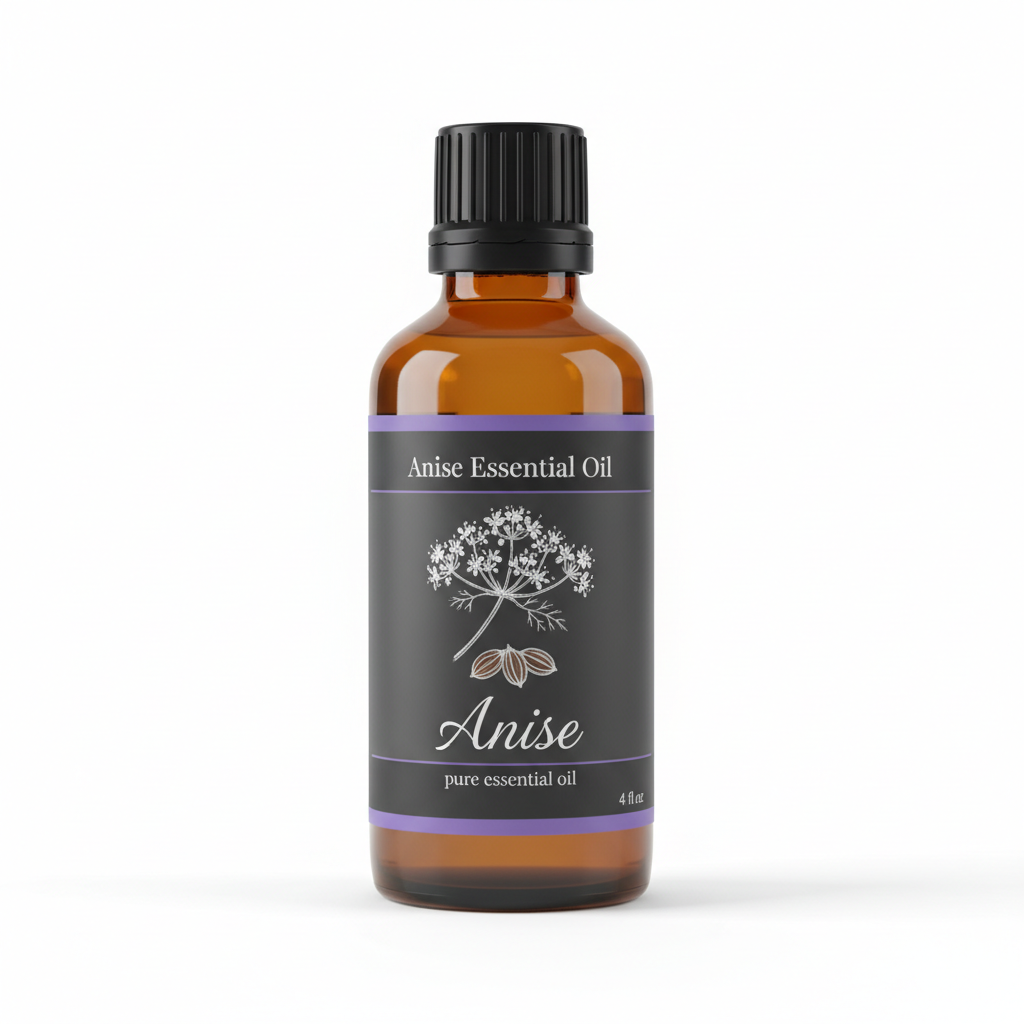
Anise Essential Oil
Our own Anise Essential Oil, in sizes from 0.5 oz to bulk.
From $8.99
Shop Now →This guide walks through the full picture: what anise oil actually is, how commercial producers distill it at scale, and how you can experiment with both steam distillation and carrier-based infusion at home. Whether you are a curious aromatics enthusiast or someone eyeing a small-batch production setup, you will find practical, honest information here.
What You Are Actually Making
Before diving into the how, a quick clarification on terminology is worth your time. Anise essential oil and anise-infused oil are two distinct products made by two different processes. True essential oil is produced by steam distillation, which captures the plant's volatile aromatic compounds in concentrated form. An infused oil is made by soaking plant material in a carrier oil, which pulls out some aromatic and fat-soluble compounds but is far less concentrated and not technically an essential oil.
Both have legitimate cosmetic and aromatic uses. This article covers both methods. If you want to understand the broader differences between anise oil products, the piece on anise oil vs. anise extract is a helpful companion read.
It is also worth noting that anise (Pimpinella anisum) and star anise (Illicium verum) are botanically unrelated plants that produce oils with a similar aroma profile. Their distillation methods differ slightly. For a deeper look at how they compare, see anise vs. star anise oil.
The Science Behind Anise Oil Distillation
The key aromatic compound in anise essential oil is trans-anethole, which typically makes up 80 to 90 percent of the oil's composition. This compound is what gives anise its sweet, fennel-adjacent character. Steam distillation works by passing water vapor through the plant material. The vapor carries volatile aromatic molecules with it. When that steam is cooled and condensed, the water and the essential oil separate naturally due to differences in density. The oil floats on top and is collected.
Anise seeds contain roughly 2 to 3 percent essential oil by weight on average, though this varies significantly based on growing region, harvest timing, and seed quality. This is why commercial production requires large quantities of raw material to yield meaningful volumes of oil.
Commercial-Scale Anise Oil Distillation
At the commercial level, anise oil distillation follows a well-established process. Understanding it gives helpful context even if you are only planning a kitchen-scale experiment.
How Producers Source and Prepare the Seeds
Reputable commercial producers source anise seeds from primary growing regions, which include Egypt, Turkey, Spain, and parts of the Balkans. Harvest timing matters considerably. Seeds collected at peak maturity carry a higher concentration of volatile compounds. After harvest, seeds are typically dried to reduce moisture content before distillation, which improves yield and reduces the risk of spoilage during processing.
Many producers lightly mill or crush the seeds before loading them into the still. Crushing breaks the seed coat and exposes more surface area to the steam, which improves extraction efficiency without requiring significantly longer run times.
The Distillation Process at Scale
Commercial stills used for anise oil range from a few hundred liters to several thousand liters in capacity. The general process runs as follows:
- Load the still. Crushed anise seeds are packed into the distillation chamber. The chamber is sealed.
- Introduce steam. Live steam (generated externally or via a built-in boiler) is pushed through the seed bed at controlled pressure and temperature, typically just above 100 degrees Celsius at standard pressure.
- Collect the distillate. Steam carrying aromatic molecules travels through a condensation coil cooled by water. The vapor becomes liquid again as it cools.
- Separate the oil. The condensed liquid flows into a Florentine flask or separator, where anise oil rises to the top of the water layer (the hydrosol). The oil is drawn off from the top.
- Store and test. Collected oil is moved to sealed containers and tested for purity, aroma profile, and major constituent percentages before being packaged or sold for further use.
A typical commercial run produces oil that tests at 80 percent or higher trans-anethole content. Quality producers will share gas chromatography (GC) reports on request, which is one of the most reliable signals of sourcing integrity.
DIY Anise Oil Distillation at Home
Home distillation of essential oils is entirely possible with the right equipment and realistic expectations. The yield will be small. A standard home distillation run with anise seeds might produce a few milliliters of oil from several hundred grams of seed material. But the process is deeply satisfying and gives you genuine insight into how aromatic oils are produced.
Materials You Will Need
- Whole or lightly crushed anise seeds: 300 to 500 grams as a starting quantity
- A small copper or stainless-steel distillation kit (sold by various laboratory and craft distillation suppliers; look for kits designed specifically for essential oil production, not alcohol distillation, as the two have different legal and safety considerations)
- Heat source: a hot plate with temperature control is preferable to an open flame
- Cooling water supply for the condenser
- Collection vials or small glass jars, cleaned and dry
- A separatory funnel or small pipette for separating oil from hydrosol
- A notebook for recording your process and results
Step-by-Step Home Distillation
- Prepare your seeds. Use a mortar and pestle or a spice grinder set to a coarse grind to lightly crush your anise seeds. You want them broken open, not ground to a powder. Powder can compact in the still chamber and reduce steam flow.
- Load the distillation flask. Add your crushed seeds to the flask. Cover them with distilled water. The ratio is generally around 1 part seeds to 3 to 4 parts water by volume, though your equipment instructions may specify differently. Do not overfill the flask.
- Assemble the apparatus. Connect the distillation flask to your condenser according to your equipment manual. Ensure all joints are properly sealed. Set up your collection flask at the output end.
- Begin heating slowly. Bring the water to a simmer over your heat source. Do not rush this stage. A controlled, gentle heat produces a steadier flow of aromatic vapor than aggressive boiling, which can cause the water and seeds to spatter into the condenser and contaminate the distillate.
- Run and collect. As the distillate begins dripping into your collection flask, you will notice the liquid appears milky or emulsified at first. This is normal. Over time, a thin layer of oil should begin accumulating on the surface. Collect the first distillate that comes through (called the heads) separately from the main run, as it can contain lighter, less desirable compounds.
- Separate oil from hydrosol. Once your run is complete, transfer the collected distillate to a separatory funnel if you have one. Allow it to sit undisturbed for several hours. The anise oil, being lighter than water, will collect at the top. Draw off the water layer from the bottom, or carefully pipette the oil from the top.
- Store properly. Transfer your collected anise oil to a small dark glass vial. Label it with the date, seed source, and quantity of seed used. Store in a cool, dark location. Properly stored anise oil retains its aromatic quality for two to three years.
Common Mistakes to Avoid
- Using uncrushed seeds. Whole seeds have a hard outer coat that dramatically reduces extraction efficiency. Always crush or at minimum score the seeds before distilling.
- Overheating the still. High heat generates steam too quickly, pushing water droplets into the condenser and diluting or contaminating your oil. Slow and steady wins here.
- Skipping the separation step. Some beginners use the total distillate without separating the oil layer, which gives a very dilute product. Take the time to separate properly.
- Using tap water. Minerals and chlorine in tap water can interact with the distillate. Distilled or filtered water is a better choice for the still charge.
- Expecting large yield. First-timers are often disappointed by how little oil is produced. A few milliliters from 400 grams of seed is a realistic outcome. This is not a sign that something went wrong. It is the reality of essential oil yield.
DIY Anise-Infused Oil: The Simpler Alternative
If distillation equipment is not in the picture for you right now, making a DIY anise-infused oil is a practical and rewarding alternative. The result is not an essential oil, but it carries a pleasant, softer anise scent and works beautifully in cosmetic applications like body oils, hair serums, and massage blends.
Materials for Anise-Infused Oil
- Whole anise seeds: 4 tablespoons, lightly crushed
- Carrier oil of your choice: 1 cup. Fractionated coconut oil, jojoba, or sweet almond oil all work well. Choose based on your intended use.
- A clean glass jar with a tight-fitting lid
- Cheesecloth or a fine mesh strainer
- A dark glass bottle for storage
Infusion Method (Cold Process)
- Add crushed anise seeds to your clean glass jar.
- Pour your carrier oil over the seeds, ensuring they are fully submerged. Stir gently to release any air pockets.
- Seal the jar and place it in a warm, sunny windowsill or a consistently warm spot (around 25 to 30 degrees Celsius is ideal).
- Shake or stir the jar once daily for two to four weeks. The longer the infusion, the more pronounced the aroma will become.
- When the infusion has reached your preferred intensity, strain the oil through cheesecloth into your dark glass storage bottle, pressing the seeds to extract as much oil as possible.
- Label with the date and carrier oil type. Use within six to twelve months, or sooner if the carrier oil has a shorter shelf life.
Warm Infusion Method (Faster)
If two weeks feels like a long wait, a gentle heat method speeds things up considerably. Place your sealed jar in a slow cooker filled with water set to the lowest possible setting. Allow it to sit for four to eight hours, checking periodically that the water temperature stays gentle and does not overheat the oil. Strain and store as described above.
Safety note: Always perform a patch test before applying any infused oil to the skin. Apply a small amount to the inside of your forearm, leave it for 24 hours, and check for any sensitivity before broader use. Those with known sensitivities to plants in the Apiaceae family (which includes anise, carrot, and celery) should exercise particular caution. Keep all infused oils away from eyes and mucous membranes. If you are pregnant, nursing, or have any health considerations, consult a qualified healthcare provider before incorporating new botanical oils into your routine.
Evaluating Your Results
After distillation, your anise essential oil should have a clear to very pale yellow color and a clean, intensely sweet, licorice-adjacent scent. If the oil appears brown or murky, it may have been contaminated by particulate matter during distillation. If the scent is muted or has a cooked, flat quality, the heat during distillation may have been too high.
Your infused oil will look much like the carrier oil you started with, perhaps slightly more golden, and will carry a noticeably softer, more rounded anise scent. This is expected and not a flaw.
Neither product will be identical to commercially distilled anise oil produced at scale, but both carry the distinctive character of the seed and can be genuinely satisfying additions to your aromatic and cosmetic practice. Making your own also gives you a much clearer appreciation for why quality sourcing matters at every stage of the process, from seed to bottle.
A Note on Scaling Up
If your home experiments go well and you find yourself wanting to produce larger quantities, the next step is investing in a purpose-built laboratory or small craft still, typically in the 10 to 50 liter range. At this scale, seed sourcing becomes more important, and working with a supplier who can provide quality documentation becomes worthwhile. The core process remains the same. The equipment simply becomes more robust and consistent.
Anise oil distillation rewards patience and attention to detail at every scale. Starting small, learning the variables, and building from there is the approach that consistently produces the most satisfying results.