
Where to Buy Anise Oil for Baking: Food Grade Options Compared
Anise oil is one of those ingredients that can make or break a batch of pfeffernüsse, a loaf of anise-scented bread, or a tray of Italian biscotti. A single drop carries enormous aromatic weight. The problem is that the market is crowded with products labeled "anise oil" that range from genuinely excellent to barely usable, and sorting through them takes more knowledge than most home bakers expect to need.
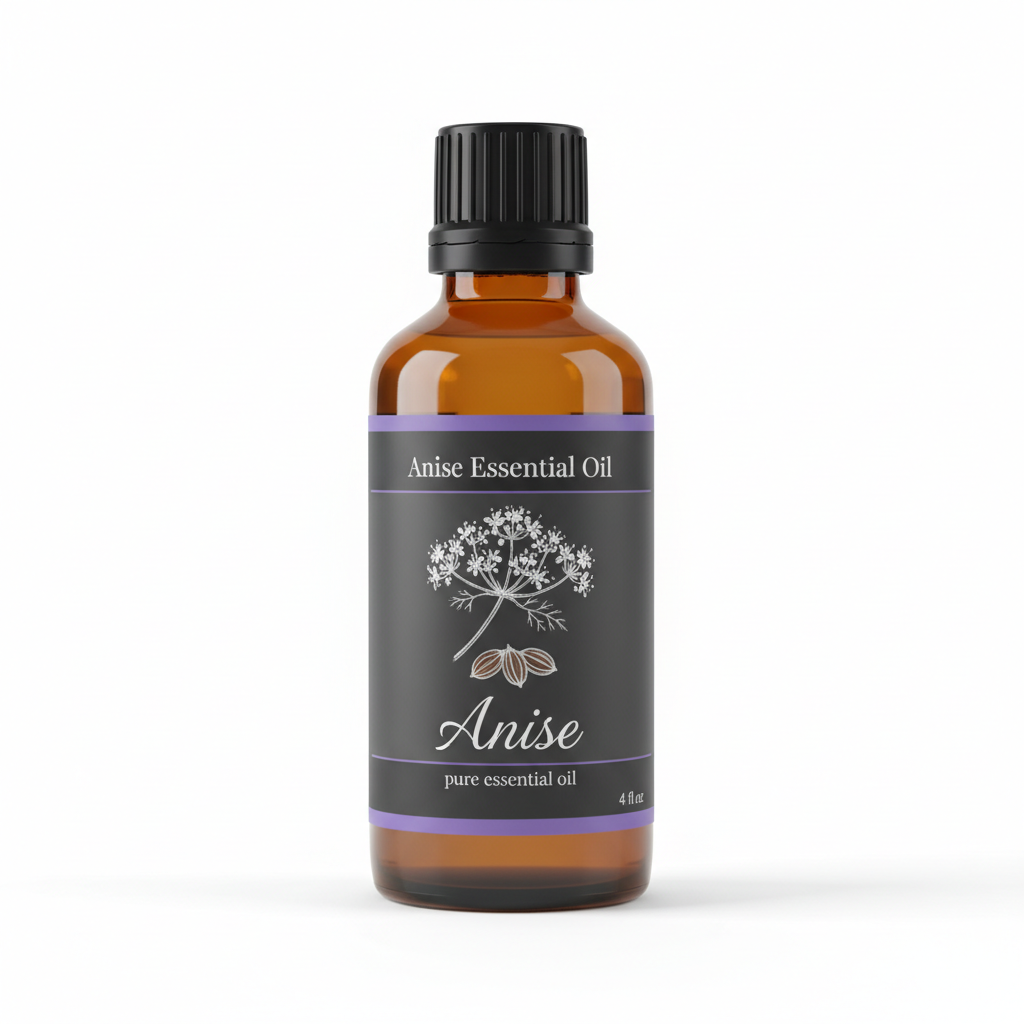
Anise Essential Oil
Our own Anise Essential Oil, in sizes from 0.5 oz to bulk.
From $8.99
Shop Now →This guide focuses specifically on food grade anise oil for baking: what the label actually means, which quality signals matter, how brands compare across price points, and where to find them. If you want to go deeper on purity standards and sourcing before you shop, our full guide on how to buy anise oil: quality, purity, and where to find it covers those details thoroughly.
Food Grade vs. Cosmetic Grade: Why the Distinction Matters for Baking
Not all anise oils are created for the same purpose. Essential oils sold for aromatic or cosmetic use are not intended for ingestion and may contain carrier oils, synthetic fragrance components, or residual solvents that have no business in your oven. Food grade anise oil, by contrast, is produced and tested specifically for use in food and beverage applications.
Look for these markers on any product you plan to bake with:
- "Food grade" or "GRAS" status: GRAS stands for Generally Recognized As Safe, a designation used by the FDA. It signals that the ingredient has a history of safe use in food at normal culinary quantities.
- Clear botanical source: True anise oil comes from Pimpinella anisum. Star anise oil comes from Illicium verum. Both are used in baking and taste similar, but they are distinct plants. A quality product names one or the other, not just "anise."
- No added carriers or diluents: Baking-grade anise oil should be pure. Some bottles include fractionated coconut oil or other carriers, which affects how you measure and use them in recipes.
- Lot number and country of origin: These details indicate a manufacturer serious about traceability.
What to Look for in a Quality Baking Anise Oil
Anethole Content
The characteristic flavor of anise comes primarily from a compound called anethole. In a high-quality oil, anethole typically makes up 80 to 90 percent of the total composition. Some brands publish their gas chromatography (GC) reports, which show this breakdown. If a supplier offers those reports on request or posts them publicly, that transparency is a strong positive signal.
Color and Clarity
Food grade anise oil is typically colorless to very pale yellow. A noticeably brown or murky oil may indicate age, improper storage, or adulteration. Star anise oil tends to be slightly more golden than Pimpinella anisum oil, but both should be clear and bright.
Scent Accuracy
This sounds obvious, but smell your oil before committing to a larger purchase. Genuine anise oil is sweet, clean, and intensely licorice-forward without any harsh chemical or solvent notes underneath. Off-putting undertones are a red flag.
Packaging
Amber or cobalt glass bottles protect the oil from light degradation. An orifice reducer (the small insert that controls drop size) is important for accurate measuring in baking, where a single extra drop can overpower an entire recipe. Plastic dropper caps are acceptable for short-term use, though glass is preferable for storage.
Top Picks at Different Price Points
Prices shift with market conditions, bottle sizes, and retailer markup. The tiers below reflect general positioning rather than fixed costs. For a full breakdown of how bottle size affects value per ounce, see our article on anise essential oil bottle sizes: which one to order first.
Budget-Friendly: Lorann Oils Super Strength Anise Flavor
Lorann is a well-known name in the candy-making and baking supply world. Their anise flavor is widely available, affordable, and designed explicitly for culinary use. It is a concentrated flavoring rather than a straight essential oil, meaning it may include a small amount of carrier or solvent to aid dispersibility in batters and doughs. For most home bakers, this is not a problem. It performs reliably and is easy to find at craft stores, grocery chains, and online.
Best for: Occasional bakers, beginners, anyone who wants a proven product without spending much.
Where to buy: Michaels, Walmart, Amazon, King Arthur Baking Company's online shop.
Mid-Range: Frontier Co-op Organic Anise Oil
Frontier Co-op sources certified organic ingredients and is transparent about its supply chain. Their anise oil is food grade, sourced from Pimpinella anisum, and sold in small bottles sized for culinary use. The organic certification matters to some bakers who prioritize clean sourcing, and the co-op model aligns with values around fair trade and sustainable agriculture.
Best for: Organic-focused bakers, those who bake anise-forward recipes regularly.
Where to buy: Natural grocers, Frontier's own website, Amazon, iHerb.
Mid-Range: Nielsen-Massey Pure Anise Extract
Nielsen-Massey is a respected name in pure extracts and flavors. Their anise extract is alcohol-based, which means it integrates differently than a straight essential oil in high-heat applications, but the quality of the base material is consistently high. If your recipes call for extract rather than oil, this is a benchmark product.
Best for: Bakers whose recipes specifically call for anise extract; those who prefer an alcohol carrier for even flavor distribution.
Where to buy: Williams Sonoma, specialty grocery stores, online direct.
Higher Investment: Food Grade Essential Oils from Reputable Suppliers (Still Pure, Oregon, Plant Therapy)
Several essential oil companies now explicitly offer food grade lines alongside their aromatic collections. Still Pure and Plant Therapy are two worth mentioning. These products typically come with GC/MS (gas chromatography/mass spectrometry) reports and are bottled in high-quality glass with orifice reducers. Oregon Essential Oil is another supplier that positions its products for culinary use with documented sourcing.
This tier costs more per ounce but offers the highest transparency for bakers who want to know exactly what is in their oil.
Best for: Serious home bakers, culinary professionals, small-batch food producers.
Where to buy: Brand websites, select specialty retailers.
Red Flags to Avoid
The essential oil market has a lower barrier to entry than most consumers realize. Some warning signs worth knowing:
- No botanical name on the label: "Anise oil" with no Latin name could be anything from Pimpinella anisum to a synthetic approximation.
- Suspiciously low prices: True anise oil requires meaningful quantities of Pimpinella anisum seeds to produce. Prices that seem dramatically lower than competitors often reflect adulteration or synthetic fillers.
- "Fragrance oil" mislabeled as essential oil: Fragrance oils are synthetic blends. They are not food grade and should never be used in recipes, regardless of how they smell.
- No contact information or traceability: Legitimate food-grade suppliers will have a physical address, a customer service channel, and ideally a way to request batch documentation.
- Essential oil labeled for aromatherapy only, sold as a baking ingredient: Some sellers blur this line. If the product explicitly says "for external use only" or "not for ingestion," believe it.
- Murky appearance or off-putting chemical odor: These are signs of poor quality or improper storage, regardless of what the label says.
Where to Buy: Channel Comparison
| Channel | Pros | Cons |
|---|---|---|
| Specialty baking supply stores | Staff knowledge, curated selection, food grade focus | Limited locations, higher prices |
| Natural grocery stores | In-person inspection, organic options available | Smaller selection, inconsistent stocking |
| Amazon and online marketplaces | Wide selection, price comparison, reviews | Third-party sellers vary in quality; check sold-by details carefully |
| Brand websites (direct) | Freshest stock, most accurate product information | Shipping costs, longer wait times |
| Restaurant supply stores | Larger quantities at better per-unit prices | Geared toward commercial use; may require business account |
If you bake in significant volume, or if you supply products to others, buying in bulk changes the math considerably. Our wholesale anise oil guide for makers walks through bulk sourcing options, minimum order quantities, and what to look for in a supplier relationship.
How Much Do You Actually Need?
Anise oil is potent. Most baking recipes call for a fraction of a teaspoon of oil or extract, and a standard small bottle (1 to 4 ounces) will carry you through a full season of holiday baking without running dry. Buying the largest bottle available rarely makes sense unless you bake professionally or in very high volume.
Storage matters too. Keep food grade anise oil in a cool, dark location away from heat sources. Properly stored, a good quality oil holds its potency for two to three years. An oil that smells flat or faintly musty has degraded and will not deliver the flavor your recipe is counting on.
A Note on Sourcing Confidence
The best purchase you can make is an informed one. Knowing the botanical source, having access to batch documentation, and buying from a seller who clearly distinguishes food grade from aromatic products: those three factors will steer you toward a product that actually performs in the kitchen. Anise oil's flavor is singular. When the sourcing is right, it shows in every bite.