Wholesale Anise Oil: A Bulk Buying Guide for Makers and Bakers
Scaling up a product line changes the way you think about ingredients. A small bottle of anise oil works fine for home experiments, but once you're filling candles by the case, flavoring batches of baked goods, or blending body care products for a growing customer base, those small bottles become expensive and inconvenient fast. Wholesale anise oil solves that problem, but only if you know what to look for. Bulk pricing means nothing if the oil you receive is low-grade, adulterated, or mislabeled.
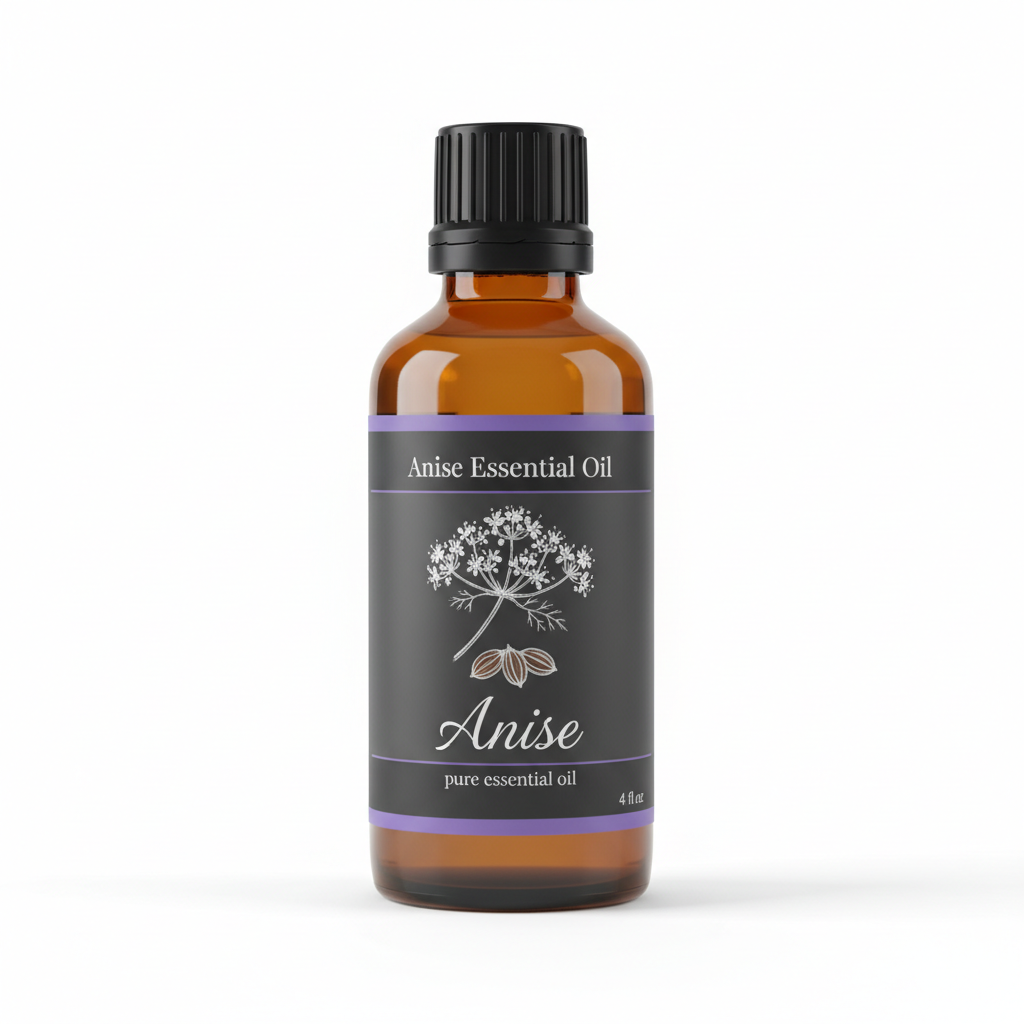
Anise Essential Oil
Our own Anise Essential Oil, in sizes from 0.5 oz to bulk.
From $8.99
Shop Now →This guide is written for soap makers, candle crafters, bakers, confectioners, and cosmetic formulators who are ready to move into larger quantities. It covers quality indicators, pricing tiers, sourcing channels, and the red flags that can turn a good deal into a costly mistake.
What "Wholesale" Actually Means in the Essential Oil Market
The term gets used loosely. Some suppliers call a 4-ounce bottle "wholesale pricing." Others require minimum orders of 1 kilogram or more before any discount applies. Before you compare prices, clarify which tier each supplier is actually offering.
Bulk anise oil typically comes in the following size categories:
- Semi-bulk (100g to 500g): Common entry point for small-batch makers. Significant per-unit savings over retail, but still manageable for home studios.
- Wholesale (500g to 5kg): The range most small-to-mid-size businesses operate in. Requires proper storage and a reliable product cycle to avoid spoilage.
- Industrial/Commercial (5kg and up): Drum or bulk container quantities suited to manufacturers with high-volume production schedules.
Understanding these tiers prevents the mistake of comparing a semi-bulk retail price to a true wholesale quote, which skews your cost analysis before you even start.
Quality Indicators: What to Look for Before You Commit
Anise oil sourced in bulk carries the same quality variables as any essential oil, but the stakes are higher when you're buying in volume. One bad drum affects an entire production run. Here's what separates quality wholesale anise oil from filler product.
Botanical Source and Species Clarity
Anise oil comes from Pimpinella anisum, a flowering herb native to the eastern Mediterranean. This is distinct from star anise oil, which is derived from Illicium verum. Both share a dominant anethole profile and smell strikingly similar, but they are different plants, different oils, and (for regulatory purposes in food applications) different ingredients. If you're sourcing for baking or confectionery, species accuracy matters for labeling compliance.
Any reputable wholesale supplier should clearly state the Latin binomial on product documentation. If the listing just says "anise oil" without specifying the source plant, ask before ordering. Our deeper look at buying star anise essential oil, including quality markers and price can help you navigate the distinction if you're weighing both options for your formulas.
Anethole Content and GC/MS Documentation
Quality anise oil runs high in trans-anethole, the compound responsible for its characteristic sweet, licorice-adjacent scent. In a well-distilled oil, anethole typically represents 80 to 90 percent or more of the composition. This figure matters because it drives both aromatic intensity and functional performance in your formulas.
Gas chromatography/mass spectrometry (GC/MS) testing breaks down the chemical profile of a batch. Reputable wholesale suppliers provide these reports either on request or published directly in the product listing. If a supplier cannot or will not share GC/MS documentation, that alone is enough reason to look elsewhere. For a detailed breakdown of what those numbers actually mean, our guide to the chemistry of anise oil, covering anethole, linalool, and sweetness gives the context you need to read those reports intelligently.
Distillation Method and Country of Origin
Steam distillation is the standard production method for true anise essential oil. Solvent-extracted products exist, but they are not appropriate for most aromatic or cosmetic applications. A quality wholesale listing will specify steam distillation clearly.
Origin matters too. Turkey, Egypt, Spain, and China are among the primary production regions. Regional terroir influences the chemical profile in measurable ways. Some formulators have strong preferences; others prioritize price. Either way, origin should be disclosed. Opacity about origin is a warning sign.
Appearance, Color, and Consistency
Fresh, quality anise oil is colorless to very pale yellow and mobile (liquid) at room temperature above roughly 15 to 20 degrees Celsius. Because of its high anethole content, it solidifies at lower temperatures, which is completely normal. If you receive a shipment that has solidified in transit, gentle warming in a warm water bath will restore it. A brown, cloudy, or visibly oxidized oil is a different story, and signals either age or improper storage.
Key Features to Compare Across Suppliers
Once you've confirmed a supplier offers documentation and species clarity, the next step is comparing specifics across your shortlist. Use this table as a working framework:
| Feature | What to Ask For | Why It Matters |
|---|---|---|
| GC/MS Report | Batch-specific, dated report | Confirms purity and anethole percentage |
| Latin Binomial | Pimpinella anisum or Illicium verum | Species accuracy for labeling and formulation |
| Country of Origin | Specific country, not just "imported" | Traceability and quality benchmarking |
| Distillation Method | Steam distilled | Industry standard for essential oils |
| Packaging | Amber glass or UN-approved aluminum | Protects against UV degradation in storage |
| Shelf Life / Harvest Date | Date of distillation or batch date | Freshness affects aromatic quality over time |
| Minimum Order Quantity | Exact weight or volume requirement | Aligns with your production volume |
| Sample Availability | Paid or complimentary sample before bulk order | Lets you evaluate scent and quality firsthand |
Anise Oil Bulk Pricing: What to Expect at Each Tier
Prices shift based on origin, grade, certification (organic vs. conventional), and market conditions. The figures below reflect general market ranges as a planning baseline, not locked quotes. Always get current pricing directly from suppliers.
Budget Tier: Conventional, Standard Grade
Conventional anise oil without organic certification, sourced primarily from China or Egypt, typically offers the lowest per-kilogram pricing. This makes sense for applications where you're using it primarily as a scent note in a candle or soap formula, and the exact origin is less critical to your customers. Expect GC/MS reports to still be available from any supplier worth working with, even at this price point.
Approximate range: $30 to $55 per kilogram at 1kg minimums, dropping further with 5kg-plus orders.
Mid-Range Tier: Verified Origin, Good Documentation
Oils from specific named regions (Turkish or Spanish origin, for example) with solid documentation, reliable batch consistency, and responsive customer service land in the mid-range. This is where most serious small manufacturers operate. The additional cost per kilogram is usually easy to justify through fewer quality surprises and better supplier relationships.
Approximate range: $55 to $90 per kilogram.
Premium Tier: Certified Organic or Specialty Distillations
Certified organic anise oil carries the highest per-kilogram pricing, but opens doors to markets where organic certification matters on your product label. Specialty small-batch distillations also land here. If your brand positioning emphasizes clean sourcing, the price premium often resonates with your customers and justifies the margin adjustment.
Approximate range: $90 to $150-plus per kilogram, depending on certification body and origin.
Red Flags to Avoid When Sourcing Bulk Anise Oil
The bulk market has its share of shortcuts. These are the patterns that signal a supplier is not worth your trust or your purchase order.
- No GC/MS reports available. This is the single biggest red flag. A supplier who cannot provide chemical documentation is asking you to take purity on faith.
- Pricing that seems too low to be real. If a kilogram of anise oil is priced at a fraction of market rate, the oil has almost certainly been adulterated with synthetic anethole or diluted with a carrier. Synthetic anethole is cheap; pure distilled anise oil is not.
- Vague species labeling. "Anise oil" without a Latin name creates downstream problems, especially if you're selling into markets with strict labeling requirements.
- No sample program. Any serious wholesale supplier will let you evaluate a sample before committing to a large order. Refusal to offer samples, even paid ones, suggests they'd rather not let you smell the product first.
- No physical address or contact information. Wholesale relationships require accountability. A supplier with only a web form and no verifiable business address is a liability.
- Unstated shelf life or batch dating. Old stock is a real issue. Anise oil oxidizes over time, and oxidized oil smells flat, sharp, or off. Always ask for the distillation or batch date.
Where to Buy Wholesale Anise Oil
The sourcing channel you choose affects not just price but reliability, documentation quality, and lead times. Here are the main options:
Specialty Essential Oil Wholesalers
Companies that focus specifically on essential oils (rather than general ingredient distributors) tend to offer the strongest documentation and the deepest product knowledge. Look for wholesalers who publish GC/MS reports publicly, clearly list origin and species, and have been operating long enough to have a traceable reputation. Many offer tiered pricing that rewards higher order volumes.
Ingredient Distributors and Raw Material Suppliers
Larger ingredient distributors serve cosmetic manufacturers, food producers, and industrial buyers. They often carry anise oil alongside a broad catalog of fragrance and flavor ingredients. Pricing can be competitive at high volumes, and they typically have formal quality assurance processes. The tradeoff is that customer service may be less specialized than a dedicated essential oil wholesaler.
Direct Importers and Farm-to-Bottle Operations
Some suppliers work directly with distillers in producing countries and import without intermediaries. This can offer strong pricing and exceptional traceability. It also requires more due diligence on your end, since the supply chain is shorter but the documentation must come from the producer directly.
B2B Marketplaces
Platforms like Alibaba and similar global trade marketplaces list bulk anise oil from dozens of suppliers. The quality range is enormous. Some legitimate wholesale operations use these platforms; many low-grade or adulterated products circulate there too. If you source from a B2B marketplace, request GC/MS documentation, ask for samples before committing, and verify the supplier's certifications independently.
For a broader overview of how to evaluate any anise oil purchase, regardless of quantity, our guide on how to buy anise oil, covering quality, purity, and where to find it walks through the full evaluation process from retail through wholesale sourcing.
Storage and Handling at Scale
Buying bulk anise oil creates a storage responsibility. Improper storage degrades your investment quickly.
- Store in a cool, dark location away from direct light and heat sources.
- Keep containers tightly sealed between uses to minimize oxidation.
- If purchasing in large aluminum containers, transfer working quantities into smaller amber glass bottles for daily use.
- Label everything with the purchase date and batch information for your own records.
- Expect a shelf life of roughly two to three years from distillation under good conditions, though regular evaluation by smell is always the practical check.
Anise oil's tendency to solidify at cool temperatures is worth factoring into your workspace setup. A consistent storage temperature above 20 degrees Celsius keeps it pourable, which simplifies measuring during production.
Building a Supplier Relationship Worth Keeping
The best wholesale sourcing is not a one-time transaction. Reliable bulk anise oil suppliers become partners in your production process. Start with a smaller quantity to evaluate quality and logistics, communicate clearly about your volume needs and timelines, and pay invoices promptly. Suppliers who trust your business often offer better pricing, priority on limited-stock specialty distillations, and more flexibility when supply chains tighten.
Anise oil bulk pricing rewards loyalty as much as volume. A supplier who knows your standards and your schedule is worth more than a marginally cheaper source who ships inconsistently.
Take the time to request samples, read the documentation, and ask questions before placing your first large order. The oil in your products is a direct reflection of the sourcing decisions behind it.