Anise Oil for Scent Training Dogs: Drag Trails and Hound Work
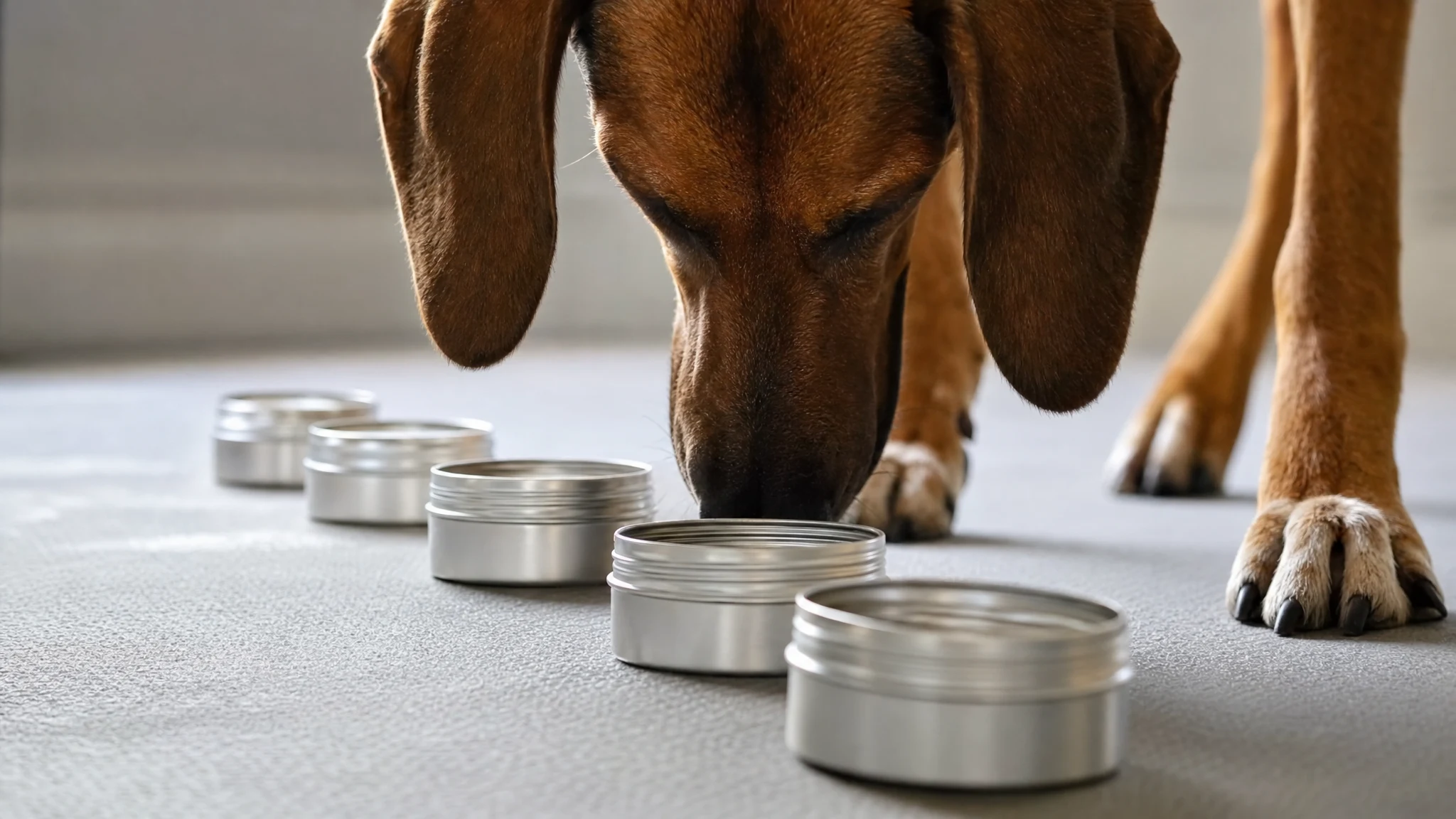
Anise is a common training odor because it is distinctive and easy to tell apart from everyday smells. AKC Scent Work uses it as a target odor from the Advanced level up, and drag hunts use aniseed on dragged lines. Handlers keep the oil on a swab, in a tin, or on cloth, never on the dog.
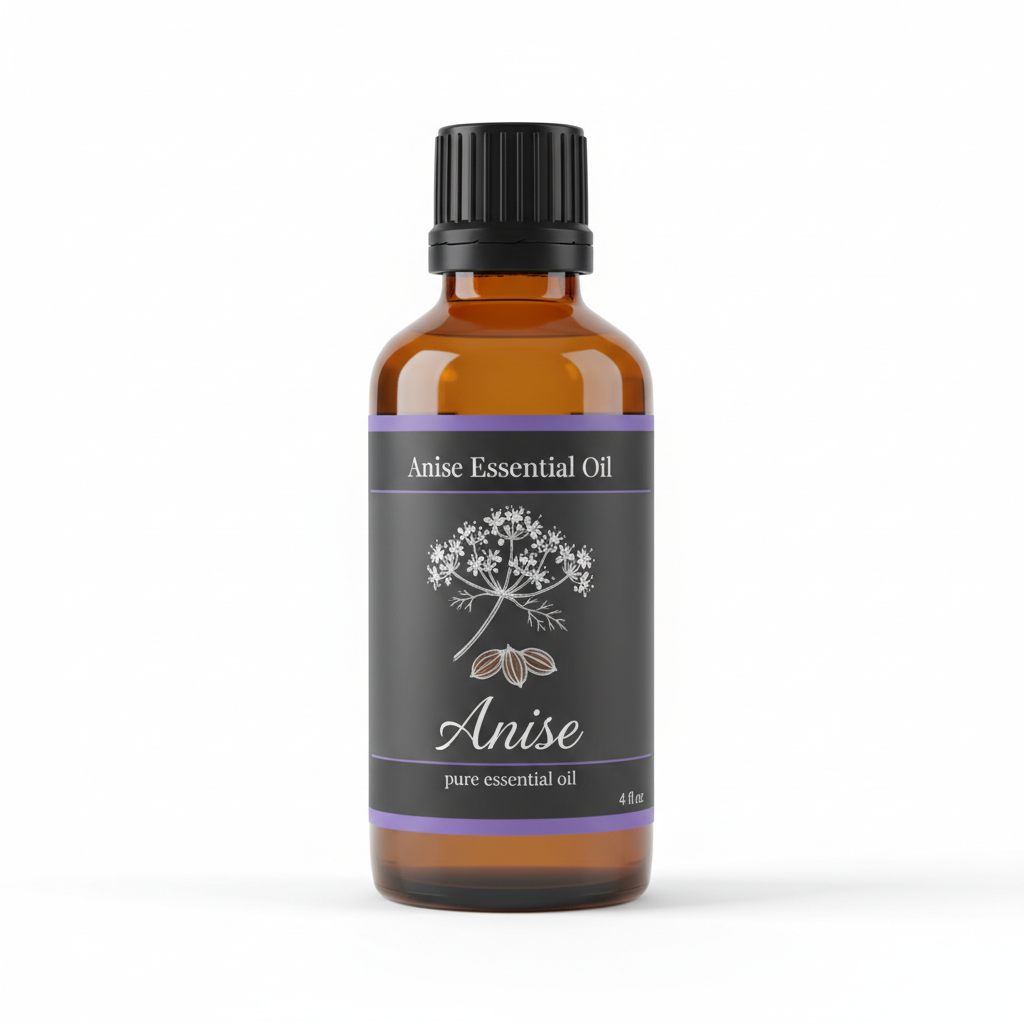
Anise Essential Oil
Our own Anise Essential Oil, in sizes from 0.5 oz to bulk.
From $7.99
Shop Now →That short answer hides a lot of detail, and the details are where handlers go wrong. This guide covers why anise ended up in dog sports, what two published rule sets actually say about it, how odor is presented without putting oil near the dog's nose or coat, and why a concentrated essential oil belongs in the "veterinary question" column, not the "casual tool" column. For the general pet rules that apply to any essential oil in a home, start with our anise oil safety basics: dilution, patch testing, and pets.
Why anise shows up in dog training at all
Nobody has published a study that ranks anise against other odors for dogs, so the honest answer to "why anise" is partly reasoning. Three facts support it.
- It is unlike background smells. Trained noses are asked to find one target among many distractions: floors, cardboard, grass, other dogs, food. A sweet, licorice-type scent has few natural competitors in a typical search area. That is reasoning, not a measured result.
- It is dominated by one compound. Anise oil is mostly anethole (see the chemistry of anise oil), so the smell is consistent from one swab to the next when the source is consistent. Consistency is what a training odor needs.
- It has a long history in trail work. Drag hunting, in which hounds follow a laid trail instead of an animal, is described as using a trail made by dragging material soaked in aniseed or another strong-smelling substance (Wikipedia, Drag hunting).
Notice what is not in that list: any claim that dogs "love" anise. Scent-work dogs learn to work for a food or toy reward when they find the odor. The odor is a signal that was paired with the reward, not a treasure in itself. Handlers who describe anise as a flavor the dog craves are mixing it up with food flavoring, which is a separate topic.
What the rules say: AKC and NACSW
We checked two published sources directly. Both are specific, and both can change, so take what follows as a snapshot and read the current document for your sport.
| Organization | What the document says about anise | How odor is prepared |
|---|---|---|
| AKC Scent Work (Regulations, amended August 2025) | Chapter 7, Section 2: target odors are Birch (Betula lenta), Anise (Pimpinella anisum), Clove (Eugenia caryophyllata) and Cypress. Novice uses Birch only; Advanced may use Birch and/or Anise; Excellent adds Clove; Master may use all four. | Chapter 5, Section 4: cotton balls or cotton swabs (paper stems only if swabs), two drops of oil from the same odor, glass for preparation and storage. Section 5: the scent aid goes inside a scent vessel, one per vessel, and the vessel may never contain glass. |
| NACSW (How to Make Scented Swabs page) | Lists "Pure essential oils (Sweet Birch, Aniseed, or Clove Bud)" as the target odors. | 100 percent cotton swabs cut in half, glass jar, oil drizzled on the jar's sides, 24 to 48 hours to sit, no storage in plastic, gloves on the materials list. |
| UKC, NASDA and others | We did not verify their odor lists in a primary document, so we do not state them here. | Ask the organization or read its current rulebook. |
Two details matter for anyone buying an oil. First, the AKC regulations name a species for anise, while NACSW's swab page says only "Aniseed." Second, the AKC text says glass must be used for scent preparation and storage because essential oils "are corrosive and will break down plastic containers, changing the chemical composition and affecting the scent" (Regulations for AKC Scent Work). That is a handling rule that also happens to be a good habit at home: an essential oil should sit in glass, not in a plastic squeeze bottle. Our piece on storage and shelf life explains the oxidation side of it.
Organizations can set their own sourcing and handling requirements for odor, and those requirements can change between rule editions. If you train for a titling sport, the club's rulebook, your instructor, and the trial's premium list outrank anything on this page, including the two excerpts above. Follow your sport's rules, not a blog post.
It also matters which plant the rule means. Anise and star anise come from different plants that share a dominant compound, and a rulebook that names one species is not automatically satisfied by the other. We have not had our oil assessed against any sport's odor specification, so we do not sell it as sport-approved. If a competition rule applies to you, ask the organization what documentation it wants from a supplier before you buy.
How handlers present odor without putting it on the dog
The principle is simple: the oil lives on a carrier, the carrier lives in a container, and the container lives away from the dog. The AKC rules reflect it. A cotton swab holds two drops, and the swab sits inside a vessel such as a tin or a lip balm tube so it never touches the surface where it is hidden. The vessel also keeps the dog from licking or chewing the soaked cotton, though that is our reasoning, not a stated purpose in the rules.
- Prepare in a separate space. Put the oil on the swab away from the training area and away from where the dog rests. Use gloves, as NACSW's materials list does. Reasoning: oil on a handler's fingers moves to whatever those fingers touch next, including a dog's coat or collar.
- Keep the oil bottle capped and out of reach. Dogs investigate sweet smells. The bottle, not the swab, is the highest-concentration thing in the room. If children are in the home, read our storage and use guide for homes with children too.
- Use a closed or vented vessel the dog cannot open. Metal tins and small tubes are the AKC's examples. No glass in the vessel, per the rule quoted above, because a dog can break it.
- Store prepared swabs in glass with a lid. That is both the AKC and NACSW approach. NACSW adds that refrigeration or freezing is not recommended on its swab page.
- Do not put oil on the dog. Not on the collar, bandana, harness, paws, or coat, and not on the "dog's own" toy. The next section explains why.
Drag trails and hound work
Drag work is different from box and room searches. The scent has to be laid along a path, and hounds follow it with their noses down at a run. The general description is a trail made by dragging a soaked material behind a handler or rider (Wikipedia). Beyond that, we could not find a verifiable source giving an amount of anise per drag, a carrier, a trail length, or a refresh interval, and we will not invent one. Those are exactly the details a hound club's experienced drag-layers pass on in person, and they differ by sport, terrain and the age of the hounds.
What we can offer is reasoning from the safety side:
- Keep the soaked material on a line behind the person or vehicle so the source is dragged along the ground and not carried by the dog.
- Use a cloth the hounds cannot easily shred and swallow. A soaked scrap eaten at the end of a run is a poisoning risk, not a reward.
- Collect and remove the drag material at the end, and keep the bottle in the truck, not in the kennel run.
- Introduce a new scent on short, easy trails with your club's trainer present, not alone, so you can see how each hound responds.
Why concentrated essential oil is a veterinary question
Nothing below is anise-specific; the sources we checked do not single anise out. They describe concentrated essential oils as a class, which is how a veterinarian will approach it too.
- The Merck Veterinary Manual says: "Concentrated essential oils should never be directly applied to pets," and that "the higher the concentration of essential oil, the greater the risk to the animal" (Toxicoses from Essential Oils in Animals). It adds that dogs are not as sensitive as cats, but "they are still at risk."
- Pet Poison Helpline's discussion of essential oils in dogs says exposures usually involve concentrated products, and, writing about tea tree oil, that it "is equally absorbed with both dermal or oral administration and both result in toxicity" (Essential Oils and Dogs). The point for a handler is that skin contact and a lick can both count as exposure.
- The ASPCA's Animal Poison Control Center is staffed 24 hours a day, every day, at (888) 426-4435, and a consultation fee may apply (ASPCA). Pet Poison Helpline lists (855) 764-7661 on its page. If a person is exposed, US Poison Control is 1-800-222-1222.
Our own position follows from that: a swab in a tin is a fair way to use a small amount of oil in a sport that requires it; an oil-scented collar, a "scent-boosted" toy, or a few drops in a dog's bedding is not. If your dog gets oil on its coat or licks a swab, call a poison line or your veterinarian instead of looking for a home fix. Our safety hub covers pets and dilution in more detail, and cats need extra caution: Merck names them as the more sensitive species.
What to ask a veterinarian and a certified trainer
Neither of these professionals can be replaced by this article. Bring them specific questions.
For the veterinarian (DVM)
- Given my dog's age, breed, weight and health history, is there any reason to avoid essential-oil odor in the training space?
- If my dog licks a swab or gets oil on its coat, what should I do first, and when is it an emergency?
- Do other animals in the household (cats, birds, small pets) change the answer?
- Should the dog's training area be ventilated, and how long should prepared swabs stay out of reach?
For a certified trainer or club instructor
- Which oil, species and brand does our organization accept, and who supplies the odor at a trial?
- How many drops, what carrier, and what vessel do you use at this level?
- How do you introduce a new odor so the dog learns the scent and not the container?
- For drag work, how is the line laid, how strong is it, and when do you refresh it?
Who this is not for, and where our oil fits
Do not use essential oil on or around a dog for anything other than a scent target kept away from the animal. Do not substitute baking extract or fragrance oil for an odor your rulebook specifies; the AKC text is written around essential oil, and a different product can smell different to a dog. Our guide on anise oil versus anise extract explains how far apart those products can be.
If you are setting up a home training kit and want to understand a pure anise essential oil before you decide, you can see the sizes we sell, from 0.5 oz up. Remember the limit above: we do not claim our oil meets any organization's odor specification.
Frequently asked questions
Can I put anise oil on my dog's collar to make it easier to track?
No. The veterinary sources above say concentrated essential oils should not be applied to pets. Use a scented article that the dog is not wearing, such as a swab in a tin.
Is the anise in dog sports the same as star anise?
Not automatically. AKC's regulations name Pimpinella anisum for anise, and star anise is a different plant. Check your organization's wording before choosing a bottle.
How many drops should I use?
For AKC trials, the regulations say two drops on a cotton ball or swab. For other sports and for drag trails, ask your instructor, because we could not verify a published amount.
Does anise oil keep working after the swab dries?
Aroma fades as volatile compounds evaporate, so a swab's usable life depends on how it is stored. Follow your club's refresh schedule, and see our shelf-life explainer for how oils age.
Anise Essential Oil
Anise Essential Oil from our own shop, in sizes from 0.5 oz to bulk.
From $7.99
Shop Now →Sources & Further Reading
- Regulations for AKC Scent Work, amended August 2025 (American Kennel Club)
- How to Make Scented Swabs (National Association of Canine Scent Work)
- Drag hunting (Wikipedia)
- Toxicoses from Essential Oils in Animals (Merck Veterinary Manual)
- Essential Oils and Dogs (Pet Poison Helpline)
- Animal Poison Control (ASPCA)