Anise Scent Work for Dogs: Swabs, Tins and Drag Trails
Anise has quietly become one of the stars of dog scent work. Alongside birch and clove, it is a recognised target odor in AKC Scent Work, and drag hunts have laid aniseed trails for hounds for a long time. The craft, though, is all in how you present the scent, and the most important rule is simple: the oil lives on a swab in a container, never on the dog.
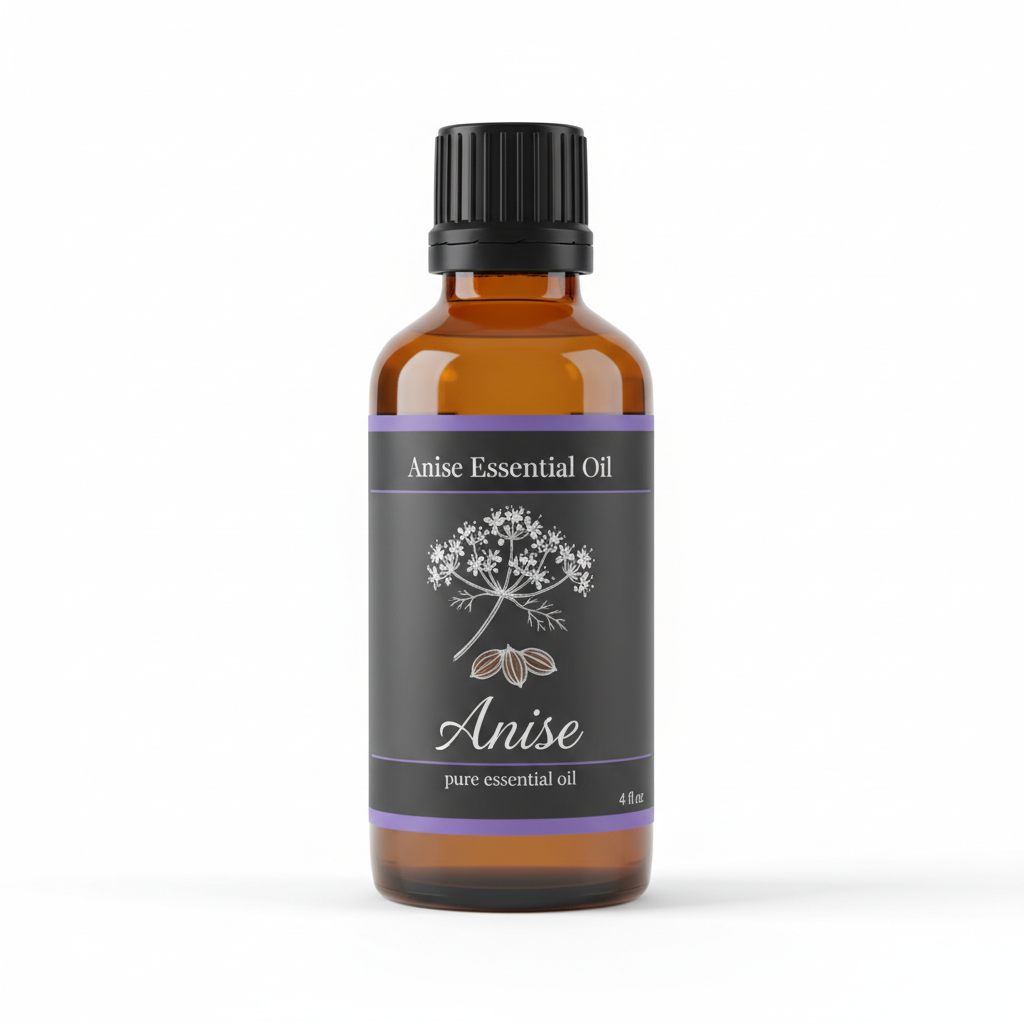
Anise Essential Oil
Our own Anise Essential Oil, in sizes from 0.5 oz to bulk.
From $8.99
Shop Now →Why anise suits scent work
We have not seen a study ranking anise against other odors for dogs, so here is reasoning. Anise has a distinctive sweet character that few everyday smells share, and because most of the oil is a single compound, anethole, one bottle smells much like the next. For an odor a dog is learning to find among floors, grass and cardboard, being distinct and consistent matters. The dog is not working for the smell itself; it learns that the odor means a reward is coming.
What the rule books say
AKC Scent Work's regulations name Birch, Anise (Pimpinella anisum), Clove and Cypress as target odors, with Novice classes using Birch only, Advanced adding Anise, Excellent adding Clove and Master allowing all four (AKC Regulations for Scent Work). Odor is prepared by putting two drops of oil on a cotton ball or cotton swab, using glass for preparation and storage, and placing the scent aid inside a scent vessel such as a metal tin or lip balm tube that is hidden in the search area. The NACSW describes its own swab method, with half-cut cotton swabs in a glass jar and gloves, and lists aniseed among its target oils (NACSW, How to Make Scented Swabs).
Rule books can change and clubs can have their own requirements, so your sport's current rulebook and your instructor come first. Pay attention to the plant name too: the AKC text names Pimpinella anisum, while the NACSW page says only aniseed. If your sport specifies a species, ask us in writing through the contact page which plant is in our bottle before you order.
Keeping the oil off the dog
A tidy routine goes like this:
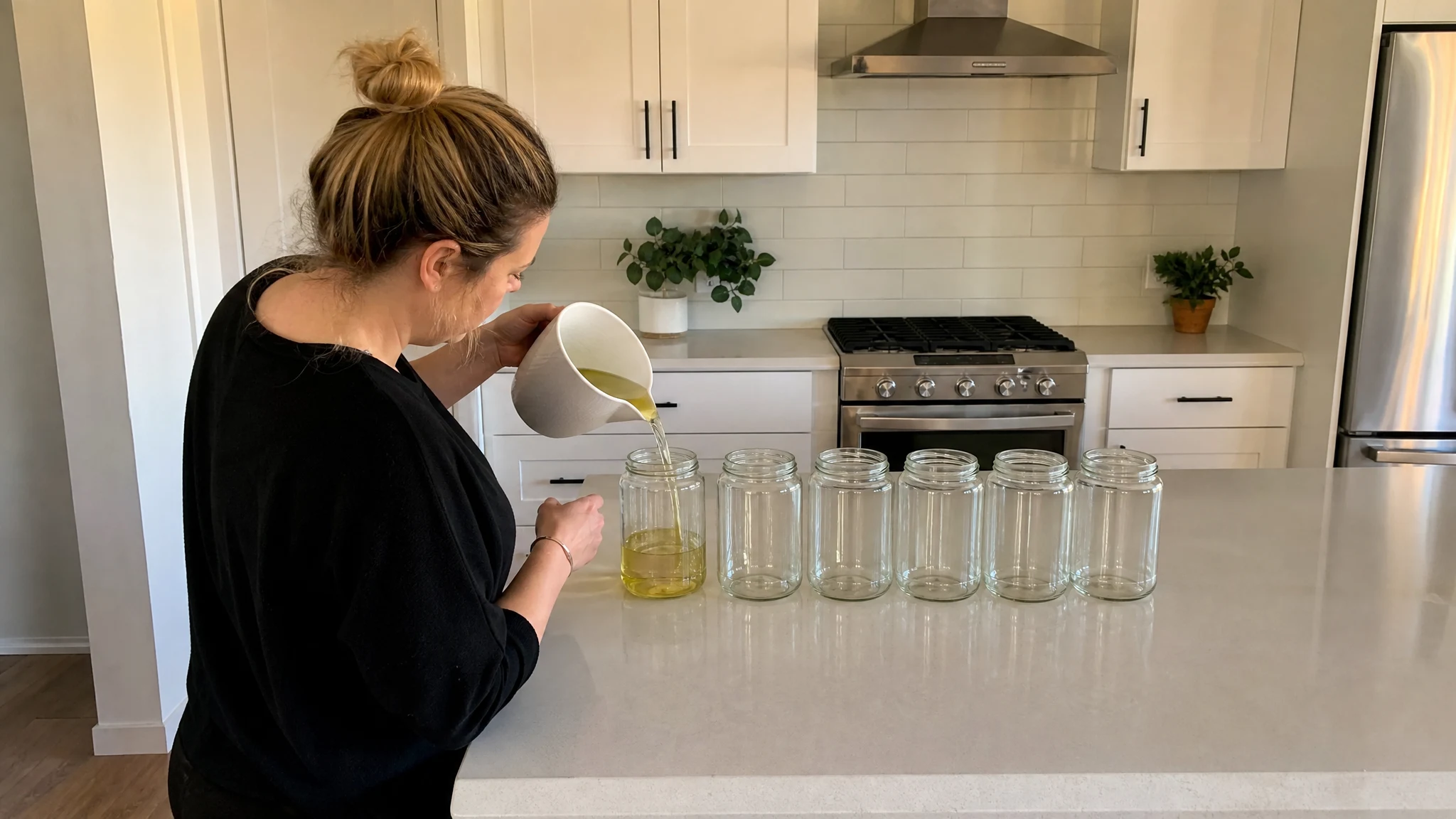
- Prepare swabs away from where the dog rests, with gloves on, so oil does not get onto hands that then touch a coat.
- Keep the bottle capped and out of reach. It is the strongest thing in the room.
- Store prepared swabs in a lidded glass jar, which both the AKC and NACSW approaches use.
- Present the swab in a closed or vented vessel the dog cannot chew, and never put oil on a collar, harness, toy or the dog itself.
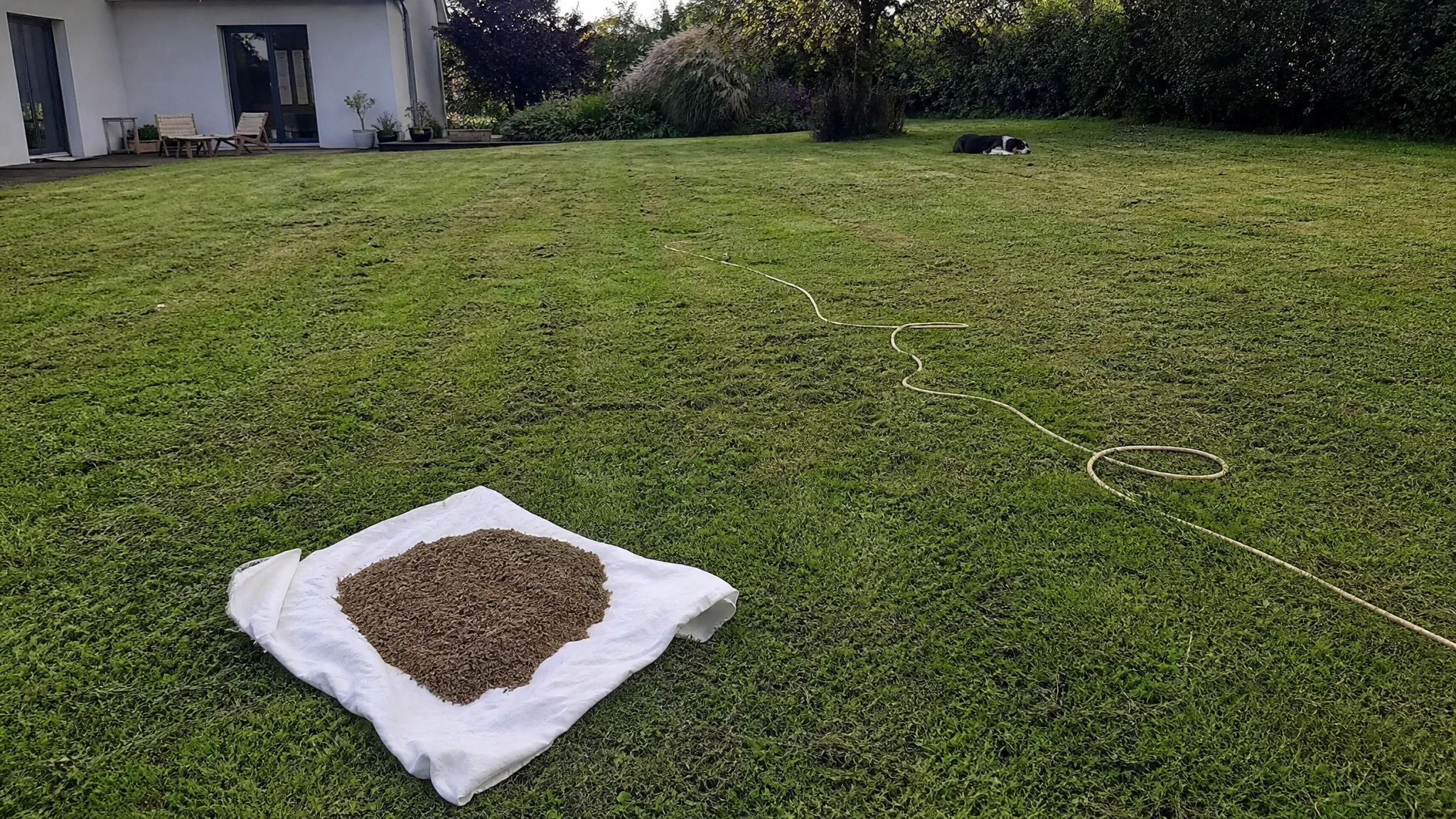
For drag trails, how much to use and how often to refresh it are details that experienced hound clubs pass on in person, and they vary by sport and terrain. Our practical suggestions are about safety: drag the soaked cloth on a line behind you rather than having the dogs carry it, use a cloth they cannot shred and swallow, and take the material and the bottle away afterwards. Drag hunting itself is described in this overview.
Setting up a practice session
A scent work session is mostly about making the game easy to understand and fun to win. Start with a single tin in an open spot, let the dog find it quickly, and reward the moment it does. Keep sessions short and stop while the dog still wants more. As the dog understands the game, you can hide the tin a little higher, a little farther away, or under something, one small step at a time.
Your own handling matters too. Stay relaxed, keep your hands quiet and let the dog do the thinking. If the dog loses interest, make the next search easier rather than longer.
Keeping your gear tidy
- Label the jar so nobody mistakes it for something else, and keep it high on a shelf.
- Use one set of gloves for the oil and keep them out of the dog's reach.
- Wash your hands before you touch the dog, the leash or the treats.
- Replace swabs on whatever schedule your club suggests, and keep notes so you know which tin holds which scent.
Why concentrated oil needs care around dogs
The Merck Veterinary Manual says plainly that concentrated essential oils should never be applied directly to pets, and that the higher the concentration, the greater the risk to the animal (Merck Veterinary Manual). That is why a swab in a tin works and a scented bandana does not. If a dog gets oil on its coat or licks a swab, call your veterinarian or a poison line straight away rather than trying a home remedy. The ASPCA Animal Poison Control Center is on (888) 426-4435 and Pet Poison Helpline on (855) 764-7661, both at the time of writing. Cats are the more sensitive species, so mind them too. Our safety basics cover pets in more detail, and our storage guide explains how to keep the oil fresh.
Where our oil fits
We do not state it meets any sport's odor specification, so check what your organization asks of a supplier. Baking extract and fragrance oil are not substitutes when a rulebook names an essential oil, and our comparison of anise oil and extract shows why.
Anise Essential Oil
Anise Essential Oil from our own shop, in sizes from 0.5 oz to bulk.
From $8.99
Shop Now →