Anise Oil Safety: Dilution, Skin and Pets
Anise oil smells so friendly, sweet and warm and a bit like a spice jar, that it is easy to forget how concentrated it is. A bottle is mostly one compound, anethole, and regulators who have looked at it describe the oil as an irritant and a sensitizer. None of that means you cannot enjoy it. It means a few habits are worth building in from the start.
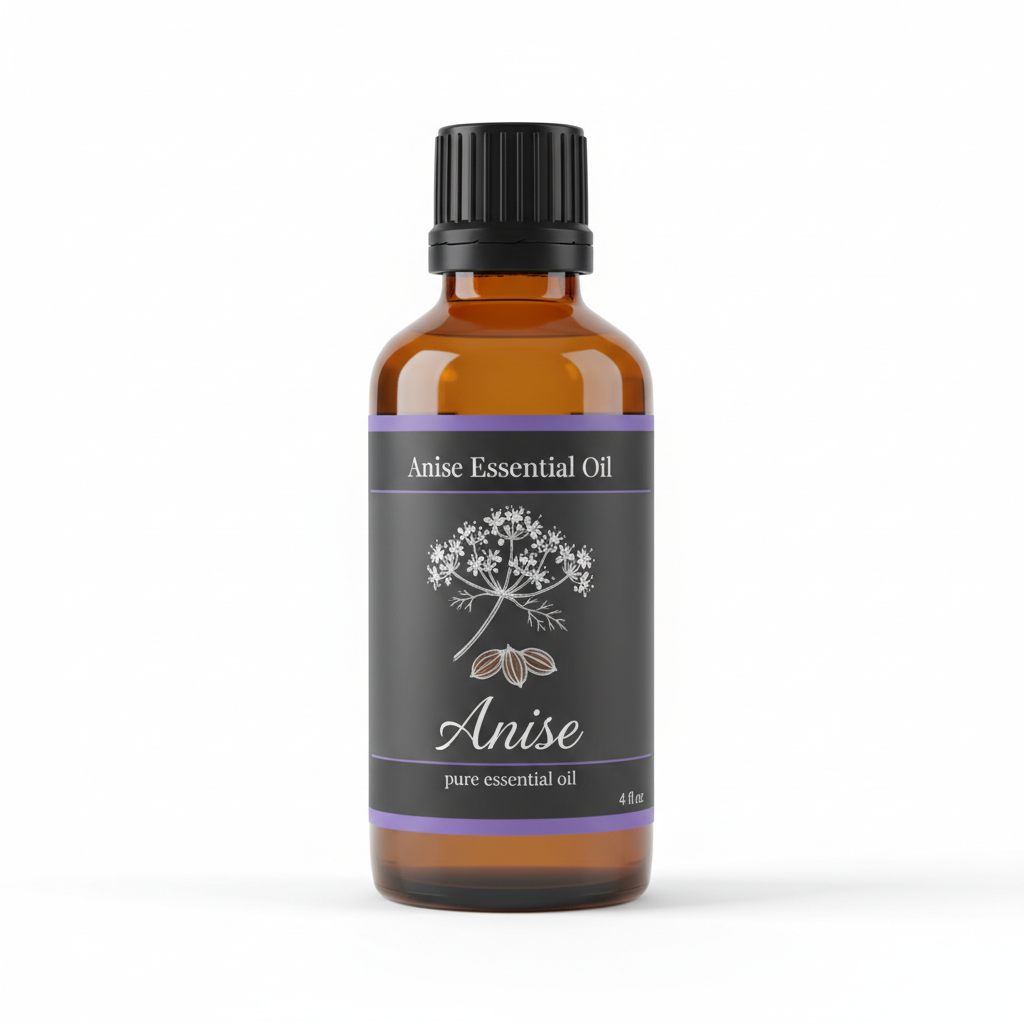
Anise Essential Oil
Our own Anise Essential Oil, in sizes from 0.5 oz to bulk.
From $8.99
Shop Now →Dilution comes first, and the numbers are small
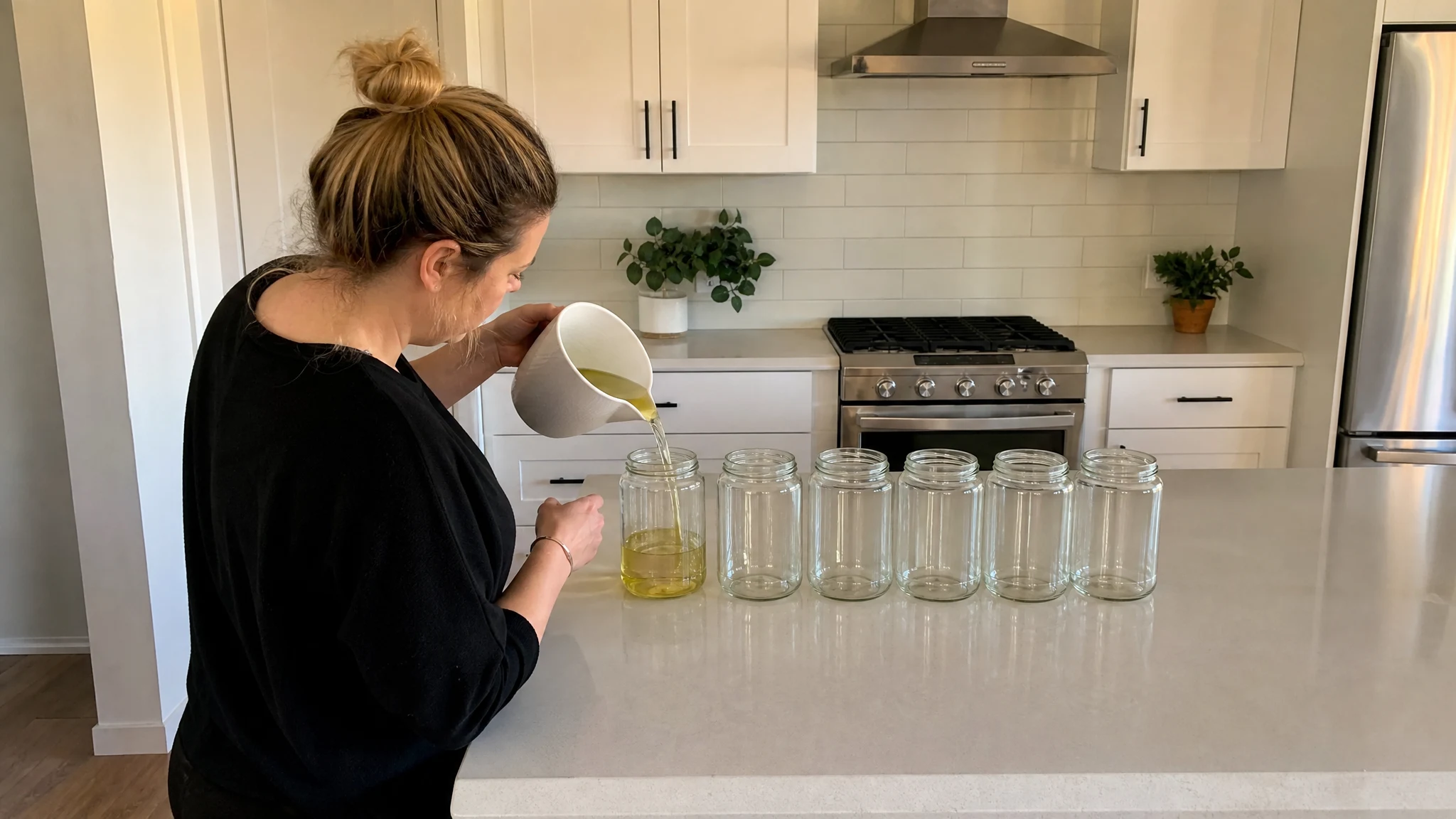
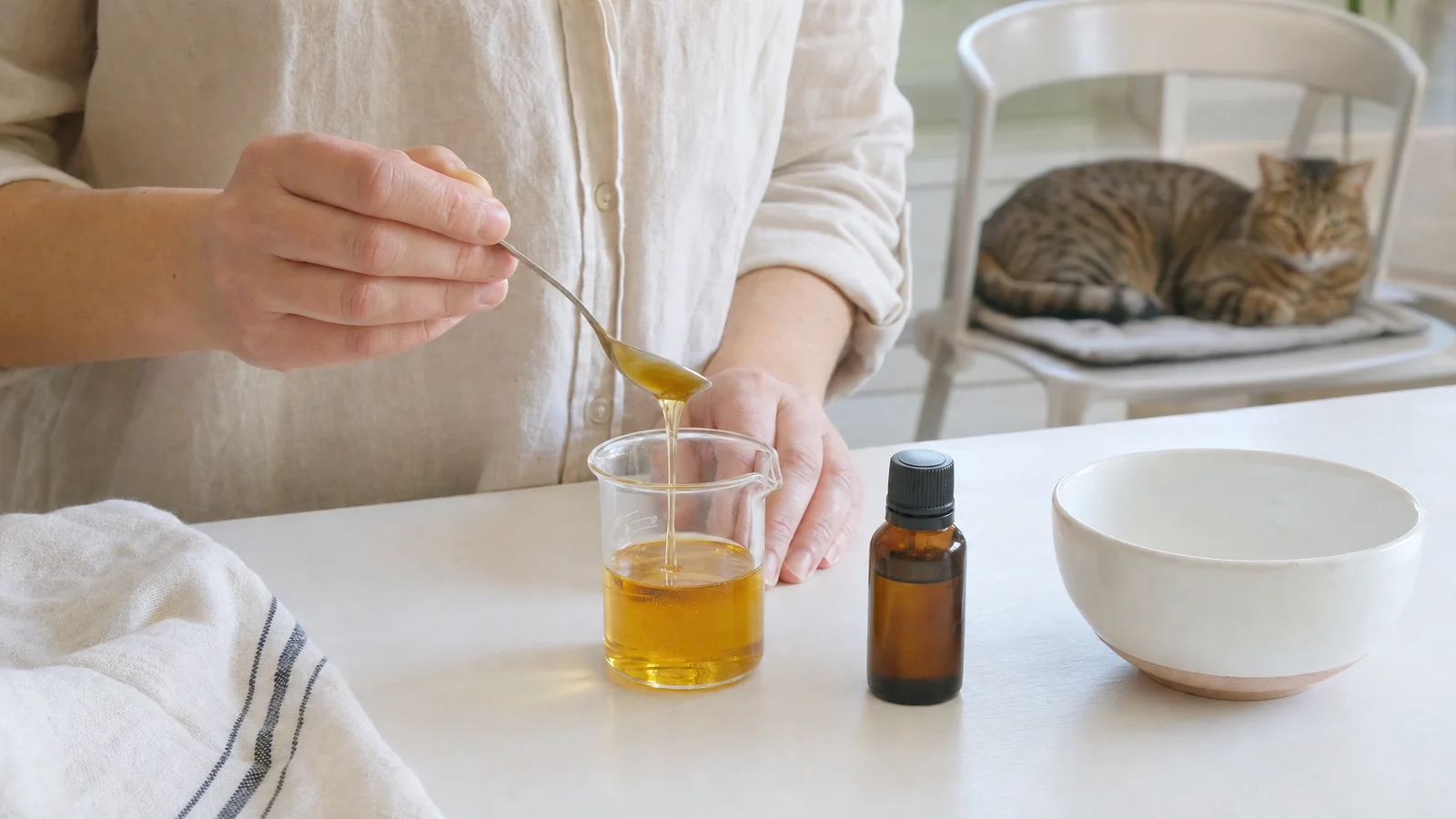
Our general guidance for skin is to dilute anise oil in a carrier oil, 0.5 percent to 2 percent, and to patch test first. That works out to roughly 3 to 12 drops per ounce of carrier. Treat that range as an outer boundary and not a target, and here is the reason. EFSA's 2023 assessment of anise oil concluded that it should be considered an irritant to skin and eyes and a skin and respiratory sensitizer (EFSA FEEDAP Panel, 2023). And the Tisserand Institute puts the maximum dermal use of the highest-risk oils at 1.5 percent or less (Tisserand Institute).
For anything that stays on skin, such as a body oil or lotion, the fragrance industry's standard for estragole, a minor component of anise oil, points much lower. IFRA's limit for estragole in body creams, oils and lotions is 0.0022 percent of the finished product (IFRA 51st Amendment). Divide that by the estragole share of the oil, and you get your ceiling. At the 4.08 percent in the GC-MS report we publish, that is about 0.05 percent anise oil in the finished product, around one drop in 60 ml. Even at EFSA's average of about 0.8 percent, it is around 0.27 percent. So if you are making something for skin, work out your own number and use less than you think. Our dilution math for massage blends shows the arithmetic, and the same logic applies to soap and other categories, which have their own limits.
Patch testing, honestly
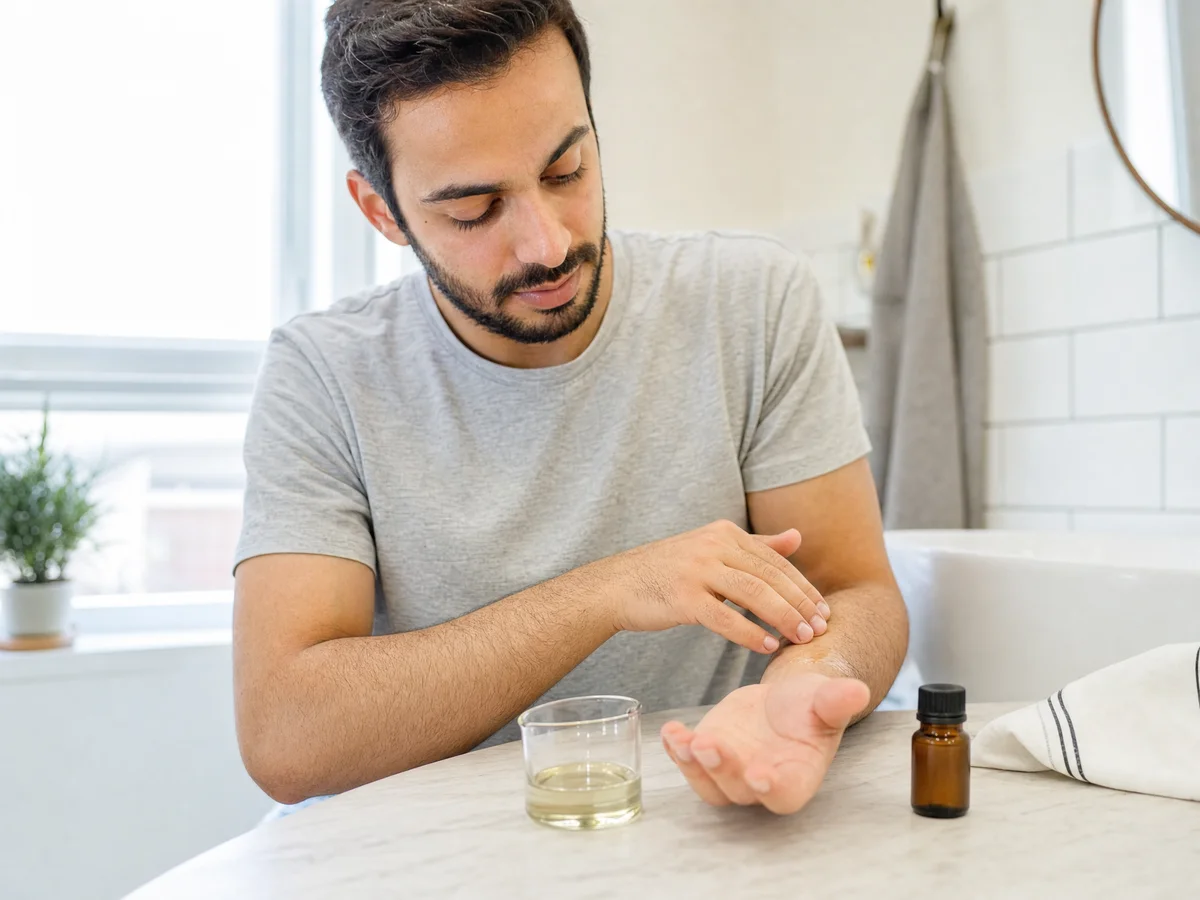
We recommend testing a small amount of your finished diluted blend on the inner forearm and waiting a day. The Tisserand Institute adds a useful nuance: patch tests are not fully reliable, since a clean result does not guarantee you will never react. Treat a patch test as a reasonable first step, not a guarantee. If you have a history of fragrance allergy, eczema or contact dermatitis, ask a dermatologist before you use anise oil at all.
Who should sit this one out
If you are pregnant or breastfeeding, or choosing for a child, skip skin and diffuser use of anise oil unless a clinician says otherwise. The European Medicines Agency's assessment of aniseed advises minimizing exposure in young children and in pregnant and breastfeeding people, because of its estragole content. Our page on pregnancy and breastfeeding has the detail. Anyone on regular medication should check with a pharmacist.
Pets, and the people who share your room
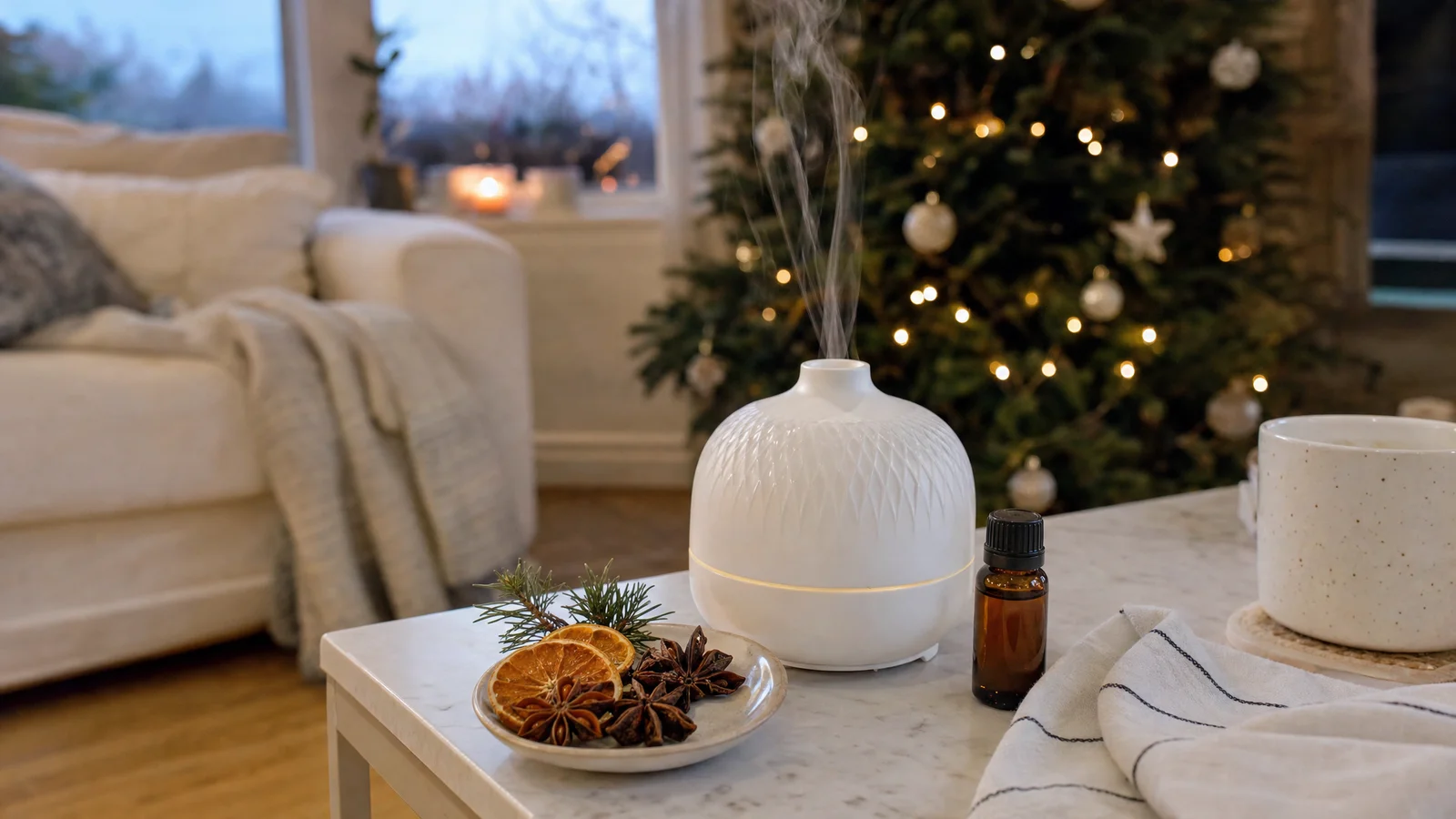
Pet Poison Helpline says essential oils can affect all species, with cats and birds at the greatest risk, and that swallowing carries more risk than skin contact, which in turn carries more than breathing the vapor (Pet Poison Helpline). So keep the bottle capped and out of reach, do not put anise oil on a pet, and think twice before diffusing it in a closed room with a cat or bird. Ask your veterinarian before you use it around them. If a pet has licked or been wetted with oil, call your veterinarian or a poison hotline right away.
The same caution applies to diffusing around anyone with asthma or a fragrance sensitivity: short sessions, an open door and a ventilated room.
It also helps to keep the people in your home in the loop. If you are making a blend, tell the others in the house what is in it, label it clearly, and let them know which shelf it lives on.
If your skin reacts
Stop using it, wash the area with mild soap and water, and give it time. If redness, itching or rash does not settle in a day or so, check in with a pharmacist, physician or dermatologist, and bring the bottle and the blend you used. Swelling of the face or lips, wheezing or trouble breathing needs urgent care. After a reaction, do not try the same oil again at a lower strength without asking a clinician.
Good habits that become second nature
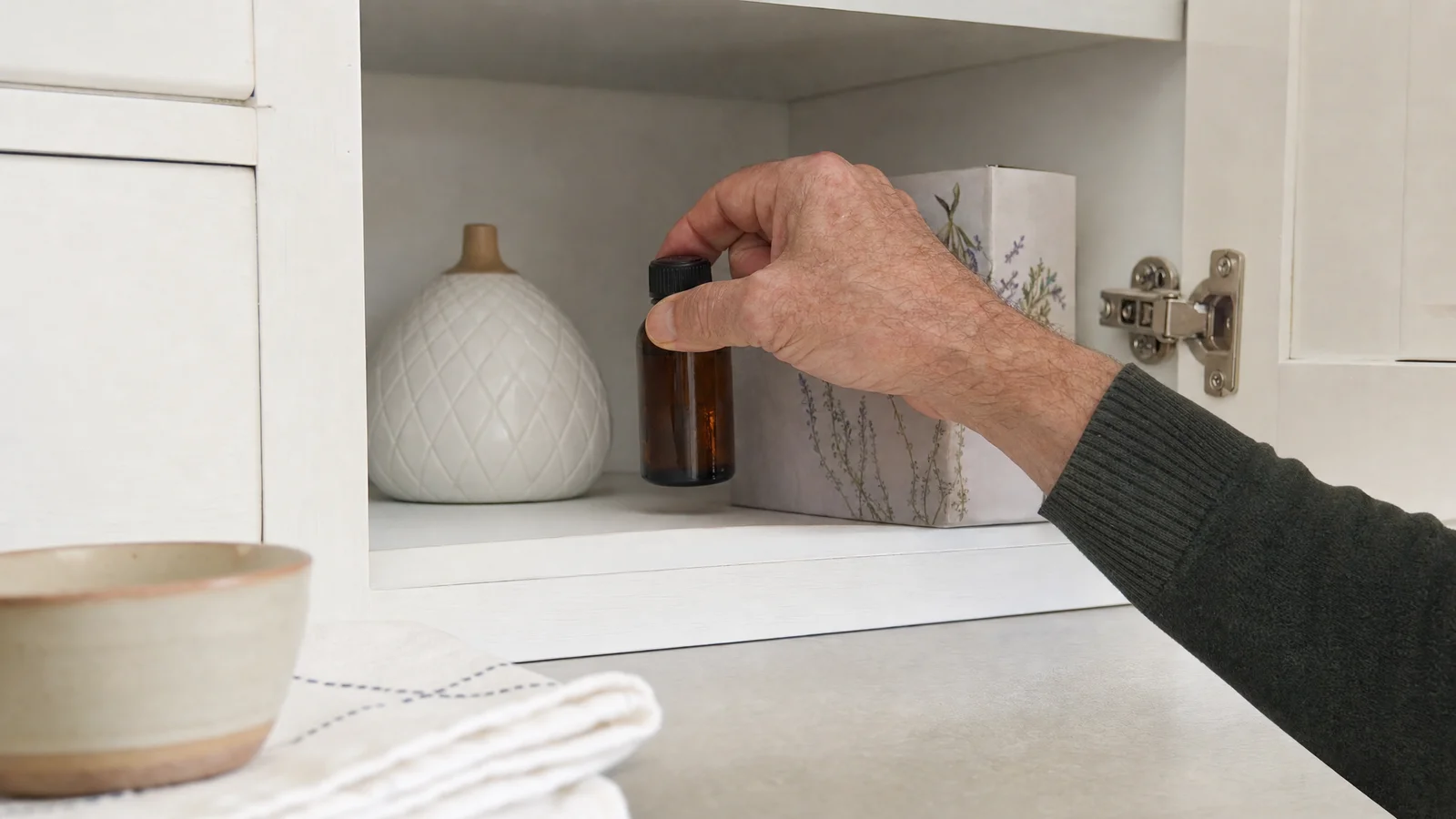
Safety around an oil like this mostly comes down to small routines. Pick a spot on a high shelf, in a cool cupboard, and make it the bottle's home. Put the cap back every time, even if you plan to reach for it again in a minute. Wipe the neck of the bottle, because a sticky rim picks up dust and leaves a smear on your fingers. Use a dropper or a measuring spoon instead of pouring so you know what you added, and write the measurement on the label of whatever you made.
The aroma will remind you why you like it, and the habits will keep the rest simple.
Storage
Keep it tightly capped in a cool, dark place, out of reach of children and pets. Label any dilution with the percentage and the date, and never pour oil into a container that looks like food or drink. Our oil is for aroma and cosmetic use only and is not for internal use.
Anise Essential Oil
Anise Essential Oil from our own shop, in sizes from 0.5 oz to bulk.
From $8.99
Shop Now →