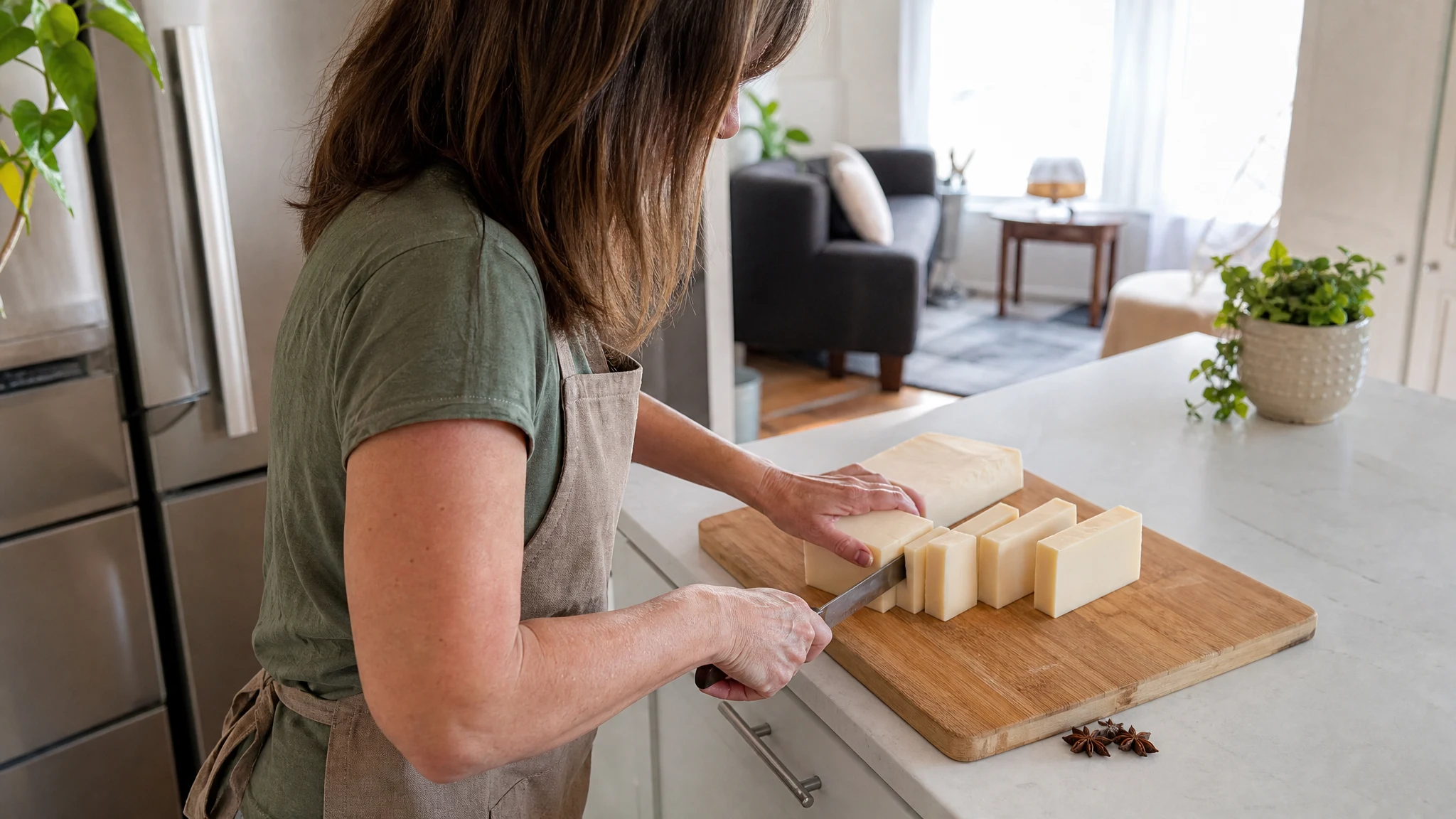
Anise Oil in Cold Process Soap: How Much to Use
Most soap-scenting charts give one rate for every essential oil, often a few percent of the oil weight in the batch. Anise is the exception that makes you reach for the calculator. The number that matters is a safety limit on one minor constituent, and it works out to about one tenth of one percent of the finished bar, roughly two drops in a 100 g bar. Here is the sum.
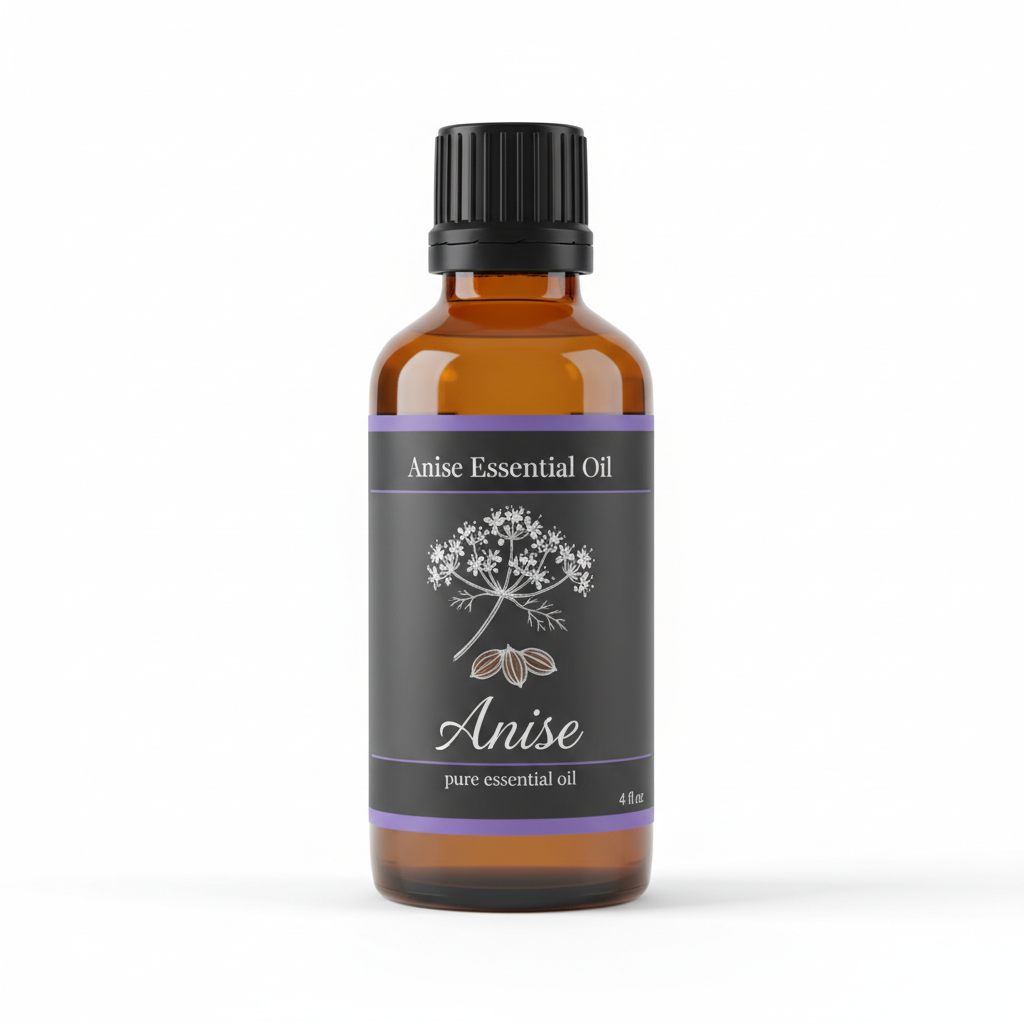
Anise Essential Oil
Our own Anise Essential Oil, in sizes from 0.5 oz to bulk.
From $8.99
Shop Now →The limit that applies
Anise oil is mostly anethole, with a little estragole. The IFRA estragole standard (51st Amendment, 2023) allows 0.0041% estragole in a finished Category 9 product, and the IFRA guidance places bar soap in Category 9. IFRA's method for essential oils is to divide the limit by the constituent's share of the oil. The GC-MS report we publish gives methyl chavicol (estragole) at 4.08%, which we treat as a working figure since the report has no batch number.
- Category 9 limit: 0.0041%.
- Estragole in the oil: 4.08%, or 0.0408.
- 0.0041 divided by 0.0408 is about 0.10% anise oil in the finished bar.
| Cured soap | Anise oil at 0.10% | Roughly |
|---|---|---|
| 100 g bar | 0.10 g | 2 drops |
| 500 g loaf | 0.50 g | 10 drops |
| 1 kg | 1.0 g | about 20 drops |
Drops use the 0.979 g per ml density on our Certificate of Analysis and about 20 drops per ml, so treat them as approximate; a scale that reads to 0.01 g is better. Soap loses water as it cures, so calculate from the weight you expect after curing. That keeps you safely under.
Fitting it in with the rest of our guidance
We suggest 0.5% to 2% in a carrier for general diluted skin oils. Soap is a different product, and the estragole standard is stricter, so for a bar work from the lower figure. IFRA Standards are an industry code and not a law a hobbyist answers to, but they make a sensible yardstick. If you sell soap, have a cosmetic safety assessor review the formula. And if the lot's estragole share differs from 4.08%, redo the sum; we send figures for a lot on request, so ask in writing through our contact page. Our lip balm post applies the same idea to a leave-on product.
Making a little go a long way
Two drops of anise in a bar gives a soft, sweet, licorice-like hint, not a loud perfume. That suits soap well. A few tricks help.
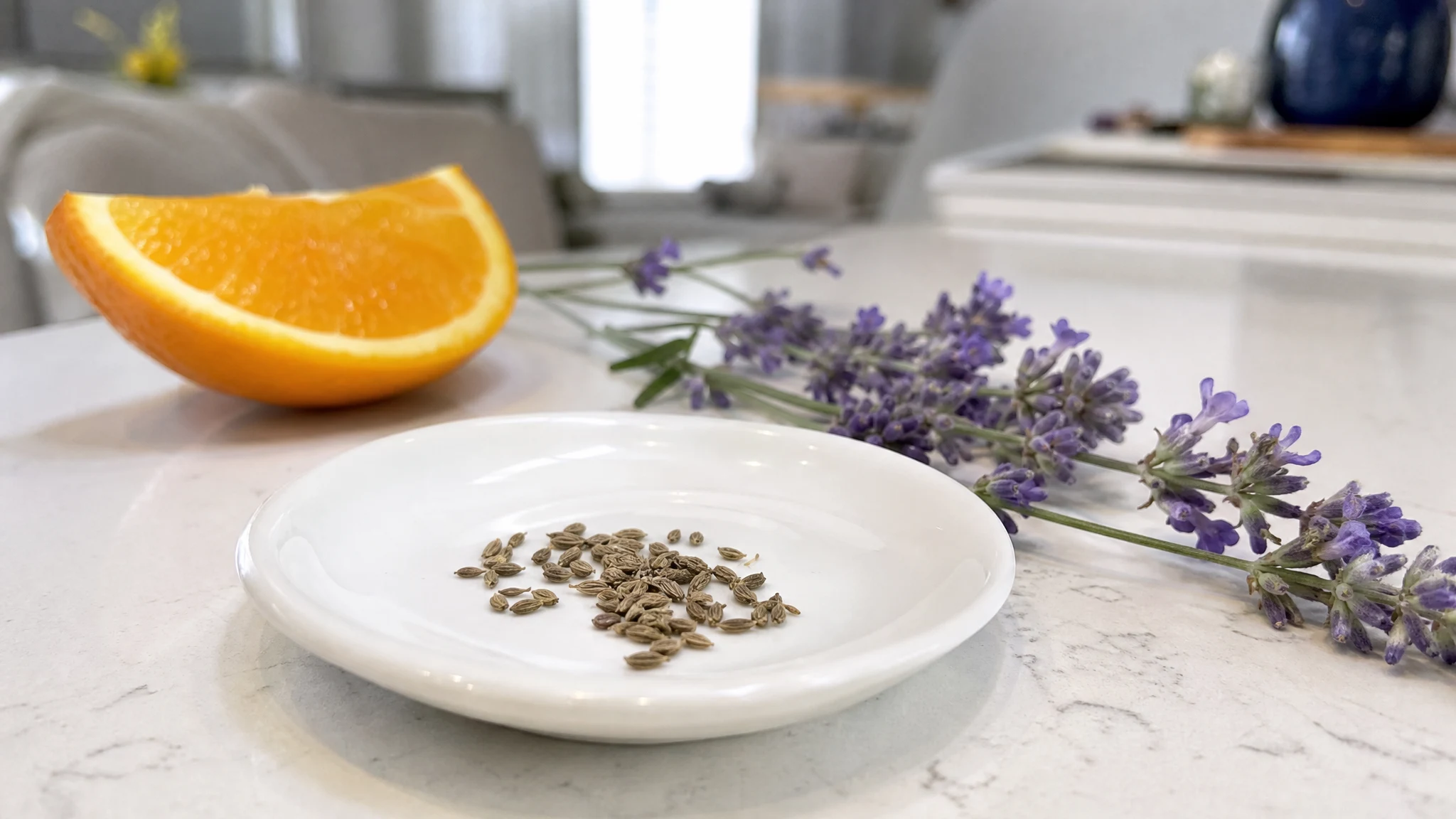
- Treat anise as an accent. It pairs naturally with sweet orange, clove bud, cinnamon leaf, cardamom and ginger. Those oils have limits of their own, so check each for your recipe; we sell only the anise.
- Keep stick-blending short. Anise can speed up trace in cold process soap, so add it once the batter is emulsified and pour promptly.
- Warm a cool bottle first. Anise oil sets near 21 C, and a partly solid bottle pours unevenly. Warm the closed bottle in your hands until clear, as this guide explains.
- Weigh, do not guess. At this scale one extra drop is a big percentage change.
What the bar will smell like
If you are used to bars that announce themselves across the bathroom, a bar scented at this level will feel quiet. You will notice a soft sweetness when you lift it to your nose and a gentle licorice thread when it is wet in your hands. That restraint is not a failure; it is the nature of anise, which is a strong, sweet oil that does not need much room to be recognised. Pair it with a bar that has little other scent and it stays clean and clear.
Set up before you start
The sum is quick, so do it the day before and write the final gram weight on a card. On soap day, you want the oil weighed into its cup and waiting by the time the batter is ready, because a hunt for the scale in the middle of a pour is how mistakes happen. A few more habits make the day calmer:
- Use a dedicated small cup for fragrance so it never meets lye or batter by accident.
- Wipe the neck of the bottle after pouring, and cap it straight away.
- Write the oil weight and the date on your batch notes before you clean up.
When the bars are cured, smell one against a bar from the next batch and note which you preferred. That one comparison teaches you more about your own taste than any rate table.
A bench routine
- Decide the expected cured weight and compute the oil at 0.10%, or from your lot's figure.
- Weigh the oil into a small cup.
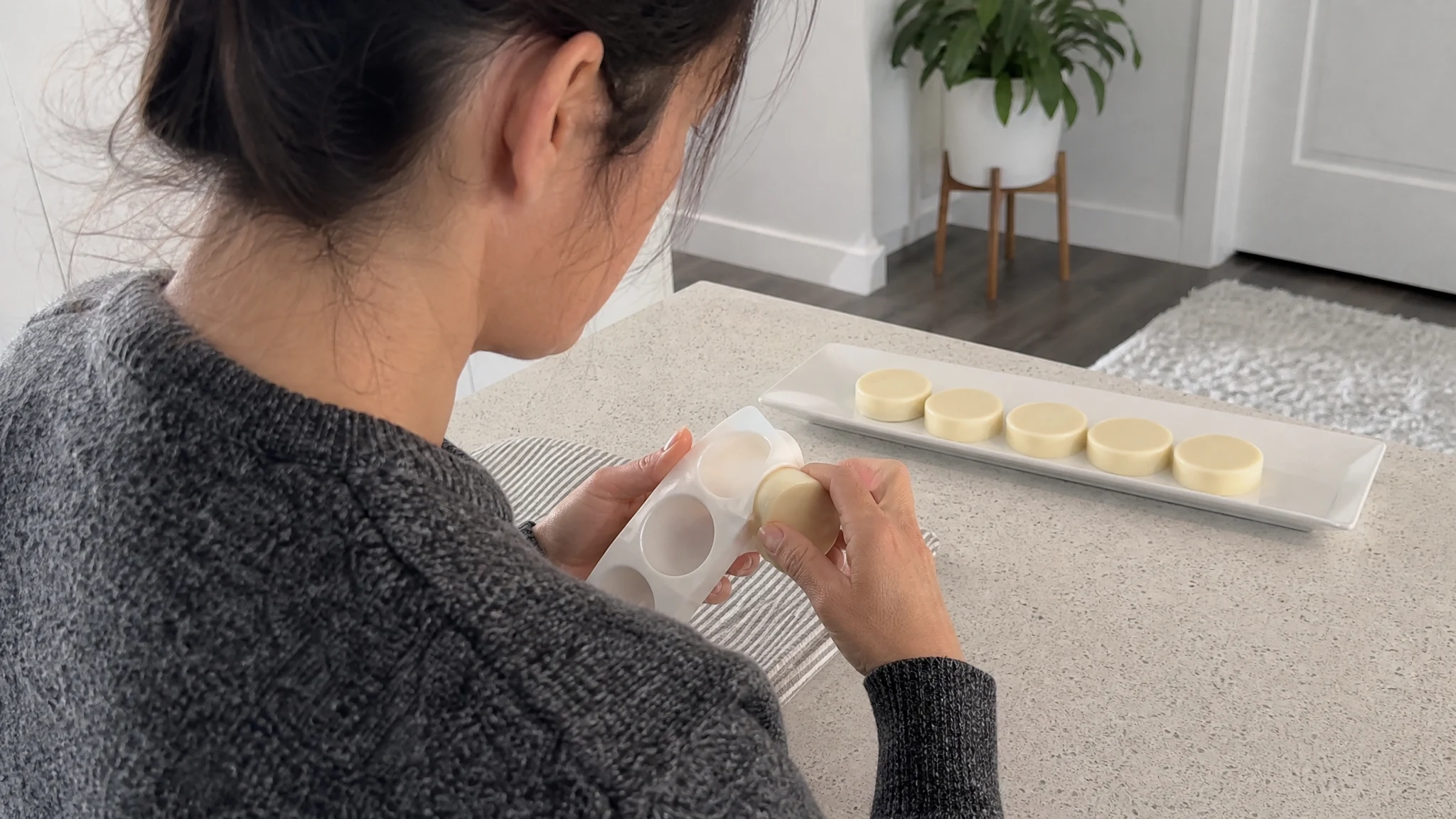
- Stir it in after the batter is emulsified, pour, and let the bars cure as your recipe directs.
Oils, lye and molds come from a soap-supply shop. If you would like another way to enjoy the scent, the room and linen spray is quick to make, and our guide to anise uses shows more.
Anise Essential Oil
Anise Essential Oil from our own shop, in sizes from 0.5 oz to bulk.
From $8.99
Shop Now →