How to Make an Anise Room and Linen Spray
Shake a bottle of water with a few drops of essential oil and you get a brief cloud and then a slick of oil on top. A good room spray needs one extra ingredient, a solubilizer, to hold the oil in the water. And with anise, a lighter touch than most recipes suggest keeps the scent pleasant and the numbers sensible.
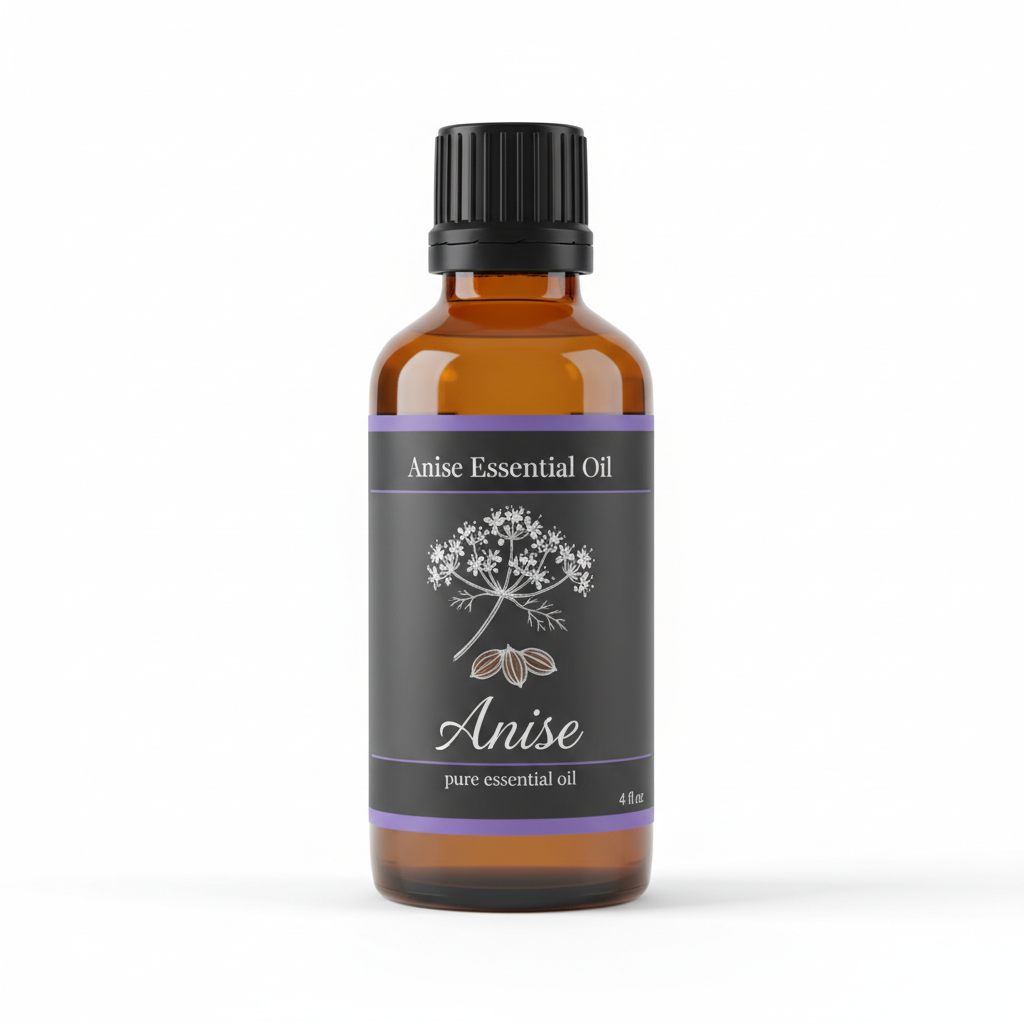
Anise Essential Oil
Our own Anise Essential Oil, in sizes from 0.5 oz to bulk.
From $8.99
Shop Now →Why polysorbate 20
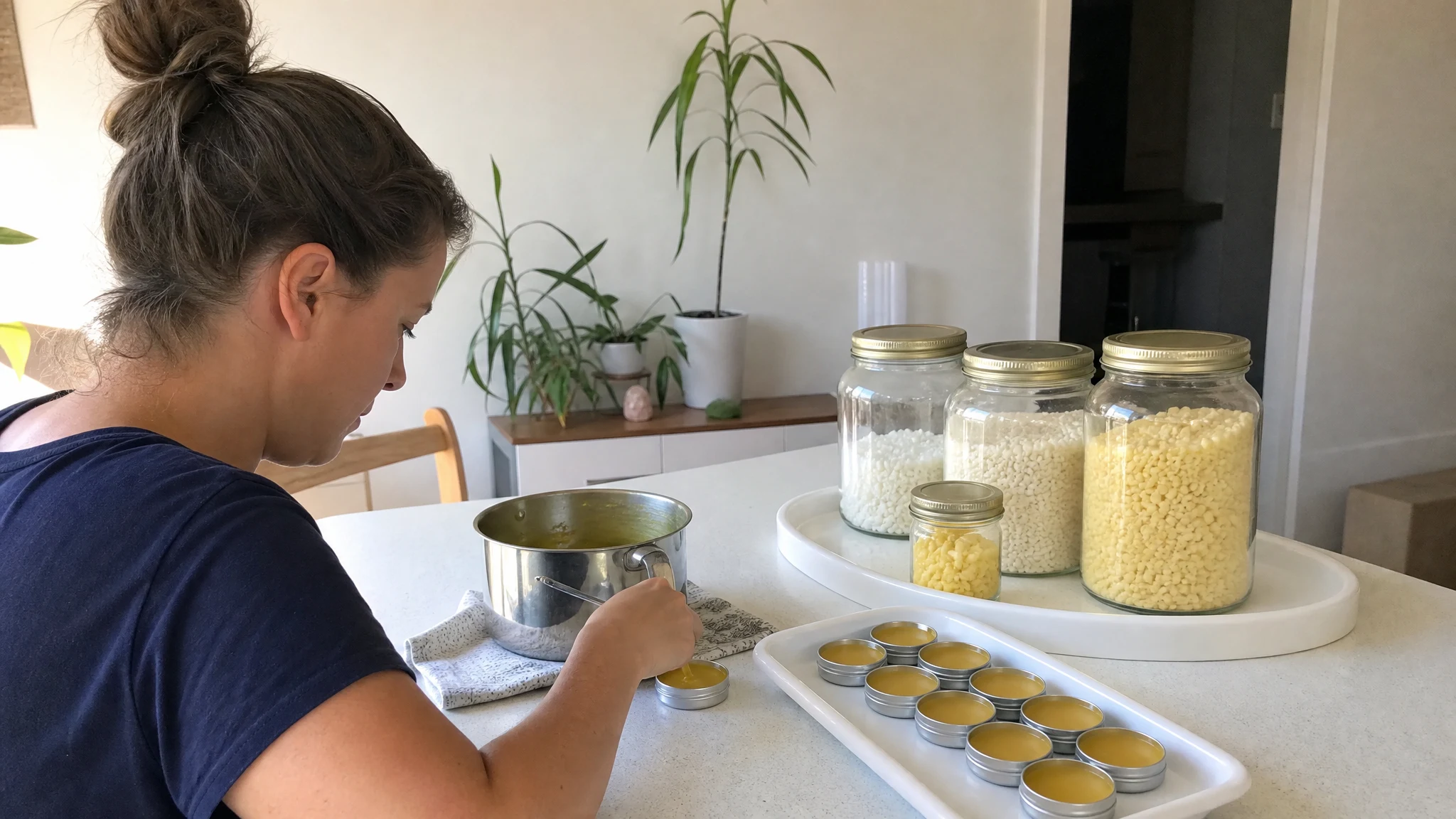
A solubilizer is a surfactant: it wraps tiny oil droplets so they stay dispersed instead of floating. Polysorbate 20 is the common choice for room sprays. Aromantic's published room spray, for instance, combines 3% polysorbate 20 with 3% essential oil, 93% spring water and 1% preservative, and notes that equal parts oil and polysorbate suit light oils, while heavier oils need more. They also note that going above 10% polysorbate 20 can make a spray feel sticky (Aromantic). A slight haze is normal, so a tinted or opaque bottle looks best.
Setting the anise level
That Aromantic formula uses 3% oil, which is an easy fit for many oils. Anise is dominated by anethole and carries a small share of estragole, and IFRA restricts estragole in finished products by category. For fabric sprays, reed diffuser refills and pot-pourri oils (Category 10A) the limit is 0.00094% (IFRA Standards, 51st Amendment).
Using the GC-MS report we publish, which lists estragole (methyl chavicol) at 4.08%, dividing gives 0.00094% / 0.0408, or about 0.023% anise oil. For a 250 g bottle that is roughly 0.058 g, a bit more than one drop. The report is qualitative and carries no batch number, so read this as a sensible order of magnitude, and ask us through the contact page if you need a figure for a specific lot.
That is a whisper of scent compared with a 3% recipe, so think of this as a light linen refresh, not a room filler. If you want something stronger, a diffuser blend or candle gives anise more room; see holiday room scenting with anise and scenting container candles.
Choosing a bottle
The bottle matters more than you would think. Pick a fine-mist sprayer from a craft or cosmetic-supply shop, in dark glass or an opaque plastic that is made for this kind of use, and give it a test squirt of plain water first. A good mist floats down softly, while a bad nozzle spits big droplets that spot fabric. Choose a small size, 100 ml or 250 ml, because a light spray like this one is best made fresh and used up.
The recipe
| Ingredient | Weight % | For a 250 g bottle |
|---|---|---|
| Anise essential oil | 0.02 | 0.05 g |
| Polysorbate 20 (about 4 parts to 1 part oil) | 0.08 | 0.2 g |
| Preservative | at its supplier's rate | per label |
| Distilled water | to 100 | the rest |
Aromantic's guidance is equal parts oil and polysorbate for light oils and more for heavier ones, so 4 to 1 leaves plenty of margin. At this size the numbers are tiny, so weigh the oil on a scale that reads to 0.001 g instead of counting drops.
- Wash the bottle and tools, rinse with hot water and dry them.
- Weigh the polysorbate 20 into a small cup, add the oil and stir until uniform.
- Stir in about a quarter of the water slowly, then the rest.
- Add the preservative at the rate its supplier gives.
- Pour into an opaque spray bottle and label it with the date and "for fabric and air only, not for skin or pets."
Water-based sprays need a preservative; that is why Aromantic's formula includes one. Follow your preservative's directions for shelf life, make small batches and discard any spray that turns cloudy beyond its first haze, smells off or shows floating growth. Without a preservative, treat a spray as same-day use.
Using it well
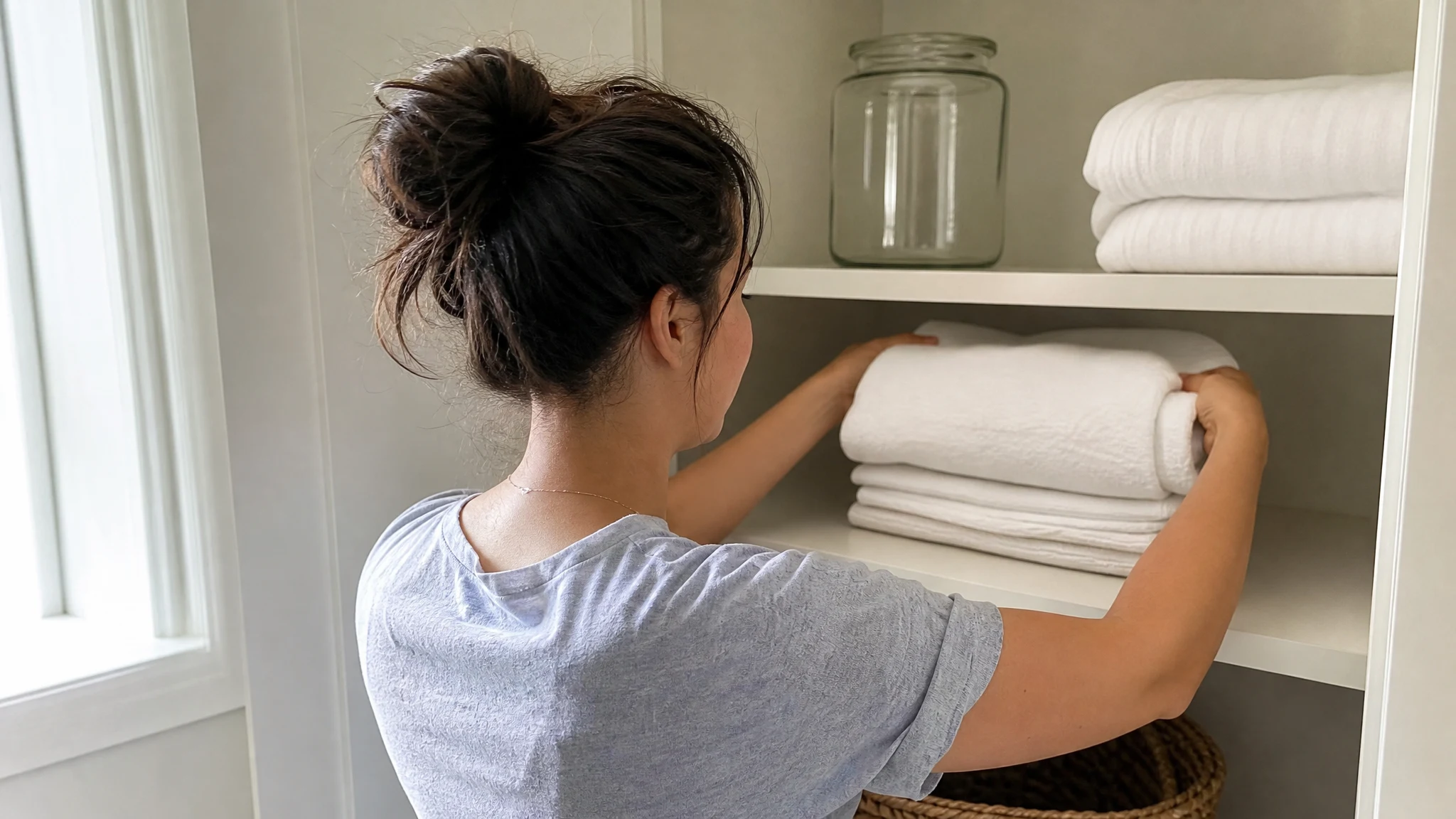
For a room, spray once or twice up and away from yourself, toward the middle of the room and not at furniture, and then leave it alone for a few minutes. Anise has a sweet, warm, licorice-like character, and you will notice it is lovely when it just drifts by and less lovely when you chase it with extra pumps. For linens, mist the air above a freshly made bed or a folded stack of towels and let it dry before anyone lies down or tucks anything in.
Shake the bottle gently before each use, wipe the nozzle now and then, and write the date on the label so you know how old the batch is. A small, neat label is a good habit, and it saves you from wondering later what is in the bottle.
Fabric, pets and little ones
Spray a hidden hem or seam first, let it dry completely and check for rings or color change, because oil and polysorbate can mark delicate or dark cloth. Hold the bottle at arm's length and mist lightly rather than soaking.
Cats deserve a special mention. Pet Poison Helpline's veterinary guidance says cats lack a liver enzyme that helps them process essential oils (Pet Poison Helpline), and Texas A&M's veterinary school notes that droplets from diffusers can settle on fur and be swallowed during grooming (Texas A&M). Do not spray where a cat sleeps or walks through damp mist. The same organization names cats and birds as the pets at greatest risk from essential oils (blog), so skip the spray in rooms where birds live. If a pet is exposed and unwell, call your veterinarian or an animal poison control line.
Keep this spray out of nurseries and use it in a ventilated room. Anyone who is pregnant or has an allergy to aniseed, anethole or carrot-family plants should ask a doctor first; our safety basics and the guide to anise oil around children cover the rest.
Anise Essential Oil
Anise Essential Oil from our own shop, in sizes from 0.5 oz to bulk.
From $8.99
Shop Now →