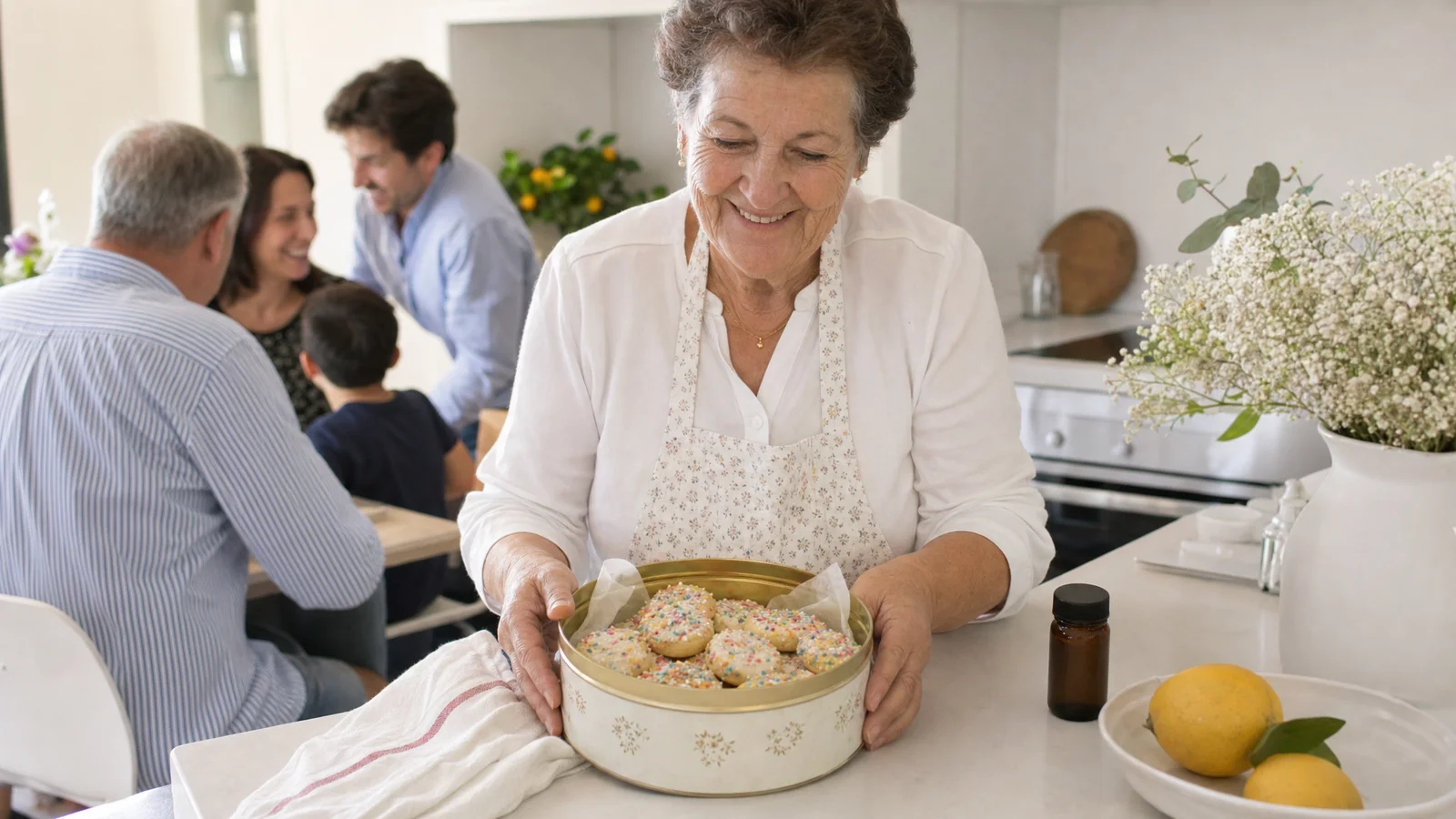
Italian Anise Cookies: How Much Flavor to Use
An Italian anise cookie is about as simple as dough gets: butter, sugar, eggs, flour and a leavener, with one flavoring doing most of the talking. That makes it the perfect place to learn how anise behaves in baking, and the reason it pays to start with the right form of flavoring and a light hand.
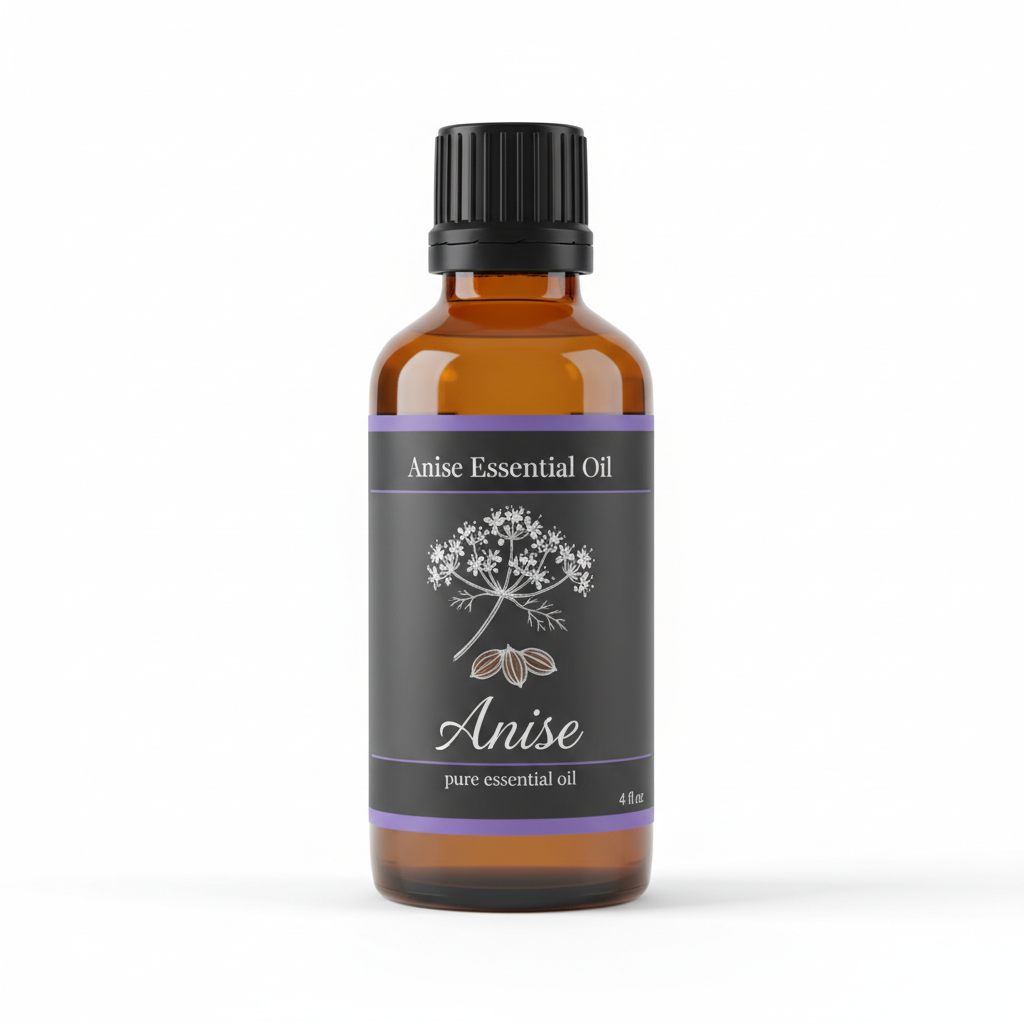
Anise Essential Oil
Our own Anise Essential Oil, in sizes from 0.5 oz to bulk.
From $8.99
Shop Now →A reference dough
A widely shared anise biscotti from The Clever Carrot shows the scale of things. It makes 28 to 32 pieces from 120 g (8 tablespoons) softened unsalted butter, 150 g (3/4 cup) sugar, 2 large eggs, 265 g (2 cups) all-purpose flour, 1 1/2 teaspoons baking powder, 1/2 teaspoon fine sea salt, 1 teaspoon vanilla and 2 teaspoons anise extract. The logs bake at 325 F for 25 to 30 minutes, rest 20 to 30 minutes, are sliced into 1/2-inch pieces and baked again for 20 minutes (The Clever Carrot, 2022). It is a biscotti rather than a soft glazed cookie, but the flavoring question is the same: how much anise goes into roughly 400 g of dough, and in what form. The author notes you can go up to a tablespoon of extract for a stronger flavor.
Where the flavoring goes
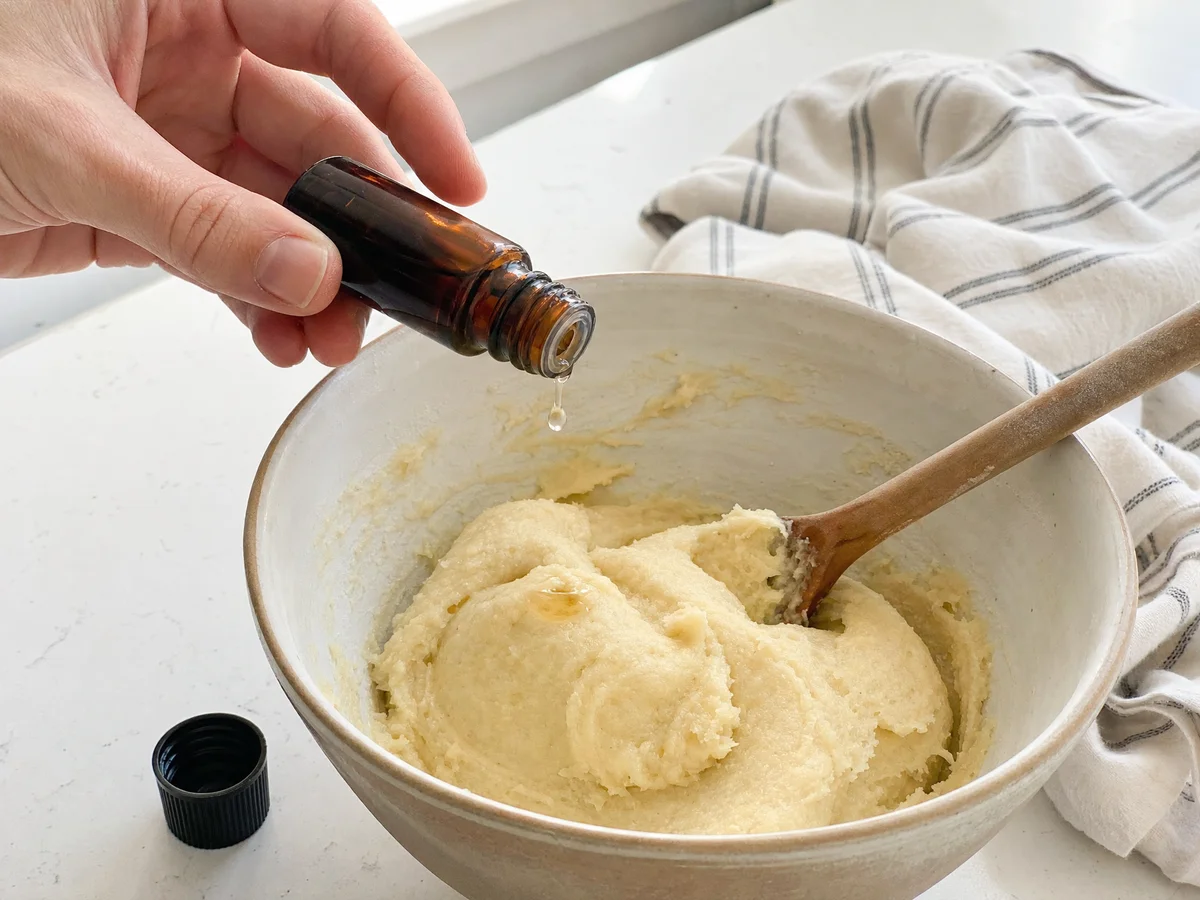
In that recipe the extract goes in at the creaming stage, with the butter and sugar, before the eggs. That is a good habit for any anise cookie. Flavoring blended into the fat early spreads through the dough evenly, while a concentrated drop added late into a mostly flour-and-egg dough can sit in a pocket. If you ever work from a recipe written for extract with something stronger, keep that order.
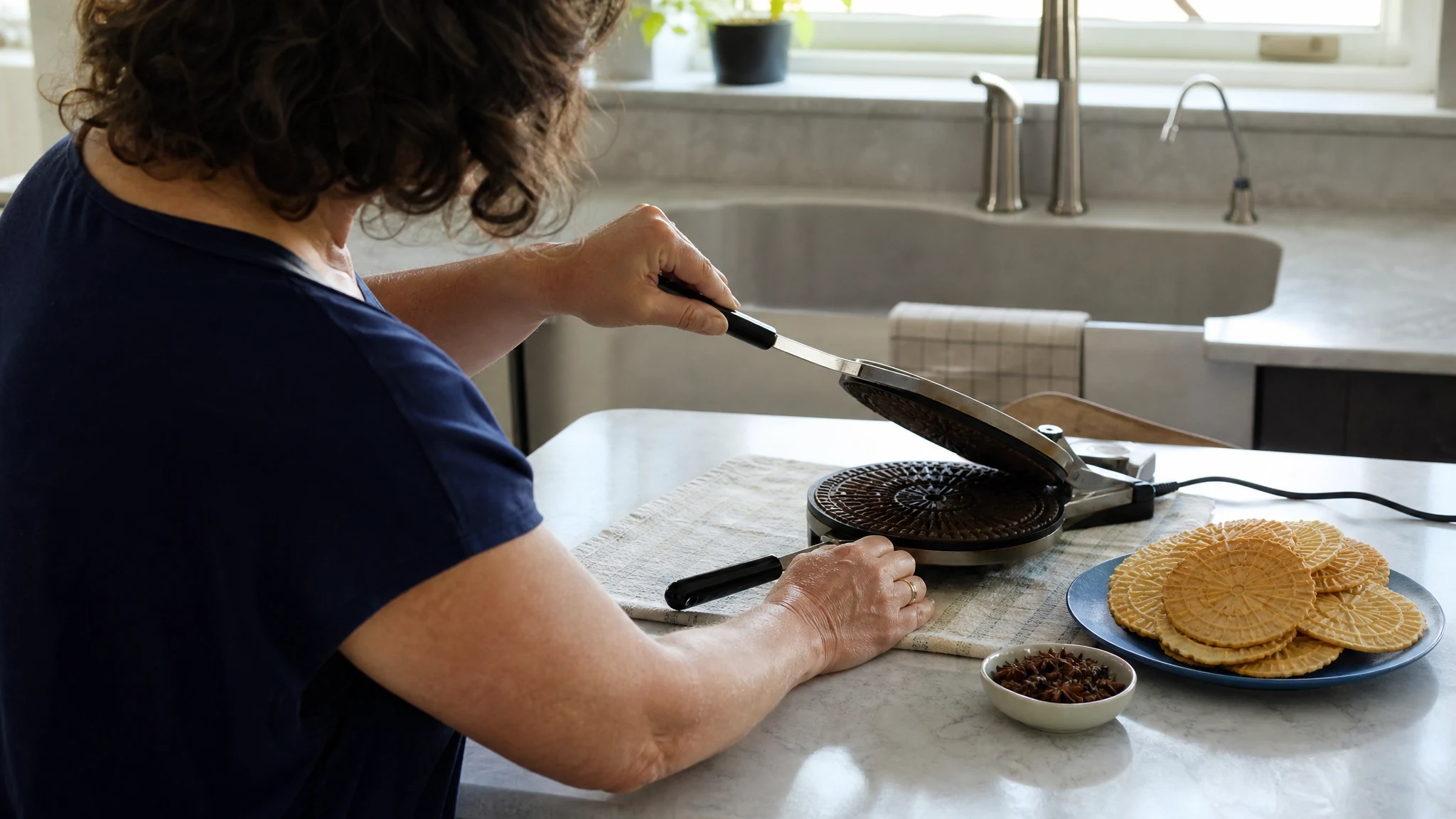
Anise is also often an accent rather than the headline. The King Arthur Baking pizzelle page notes that classic pizzelle and other Italian Christmas cookies are often flavored with anise extract or anise seed, and advises starting with 1/4 teaspoon of extract because amounts vary a lot with extract strength (King Arthur Baking). The number worth copying is the starting point, not the finish line.
Extract, seed or food oil
| Form | What to know |
|---|---|
| Anise extract | The standard in both recipes above. Measured by the teaspoon, easy to dose and forgiving. |
| Ground or crushed seed | A traditional option; flavor builds gently, and how finely you crush it is up to you. |
| Food-labeled anise oil | Much stronger. One flavoring maker says to use 1/4 to 1/2 teaspoon of its oil for each teaspoon of extract (Southern Flavoring). That ratio belongs to that product, so use the one on your label. |
For a first batch, extract is the easy road because the recipes are written for it. Our conversion explainer, baking with anise oil, goes deeper on why a ratio from one bottle does not carry to another. For a drier, crunchier bake, see our anise biscotti, and for a different shape of the same flavor, the springerle.
Tips from the mixing bowl
Some small habits make any anise cookie friendlier. Let the butter and eggs come to room temperature before you start, so the dough comes together smoothly. Stir in the flour just until it disappears, since overworking a dough tends to make cookies tough. If the dough feels sticky, chill it for a short while before shaping, and flour your hands lightly rather than adding more flour to the bowl.
When the cookies come out, let them cool completely before you decide whether they need anything else. Many Italian cookies are finished with a simple glaze of confectioners' sugar stirred with a little milk, and a shower of colored sprinkles for the holidays. A glaze on a still-warm cookie slides right off, so patience pays here.
Taste, then adjust
The best way to learn how much anise you like is to make a small first batch or bake a single test cookie. Taste it once it has cooled, because warm cookies smell stronger than they taste. Write the amount you used on the recipe card so the next batch can be a touch more or a touch less. Anise is a flavor that people feel strongly about, so it is worth having your own number on file.
Why our oil stays out of the bowl
We keep our Anise Essential Oil for aromatic and cosmetic use, and it is not for internal use, so it is not a cookie flavoring. The Certificate of Analysis we publish for one batch lists density, refractive index and optical rotation, and it is not a food document. The European Medicines Agency's herbal committee describes estragole, which occurs in anise oil, as a naturally occurring genotoxic carcinogen on animal evidence, and says use in sensitive groups such as young children and pregnant or breastfeeding women should be minimised (EMA/HMPC statement, EMA/HMPC/321181/2012). Those documents govern medicines and set no cookie threshold, which is exactly why we leave baking to products made for it.
Poison Control also points out that swallowing some essential oils can be poisonous and that children's thin skin and immature livers may leave them more susceptible, so keep any concentrated oil out of kitchen drawers a child can reach (Poison Control). Anyone who is pregnant, breastfeeding or on medication should ask a physician or pharmacist about foods flavored with concentrated oils; our pages on pregnancy and hormones and medications cover who should ask first.
Where our oil does shine
If you want our oil to scent a baking weekend, put it where it was made to go: a diffuser blend with sweet orange, clove bud or cinnamon leaf, or a light linen spray. For the cookie, use a flavoring made for cookies.
Anise Essential Oil
Anise Essential Oil from our own shop, in sizes from 0.5 oz to bulk.
From $8.99
Shop Now →Sources & Further Reading
- The Clever Carrot: Italian Anise Biscotti (2022)
- King Arthur Baking: Pizzelle (Italian Christmas Cookies)
- Southern Flavoring: LorAnn Anise Oil listing
- EMA/HMPC: Public statement on herbal medicinal products containing estragole, Revision 1
- EMA/HMPC: Assessment report on Pimpinella anisum (EMA/HMPC/321181/2012)
- Poison Control: Essential oils