Springerle Anise Cookies: Why the Dough Dries First
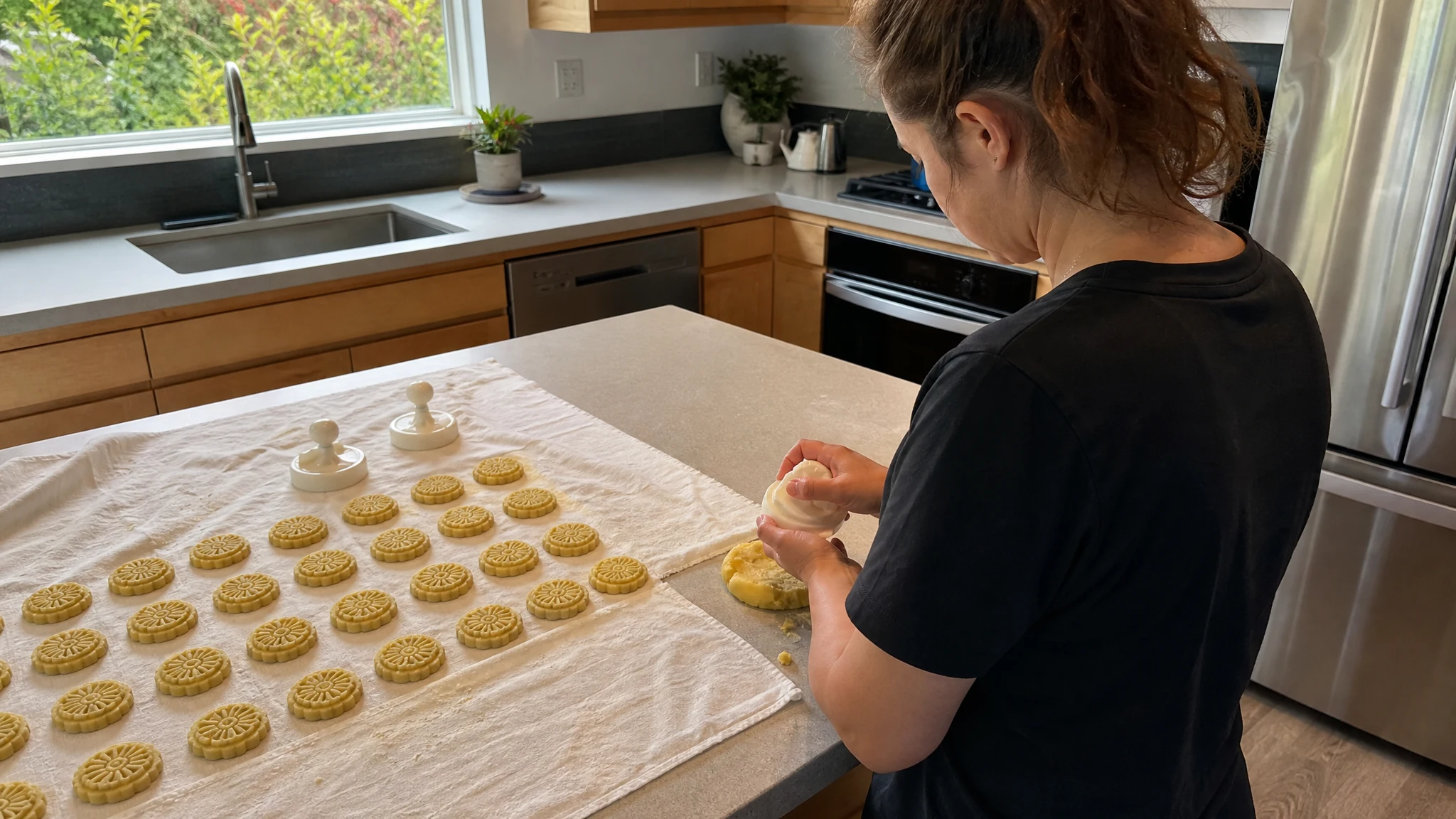
A springerle cookie is finished long before it goes in the oven. The dough is pressed into a carved mold, a horse or a flower or a tiny winter village appears on the surface, and then the baker does something that feels almost wrong: walks away and lets it sit on the counter overnight. That pause is the whole technique, and it is why these anise cookies keep their pictures.

Anise Essential Oil
Our own Anise Essential Oil, in sizes from 0.5 oz to bulk.
From $8.99
Shop Now →Why the cookie waits
Springerle are a South German biscuit with roots that reach back at least to the 14th century in Swabia, and one of the oldest surviving molds, in a museum in Zurich, dates from that century (see Wikipedia's overview). Nobody is sure where the name comes from. It may nod to a jumping horse carved into an early mold, or to the way the dough springs up as it bakes.
That springing is the reason for the wait. Drying the pressed cookie sets the pattern, so when the leavening goes to work in the oven the cookie rises from underneath instead of smearing the design. The result is the signature "foot", a little ruffled skirt around the base with the picture sitting crisp on top. Kimberly Killebrew of The Daring Gourmet makes a point of 24 hours at room temperature before baking, and she explains one more trick: pressing the bottoms lightly on a damp cloth evens out the moisture so the cookies rise level instead of leaning to one side (The Daring Gourmet). Our reading of that is simple. A dry skin on top, an even base, and no hurry.
Where the anise goes
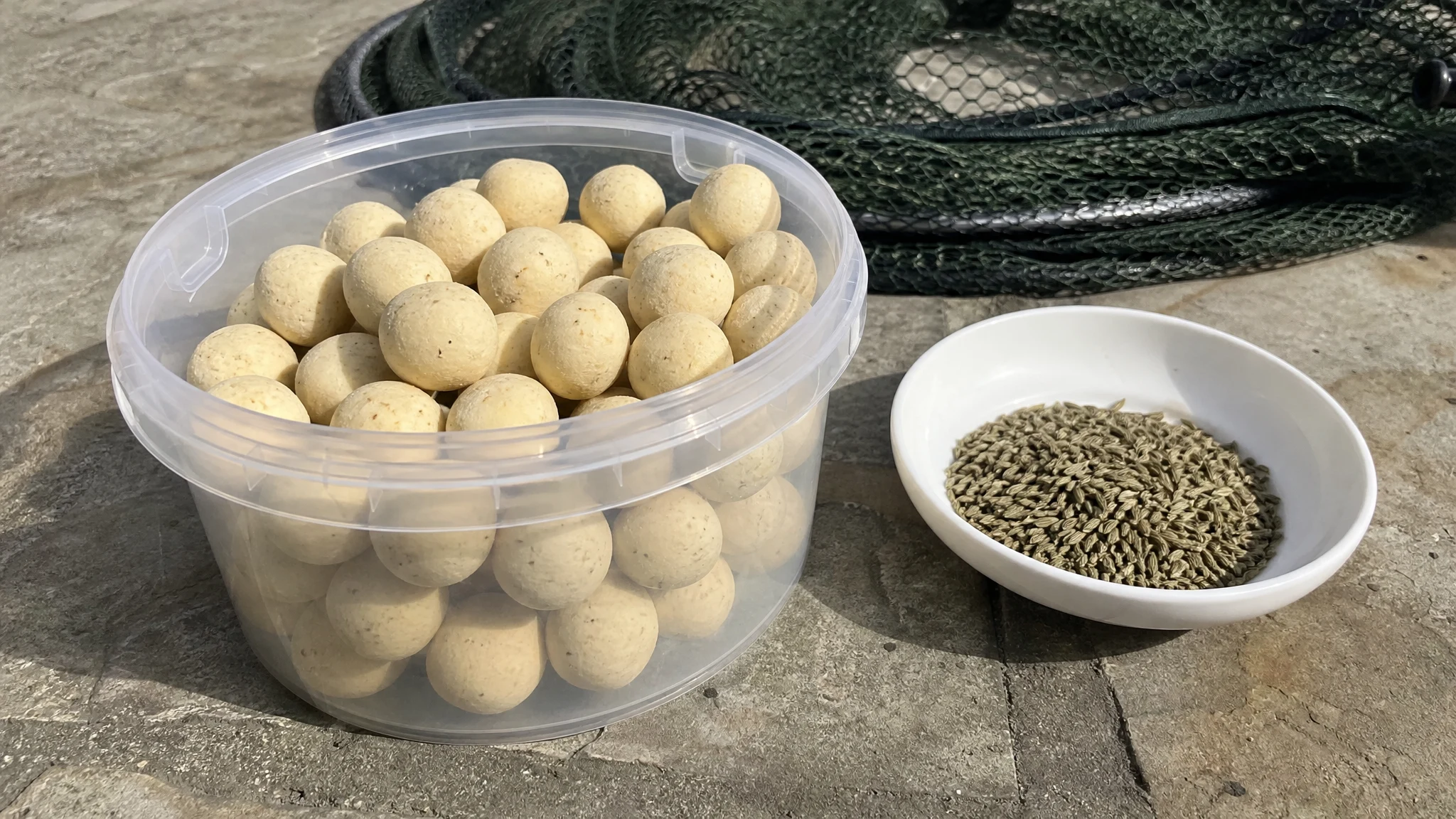
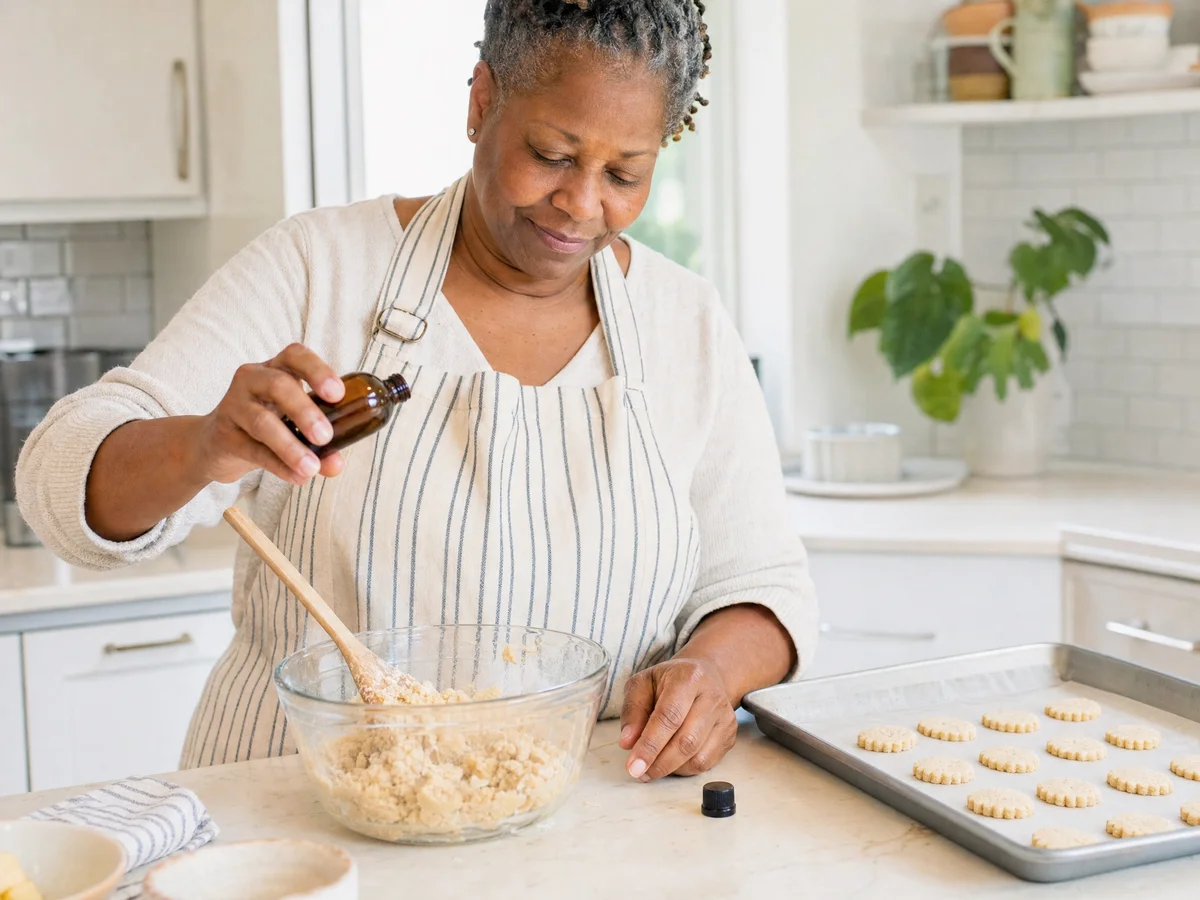
Springerle are traditionally anise cookies, though the anise often stays out of the dough. Wikipedia notes that the seeds are usually crushed or scattered on the baking sheet so each cookie sits on a bed of them and picks up flavor from underneath. The Daring Gourmet does that too and adds that many German bakers also put a few drops of food-labeled anise oil in the dough for extra lift in flavor.
That last step is where we step back. Our Anise Essential Oil is an aromatic and cosmetic oil, so it does not belong in a dough, and we would never suggest it. If you want anise oil in a cookie, look for a bottle sold as a food flavoring with a usage rate printed on the label, and follow that rate, because strengths differ widely from one product to the next. Our comparison of anise oil and anise extract explains why a spoon of one is never a spoon of the other, and our piece on what the label decides covers how to tell a flavoring from an aroma oil.
Hartshorn or baking powder
Old recipes raise springerle with hartshorn salt, also called baker's ammonia (ammonium carbonate). Wikipedia says cookies made with it come out lighter and softer, take a crisper design, and keep longer than those made with baking powder. Because hartshorn can be hard to find, many modern recipes use baking powder instead, and plenty of home bakers are happy with the result. The Daring Gourmet sticks to baker's ammonia for the authentic texture. If you try it, expect a sharp smell from the oven while the cookies bake, and use it only in thin, dry doughs like this one.
Ripening is part of the recipe
Fresh springerle are hard. That is normal, and it is the point of the next stage: stored in a tin, they mellow over two to four weeks and become tender, and the anise flavor deepens as they rest. The Daring Gourmet's method is to keep them airtight with half an apple alongside, changing the apple now and then, and to remove it once they have softened. She also notes that these are dunking cookies, made for a hot drink. That makes springerle an unusually good gift cookie. You bake them in early November and they are at their best by the holidays. For more traditions to build a season around, see anise in holiday baking around the world.
Getting the picture to show
The charm of a springerle is the picture, so give the mold a fair chance. Dust it lightly with flour and tap out the excess, since a thick coat of flour hides the fine lines. Press the mold into the dough firmly and evenly, in one steady motion, then lift it straight up so the design does not smear. If a cookie comes out blurry, fold the dough back together and try again, because the dough is forgiving and the second pressing is often the better one.
Cut around each picture with a knife or a pastry wheel, and move the cookies gently to the baking sheet. You will find that a sharp, clear pattern feels very rewarding after a night of waiting, and it makes these cookies wonderful for gifting. Layer them in a tin with parchment between the rows, and they travel well.
A short list for your first batch
- Roll the dough to about a third of an inch (1 cm) so the mold has depth to press into, and flour the mold well.
- Let the cut cookies dry a full day, longer in humid weather, until the tops feel dry to the touch.
- Press the bottoms on a damp cloth before baking so they rise evenly.
- Bake pale, not golden, and then give them weeks in a tin.
If you would like the smell of anise around the kitchen while the dough dries, that is what our oil is for: aroma.
Anise Essential Oil
Anise Essential Oil from our own shop, in sizes from 0.5 oz to bulk.
From $8.99
Shop Now →