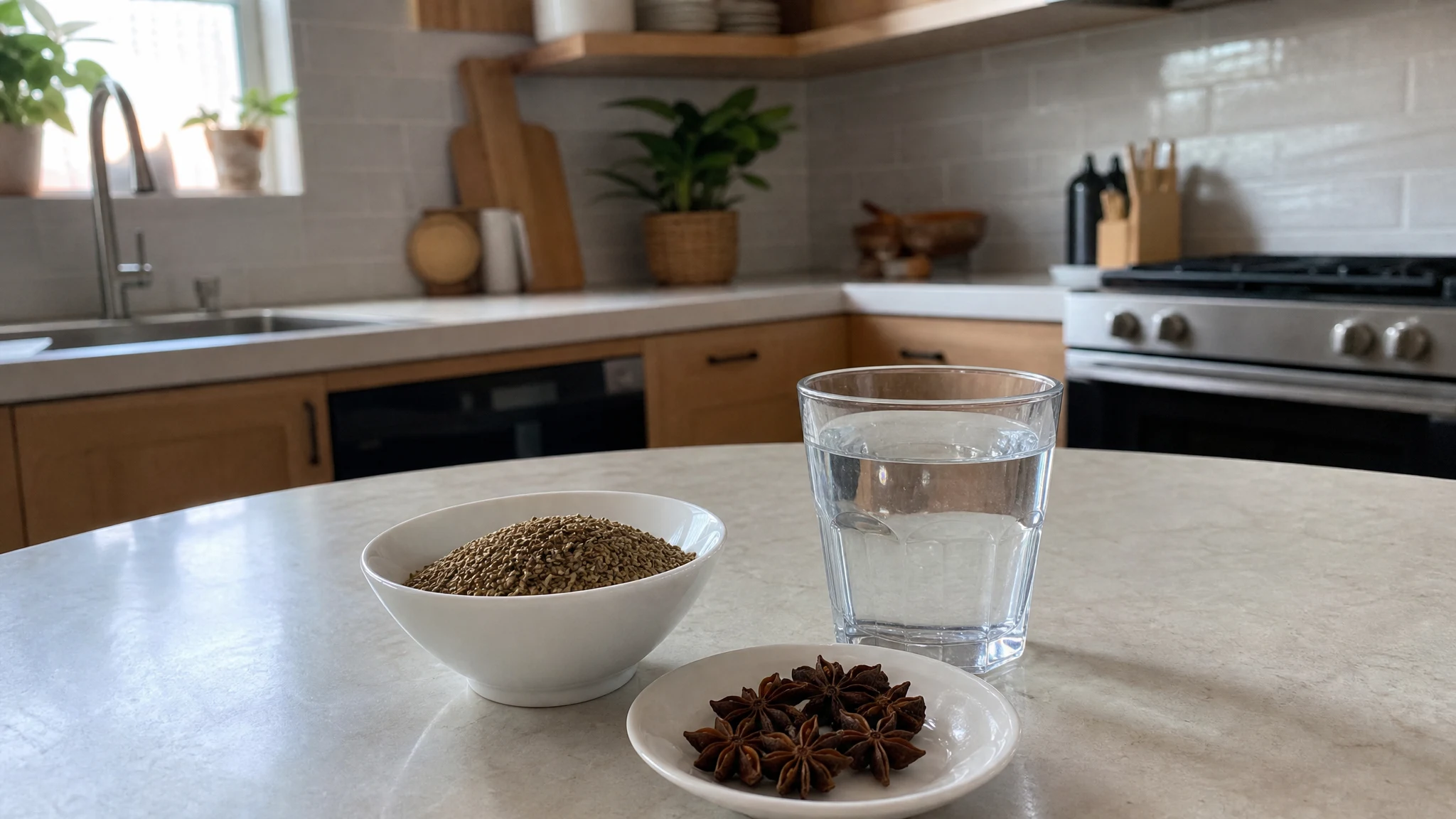
Can You Eat Anise Oil? What the Label Tells You
Anise tastes like Christmas cookies and licorice whips, so it is a natural question: if the spice is food, is the oil food too? We get why people ask. Our answer is no, not for our bottle. The reason is worth a minute, because it is not about anise being scary. It is about what a label says a product is for.
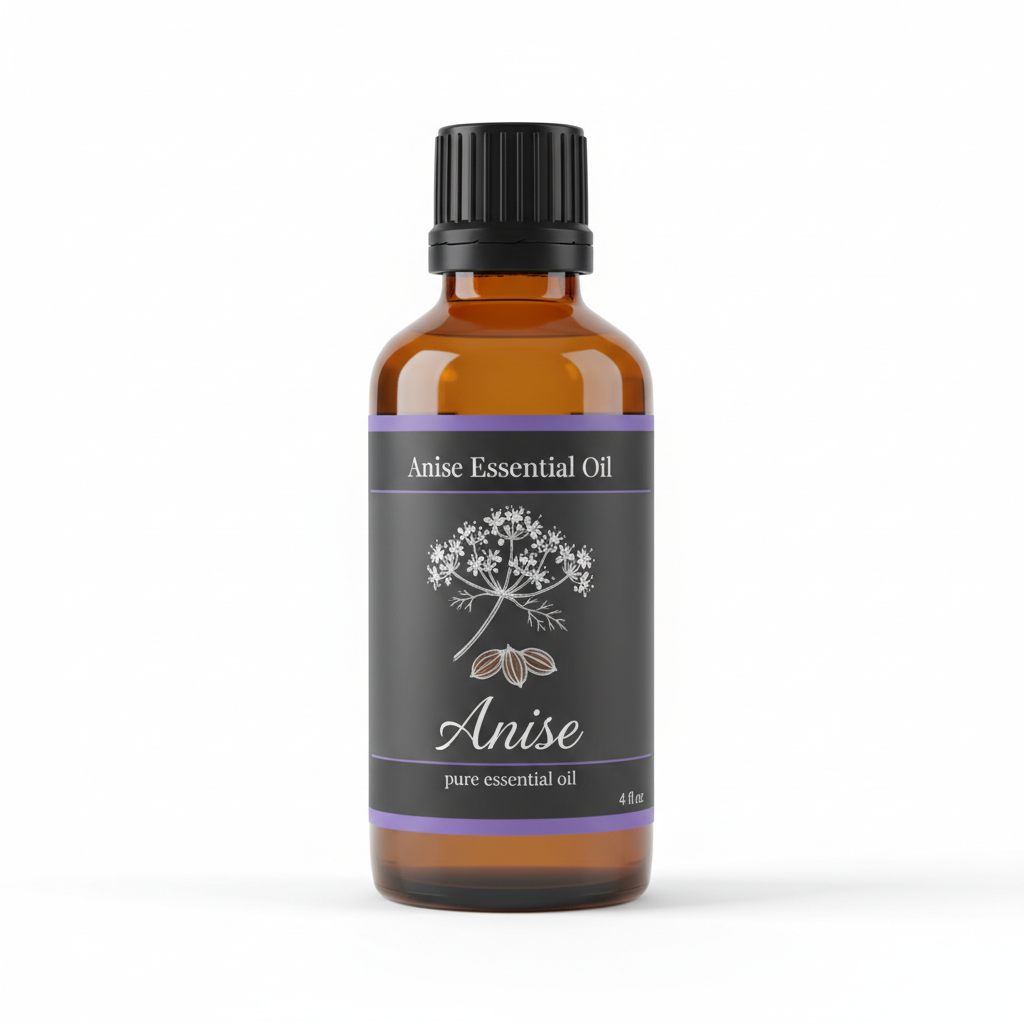
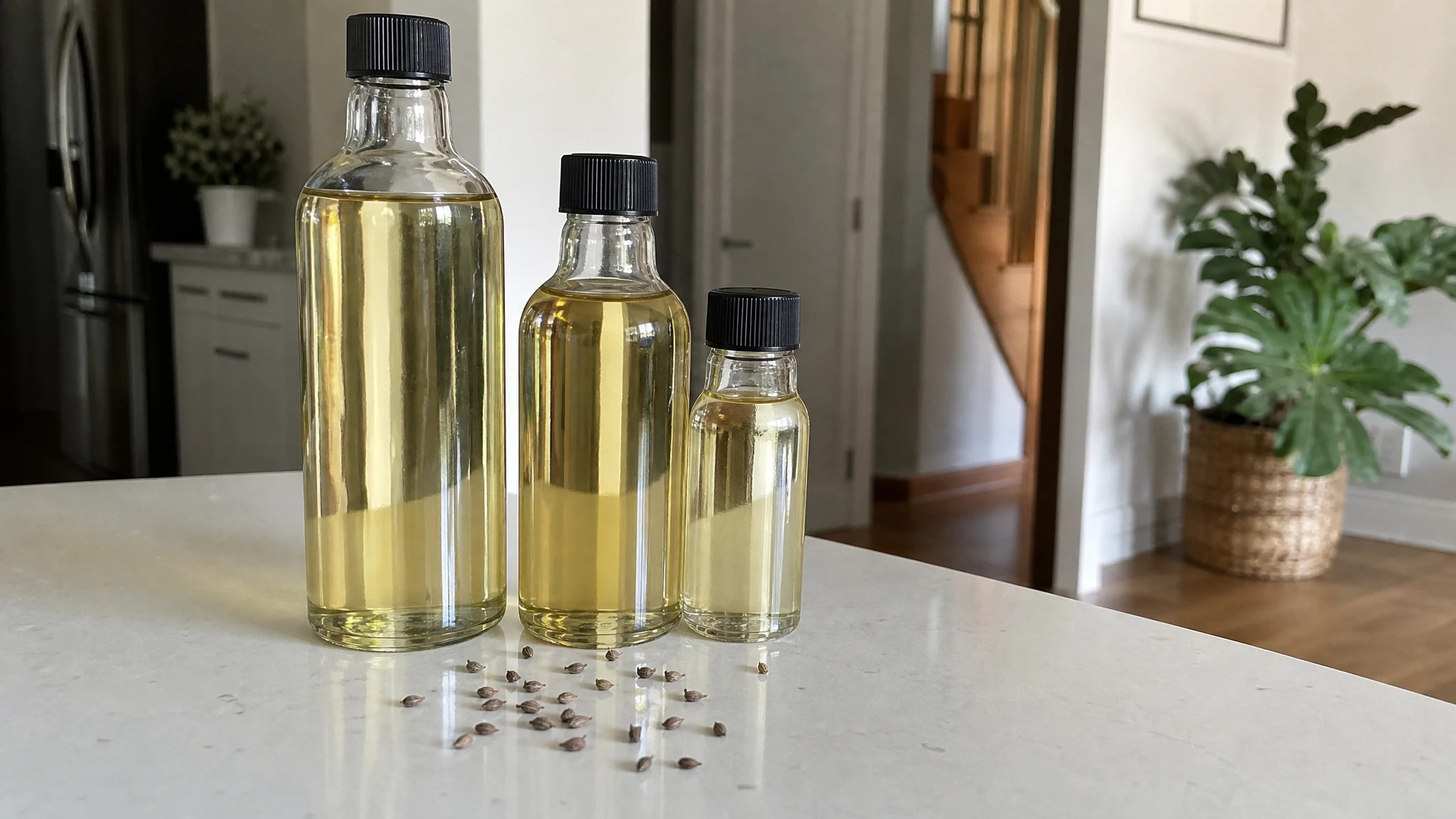
Anise Essential Oil
Our own Anise Essential Oil, in sizes from 0.5 oz to bulk.
From $8.99
Shop Now →What US food law says about anise oil
The Code of Federal Regulations lists essential oils that are generally recognized as safe "for their intended use," and anise (Pimpinella anisum L.) is on that list (21 CFR 182.20). Read that phrase slowly. The listing is about a plant source used as a flavoring, in food, under the standards that apply to food. It is not a stamp on every bottle that says "anise oil". The same plant oil can show up in three different products: a food flavoring, an aromatic or cosmetic oil, and a fragrance oil that may not be an essential oil at all. What separates them is how each is made and sold, and what the seller tells you it is for. Our guide to fragrance oil versus essential oil covers the third.
Our Anise Essential Oil is sold for aroma and cosmetic projects, sold neat, and labeled not for internal use. We do not describe it as food grade, and we do not offer an amount for eating it, because it is not ours to recommend. Anise seed and food-labeled anise extract are ordinary baking ingredients, and that is where we point you.
Why strength matters
There is a plain practical reason too. A drop of essential oil is far more concentrated than a drop of extract. Kitchen measuring spoons are not made for an ingredient that strong, and the European regulators' monograph on anise oil records that swallowing 1 to 5 milliliters has been associated with nausea, vomiting, seizures and pulmonary oedema (EMA/HMPC/321185/2012). The same document makes use in anyone under 18 a contraindication for its oral herbal products. That is a regulator speaking about swallowed oil, and it is the reason we would keep any aroma oil capped and out of reach of children and pets. If someone does swallow essential oil, call Poison Control at 1-800-222-1222 in the US, and keep the bottle to read from. Poison Control also points out that many essential oils can be poisonous if swallowed or absorbed through the skin (poison.org).
What to buy when a recipe says anise oil
Plenty of recipes call for "anise oil" without saying which kind. If you are baking or making candy, look for a bottle that says it is a food flavoring, with an ingredient list and a usage rate on the label. Whole anise seed from a spice seller is another good route, and it is what traditional recipes such as springerle use on the pan. Our oil versus extract guide explains why strengths cannot be swapped by the spoon. If a seller is not clear that a product is for food, treat it as not for food.
A kitchen habit worth having
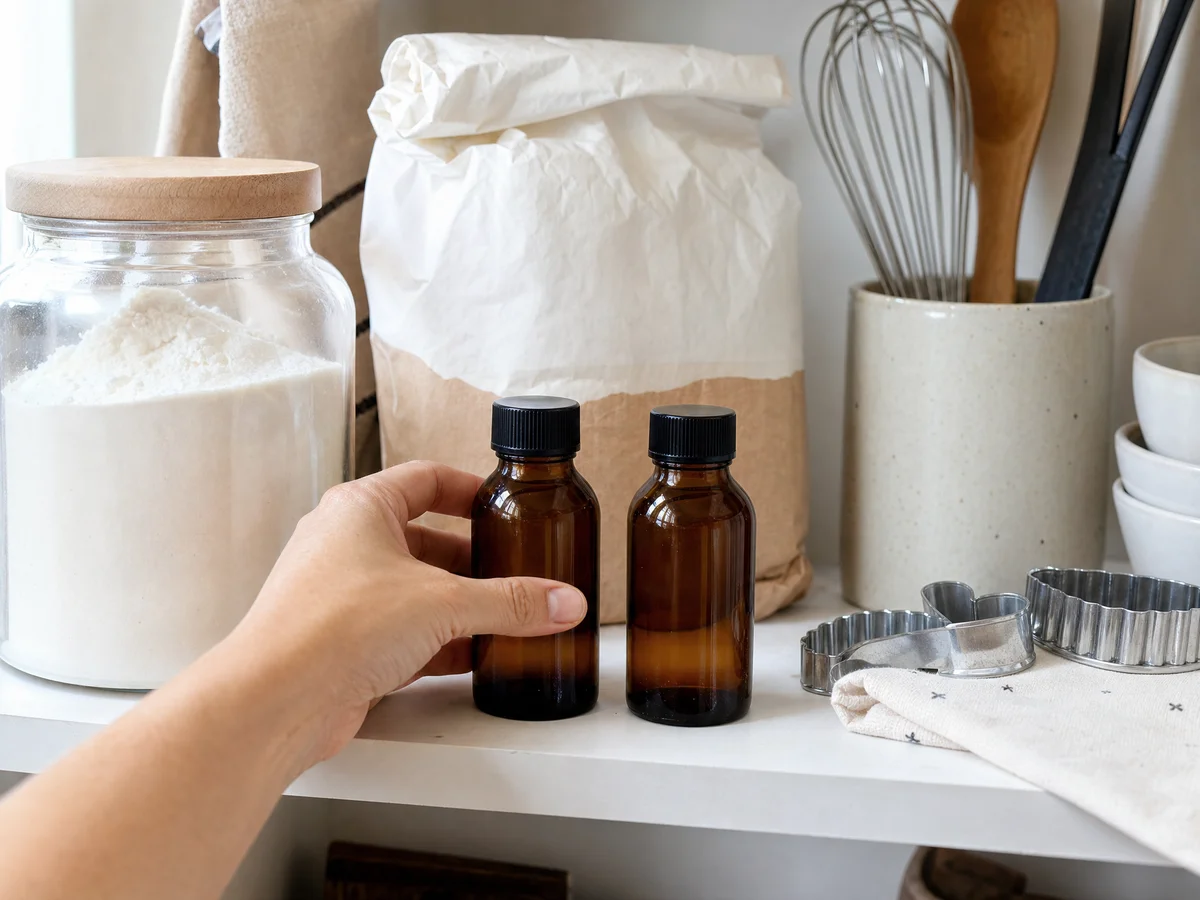
Home cooks mix things up when they are tired and in a hurry, so give aroma bottles their own shelf. Keep them away from the vanilla, the extracts and the spice jars, ideally in a box or a drawer in another room. A food flavoring and an aroma oil can look surprisingly alike in a small brown bottle, and a good label is a help, but distance is a better safeguard than a label you read at eleven at night.
Reading any bottle in your kitchen
When you pick up a bottle, ask three quick questions. Does it list ingredients? Does it say what it is for, in plain words such as "food flavoring" or "for external use"? Does it give a usage amount for a recipe? If the answer to any of these is no, leave it out of the mixing bowl. It costs you nothing to use the flavoring that was made for the job, and it keeps your cookies tasting like cookies.
What our oil is for
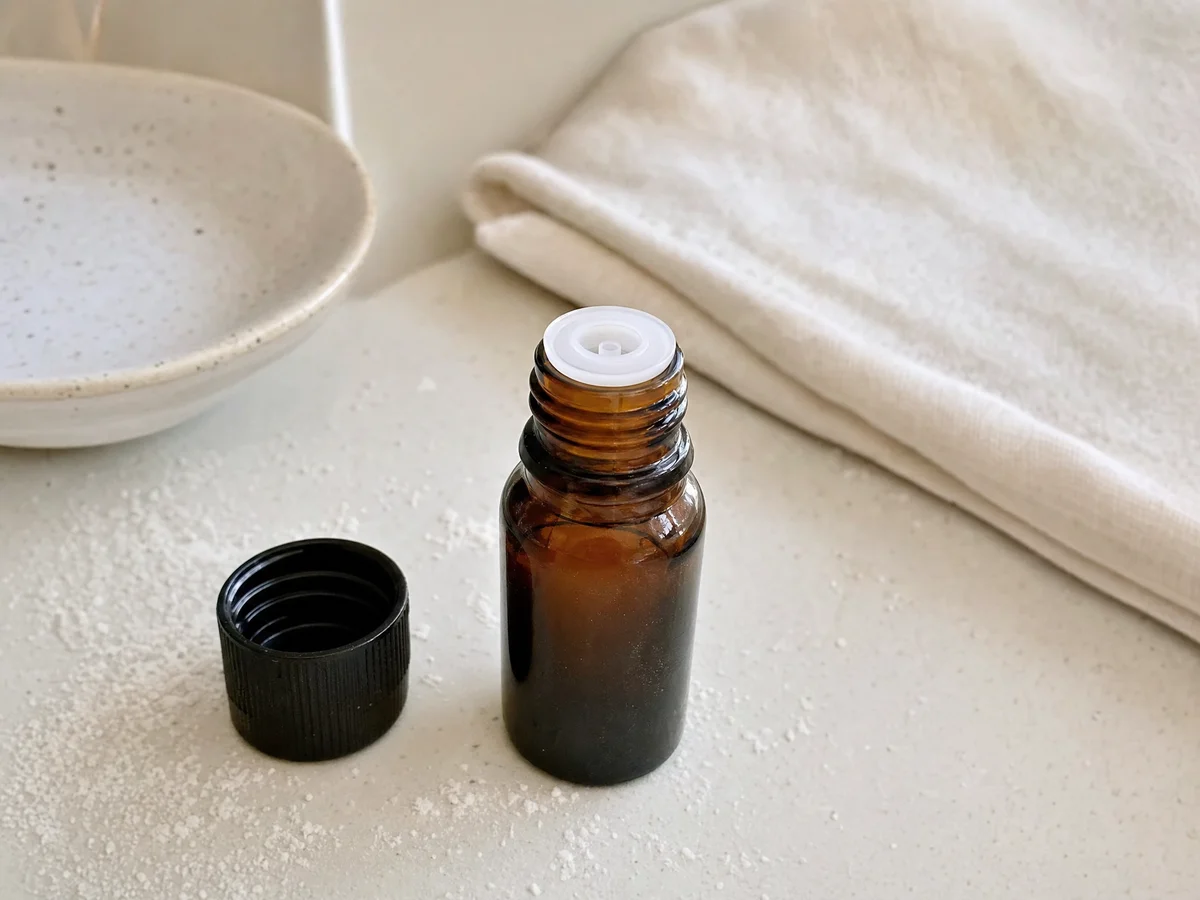
Aroma and craft. Diffuser blends with sweet orange, clove bud or cinnamon leaf, perfume accents, and soap and candle projects, with skin use only well diluted. Our safety basics walk through that. If you love the smell of anise and want the real thing for your next project, you will find the sizes in the shop, and wholesale buyers can start at the wholesale page.
And if you are pregnant or nursing, on medication, or choosing for a child, a pharmacist or physician is the right person to ask about any concentrated plant product, whatever the label says.
Anise Essential Oil
Anise Essential Oil from our own shop, in sizes from 0.5 oz to bulk.
From $8.99
Shop Now →