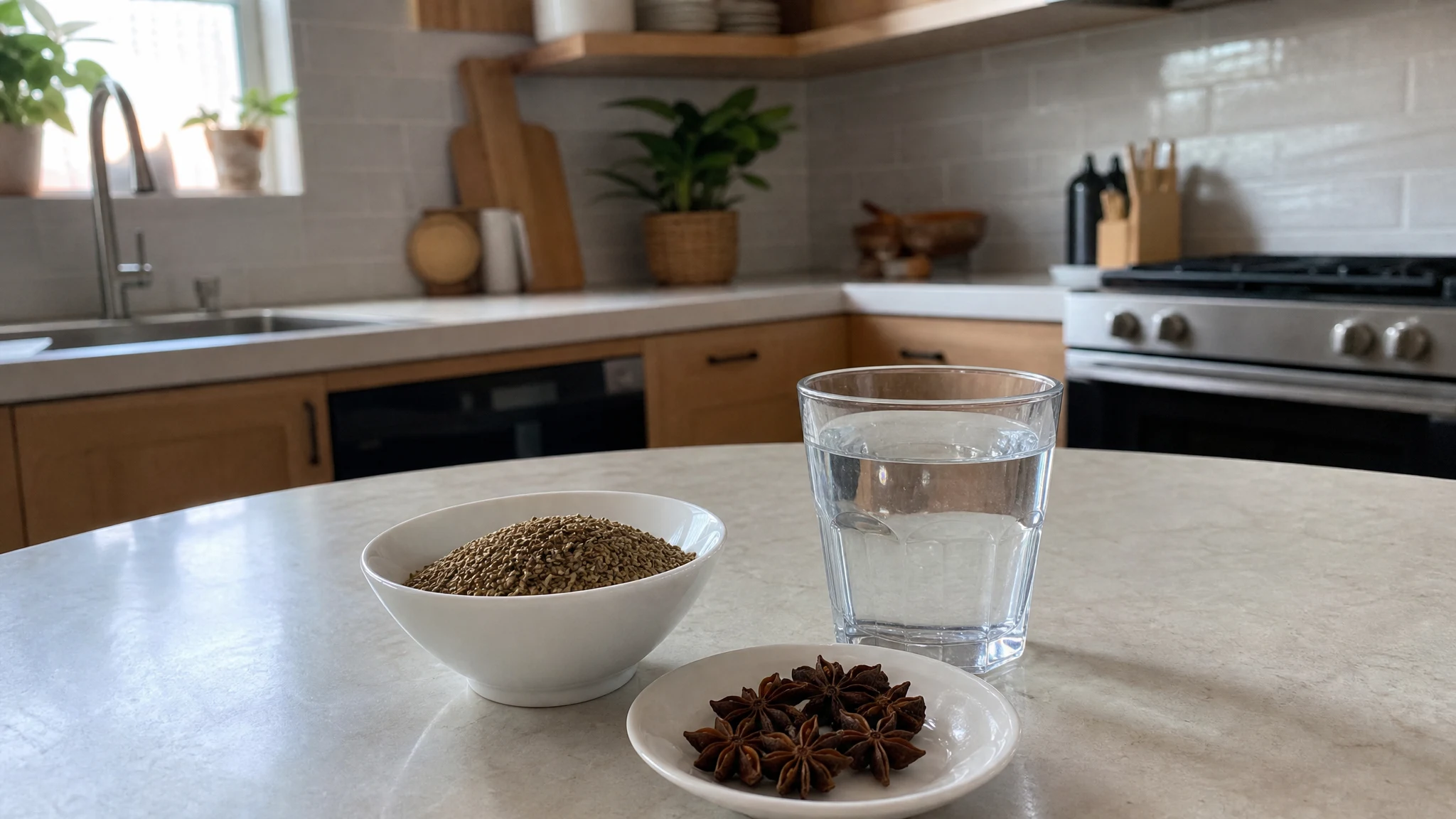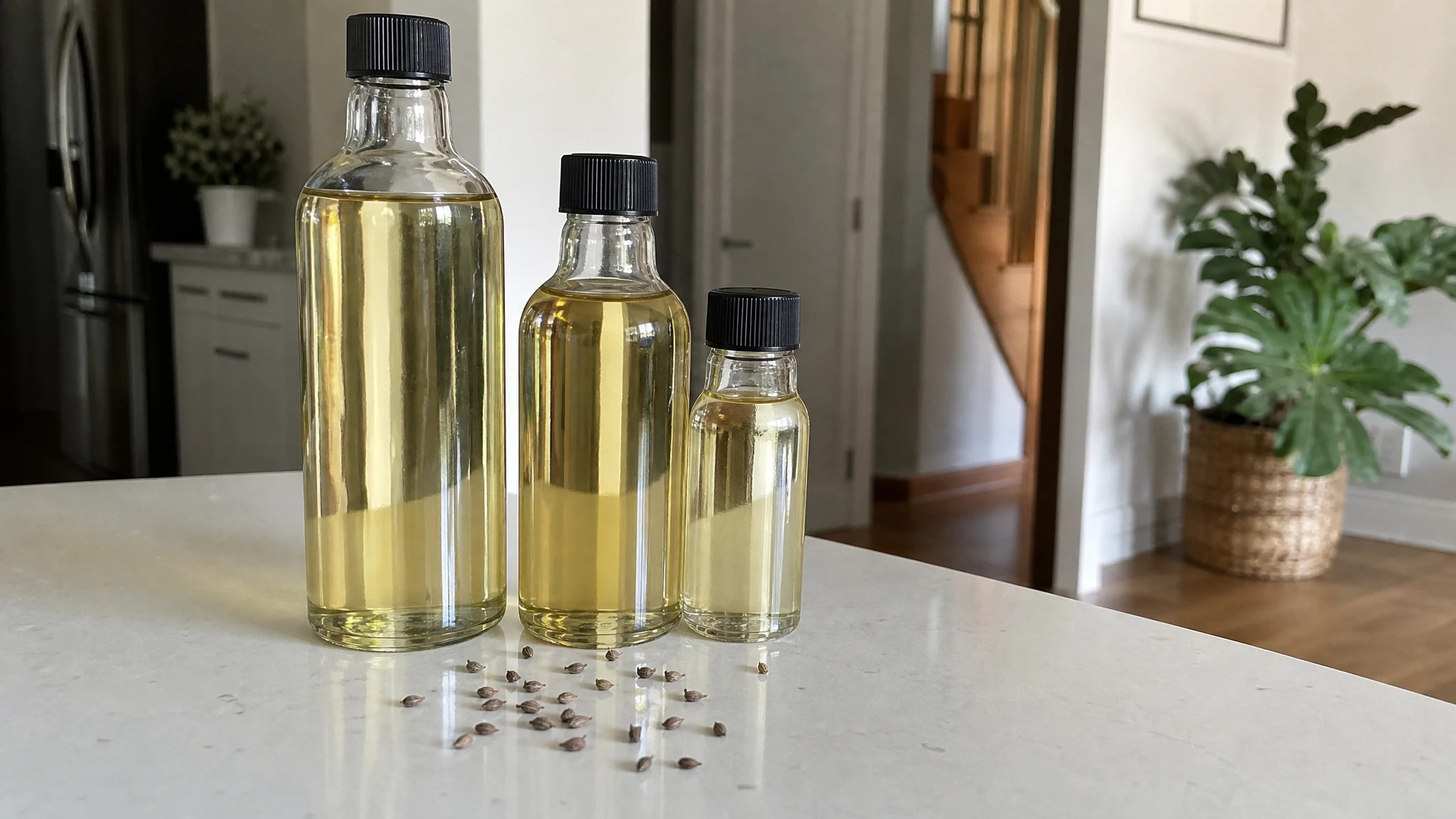
Anise Oil vs Fennel Oil: Can You Swap Them?
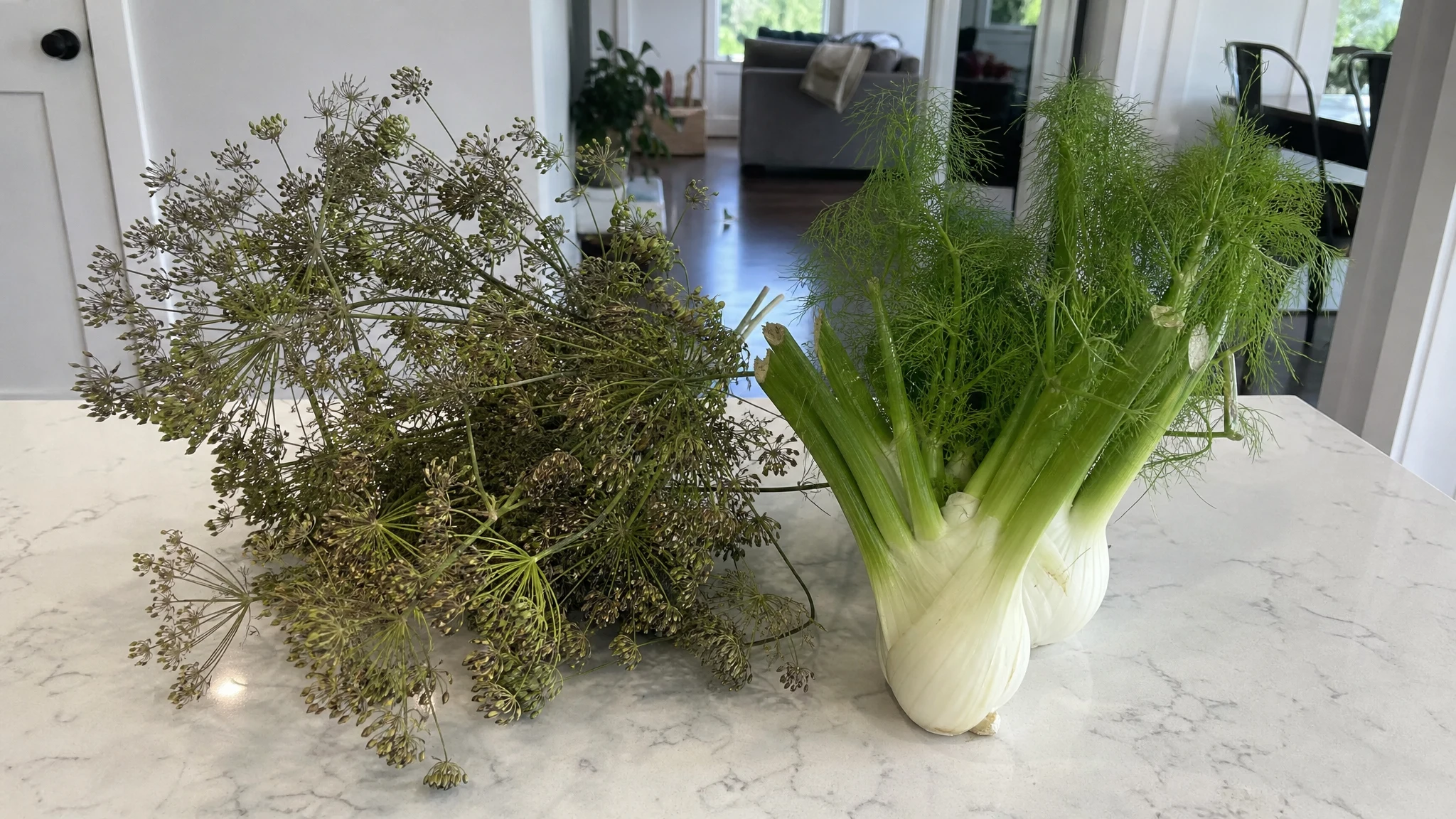
Anise oil and fennel oil get recommended as stand-ins for each other so often that you could be forgiven for thinking they are the same thing. They are neighbours, not twins. Anise oil is a fairly consistent anethole oil. Fennel oil is a family of oils that happen to share a name, and one of them smells much more like tarragon than licorice.
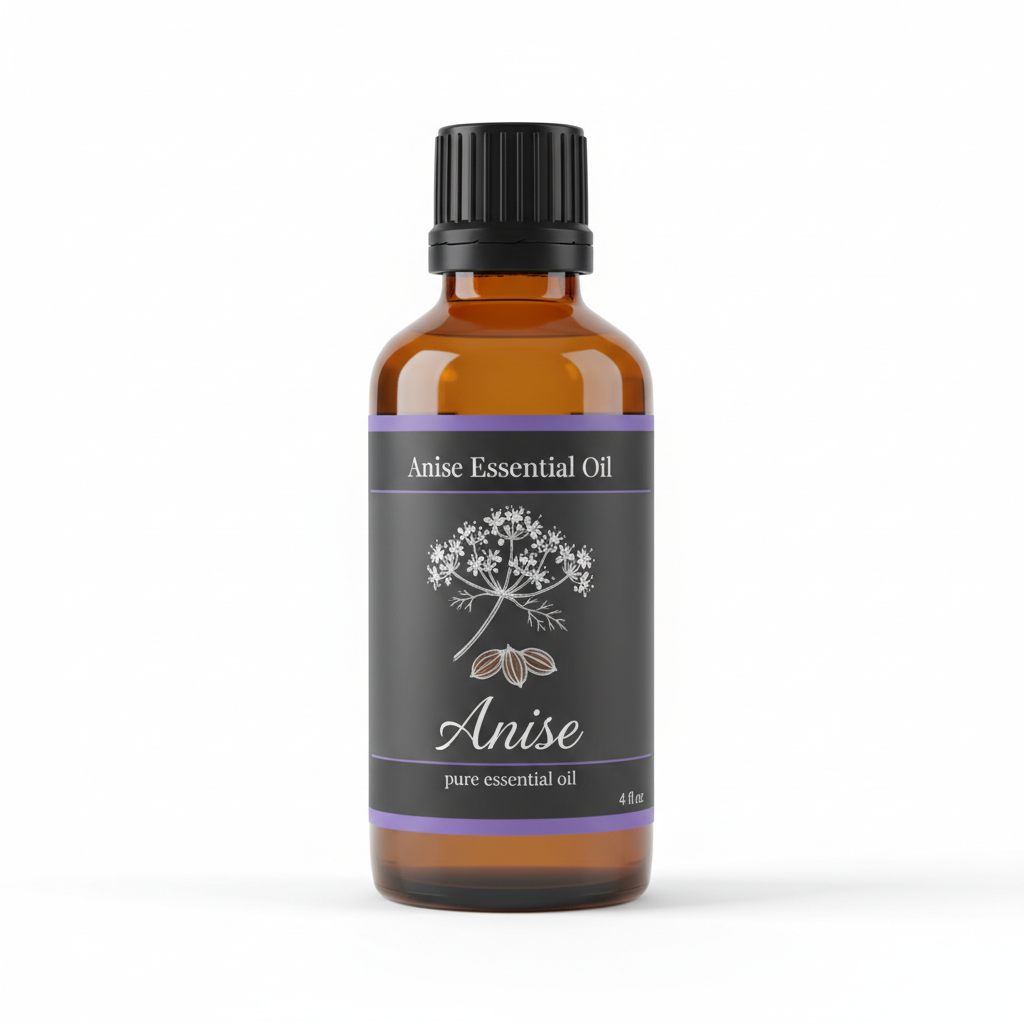
Anise Essential Oil
Our own Anise Essential Oil, in sizes from 0.5 oz to bulk.
From $8.99
Shop Now →Which fennel is on the label?
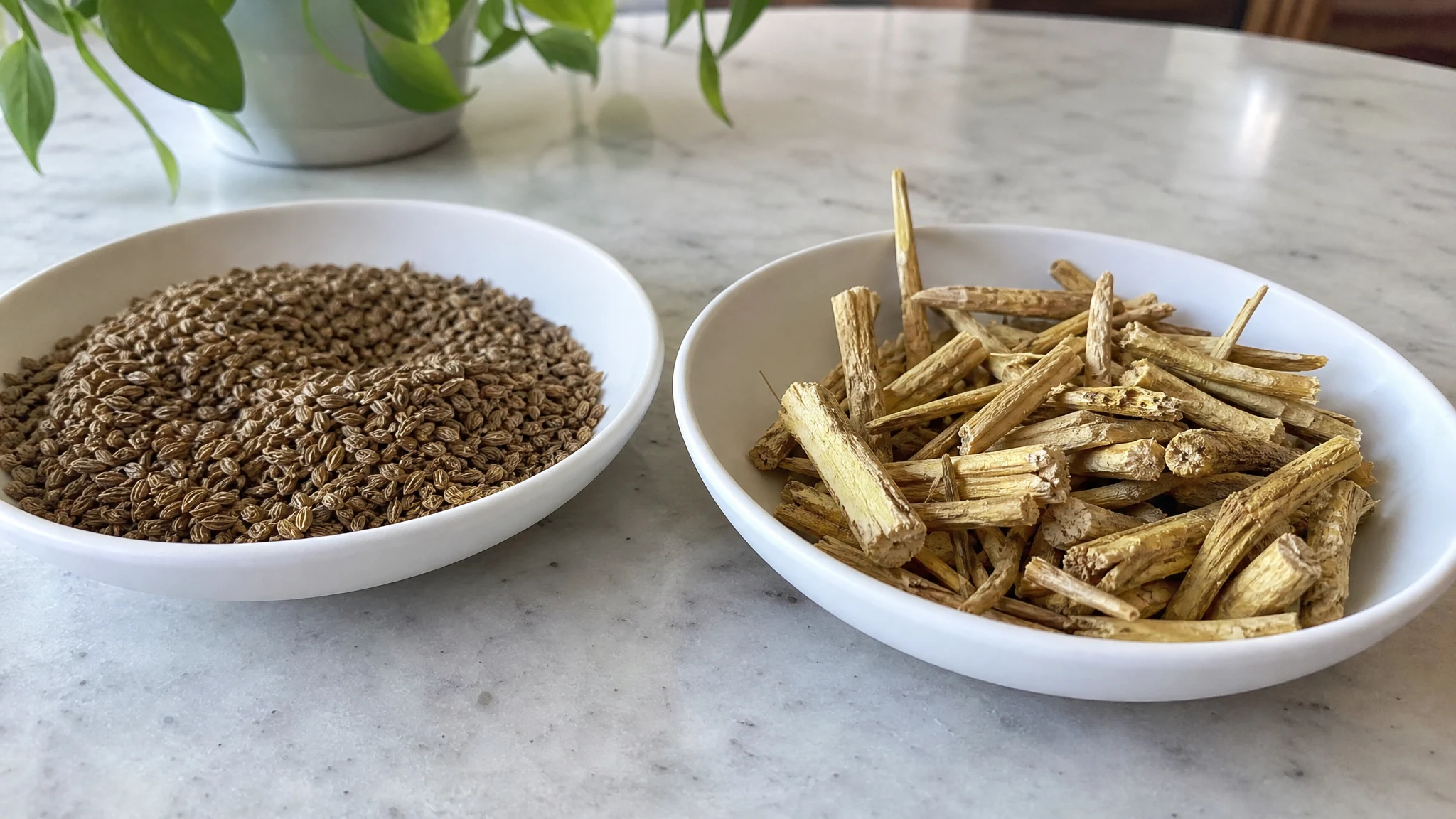
Fennel is a carrot-family plant, like anise, usually split into sweet and bitter types, and the chemistry moves with the type. In an analysis of commercial fennel fruit oils bought in five countries, anethole ranged from about 35% to 82%, with the bitter types carrying more fenchone and the sweet ones more anethole, and the authors noted that the type was often not printed on the package (Raal, Orav and Arak, 2012). Cultivar matters even more. In a study of Egyptian fennel, one cultivar gave an oil with 61% anethole, while another gave about 5% anethole and 58% estragole (Shahat and colleagues, Molecules, 2011). That second oil is not going to read as licorice at all.
Anise sits in a tighter band. EFSA reported five batches of anise oil averaging 90% anethole, from 85% to about 94%, with estragole near 1% (EFSA FEEDAP Panel, 2023). It is not perfectly uniform either, since a survey of 14 European aniseed oils still ran from roughly 77% to 94% anethole (Orav and colleagues, 2008). But as a rule, anise is the more predictable of the two.
What that means when you swap
The popular advice is that fennel is the same note, only softer. Sometimes it is. A sweet fennel rich in anethole can sit comfortably in a diffuser blend in place of anise. A fennel with a lot of fenchone or estragole changes the smell, and the two oils then also differ in what they bring along. So we would not swap on faith. A chromatogram for the lot, with the plant type named, is the thing that tells you what you have.
If you do substitute, change one thing at a time. Keep the total scent load fixed, swap the oil, note both lot numbers, and judge first on a blotter strip and then in the finished product after it has rested. If a supplier cannot tell you the fennel type, treat the first order as a sample.
If you are buying fennel for the first time, treat the first bottle as a curiosity. Open it, smell it, and write down what you notice before you decide what it is for. It is a good way to learn how much two oils from the same family can differ.
Where each one fits
Diffuser and room blends
Here you can trust your nose. Smell both on a blotter before blending, because a fennel heavy in estragole will not read as licorice. Anise is the better pick for a clear licorice note in the top and middle of a blend. We list fennel among the oils that blend well with ours, along with orange, clove bud, cinnamon leaf, cardamom and ginger.
Anything on skin
Both oils contain estragole, and regulators treat it the same way regardless of source: the European Medicines Agency's herbal committee asks that exposure be kept as low as practically achievable (EMA). That is a reason to keep dilutions modest and to ask for the lot's estragole figure, and not a reason to assume fennel is the gentler choice. Our general guidance for anise is 0.5% to 2% in a carrier with a patch test, and a cosmetic safety assessor can set a firm ceiling for a product you plan to sell. Our massage oil article shows the arithmetic.
Anything swallowed
Neither of ours. Our oil is for aromatic and cosmetic use only. Cooking belongs with a food-grade flavour supplier, and questions about digestion or breastfeeding belong with a physician or pharmacist. Our articles on digestion and pregnancy and breastfeeding explain what the research says.
Smelling them side by side
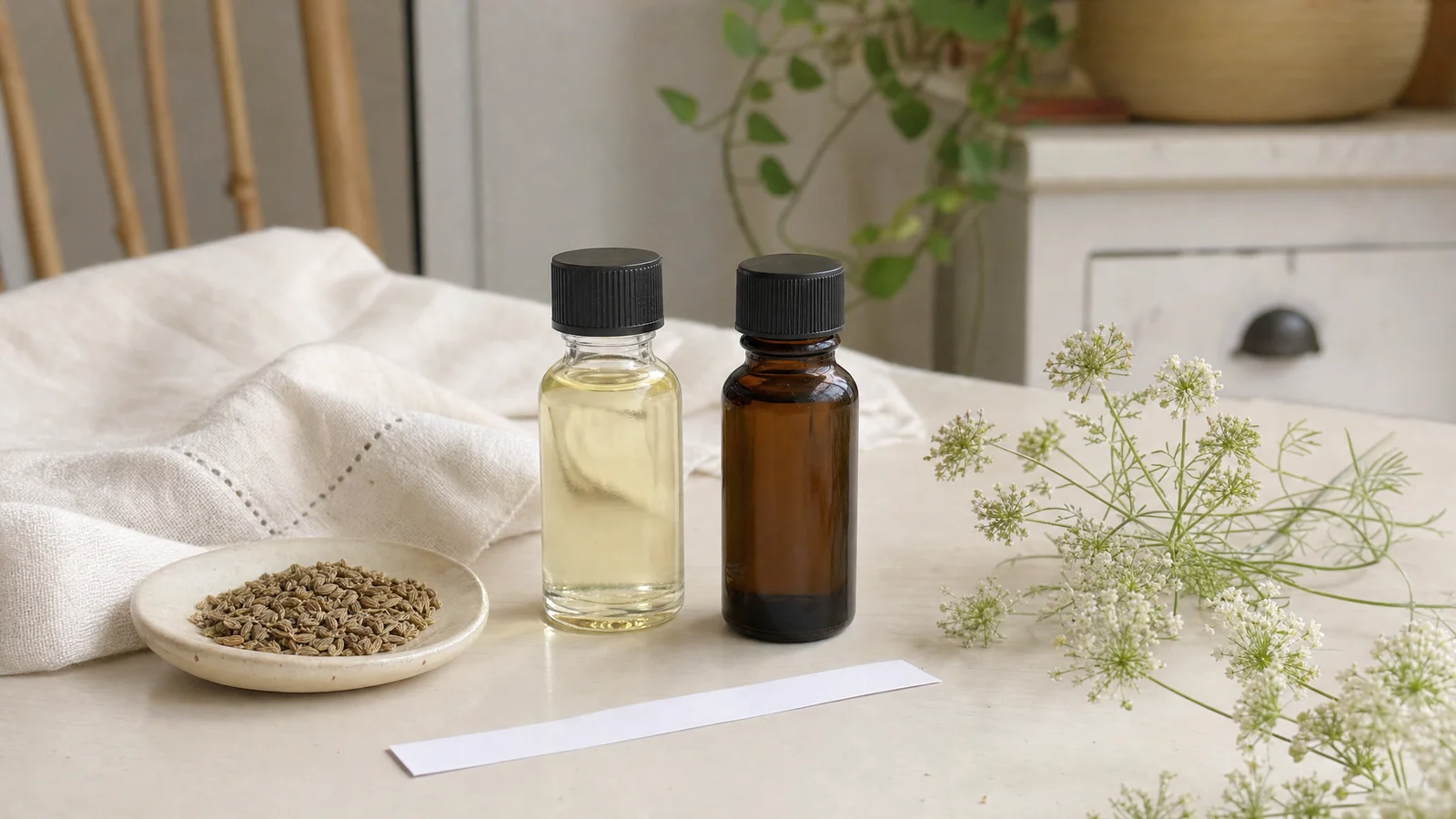
If you can get a bottle of each, a blotter test is a lovely way to spend ten minutes. Dip one strip in each, label them with a pencil, and smell them one after the other. You will notice that the two share a sweet, licorice-like heart, and that the differences are in the edges: one may seem greener or sharper, another rounder and warmer. Take a break between sniffs, because your nose will tire quickly, and come back later to see how each has changed.
The honest comparison
Anise is a focused oil: anethole in front, a small supporting cast behind. Fennel is broader, and depending on the type adds fenchone, limonene and sometimes a lot of estragole. When the lot is right, both can give a lovely sweet licorice note. When you need it to be reliable, anise is the safer bet. What to ask a seller for either oil is the same: the plant and type written out, the lot number, and the anethole, estragole and fenchone figures. For ours, write to us for lot figures. Our anise versus star anise article covers the third look-alike.
Anise Essential Oil
Anise Essential Oil from our own shop, in sizes from 0.5 oz to bulk.
From $8.99
Shop Now →Sources & Further Reading
- Raal A, Orav A, Arak E, 2012. Essential oil composition of Foeniculum vulgare fruits from pharmacies in different countries. Nat Prod Res 26(13):1173-8. pubmed.ncbi.nlm.nih.gov
- Shahat AA et al., 2011. Essential oils from organically cultivated fennel cultivars. Molecules 16(2):1366-1377. pmc.ncbi.nlm.nih.gov
- EFSA FEEDAP Panel, 2023. Feed additives obtained from the fruit of Pimpinella anisum L. EFSA Journal 21(4):e07976. pmc.ncbi.nlm.nih.gov
- Orav A, Raal A, Arak E, 2008. Essential oil composition of Pimpinella anisum fruits from various European countries. Nat Prod Res 22(3):227-32. pubmed.ncbi.nlm.nih.gov
- EMA HMPC. Use of herbal medicinal products containing estragole. ema.europa.eu