Anise Oil in Pregnancy: What Regulators Advise
Anise is in biscotti, licorice candy and after-dinner drinks, so it is natural to wonder whether a few drops of the oil could matter. They can, because an essential oil is a different thing from a seasoning. We advise against using anise oil during pregnancy or while breastfeeding, and here is the reasoning behind that.
Anise Essential Oil
Our own Anise Essential Oil, in sizes from 0.5 oz to bulk.
From $8.99
Shop Now →A seed and its oil are not the same dose
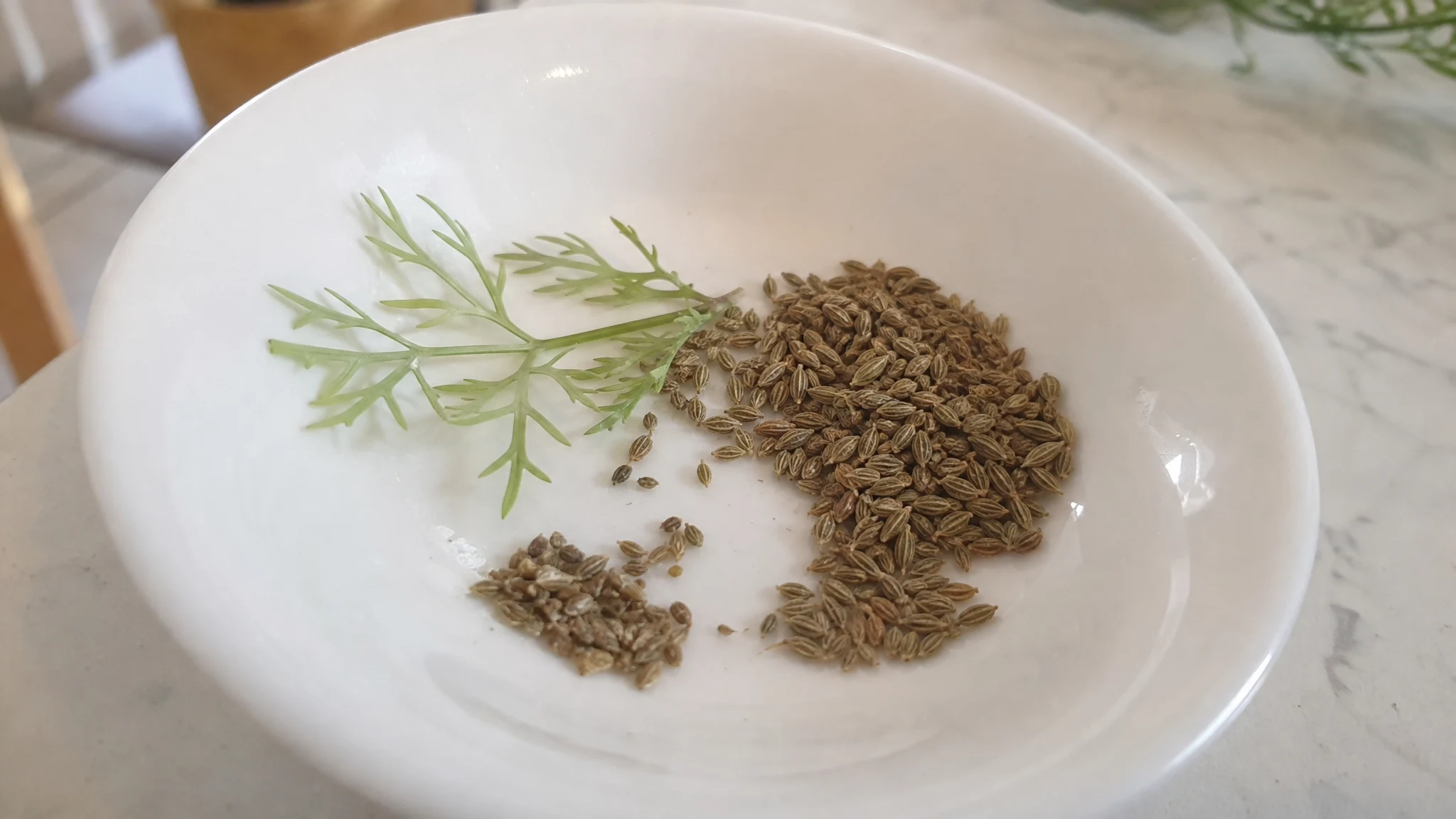
Steam distillation gathers the aromatic part of the seed into a small, concentrated volume. The European Medicines Agency (EMA) describes anise oil as mostly trans-anethole, with smaller amounts of estragole and other compounds, and the safety questions regulators raise are about those specific compounds, not about aniseed in a cookie (EMA assessment report).
What the EMA actually wrote
The agency's wording is plain. Its assessment notes that no clinical studies are available, that estrogen-like and antifertility effects were seen for trans-anethole in rats, and that as a precaution anise oil and aniseed extracts should not be used during pregnancy and lactation. The matching herbal monograph says safety in pregnancy and lactation has not been established and use is not recommended (EMA monograph).
Two details help you read that fairly. "Not established" means unstudied, which is not the same as shown to be harmful. And the same assessment says the high-dose animal findings are not considered relevant to the short-term adult doses it covers. In other words, the advice is a precaution for people researchers could not study, not an alarm about adults in general. It is the kind of caution we are happy to follow, because the human data simply are not there.
We know how it feels to be handed a long list of "avoid this, avoid that" during pregnancy. Most of the time the reasoning behind a precaution is more reassuring than the headline, and understanding it can make the whole list feel less overwhelming. In this case the idea is simple: the strongest scent in the house does not need to be in the room while there are open questions.
Many of the people reading a page like this are tired, curious and a bit anxious, and that is a perfectly reasonable place to be. There is no need to feel guilty about asking, and there is no need to apologise to a clinician for the question. They hear it constantly.
Breastfeeding
The U.S. National Library of Medicine keeps a lactation database called LactMed, with an entry for anise. It notes that anise is promoted as a milk-supply aid but that few well-designed trials back that up, and that maternal anise intake reportedly gives breast milk an odor. It also records two newborns who showed toxicity after their mother used a large amount of a herbal tea containing anise and other herbs, a picture it describes as consistent with anethole (LactMed: Anise). Those were teas with several ingredients, so they cannot pin the blame on anise alone, and they say nothing about diffused or skin-applied oil. They do show why a nursing parent is better off asking a professional than relying on "natural."
Enjoying scent in other ways
If you love a warm, sweet smell around the house, there are easy ways to have it without opening a bottle of anise oil. Bake something with food-grade ingredients from the grocery aisle, simmer an orange peel on the stove, or put on a fresh pot of tea. These are everyday comforts, and none of them needs a decision about essential oils. If you would like something for the shelf, ask your midwife or doctor what they are comfortable with, and follow their lead.
What we do and what we suggest
We sell one anise essential oil, steam-distilled, for aromatic and cosmetic use, and it is not for internal use. During pregnancy or while nursing, our advice is to leave it on the shelf. If you are in either situation and unsure about a product, an OB-GYN or midwife can answer for pregnancy, and a lactation consultant or pediatrician can answer for a nursing baby. Pharmacists are quick at checking how a product fits with medicines and supplements you already take. If anyone swallows oil or it splashes in the eyes, call Poison Control at 1-800-222-1222 right away.
It also helps to tell the people around you. A partner, a friend or a family member who knows the oil is on the shelf can help by keeping it capped and out of reach, and by not diffusing it without checking with you first. Small habits like that make a house feel easier to live in.
If you used it before you knew, that is worth mentioning at your next appointment, and the sources above do not point to a reason for alarm. They also cannot promise safety, which is why a clinician who knows your history is the right person to ask.
For handling, storage and the rest of our guidance, see anise oil safety basics, our note on anise oil around children, and the page on hormones and medications.
Anise Essential Oil
Anise Essential Oil from our own shop, in sizes from 0.5 oz to bulk.
From $8.99
Shop Now →