Anise Oil and Medications: Ask a Pharmacist First
If you search "anise oil estrogen," you will find confident answers in both directions: that anise is a phytoestrogen, or that it has no hormonal effect at all. The honest answer sits in between, and it is mostly about how much nobody has studied. That is useful to know before you bring a new aromatic oil into a home where someone takes daily medicine.
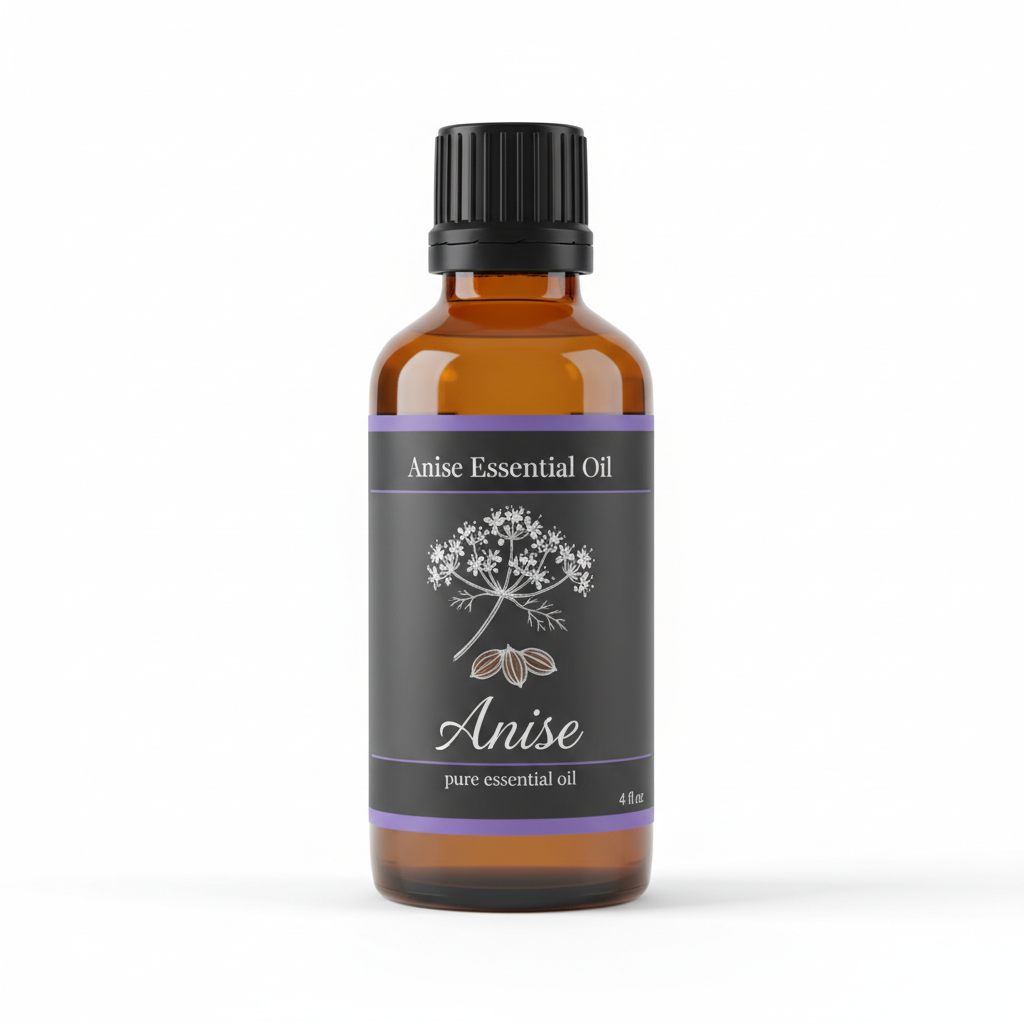
Anise Essential Oil
Our own Anise Essential Oil, in sizes from 0.5 oz to bulk.
From $8.99
Shop Now →What "estrogenic" means in a lab report
In a laboratory paper, "estrogenic" means a substance switched on an estrogen-responsive signal in a test system, such as a rat's uterus. It does not mean the substance acts like the body's own estrogen in a person. Anethole, the main aroma compound in anise oil, did show estrogen-like activity in animal tests at high doses. The European Medicines Agency (EMA) weighed that evidence and reached a measured conclusion: the activity is not confirmed in people, it is not expected when aniseed is taken as an infusion at the recommended amount, and the high-dose animal findings are not considered relevant to the short-term adult use it assessed (EMA assessment report).
The same report adds a note of caution. With prolonged use or excessive doses, the estrogenic activity of anethole may affect hormone therapy, including the oral contraceptive pill and hormone replacement therapy, but it says this potential interaction has not been confirmed by factual data. That is a careful sentence, and we read it the way it is written: unproven, and a good reason to ask.
Blood thinners and sedating medicines
You may also see warnings about blood thinners. They trace back to laboratory work on platelets, but the EMA looked at the coumarins known in aniseed and noted that they are not the kind linked to anticoagulant action, concluding that no particular caution may be required. On medicines that act on the nervous system, the report says animal experiments suggest anise oil could interact, and that the finding needs clinical confirmation. Neither point is a verdict. Both are the kind of detail a pharmacist can weigh against your actual prescriptions in a few minutes.
If you read all of this and feel a little deflated, that is understandable. It would be easier if the answer were a clean yes or no. But a careful "we do not know, so ask" is more useful than a confident answer that turns out to be wrong, and that is the spirit in which we share it.
The gap that matters most
Almost all of that research looks at swallowed material at defined doses. Very little of it looks at how most people use an aromatic oil: breathed in a room, or diluted for skin, repeatedly, alongside everyday medicines. That is a gap in the studies and not a finding that nothing happens. When a page says "no known interactions," it usually means none were found in the places that page looked.
How to make the pharmacist conversation easy
Asking about an aromatic oil can feel a little silly at the counter, and it really is not. Pharmacists field questions about supplements, teas and herbal products all day. A few things make the chat quick and useful:
- Bring the bottle, or a photo of the label, so the plant name and lot are in front of them.
- Say how you plan to use it: breathed in a room, in a candle, or diluted for the skin.
- Bring your medicine list, including anything you take only now and then.
- Ask a plain question, such as "is there any reason I should avoid this with what I take?"
You will usually get a clear answer in a couple of minutes, and if they are unsure they will tell you who to ask next.
Who we would suggest asks first
- Anyone taking hormonal birth control, hormone replacement therapy or a hormone-blocking medicine, or living with a hormone-sensitive condition.
- Anyone taking an anticoagulant, a sedative, an opioid or an antidepressant.
- Anyone allergic to fennel, celery, caraway, coriander, dill or anethole, since the EMA lists sensitivity to those Apiaceae plants and to anethole as a contraindication.
- Anyone who is pregnant or nursing, where we suggest avoiding it altogether. See anise oil during pregnancy and breastfeeding.
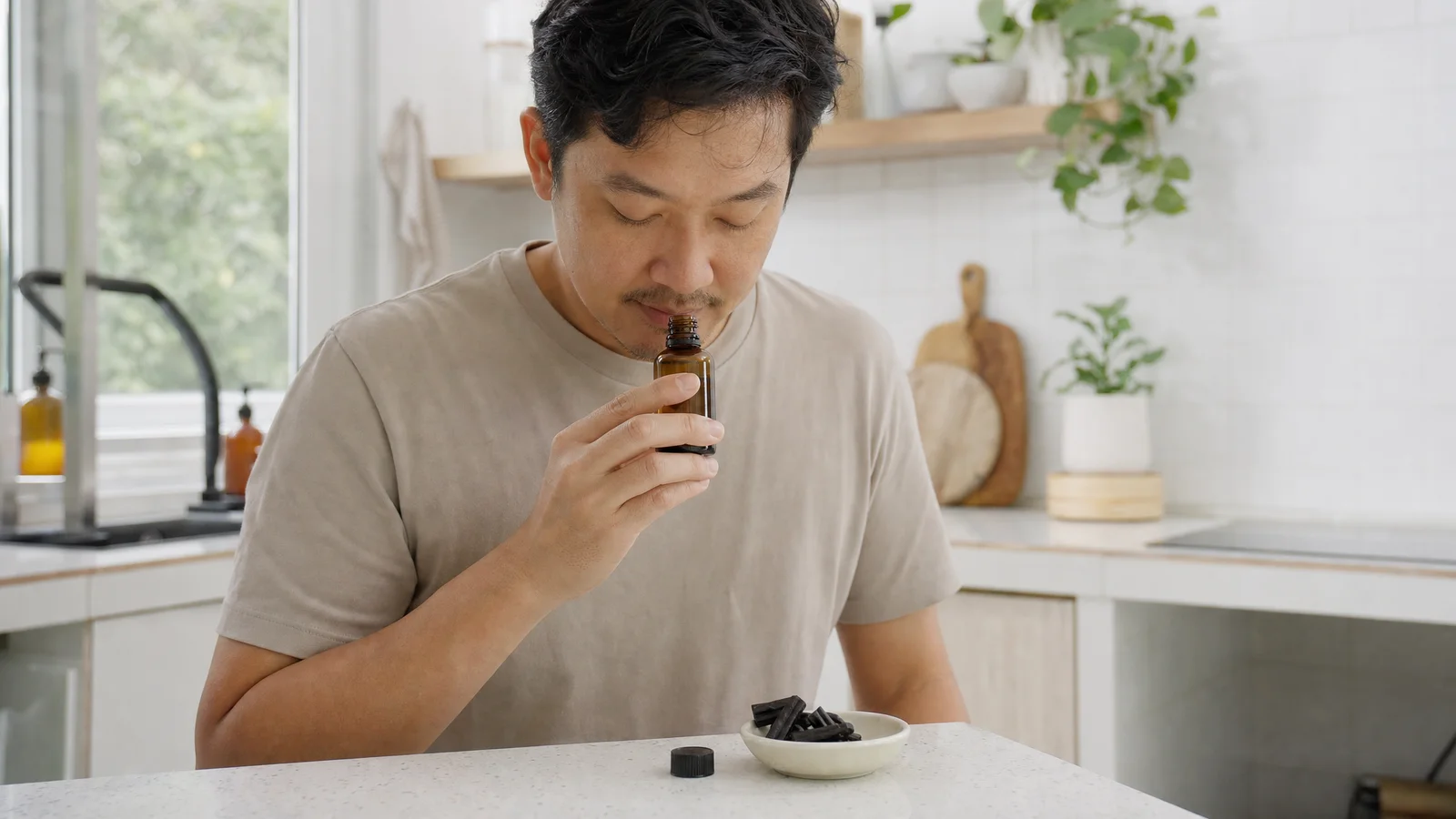
A pharmacist is the best first stop because they can see your whole medicine list. Bring the bottle, say how you plan to use it, and tell them the plant name on the label, since aniseed and star anise are different plants (our comparison explains the difference).
There is a gentler way to think about all of this, too. Most of us enjoy an aroma because it makes a space feel warm and familiar, and that is a perfectly good reason to keep a bottle on the shelf. The only extra step is a short conversation first when medicines are involved. It costs you very little and means you can enjoy the scent without a lingering question in the back of your mind.
We sell one anise essential oil, steam-distilled, for aromatic and cosmetic use, and it is not for internal use. We make no health claims for it. For handling and dilution, our safety basics page is the place to start, and the chemistry behind the scent is in the chemistry of anise oil.
Anise Essential Oil
Anise Essential Oil from our own shop, in sizes from 0.5 oz to bulk.
From $8.99
Shop Now →