Does Anise Oil Repel or Attract Mice and Rats?
Trap-line lore says rats and mice love anise. Pantry lore says they hate it. Both stories show up online with equal confidence, which usually means the evidence is thinner than either side admits.
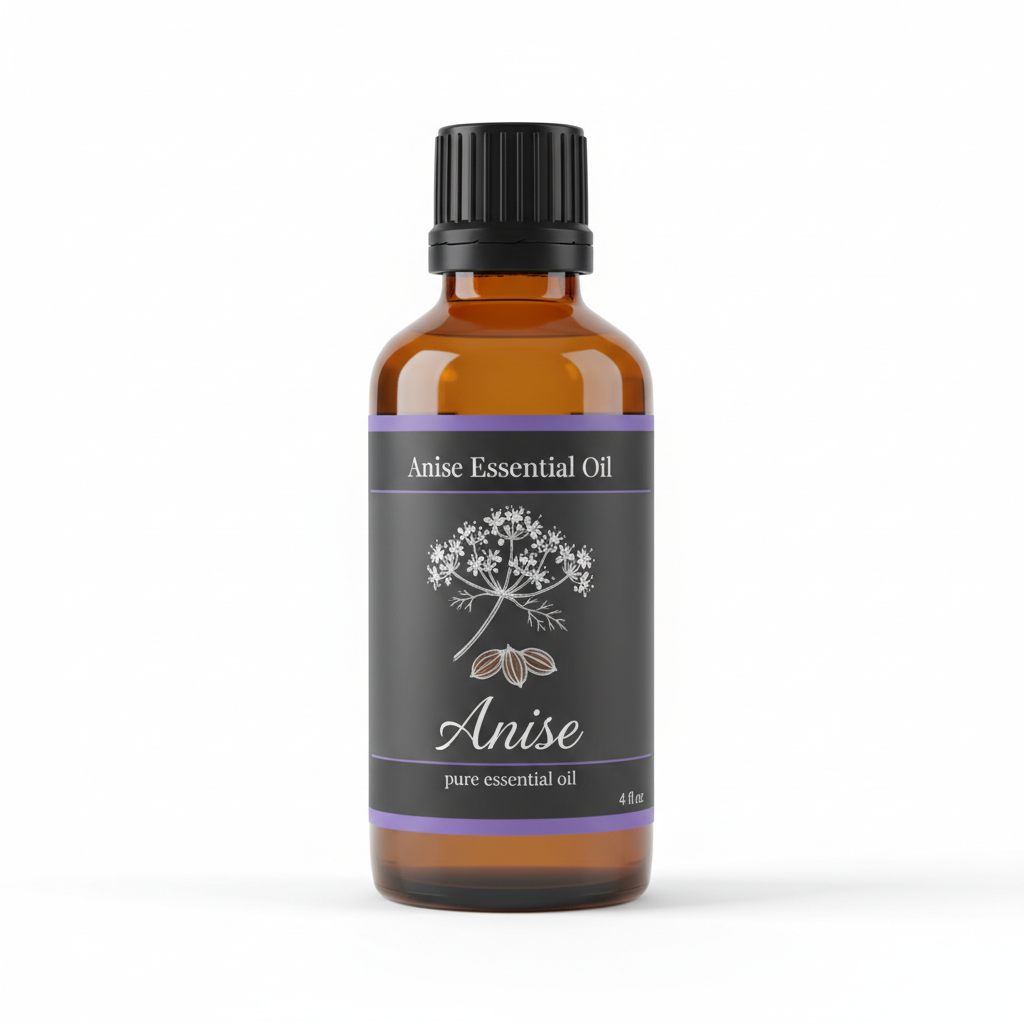
Anise Essential Oil
Our own Anise Essential Oil, in sizes from 0.5 oz to bulk.
From $8.99
Shop Now →What mice did with anise in a lab
The closest thing to a direct test is a Serbian laboratory study that mixed ten essential oils into plain cereal bait and offered Swiss mice a choice between treated and untreated bait. A score near 50 percent means no preference. Anise came in at about 50 percent at the lower dose and about 42 percent at the higher dose, so it neither drew mice in nor put them off in any dramatic way. The authors described anise, cinnamon and clove as not acting as attractants at the rates tested. Fennel and bergamot, by contrast, were strongly rejected, with fennel falling to about 8 percent at the higher dose (Jokic et al., Pesticides and Phytomedicine, 2013).
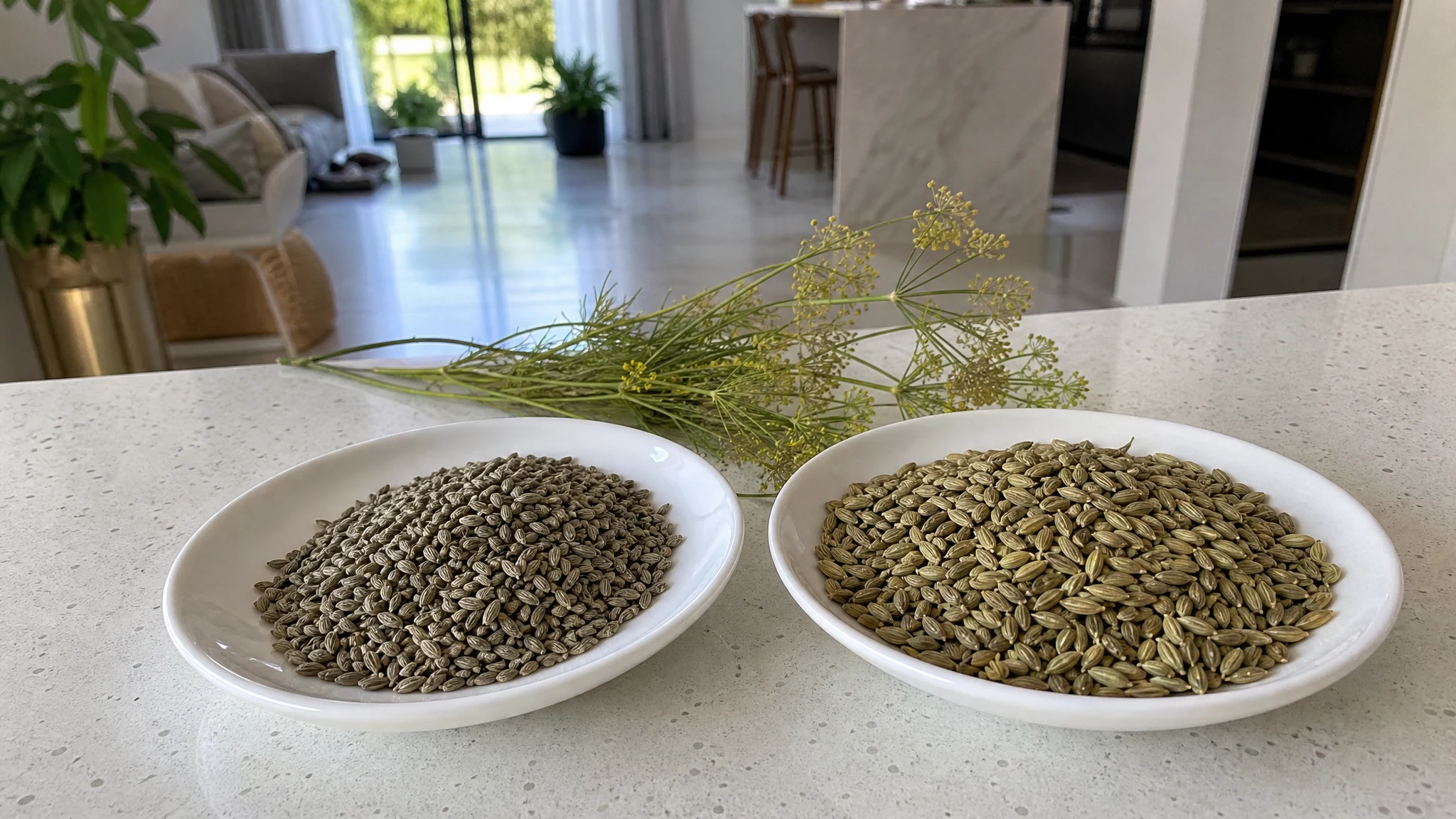
The study has limits worth noting: laboratory mice, not wild ones, and nothing about rats, traps or an infested house. But it carries a fun lesson. Fennel and anise are close botanical relatives with a similar licorice note, and the mice treated them very differently. A "licorice smell" is not one thing to a rodent, which is a good reason to be skeptical of any blanket claim about scents and pests. Our comparison of anise oil and fennel oil looks at how those two differ.
It is a lovely idea, honestly. A bottle that smells like a spice jar quietly solving a mouse problem sounds almost too good, and that is usually a hint to slow down. Smell is a very human way of thinking about the world, and mice live by a different set of rules: food, shelter, warmth and safe routes along a wall.
What the pest-control guides emphasize
University extension guidance is remarkably consistent. The University of California's house mouse guide calls exclusion, meaning sealing gaps and openings, the most successful and permanent form of control, and says that the best trap bait is often the food mice are already eating (UC IPM Pest Notes: House Mouse). Scented oils do not appear in that playbook. If a smell reliably kept mice out of a house, you would expect the guides to say so.
So our reading is simple: sealing entry points, removing food and using traps are what the sources back. A scent might be a pleasant extra in the room, but it is not a substitute for any of those steps. For a larger problem, a licensed pest management professional is the right call.
What to do while you work it out
If you have heard scratching in the wall, the practical list is short and a little unglamorous, and that is what makes it work:
- Walk the outside of the house and look for gaps around pipes, vents and doors.
- Put food in sealed containers, including pet food, and sweep up crumbs.
- Trim back plants that touch the walls, and tidy clutter in the garage or shed.
- If you set traps, keep them where children and pets cannot reach.
It is not as pleasant as a diffuser blend, but it is what the extension guides keep returning to.
It is worth saying that scent does have a role in a house, just not this one. A warm, spiced candle or a few drops in a diffuser can make a kitchen feel cosy in winter, and that is a job we are very happy to see our oil do. It is simply not a pest plan, and it is kinder to the people living there to say so.
A word on safety, and on what we claim
Most real harm in rodent control comes from poison baits, not from smells, and those need to stay away from children and pets. Essential oils have their own handling rules, and a scented rag tucked into a wall gap is still within reach of a curious dog. Our pages on children and storage and safety basics cover that.
There is a regulatory side too. The EPA treats a product as a pesticide when it is intended for preventing, destroying, repelling or mitigating any pest, and what a seller says about a product can decide how it is regulated (US EPA: What is a pesticide?). That is why we sell our anise oil as an aromatic and cosmetic ingredient and make no claim that it repels, attracts or controls any pest. If you are thinking of making a pest product with essential oils, your state pesticide regulator is the person to ask before you write a label.
Keep the anise oil for the jobs it is made for: a warm, spiced note in a candle or a diffuser blend, in a room where you are the one deciding how it should smell. You can find it in our shop, with larger sizes and a guide to buying anise oil in bulk for candle makers.
Anise Essential Oil
Anise Essential Oil from our own shop, in sizes from 0.5 oz to bulk.
From $8.99
Shop Now →