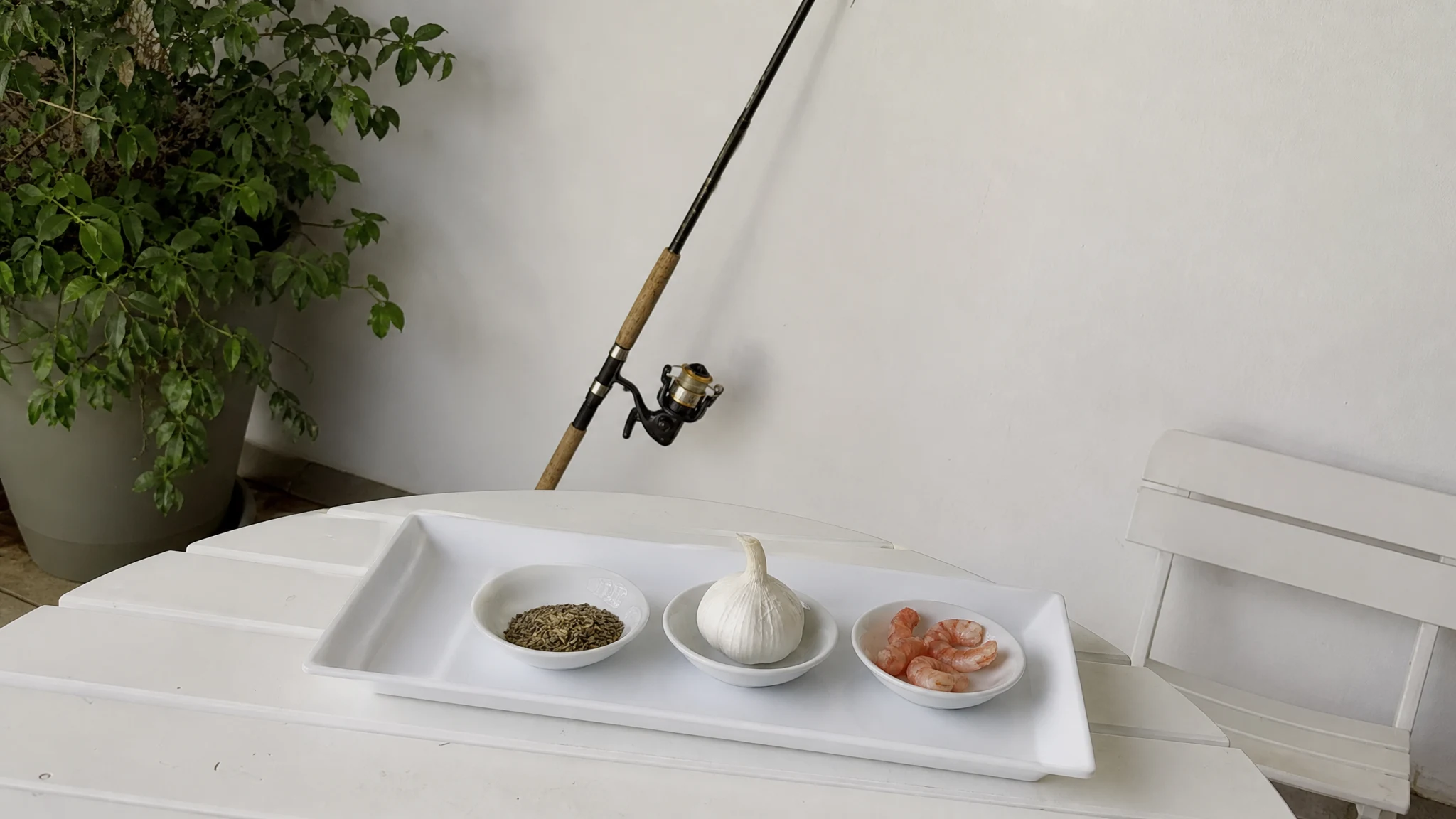
Anise, Garlic or Krill: Which Fish Scent to Pick?
Ask ten anglers what makes a bait irresistible and you will hear anise, garlic and krill in about equal measure. They are very different things, though, and only one of them speaks the language fish actually use to find food. Here is how we would sort them out before you spend money on any of the three.
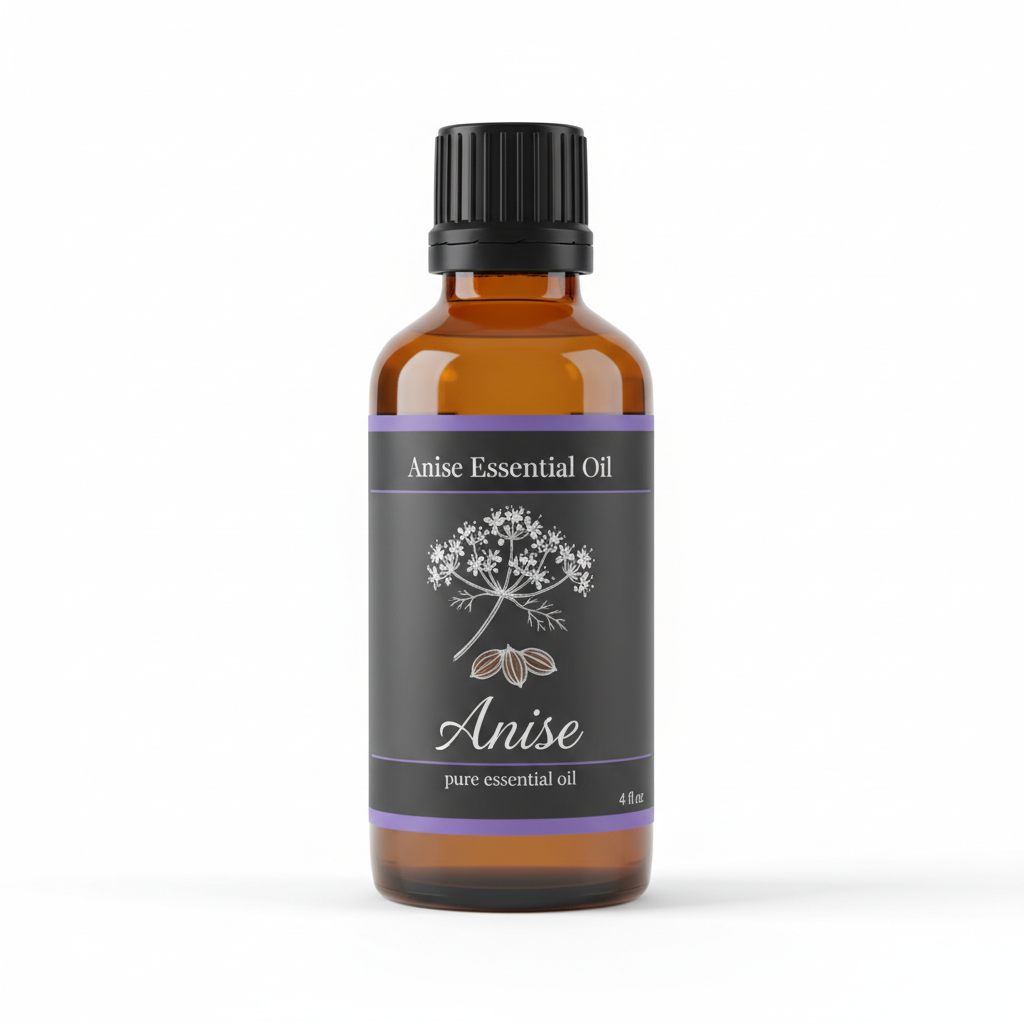
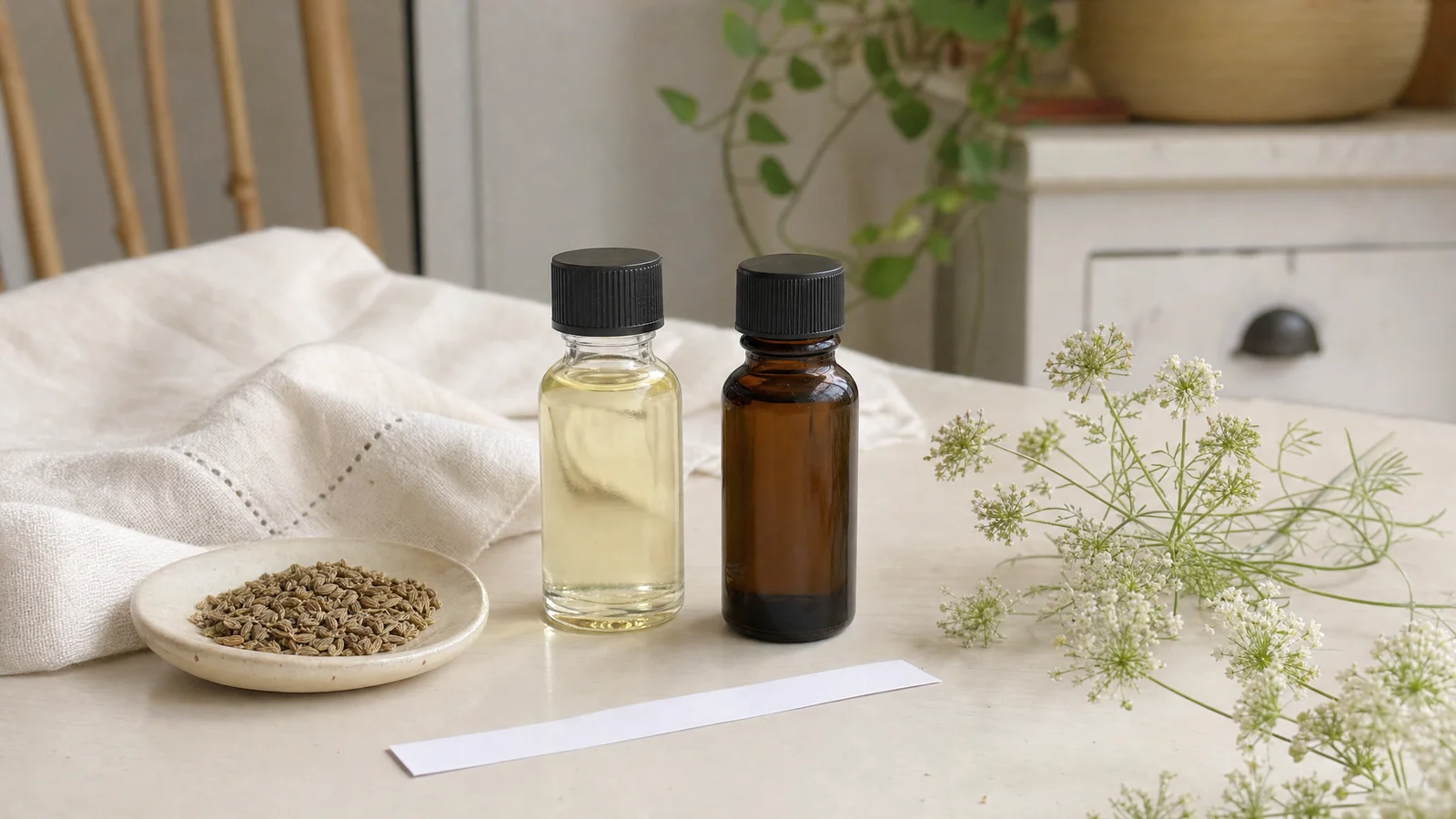
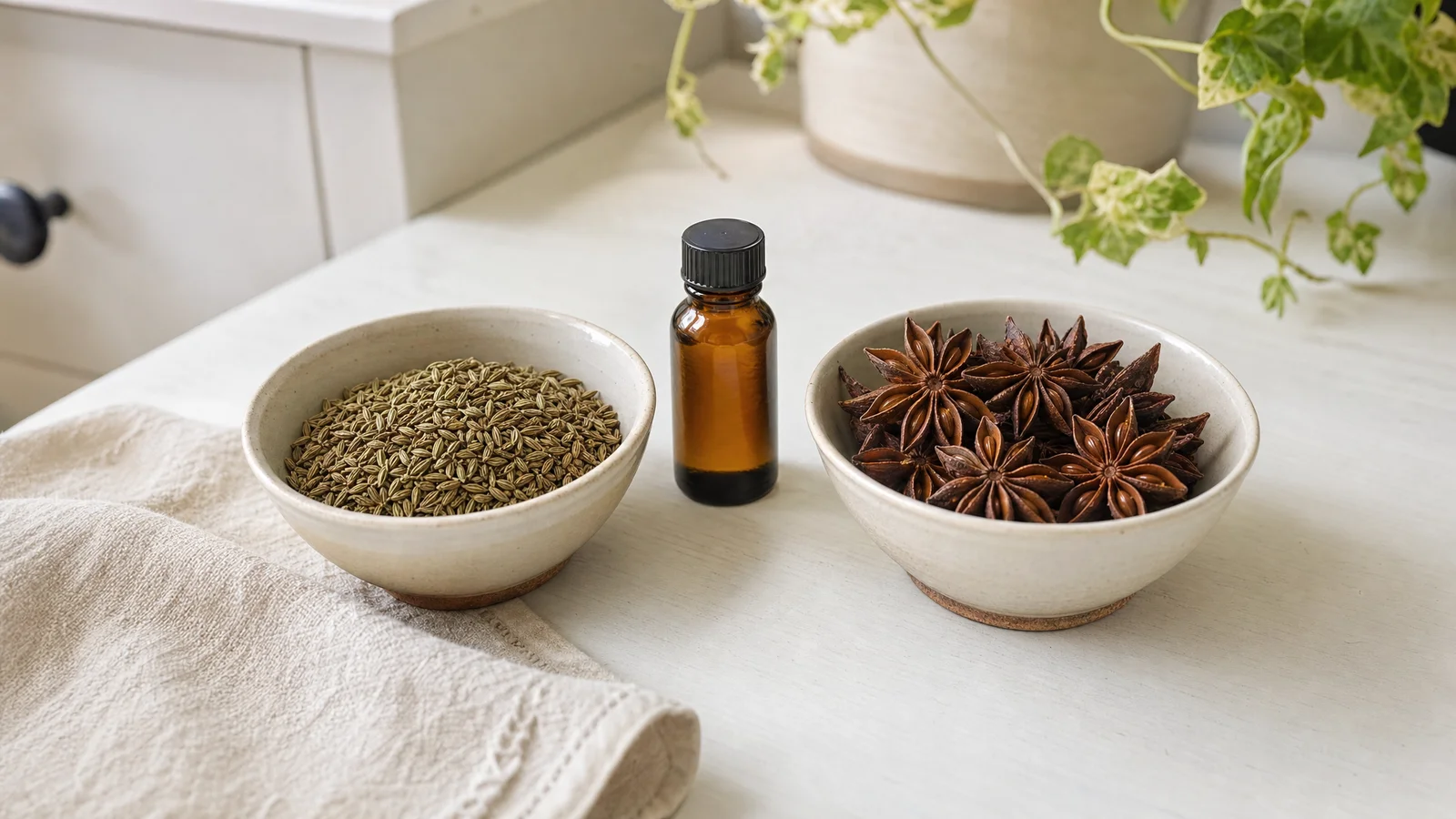
Anise Essential Oil
Our own Anise Essential Oil, in sizes from 0.5 oz to bulk.
From $8.99
Shop Now →What fish are really reading
Fish do not smell the way we do. In his primer on aquatic chemoreception, John Caprio explains that feeding signals are mostly small, water-soluble molecules, with free amino acids leading the list, and that volatility "has no bearing for fish and crustaceans." A bait that smells powerful to a person can be meaningless underwater unless it releases something that dissolves (Caprio, 2001, linked below). That one idea reorders the whole conversation.
It is why krill and fresh cut bait have a real mechanism behind them. They shed amino acids into the water, which is exactly the kind of food-like chemistry fish are tuned to. The trade-off is that what dissolves also fades, and fresh animal bait spoils and wants cold storage.
Where garlic fits
Garlic has a decent backstory for something that mostly lives in tackle-box folklore. A 2022 largemouth bass study tested limonene, allicin (the garlic compound) and betaine as feed additives and found attraction climbed to a peak at 0.2% and then dropped at higher doses, sometimes below the unscented control (Yue and colleagues, linked below). It was farmed fish eating pellets, not anglers casting lures, so treat it as a hint rather than a promise. The lesson we take from it is the shape of the curve: more is not automatically better.
Where anise fits
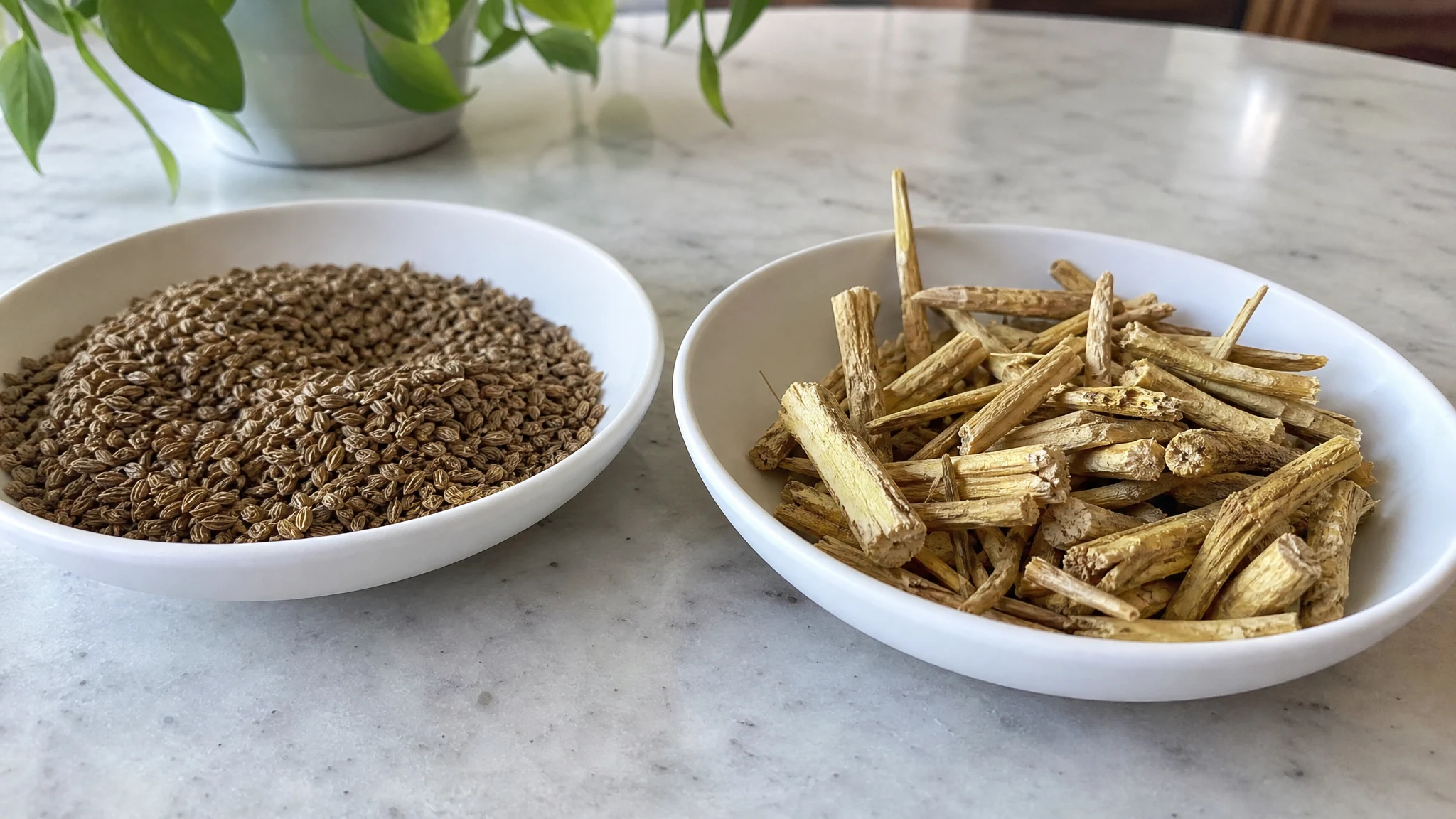
Anise is the one with the least science and the most tradition. Anethole is a plant aromatic, not an amino acid, and we are not aware of a controlled fish study of it. What anise offers is practical. It clings to dough and tackle, a drop goes a long way, and you can tell it is there, which is more than you can say for a faint amino acid solution. If you want to try it, think of it as an accent on top of a bait that already carries real food signals, and keep it low. Our carp bait article and catfish bait article go into starting points.
One honest note about our own bottle: we sell Anise Essential Oil as an aromatic and cosmetic oil, not as a bait product, so check that it suits your use before you buy it for the tackle box.
Keeping your tackle box honest
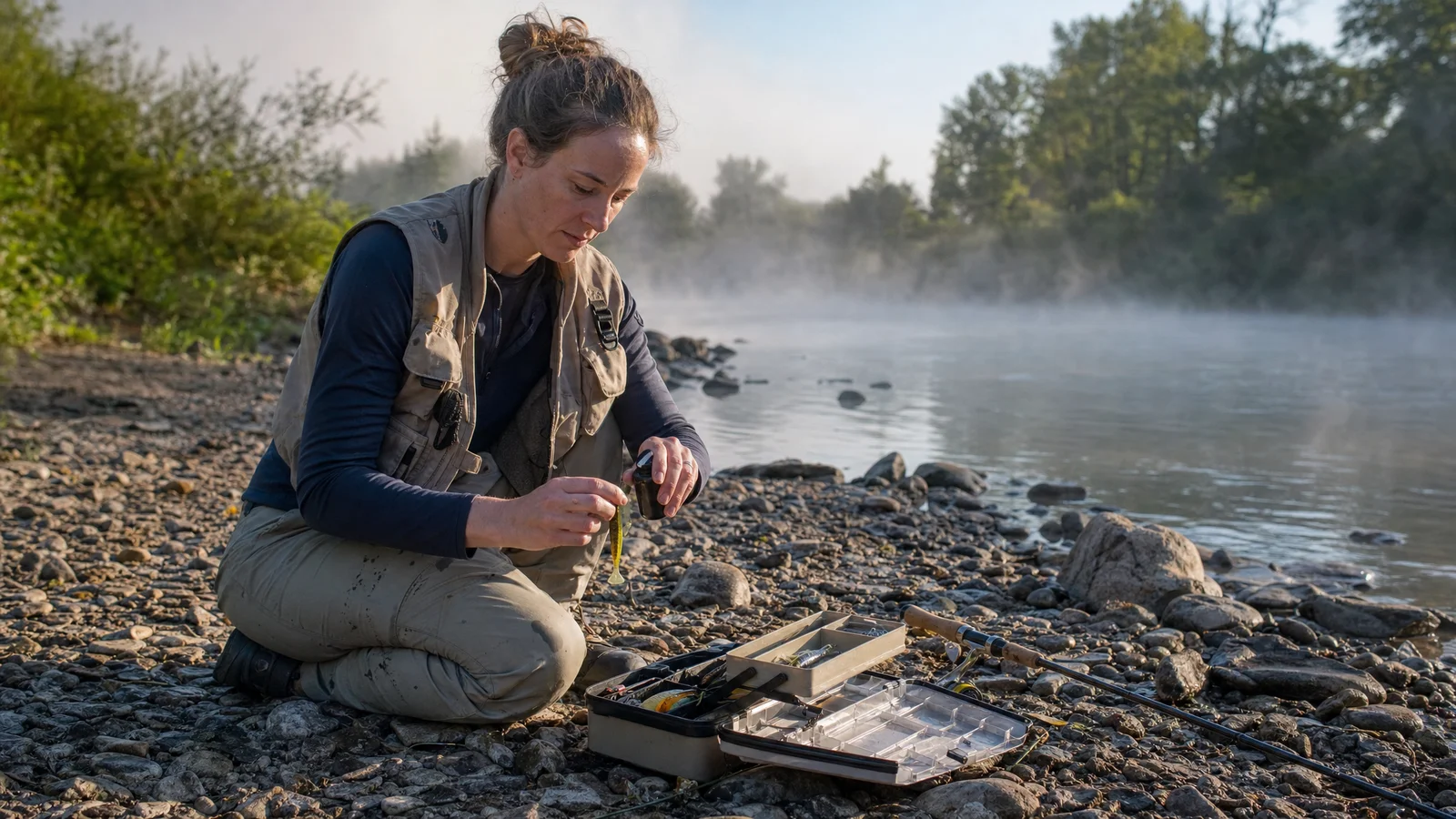
Strong smells travel. Garlic in particular clings to hands, rods and the inside of a bag, and a drop of anise can end up on everything you touch afterwards. Keep each scent in its own sealed container, label the lid, and give your hands a good wash after handling any of them. That habit also keeps one smell from leaking into another when you change baits halfway through a day on the water.
Write down what you try
The best way to cut through folklore is a small notebook. Note the date, the water, the weather, the bait and the scent, and change one thing at a time. If you try anise on Saturday and garlic on Sunday, you will have a real comparison instead of a hunch. A few pages of honest notes beat any list of hot tips, including ours.
A good scent should also stay pleasant for you. If a bait makes your car smell like a fish market for a week, you will be tempted to use less, which is probably the right instinct anyway.
A simple way to choose
- Catfish and other scavengers: lead with fresh, amino acid rich bait and treat anise or garlic as a small extra.
- Carp: pick a base you trust and use the least oil that works. Overdoing strong oils is a common way to put fish off.
- Trout: read your water's rules first. Many waters treat scented lures as bait, and some prohibit scent altogether, so the rulebook may decide for you. We looked at this more closely in our trout article.
- Any water: change one thing at a time and fish an unscented control next to it, so you know what is working.
If you want the strongest evidence behind a bait, start with something that dissolves and smells like food to a fish.
Anise Essential Oil
Anise Essential Oil from our own shop, in sizes from 0.5 oz to bulk.
From $8.99
Shop Now →Sources & Further Reading
- Caprio J. Chemoreception in the aquatic environment: a primer. Global Aquaculture Advocate, 2001
- Yue Y. et al. Effects of three feed attractants on the largemouth bass. Frontiers in Marine Science, 2022
- Roda T.N., Farzad R., Allen M.S. A review of feed attractants as a guide for aquaculture operations. UF/IFAS Extension FS462