Anise Oil for Trout: Rules First, Scent Second
Picture a stocked trout pond on a still morning, a tin of worms in one hand, a bottle of anise oil in the other. Anglers have been dabbing licorice scent on baits for generations, and trout are one of the fish people name most often. Whether it helps is genuinely open, but what decides the matter before your first cast is usually not the fish. It is the rulebook for the water you are standing beside.
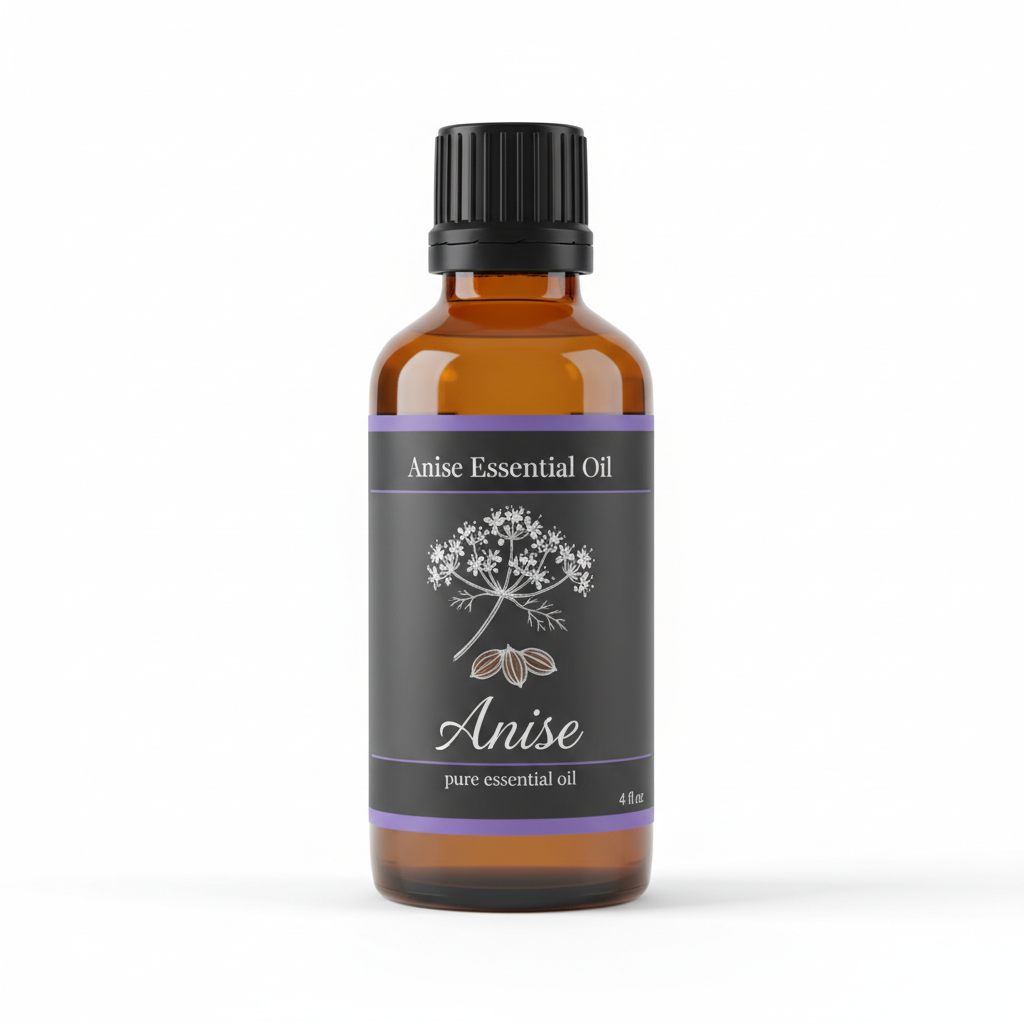
Anise Essential Oil
Our own Anise Essential Oil, in sizes from 0.5 oz to bulk.
From $8.99
Shop Now →What we know about trout, food and smell
The research on what draws fish to food points mostly at amino acids, the building blocks of protein, rather than aromatic oils. A Global Aquaculture Advocate overview on feed attractants calls free L-amino acids the most important group, notes that effects are specific to each species, and explains that smell works at a distance while taste decides whether a mouthful is accepted (Yacoob and Suresh, 2003). Anethole, the main aroma molecule in anise, is not an amino acid.
That does not mean a trout will ignore it. It means the evidence for anise is the angler's habit, not a trout trial, and any claim that fish are "wild for licorice" is a story rather than a measurement. If you try it, treat it as a small experiment of your own.
Stocked fish are the likeliest place for it to matter
If scent does anything for trout, our reasoning is that it is likeliest to matter with freshly stocked fish. Hatchery trout grow up on pellets and meet natural food only after release, so they are probably less choosy than wild fish that have spent seasons learning what is edible. That is a plausible idea, not a documented anise effect, but it explains why many anglers save their scented baits for put-and-take ponds and keep to flies and plain lures on wild, flowing water.
The rules come first
Many trout waters are restricted to artificial lures or flies, and states differ on what counts as "artificial". South Carolina's code, for example, says lures or fish eggs enhanced with scents or salts are not artificial lures (S.C. Code Title 50, Chapter 13). In that state, a scented lure is bait in the eyes of the law, and bait is not allowed on artificial-only stretches. Minnesota takes a different angle: its DNR says chemical attractants are allowed only as part of an angling lure, such as scent sprayed on a lure or scented bait, and not released loose in the water (Minnesota DNR).
The same product can be fine on one pond and a violation a mile upstream, so before you carry any scent to the water:
- Open your state agency's current regulations and find the special rules for your exact water.
- Read how it defines "artificial lure", "bait" and "fly".
- If the wording leaves any doubt, call the regional office and name the product.
How much, if it is allowed
Very little. Anise oil is a concentrated, oily material, and one small dab on a bait is far more than you can reason your way to a benefit from. Put it on the bait or lure only. Keep it out of the water and out of your bait bucket: in a laboratory study on small common carp, anise oil at 100 mg per litre produced deep anaesthesia, but only after around 20 minutes, with about 10% mortality above that level and gill and skin damage at 500 mg per litre (Metin and colleagues, 2024). That was fish in a tank, not a dab on a hook, but it is a good reminder that this is not an ingredient to pour around.
Keep it simple on the water
Trout fishing is often at its best when it is quiet and plain. If the rules allow scent, a very small amount on a bait is enough, and the rest of your attention belongs on the basics: a gentle approach, a clean presentation and patience. Carry a small zip bag for the bait, wipe your fingers before you touch the line, and pack out everything you brought in. A scent you can barely smell at arm's length is probably just right.
Smell the bottle first
Whatever the fish think, you should know what you are holding. Open the bottle and breathe in from a few inches away: sweet, warm and licorice-like, with a faint spiced edge. It is a strong, friendly smell that lingers on fingers, so cap the bottle tightly, wipe the neck, and keep it in a pouch apart from your lunch and your spare flies. A short notebook entry about the water and the day makes the whole experiment more fun.
Where our oil fits
We sell Anise Essential Oil as an aromatic and cosmetic oil, not as a bait, and we do not sell tackle, scented baits or gels; a tackle shop is the place for those. If it is legal where you fish and you want to try the idea, a half-ounce bottle is far more than a season of dabbing needs, and our guide to which size to order first will save you buying more than you need. If you are weighing scents, our anise, garlic and krill comparison sets them side by side, and the fishing overview and carp bait post cover other species. Our safety basics cover handling the bottle itself.
So, our take on trout: check the rulebook first, keep it to stocked water where bait is allowed, use a speck, and let presentation do the heavy lifting.
Anise Essential Oil
Anise Essential Oil from our own shop, in sizes from 0.5 oz to bulk.
From $8.99
Shop Now →