Does Anise Oil Go Bad? Shelf Life and Storage
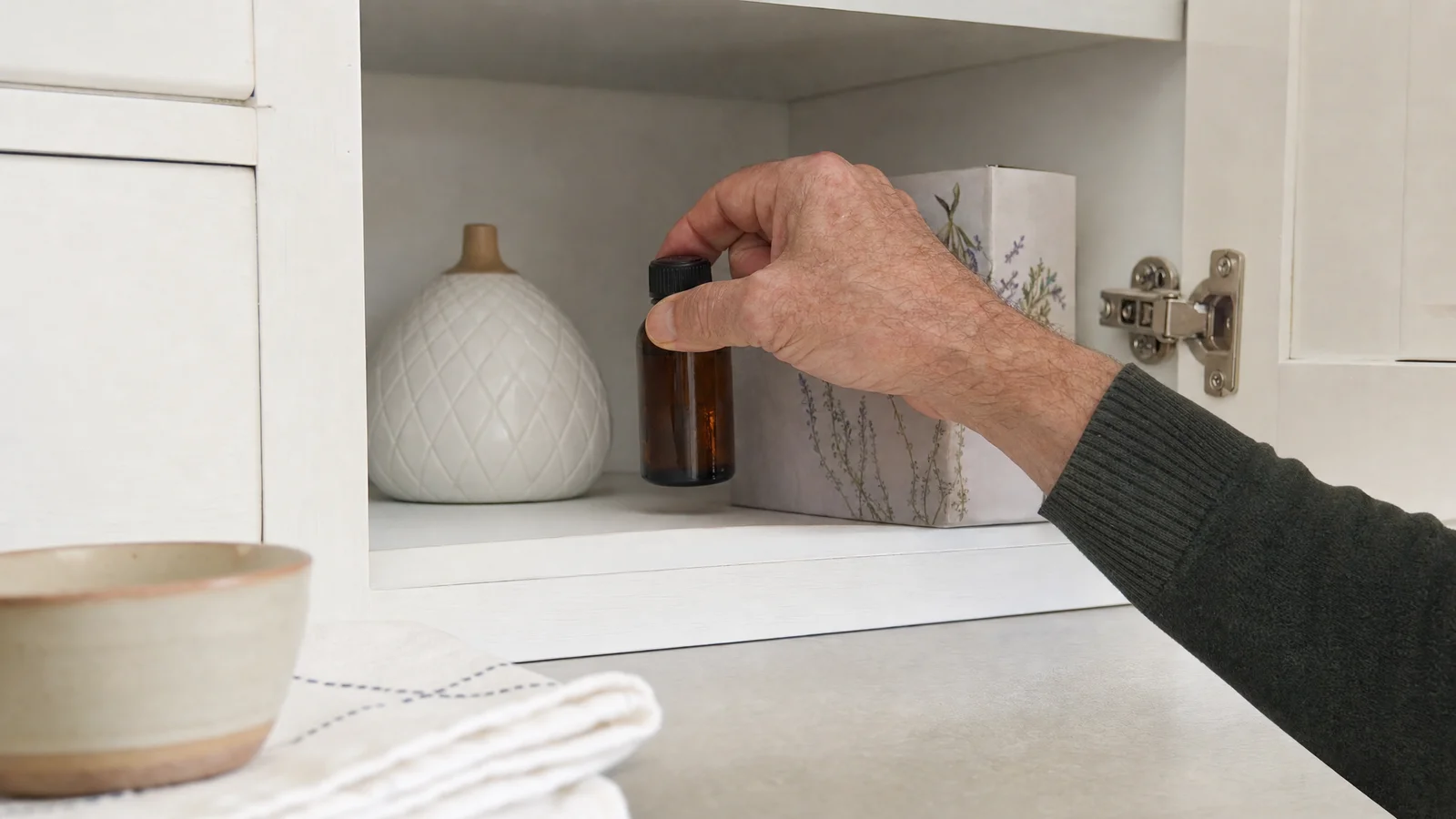
You open the cupboard, find a bottle of anise oil you bought last winter, and give it a sniff. Is it still good? The honest answer is that essential oils change slowly rather than flipping from fresh to spoiled, and your nose is the best test you have. Here is what is happening inside the bottle and how to keep it happy.
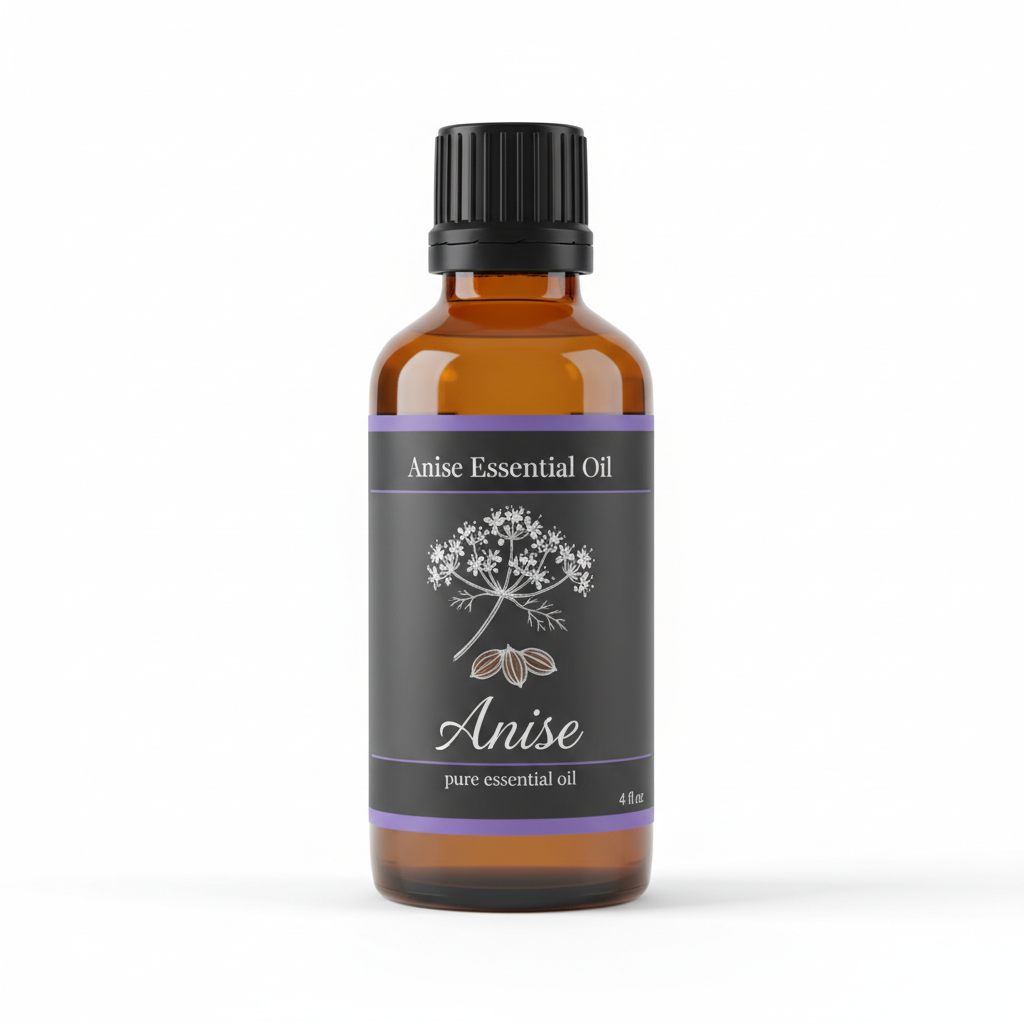
Anise Essential Oil
Our own Anise Essential Oil, in sizes from 0.5 oz to bulk.
From $8.99
Shop Now →Why oils age at all
The Tisserand Institute notes that even high-quality essential oils deteriorate over time, and names three causes of the oxidation behind that: oxygen, light and heat (Tisserand Institute, Oxidation and Shelf Life). Anise oil is mostly anethole. In EFSA's assessment of anise oil, five batches averaged 90 percent trans-anethole (EFSA, 2023). So the oil's fate is largely governed by one family of molecules, and that suggests that how much air, light and warmth it meets matters more than the calendar. That is reasoning, not a measured shelf life, but it is why the storage habits below matter.
How long it keeps
We estimate that our anise oil typically keeps two to three years, in a tightly capped bottle stored in a cool, dark place. Treat that as a planning figure. The bottle's date and your nose are better guides, and if you want the date your lot came off the still, ask us through the contact page. Every time you open a bottle, fresh air replaces some of the vapor, and a nearly empty bottle holds more air than oil. If you use a few drops at a time from a large bottle, decant a working amount into a small airtight bottle and keep the big one closed.
Reading your bottle
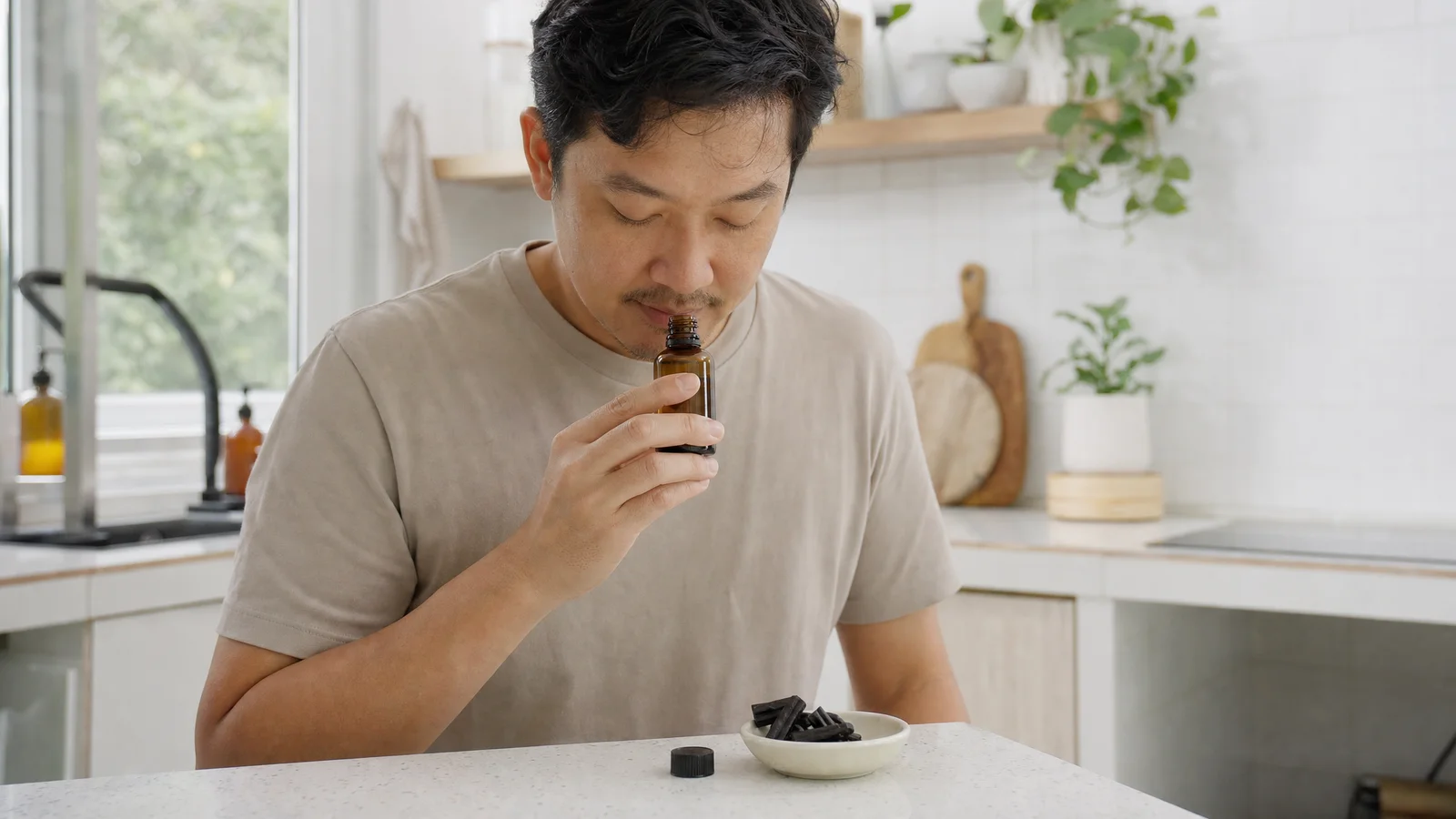
Use your senses, and compare against what you remember or a fresh sample.
- Smell is the best signal. Fresh anise oil smells sweet, warm and licorice-like. If it turns sharp, flat or sour, take notice.
- Color can deepen with age. It is only a hint, since the oil can start out anywhere from colorless to pale yellow.
- Thicker or stickier on the dropper is a common sign of an oil past its best.
- Crystals or a solid mass in a cool room are usually not spoilage at all, as the next section explains.
For something you will put on skin, we would replace a bottle you are unsure about instead of diluting it. Oxidized oils are a recognized concern for skin sensitization in general, and a fresh bottle is the safer choice.
Make a note while it is new
The easiest way to know if a bottle has changed is to remember what it was like on day one. When a new bottle arrives, open it, smell it, and write a few plain words on a piece of tape or in a notebook: "sweet, warm, like licorice", plus the date. It takes half a minute. Months later, when you pull the bottle out and wonder, you have something to compare against besides a fading memory.
If you can, keep a small decanted bottle for everyday use and leave the original mostly sealed. Then the working bottle takes the knocks, and the original stays as your reference for what the oil smelled like when it was fresh.
Why it goes solid in the cold
Anethole melts at about 21 degrees C (around 70 F), according to the CRC Handbook figure listed by PubChem. Since anise oil is mostly anethole, a cool cupboard or a winter delivery can leave crystals or a solid mass in the bottle. It is a property of the oil and does not mean it has gone off. Warm the closed bottle in your hands or in a bowl of warm (not hot) water until it clears, and shake gently. Do not leave it on a radiator, because heat is one of the aging factors above. More on this in why anise oil turns solid or cloudy.
The fridge question
We would not refrigerate a bottle you use regularly. Cold takes the oil below its melting range, so it sets solid, and a cold bottle opened in a warm kitchen can pick up condensation. A cool, dark cupboard does the job. For a big bulk lot you will not touch for months, ask your supplier, and let the sealed bottle come to room temperature before you open it.
A simple storage routine
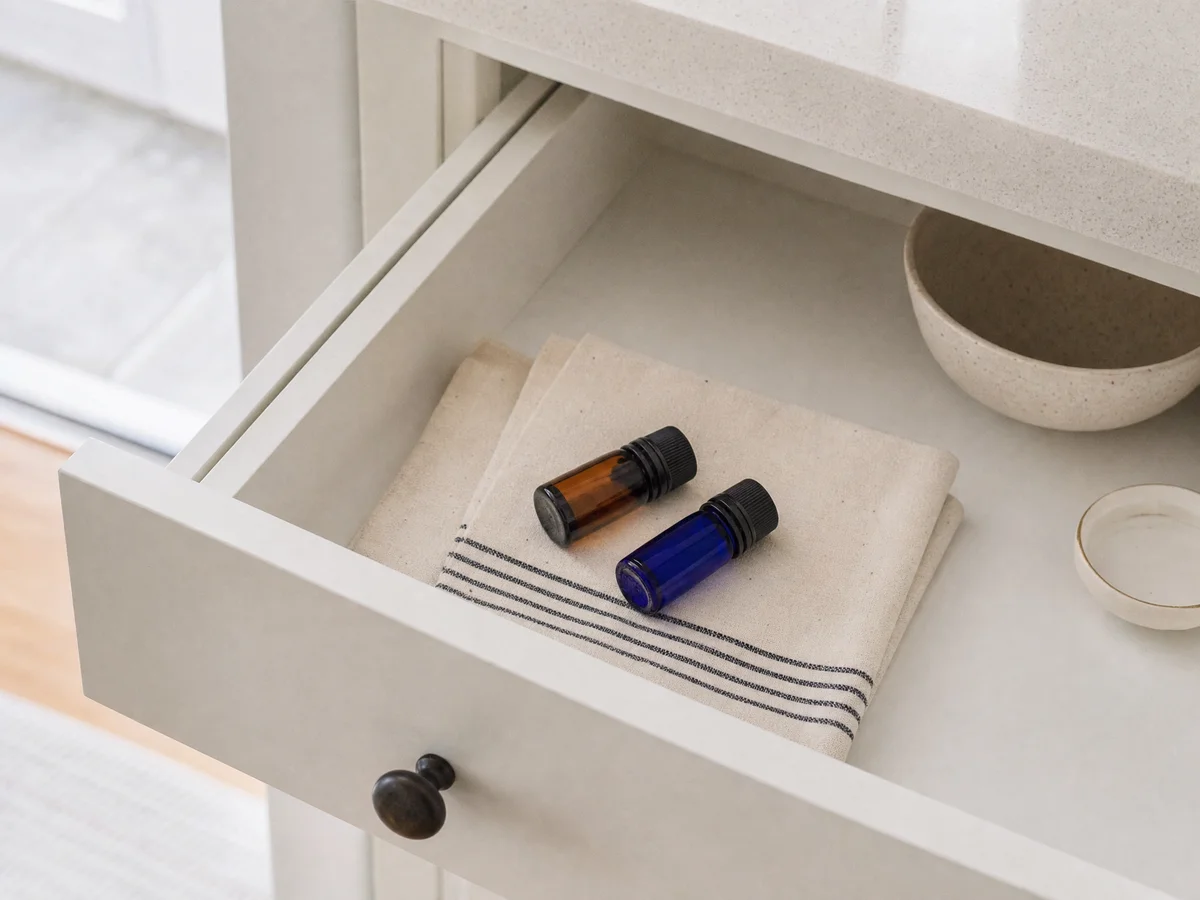
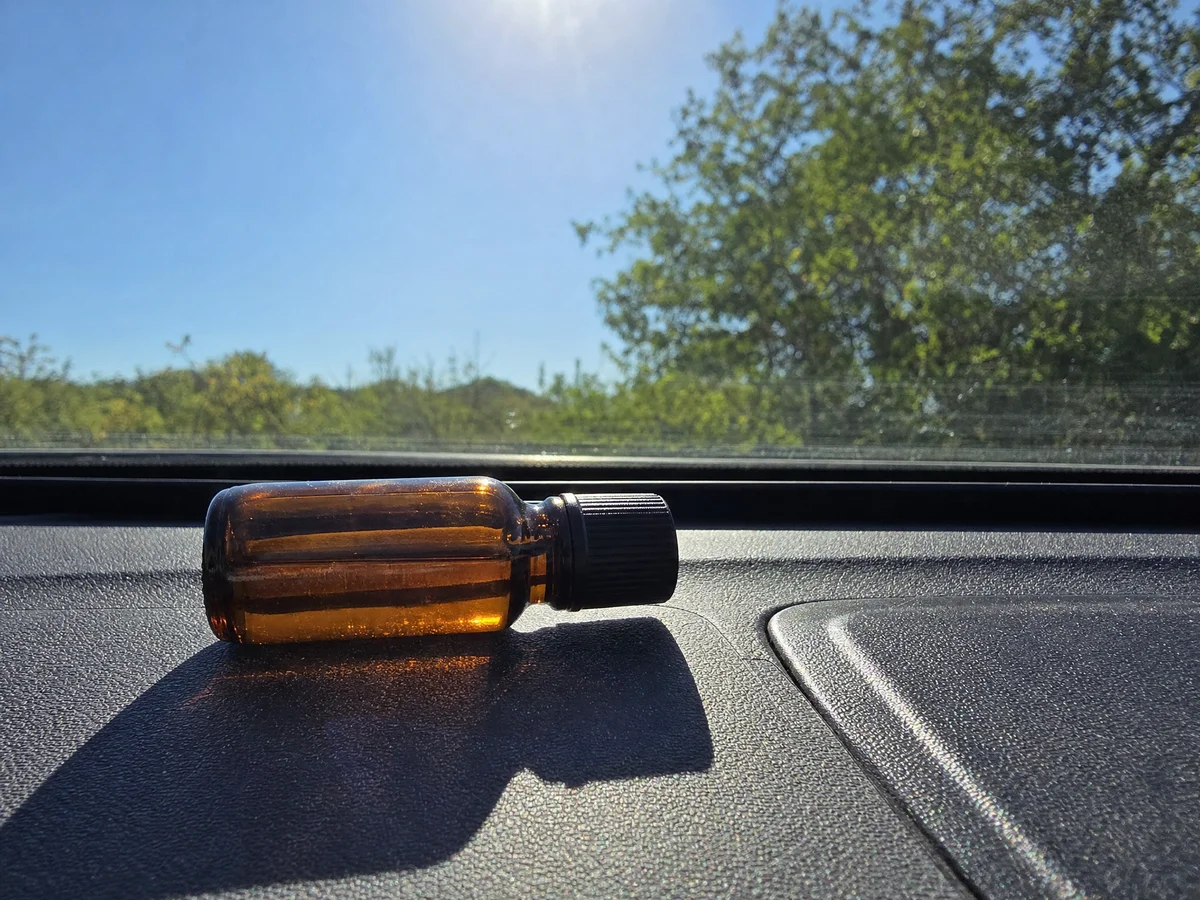
- Keep it in its amber glass, tightly capped, away from windows, stoves and cars.
- Decant working amounts into small bottles, and move leftovers to a smaller bottle as the level drops.
- Write the date you opened it on the label. A dilution in a carrier oil has its own, shorter life.
- Keep it out of reach of children and pets. See our safety basics.
Smaller bottles are friendlier than one big one for most home users. A little oil in a small bottle with a tight cap meets less air each time, and you are likely to finish it before the question of age comes up at all. It is a good reason to size your order to the projects you actually have in mind. Smaller sizes are in our shop, while our bulk page and guide to buying anise oil in bulk cover larger lots.
Cap it, keep it cool and dark, and give it a sniff before you use it. That small habit tells you most of what you need to know.
Anise Essential Oil
Anise Essential Oil from our own shop, in sizes from 0.5 oz to bulk.
From $8.99
Shop Now →