Does Anise Oil Attract Hogs? What Studies Show
Pigs have remarkable noses, and anise has a famously strong smell, so the idea that one will call the other writes itself. It makes a satisfying story, and it is a good example of how a plausible idea can run ahead of evidence. Here is what has been measured about pigs, scent and bait, and what that suggests for anyone thinking about anise.
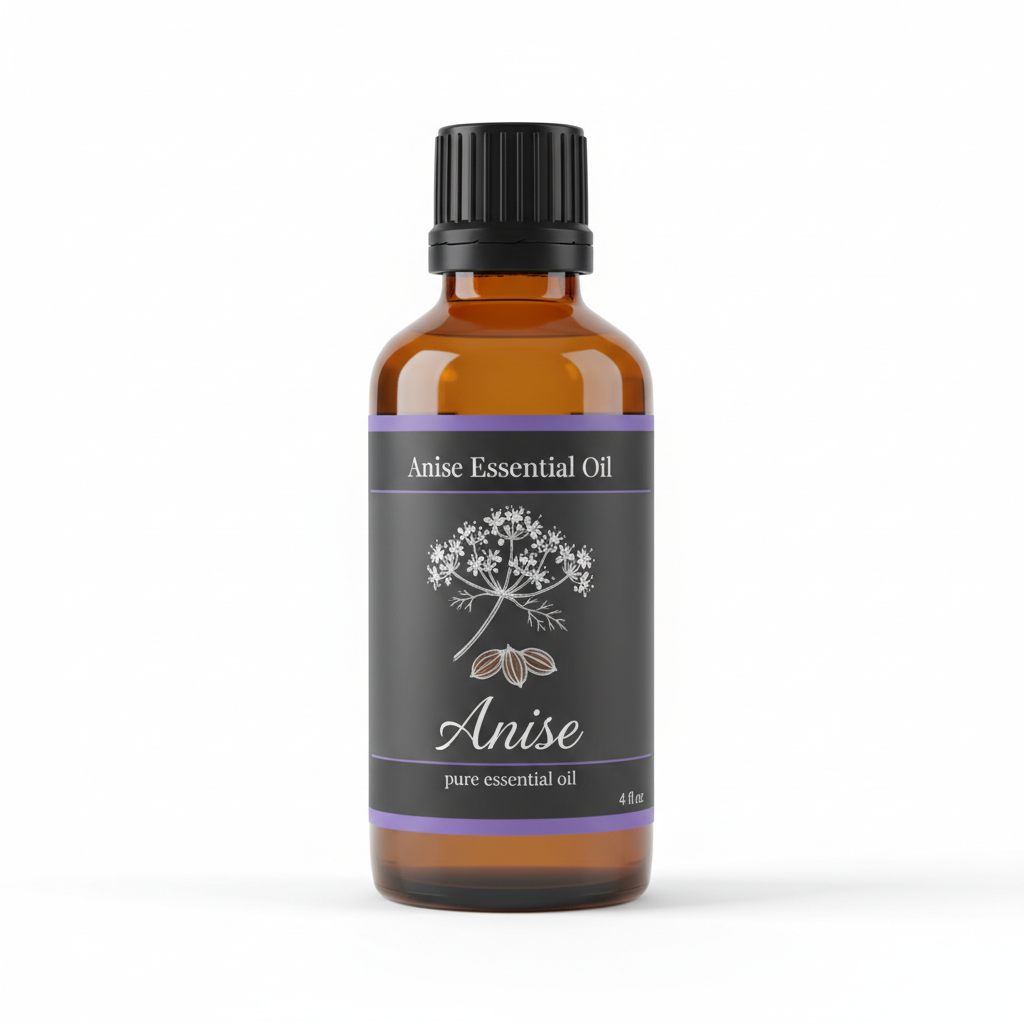
Anise Essential Oil
Our own Anise Essential Oil, in sizes from 0.5 oz to bulk.
From $8.99
Shop Now →Pigs really can smell
A 2012 genome study in BMC Genomics counted 1,113 working olfactory receptor genes in the pig, against 872 in the dog and 388 in people (Nguyen and colleagues). That is a big scent library. It tells us a pig can pick out a lot of smells, not which ones it finds worth walking toward.
What field tests have measured
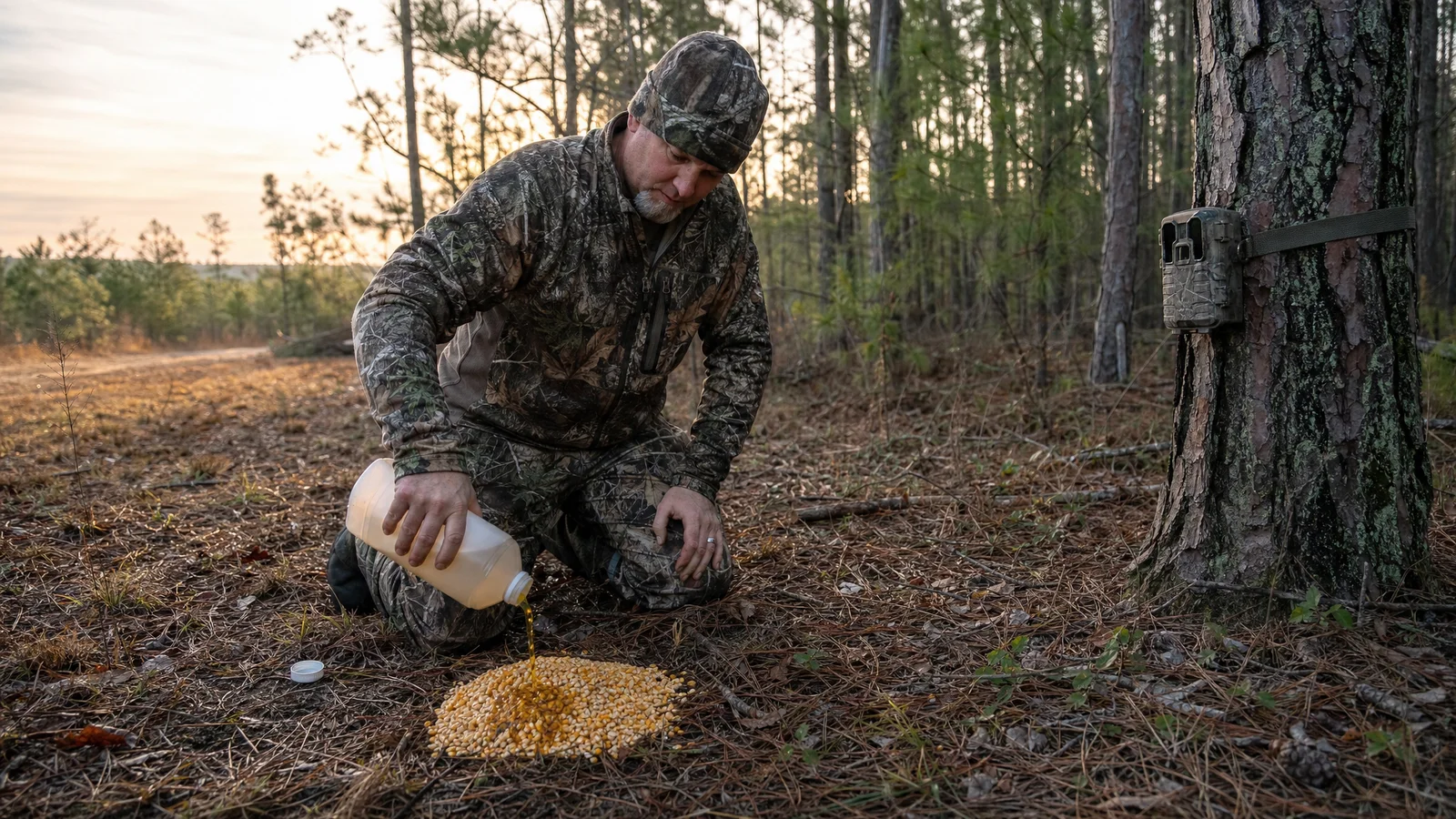
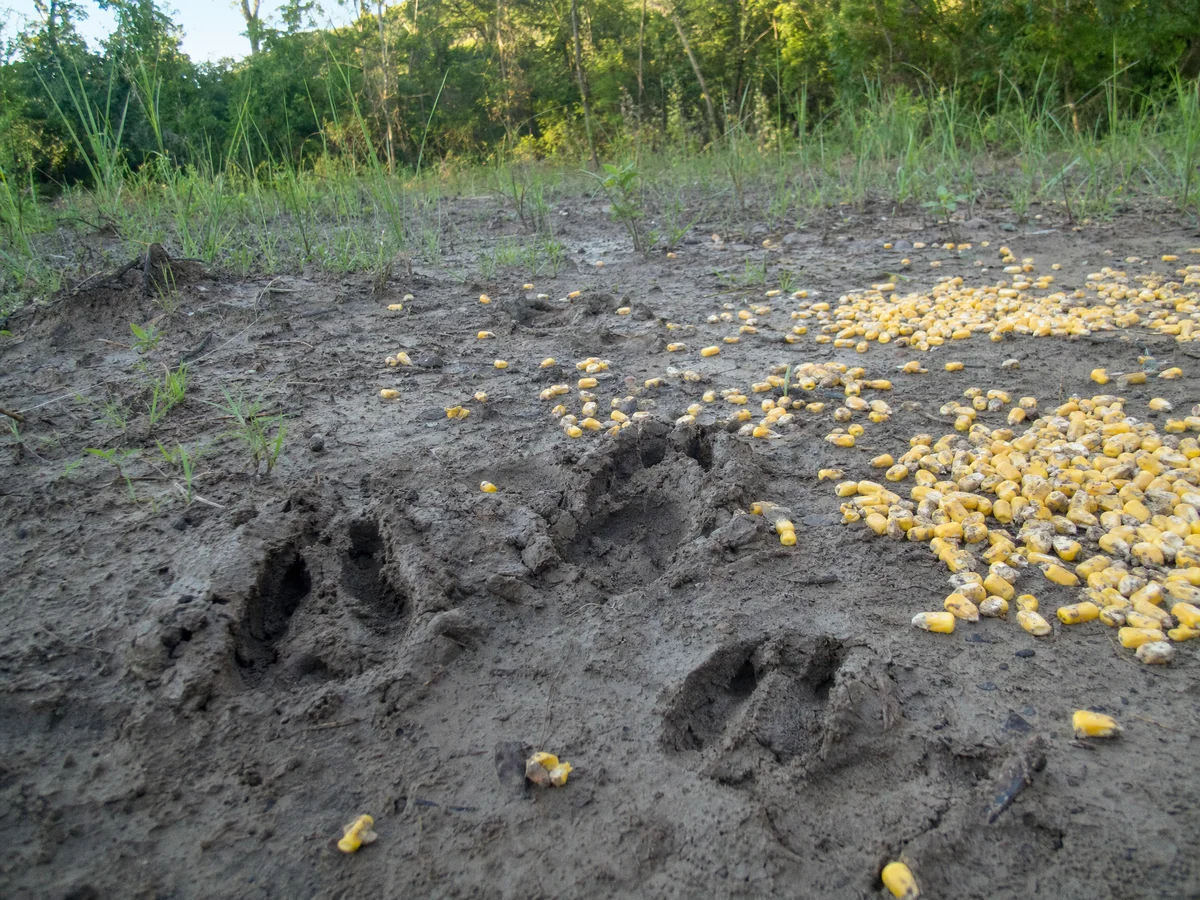
US Department of Agriculture researchers put 11 candidate attractants at scent stations and counted visits with cameras. Feral swine visited apple and strawberry stations more often than controls, and the authors suggested strawberry for swine-specific work and apple, berry or caramel as general attractants (Campbell and Long, 2008). The published abstract does not name anise among the 11, so it cannot tell us how anise performed.
A second Texas study counted 249,902 camera images at 87 bait sites. Bait visits by swine depended on what the bait was made of and its colour, and no bait treatment kept other animals away (Snow and colleagues, 2016). It did not test scent additives, but it shows how much the food itself and the other local animals shape what a camera sees.
What we make of it
Our reading is that food, site and neighbours probably do most of the work in a hog bait, and scent is a garnish on top. Anise might add something, but nobody has published a test showing it does, so it is best treated as an unproven extra rather than a secret ingredient. A strong, far-carrying scent will also call in other wildlife along with the pigs.
Why the idea has such staying power
Part of the charm is that anise really does smell strong. Open a bottle in a quiet room and you will notice how quickly that sweet, licorice-like aroma moves through the air. It is easy to imagine an animal with a keen nose picking it up from a long way off, and the leap from "I can smell this" to "so can the pig, and it must like it" feels natural. Hunting lore passes along stories like this because they are fun to tell and because a lot of outdoor skill really is handed down by word of mouth.
The catch is that a smell travelling far is not the same as a smell being welcome. Plenty of strong odours make animals stay away, and a scent that works on one animal in one place may do nothing in another.
If you spend time outdoors, you will know how much the weather, the season and the other animals around you change what you see. A field that is busy one week can be silent the next, and that is exactly why one good night with a scented station proves so little. The honest approach is patience, a few cameras and a willingness to be surprised.
If you want to test it
A fair comparison needs only a little planning:
- Set two stations with the same food and similar cover, one with anise and one without.
- Put a camera on each and count visits by species.
- Swap which station is scented halfway through so location does not look like scent.
- Put a small amount on a post or cloth rather than pouring oil on the soil or near water.
Baiting and feeding wildlife are regulated state by state, so ask your state wildlife or agriculture agency first. We are not the source for what is legal where you hunt.
Reading bait advice with a cool head
When you read a forum post or a product page promising that one scent will bring hogs running, ask a few simple questions. Who ran the test, and where? Was there an unscented station next to it for comparison? Did anyone count visits, or did someone just have a good morning? The honest answer is often "one person had a good morning," which is worth enjoying but not worth building a plan on.
If you do experiment, keep notes. A simple notebook with the date, the weather, the station and what showed up on camera will teach you more than any recipe.
Where our oil fits
We sell Anise Essential Oil as an aromatic and cosmetic oil. We do not sell baits, feed or attractants, and a feed store or hunting supplier is where those live. If you like to experiment, our guide to bottle sizes shows how small a bottle can be, and the oil needs the usual care: gloves, capped bottle, away from eyes and pets (see our safety basics). The scent has other outdoor roles too: cover scent for hunting, dog scent work and rodents each have their own posts.
If you do try it, let the cameras decide, not the sales pitch.
Anise Essential Oil
Anise Essential Oil from our own shop, in sizes from 0.5 oz to bulk.
From $8.99
Shop Now →