Anise Oil COA vs GC-MS: What Each Report Tells You
A perfumer buying anise oil gets two kinds of paper: a certificate of analysis and a GC-MS report. They look like the same thing, and they are not. One tells you the oil is in the right physical neighbourhood; the other tells you what it is made of. Knowing which is which makes it much easier to buy anise for a formula you plan to repeat.
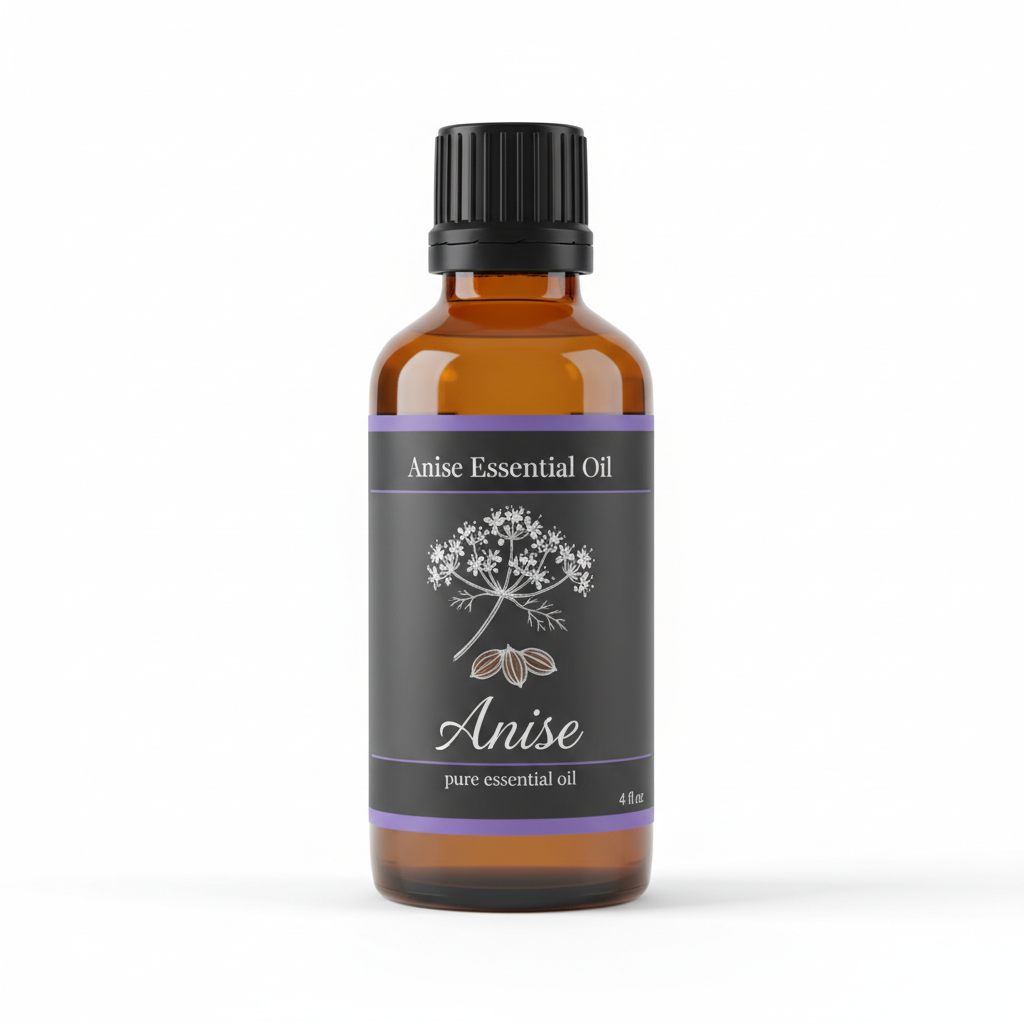
Anise Essential Oil
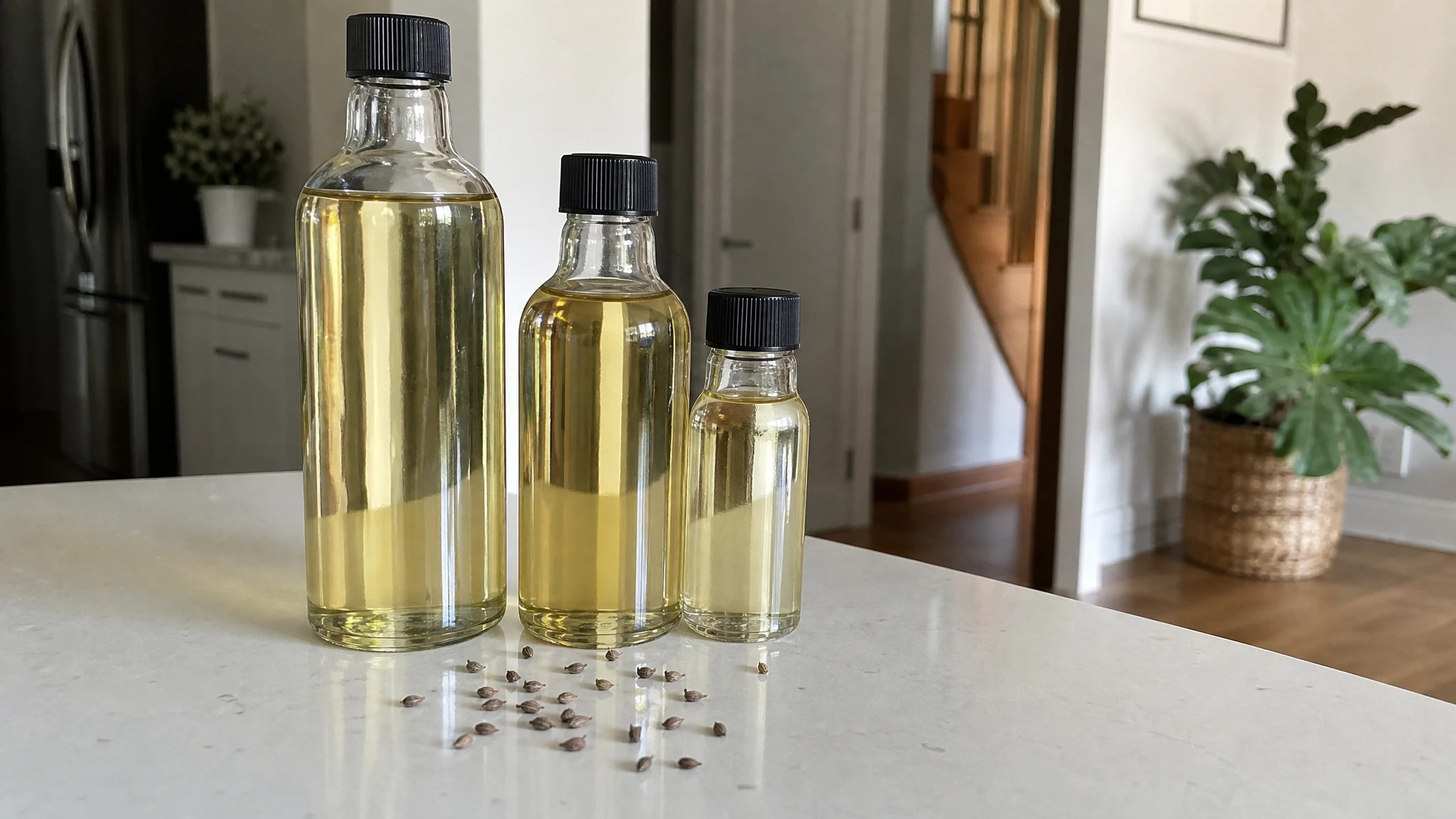
Our own Anise Essential Oil, in sizes from 0.5 oz to bulk.
From $8.99
Shop Now →The certificate of analysis: a first screen
The COA we publish for one batch reports a relative density of 0.979, a refractive index of 1.554 and an optical rotation of +0.8 degrees at 20 C, each with the standard range alongside it, plus a pass on appearance and smell. It also gives the extraction method, steam distillation, and a best-by date. Those physical constants are a quick check that a batch behaves like anise oil. What they can't do is describe the recipe of the oil: an anethole-heavy liquid lands near the same numbers whatever else is in it, so we read a COA as a front door and not as the whole house.
The GC report: the profile
The GC-MS report we publish is qualitative. It lists (E)-anethole at 85.79%, methyl chavicol (estragole) at 4.08%, linalool at 3.47%, para-anisaldehyde at 1.80%, alpha-terpineol at 1.53% and limonene at 1.45%, with 98.83% of the sample identified. Think of it as a portrait of one sample: it shows the character of the oil, with anethole in front and a supporting cast behind it.
Two things are worth knowing when you read any report like it. First, these percentages are peak areas, and area is not weight. A comparison of quantitation methods (Cicchetti and colleagues, 2008) found mass spectrometry without response factors was not reproducible and that an internal standard worked best. So use the numbers to understand an oil's profile, and use a quantitative report if you want to dose to the milligram.
Second, a tidy chromatogram does not prove everything about origin. In a 2024 study of 30 commercial anise, star anise and fennel oils, GC-MS flagged 6 as adulterated and adding carbon isotope analysis raised that to 8, because synthetic anethole can look natural on a standard run (Murphy and colleagues, Plants). It is a small study from one lab, but it explains why serious buyers ask for lot-specific analysis and not only a glance at a profile.
The number that sets your dose: estragole
Of everything on that report, estragole matters most to a perfumer, because IFRA caps it in finished products and so caps how much anise oil you can use. The 51st Amendment limits, as printed in the IFRA standards compilation, are 0.014% estragole in fine fragrance (category 4), 0.0022% in body lotion (5A), 0.0041% in bar soap (9) and 0.11% in candles (12). IFRA's own guidance explains the sum: divide the limit by the share of estragole in the oil, and use your analysed figure if you have one.
Using the 4.08% from our report as a worked example, that gives roughly:
- fine fragrance or solid perfume: about 0.34% anise oil in the finished product, or around 2 drops in 30 ml;
- body lotion or oil: about 0.054%;
- bar soap: about 0.10%;
- candles: about 2.7%.
Anise is potent enough that these ceilings are plenty for a gourmand accent, and it is a fine reason to treat it as a seasoning note. For anything you will sell, your lot's own estragole figure and a cosmetic safety assessor decide the final number, and you can ask us for the lot figure through our contact page. Our solid perfume article puts the sum into a recipe.
Reading the minor peaks
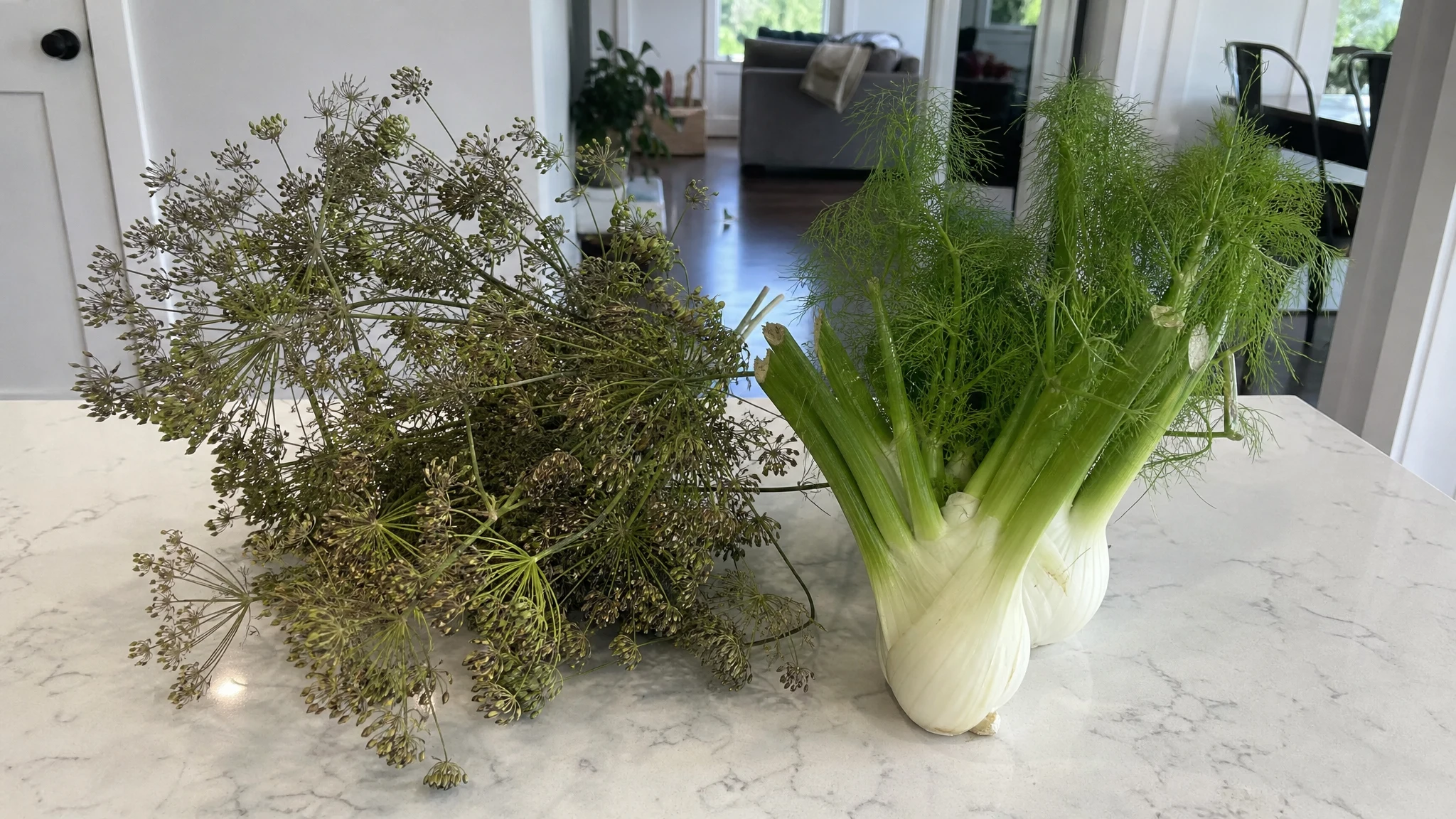
Linalool and alpha-terpineol are the minor compounds a perfumer will notice. In the authentic reference oils in that same study they showed up in the star anise standards and barely in the anise ones, which is a reason to ask which plant and which lot a report describes, and not to rest anything on one small peak. Our post on anise versus star anise shows how the two plants differ.
A short routine for reading any report
Read every report in the same order. Start with the name and lot number at the top, then the date, then check that the document describes the oil you actually hold. Only then look at the numbers, and read each one against the range printed beside it. Doing it in the same order every time makes the odd one out easy to spot.
What to ask for with every lot
- The COA and GC report for the lot you will receive, with the lot number on both.
- Anethole and estragole as numbers, and whether the lab used an internal standard.
- The botanical name and part used, written out the same way on invoice and report.
- A sample from the next lot before you order your next kilogram.
Paper only tells half the story. When the sample arrives, open it and smell it beside the one you liked before: sweet, warm and licorice-like with a faint spiced edge is how we describe ours, and your nose is quick at spotting a batch that smells noticeably different. Keep your notes beside the report, and keep one folder per lot with the lot number written on the cover.
That is the list we would hand to any supplier, and we are glad to talk it through with you.
Anise Essential Oil
Anise Essential Oil from our own shop, in sizes from 0.5 oz to bulk.
From $8.99
Shop Now →Sources & Further Reading
- Cicchetti E, Merle P, Chaintreau A, 2008. Quantitation in gas chromatography. Flavour and Fragrance Journal 23(6):450-459. hero.epa.gov
- Murphy BJ et al., 2024. Authentication of fennel, star anise, and anise essential oils by GC/MS and GC/IRMS. Plants 13(2):214. pmc.ncbi.nlm.nih.gov
- IFRA Standards, 51st Amendment, Estragole. ifra-standards-51st-amendment.pdf
- IFRA Guidance for the Use of IFRA Standards, 51st Amendment. ifra guidance pdf