Anise Blend Formulas: How to Build Around the Oil
We sell one oil, so we have no signature anise blend to hand you, and we think that is an advantage. It means we can show you how to build your own: decide how much anise the product can hold, then fill the rest of the formula with partners that have roomier limits. Two worked examples, a bar of soap and a scented sachet, show the whole method.
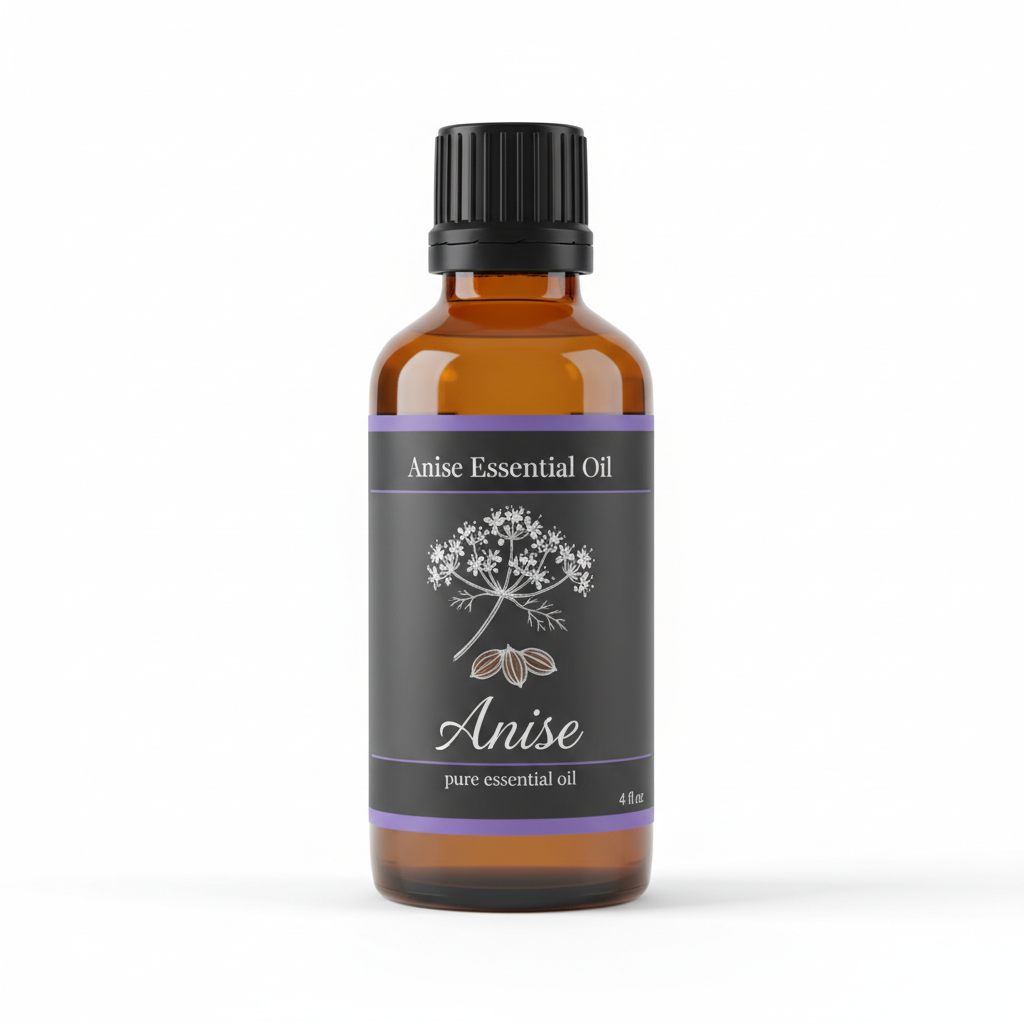
Anise Essential Oil
Our own Anise Essential Oil, in sizes from 0.5 oz to bulk.
From $8.99
Shop Now →The method in four steps
- Find the product's IFRA category. IFRA's guidance puts bar soap in Category 9 and candles and incense in Category 12. We use Category 12 for sachets as the nearest fit, since they are not worn on skin; confirm that with your supplier.
- Read the estragole limit. In the 51st Amendment it is 0.0041% for Category 9 and 0.11% for Category 12 (IFRA Standards).
- Convert it to anise oil. Divide the limit by the estragole share of the oil. The GC-MS report we publish lists 4.08%, so Category 9 allows about 0.10% anise oil in the bar and Category 12 about 2.7%. That report is qualitative and not tied to a lot number, so ask us in writing through the contact page if you want your lot's figure.
- Turn it into a share of the blend. Divide by your fragrance load. At 3% fragrance in the finished bar, 0.10% anise oil is about 3.3% of the blend.
IFRA's guidance says the limit counts whether estragole is added directly or arrives inside a natural oil, and that a measured level should replace a typical one when you have it (IFRA guidance, 51st Amendment). The same arithmetic for perfume is in our pairings post, and for candles in our candle guide.
Example one: a bar of soap
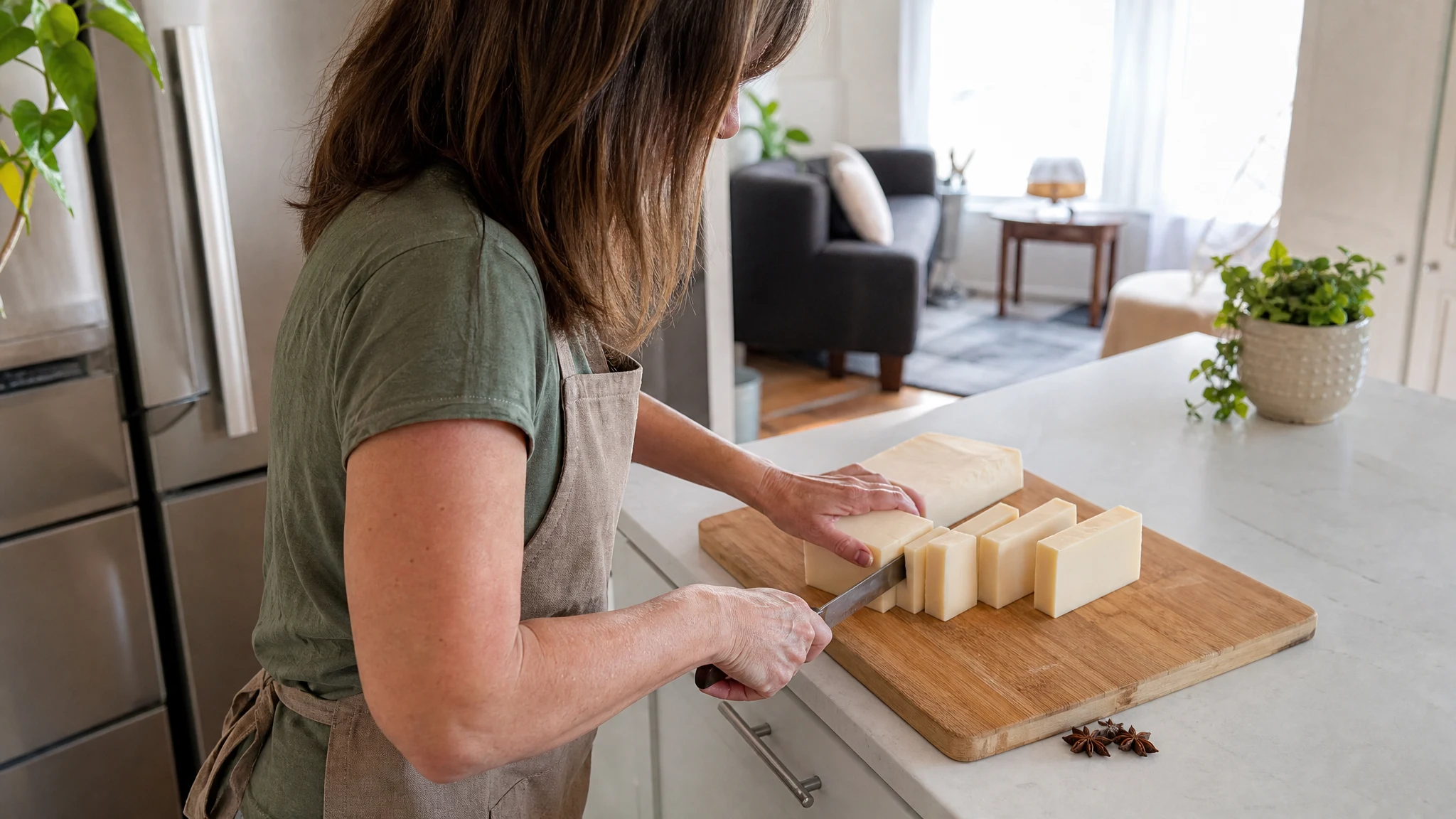
Assume a 3% fragrance load by bar weight. That is an illustration; your fragrance supplier's usage guidance sets the real figure. Anise can then be up to about 3.3% of the blend, so 3 parts leaves a little margin.
| Ingredient (parts by weight) | Parts | Its job |
|---|---|---|
| Sweet orange | 62 | Bulk and brightness; anise already carries a little limonene itself |
| Cardamom | 20 | A dry, spiced counterweight to the sweetness |
| Clove | 15 | Warmth |
| Anise | 3 | The accent |
The check: 3 parts at a 3% load is 0.09% anise in the bar, and 0.09% times 4.08% is about 0.0037% estragole, under the 0.0041% limit. Clove is no problem for eugenol: one clove oil analysed in a 2026 study was 55.0% eugenol, so 15 parts at a 3% load puts about 0.25% eugenol in the bar, against an IFRA limit of 4.9% for this category (Sytykiewicz et al., 2026). In a 1 kg batch that is 30 g of blend and 0.9 g of anise oil, roughly 0.92 ml using the 0.979 density on our published certificate of analysis. At that scale weigh the oil rather than counting drops. Orange, cardamom and clove have other components with their own limits, so ask your supplier for an IFRA certificate for the exact oils you buy.
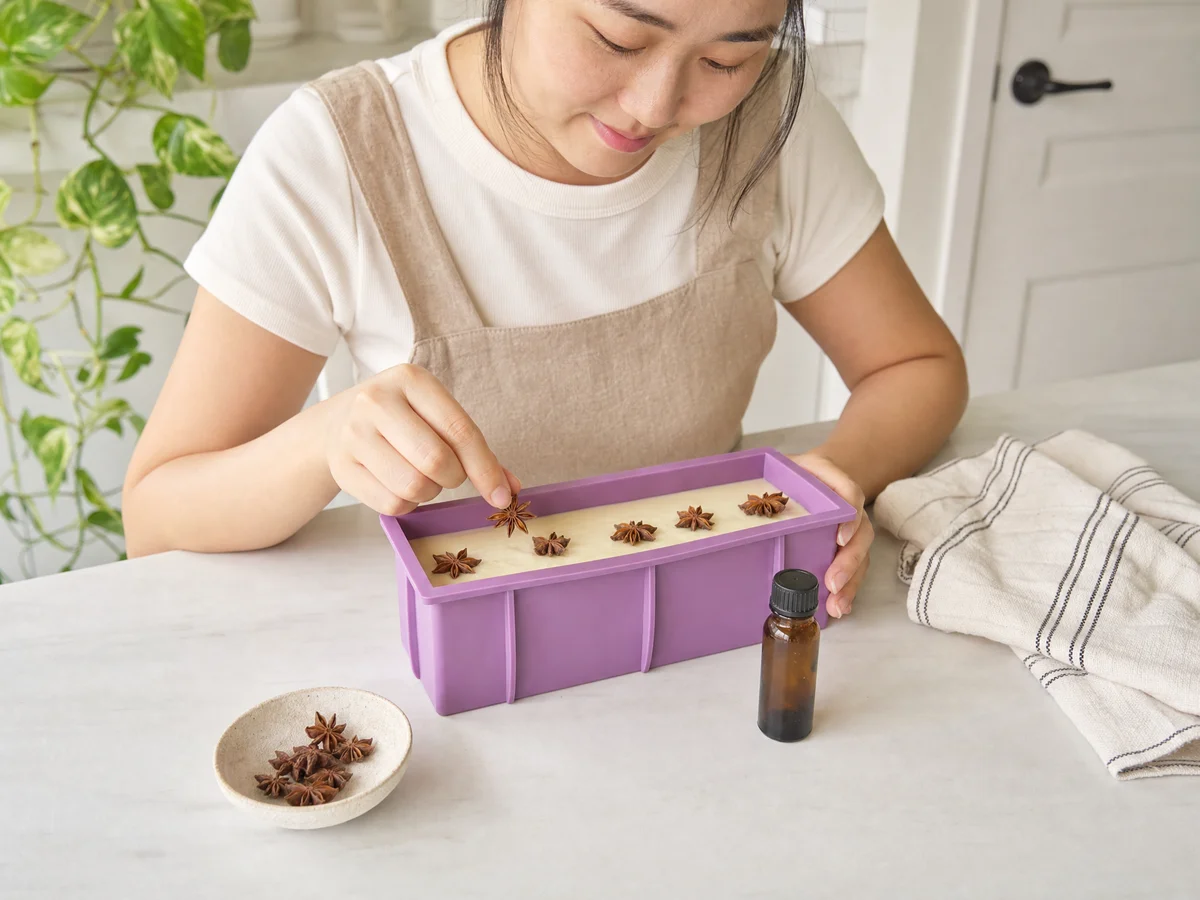
Example two: sachets for a spice shelf
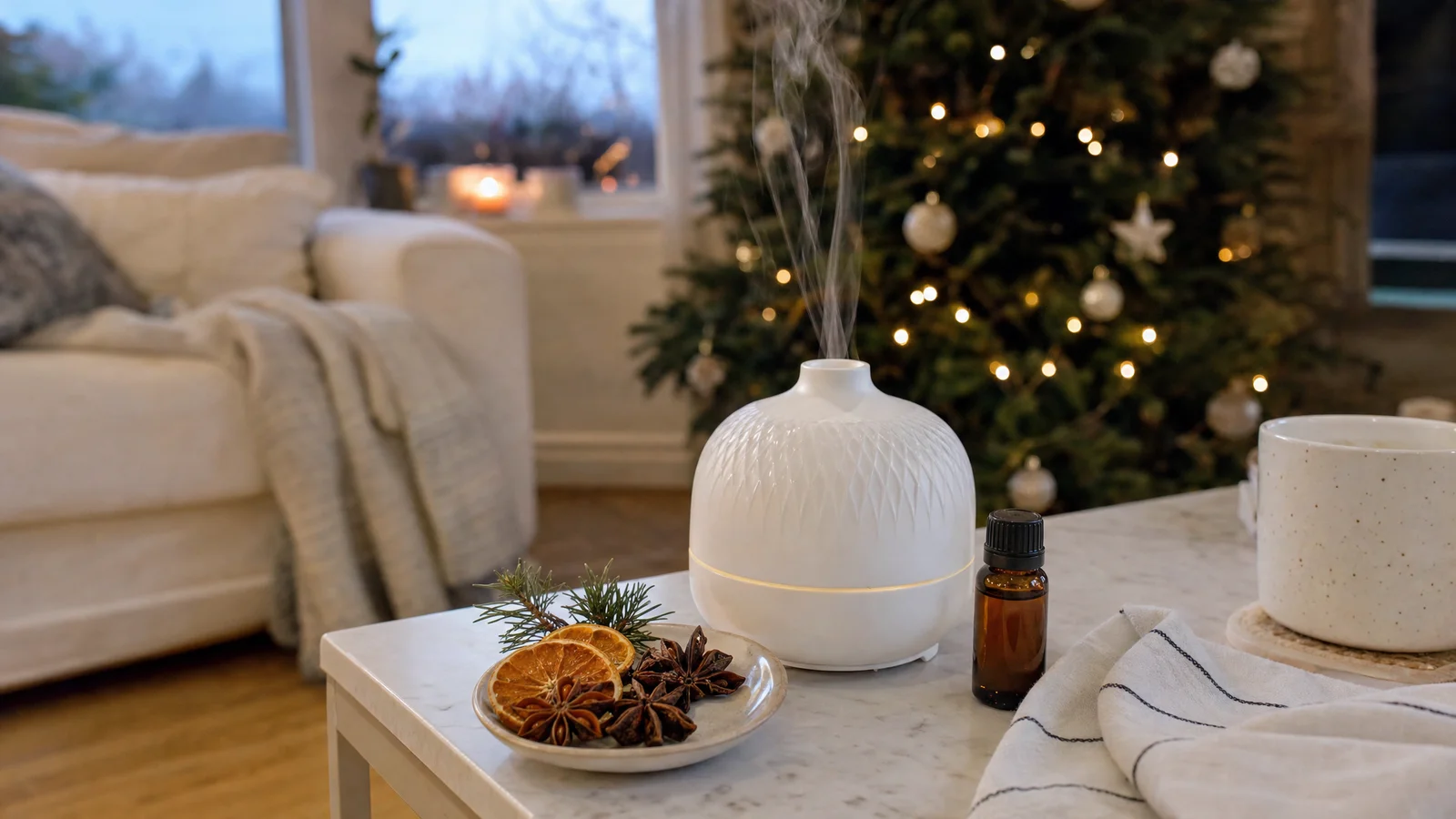
Sachets are not meant for skin, so the allowance is far looser: 2.7% anise oil in the finished product. Suppose the blend is applied at 5% of the weight of the dry filling.
| Ingredient (parts by weight) | Parts |
|---|---|
| Sweet orange | 40 |
| Cardamom | 30 |
| Anise | 20 |
| Clove | 10 |
Twenty parts at a 5% load is 1.0% anise oil in the filling, comfortably under 2.7%, and the estragole works out to 0.041%, under 0.11%. For 500 g of filling that is 25 g of blend and 5 g of anise. Eugenol has no restriction in this category. Sachets do put aroma into the air, though, and Pet Poison Helpline lists citrus and clove among oils known to poison cats, so keep them out of reach of any cat in the house (Pet Poison Helpline).
Three habits that keep a formula on track
- Change the other 97 parts, not the total. If a soap smells faint, raising the fragrance load from 3% to 6% doubles the anise as well, past its allowance. Adjust the partners instead.
- Count every estragole source. The same clove study profiled a basil oil that was 73.0% estragole. Add one and it spends the allowance anise needs.
- Treat 4.08% as a starting figure. A richer lot shrinks every allowance in proportion.
Let your nose check the arithmetic
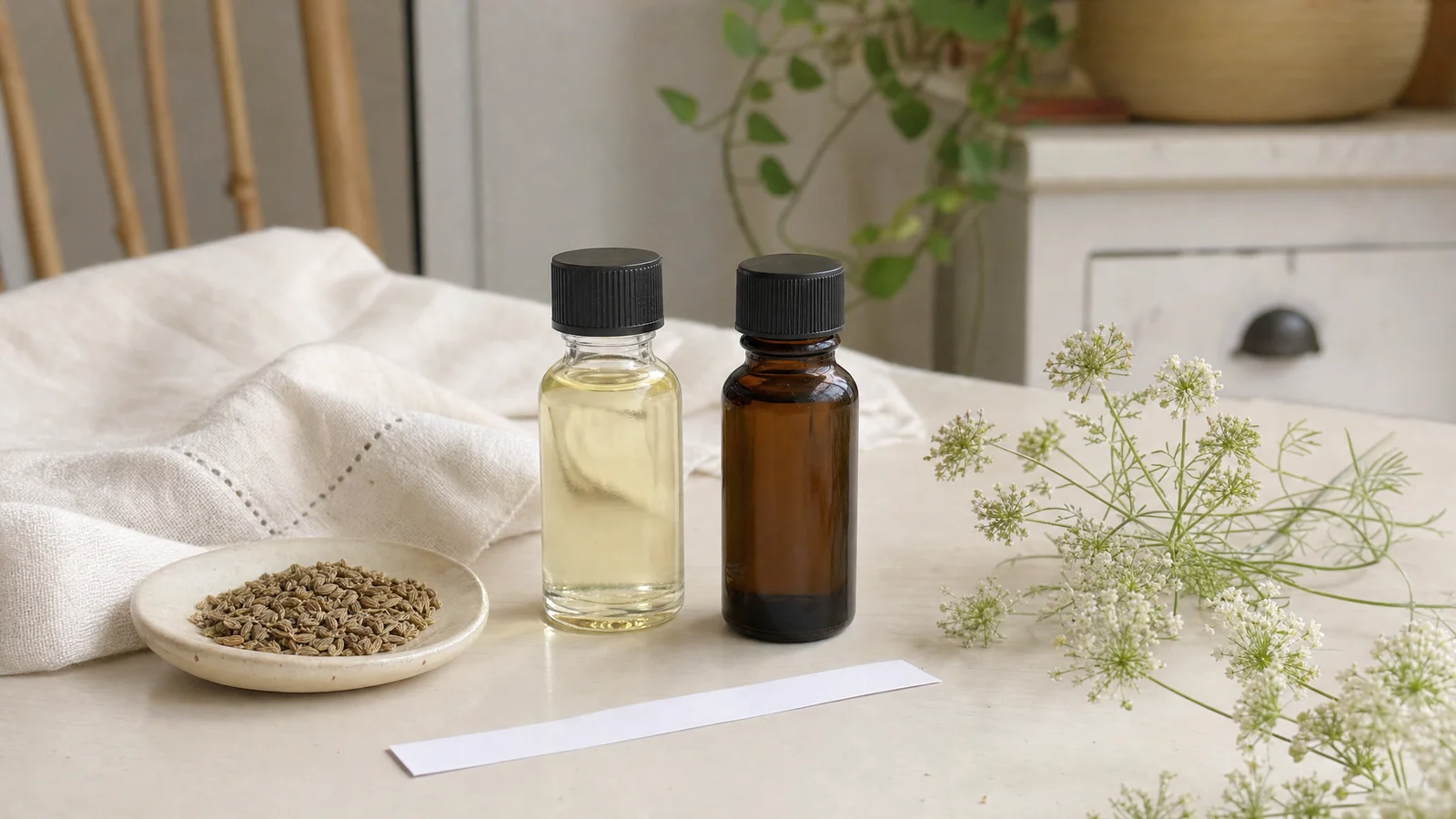
Numbers tell you how much anise a product can hold. Your nose tells you whether you like the result. Before you commit a whole batch, put a small drop of the blend on a paper blotter, wave it gently and smell it at the start, then again after a few minutes and again after an hour. The orange will speak first, the spices will arrive in the middle, and you will notice how the anise settles in behind them as the blotter dries.
Write down what you used next to what you smelled, even if it is only a line in a notebook. Next month you will not remember whether the second version had two parts of cardamom or three, and a short note saves you from starting over.
A few last notes
Anyone who is pregnant or breastfeeding should read our pregnancy post and check with a midwife or doctor before using anise-scented products, and a patch test is sensible for anything that touches skin. Soap made for sale carries its own labelling duties, which a cosmetic chemist or regulatory adviser can explain. For a gentler licorice note with different chemistry, see anise oil versus fennel oil.
Because anise is mostly one assertive molecule, three parts in a hundred can still read clearly as anise in the finished blend; that is our reasoning from the chemistry.
Anise Essential Oil
Anise Essential Oil from our own shop, in sizes from 0.5 oz to bulk.
From $8.99
Shop Now →