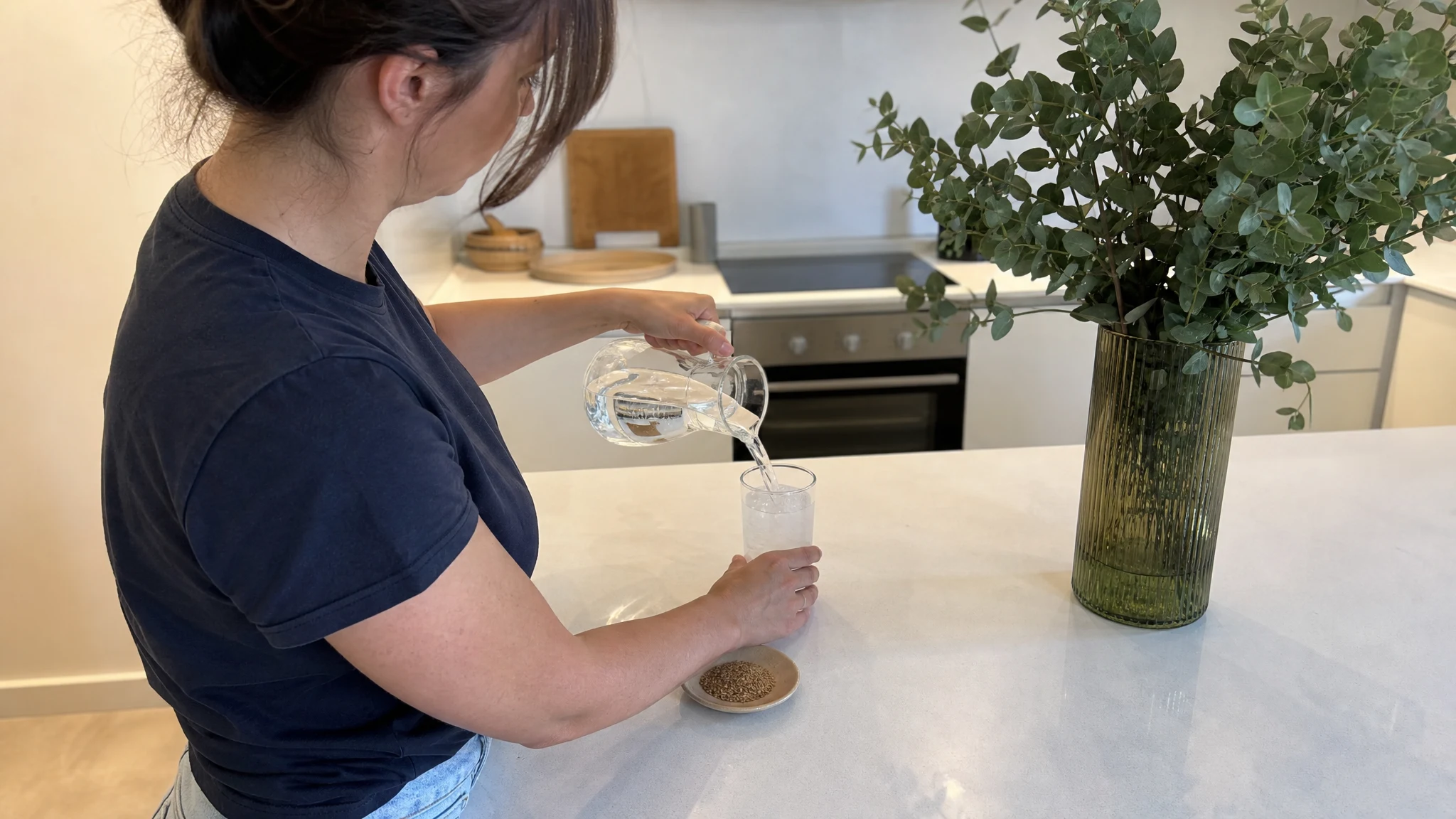
The Ouzo Effect: Why Anise Liqueur Turns Cloudy
Pour water into a glass of ouzo and a clear drink blooms into milk. It looks like a magic trick, and it is a lovely piece of everyday chemistry. Once you know what is happening, you can use the cloud as a quiet gauge of how good your own homemade anise liqueur is.
Anise Essential Oil
Our own Anise Essential Oil, in sizes from 0.5 oz to bulk.
From $8.99
Shop Now →What is happening in the glass
Ouzo, pastis, sambuca and Spanish anís are clear spirits made of roughly 60% water and 40% ethanol with a small amount of anethole, the aromatic compound that gives anise its flavor (Archer et al., 2024). Anethole dissolves easily in strong alcohol and barely at all in water: PubChem lists a solubility of only about 0.11 grams per liter of water at 25 C, against 1 part in 8 parts of 80% alcohol (PubChem). Add water, and the alcohol that was holding the anethole is suddenly spread thin, so the anethole separates into a haze of tiny droplets that scatter light. That is the cloud, and the French call it the louche.
Physical chemists named it the ouzo effect after a 2003 Langmuir paper by Vitale and Katz, who showed that when a water-miscible solvent carrying a water-insoluble oil is poured into water, a long-lived fine emulsion forms with no stirring and no added surfactant (Wikipedia, with the paper's reference).
Reading the louche in your own bottle
Most people treat the cloud as decoration, but it is a handy test of how much anethole your infusion drew out. This is a rule of thumb from how the chemistry works, not a lab measurement.
| What you see | What it likely means | What to do |
|---|---|---|
| Clear in the bottle, cloudy when you add water or ice | The classic louche. Anethole stays dissolved in the strong liqueur and falls out as it is diluted. | Enjoy it. |
| Hazy straight from the infusion | Fine seed particles got through, or the spirit was too weak for the anethole load. | Filter again through a paper coffee filter. |
| Clear until chilled, then cloudy | Cold lowers what the liquid can hold. | Bring it back to room temperature; it will usually clear. |
| Never clouds on dilution | Little anethole was extracted. | Steep longer or use a few more seeds next time. |
Sugar changes the picture, since the published phase diagrams are for ethanol, water and anethole without syrup, so a sweet liqueur will cloud a little differently. If you want a clear glass, this is simply the wrong spirit.
A whole seed anisette
Whole aniseed gives you control: it releases flavor slowly, so you can stop steeping at the right moment. A concentrate gives no such control, which is why we suggest seed for a first batch. A traditional Italian recipe steeps 100 g of anise seed per liter of 95% alcohol for about 30 days before blending with a sugar syrup (Calendario Valtellinese). Because 95% spirit is not generally sold for drinking in the United States, this version uses ordinary 80 proof vodka, which extracts more slowly, so go by taste.
- 750 mL vodka, 40% alcohol by volume
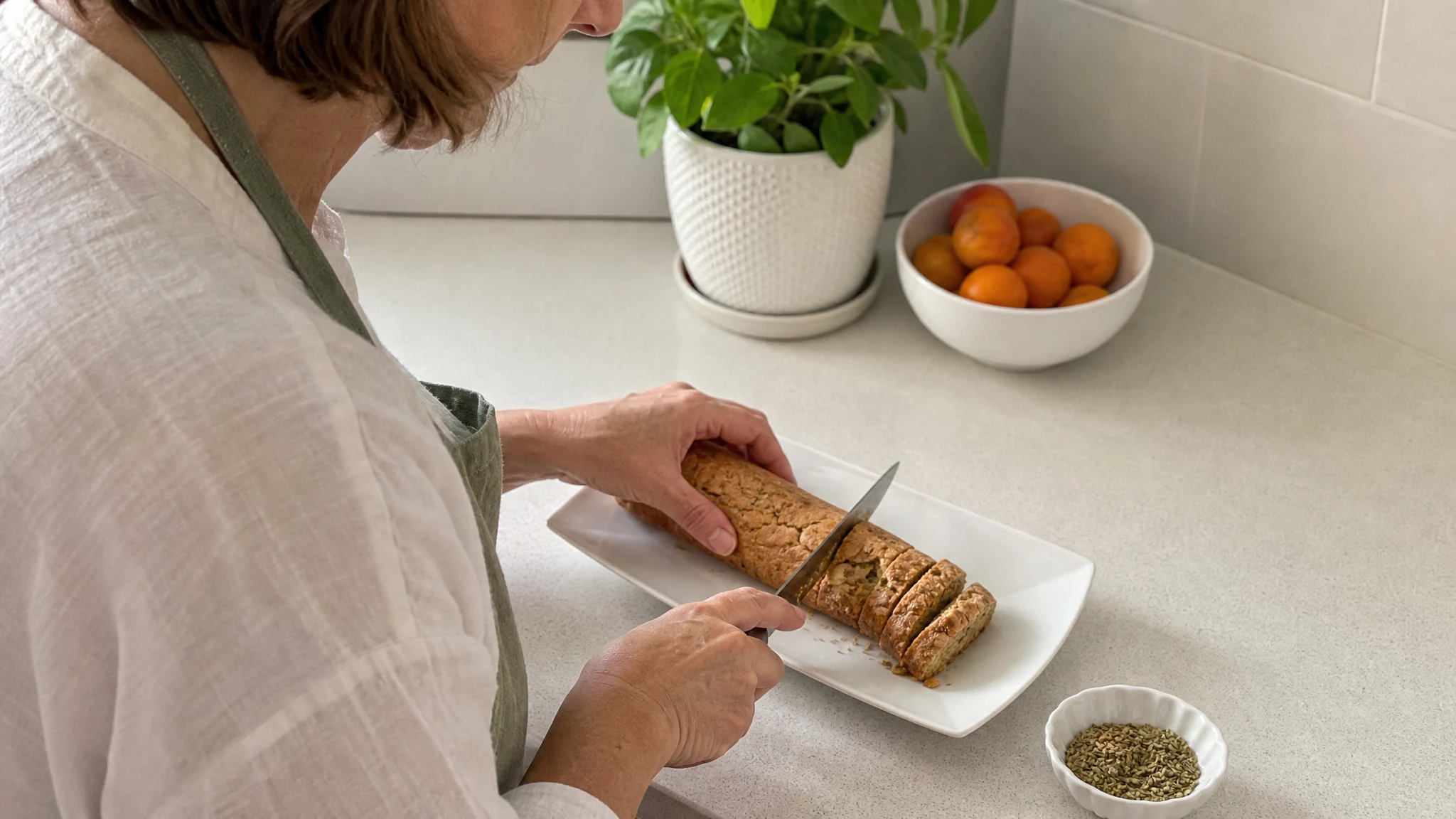
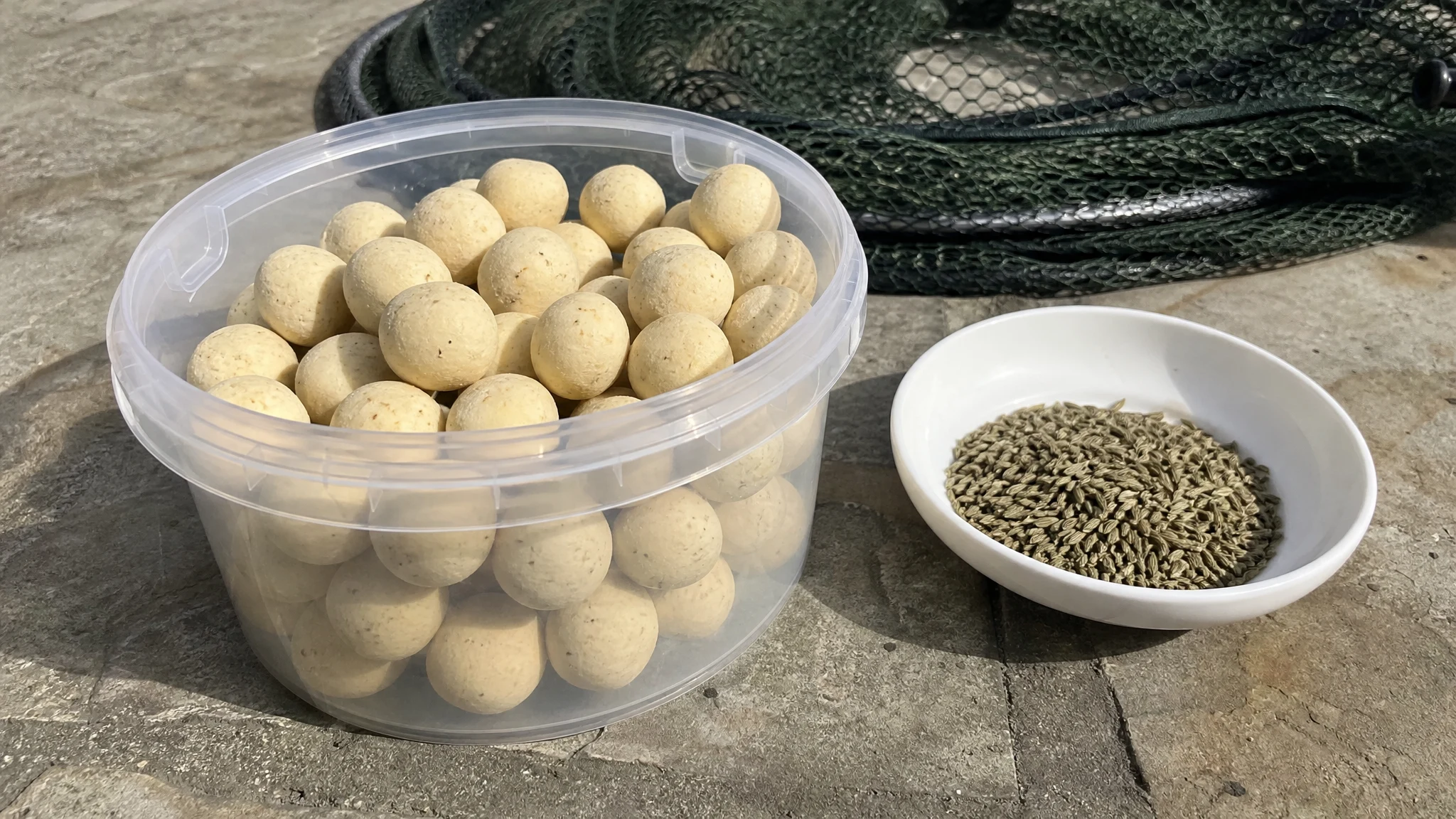
- 2 tablespoons whole aniseed, lightly crushed (from the spice aisle or a seller of food spices)
- 1 cup sugar and 1 cup water, for a syrup
- Crush the seed lightly with the flat of a knife, then seal it in a clean glass jar with the vodka and keep it somewhere cool and dark.
- Shake every few days and taste a drop on day 3, then weekly. Stop when the flavor suits you.
- Dissolve the sugar in the water over low heat and cool it completely.
- Strain the vodka through a fine sieve, then through a paper coffee filter.
- Stir in about two thirds of the syrup (roughly 240 mL), taste, and add more only if you want it sweeter. That lands near 30% alcohol by volume.
- Rest the bottle for a few days, then test it: 1 ounce over ice with 3 ounces of cold water, and watch the louche appear.
For anything beyond seed, use a flavoring made and labeled for food and follow its label. Our Anise Essential Oil is an aromatic and cosmetic oil, not a food, so it never goes into a drink. Our guide to eating anise oil: grades, labels and limits explains the line, and anise oil vs extract compares the strengths of food flavorings.
Serving the louche
The cloud is half the pleasure, so give it a moment. Use a clear glass so you can watch, pour the spirit first, then add cold water slowly and see it bloom. Notice how the clear liquid turns milky from the bottom of the glass up, and how the smell of anise seems to rise as it does. A small plate of olives or something salty makes a nice companion, and the whole thing rewards sipping slowly.
The rules around it
This is general information, not legal advice. The Alcohol and Tobacco Tax and Trade Bureau says federal law strictly prohibits individuals from producing distilled spirits at home (TTB, Home Distilling), and nothing in this article involves a still. Flavoring a bottle of spirits you bought is a different activity from producing spirits, but rules differ by state, so check yours, and do not sell or serve the result to the public. This is an adults-only project: keep the finished bottle away from children and pets. If you are pregnant or breastfeeding, ask your OB-GYN or midwife about alcohol before making or drinking it, and ask a pharmacist if you take medicine that interacts with alcohol.
Anise Essential Oil
Anise Essential Oil from our own shop, in sizes from 0.5 oz to bulk.
From $8.99
Shop Now →Sources & Further Reading
- Archer et al. Experimental and theoretical bulk phase diagram and interfacial tension of ouzo (arXiv:2404.18524, 2024)
- Wikipedia: Ouzo effect (cites Vitale and Katz, Langmuir 19(10):4105-4110, 2003)
- PubChem: anethole solubility records
- Calendario Valtellinese: homemade anise liqueur
- TTB: Home Distilling