Anise Oil vs Licorice Root Oil: Same Sweetness, Different Source
Walk into any spice shop or candle-making forum and you'll hear the two names used almost interchangeably: that warm, sweet, faintly medicinal-smelling note gets called "licorice scent" or "anise scent" depending on who's talking. But anise oil vs licorice root oil is really a comparison between two different plants, two different extraction methods, and, in practice, two very different products sitting on a supplier's shelf. If you've been shopping for one and stumbled on the other, this guide breaks down what actually separates them, where each one shines, and which is the better anise oil sweetness alternative for your specific project.
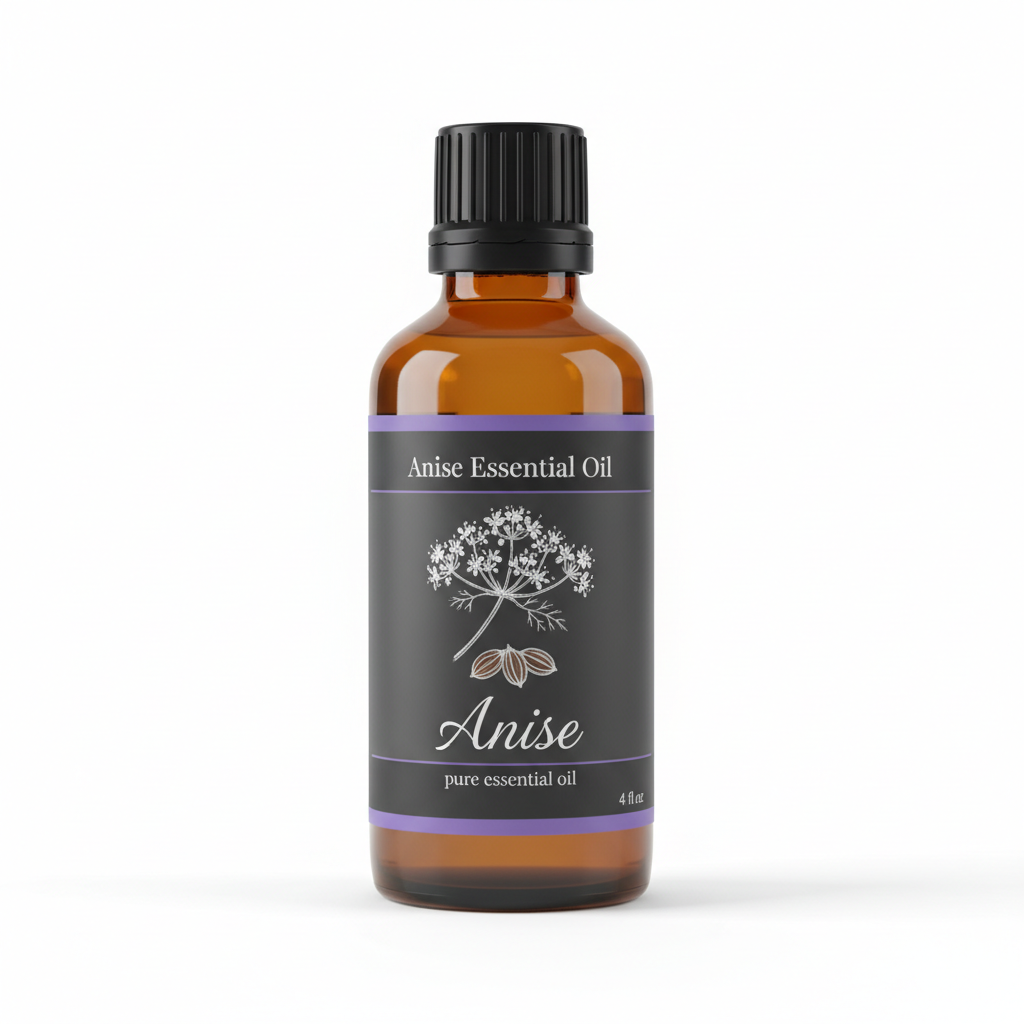
Anise Essential Oil
Our own Anise Essential Oil, in sizes from 0.5 oz to bulk.
From $7.99
Shop Now →Two Plants, One Familiar Sweetness
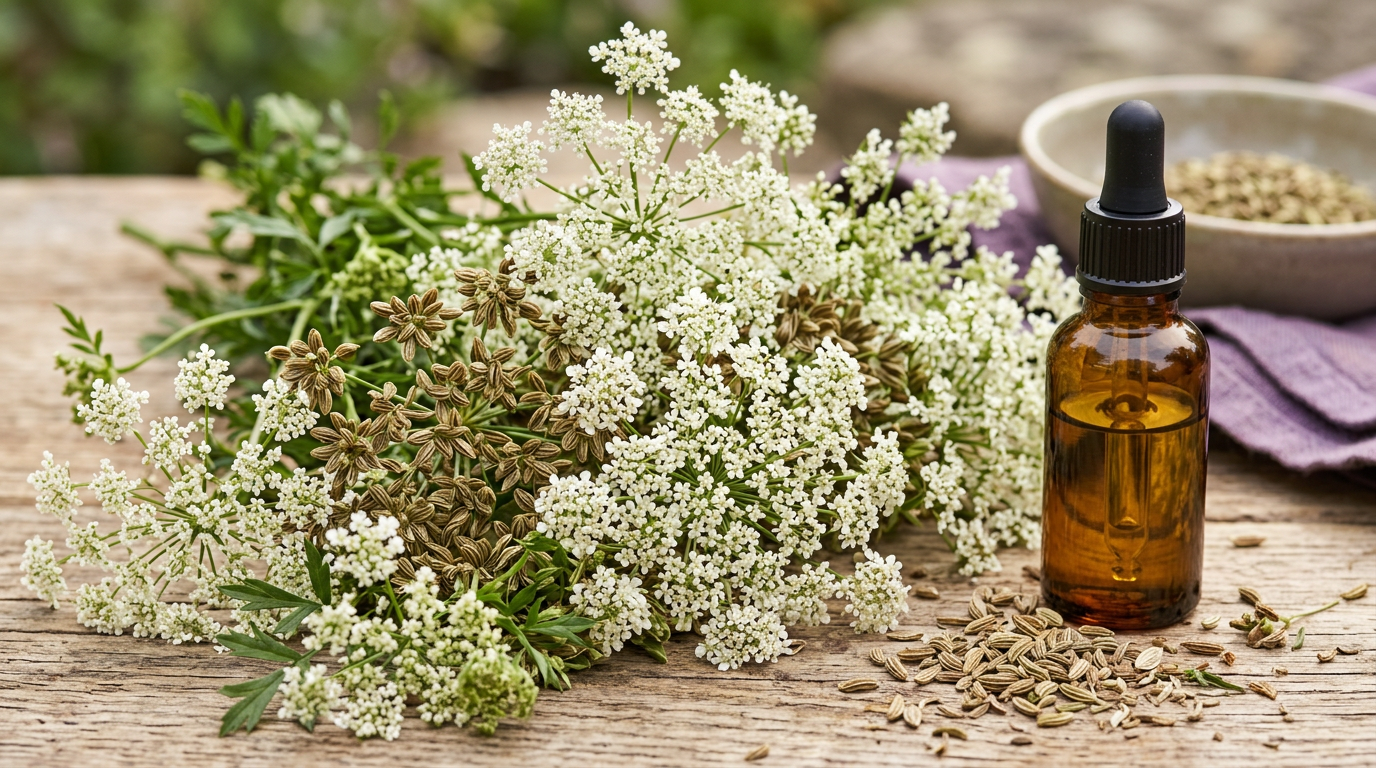
Anise (Pimpinella anisum) is an annual herb in the carrot family, grown mostly for its small, ridged seeds. Those seeds are steam distilled to produce anise essential oil, a clear to pale-yellow liquid with an unmistakable sweet, spicy, faintly cooling aroma. It's the scent most people associate with black jellybeans, sambuca, and old-fashioned hard candy.
Licorice (Glycyrrhiza glabra) is an entirely different plant, a legume whose sweetness comes from its roots, not its seeds. Here's the twist most shoppers don't expect: the classic "licorice candy" smell that most of us grew up with is, more often than not, flavored with anise oil or star anise oil rather than actual licorice root. True licorice root on its own has a milder, earthier, slightly woody sweetness that reads more like sweet hay than the punchy black-licorice-candy note. When a bottle is labeled "licorice essential oil," it's worth reading the fine print closely, because the aroma inside may lean much closer to anise than to root.
Where the Scent Actually Comes From
Anise Oil: One Molecule Doing Most of the Work
Anise oil's sweetness is almost entirely explained by one compound: trans-anethole, which typically makes up 80 to 90 percent of the oil. That concentration is why anise oil smells so consistent, so sweet, and so strong bottle to bottle when it's properly distilled. A small amount of linalool and other trace compounds round out the profile with a soft floral undertone. For a deeper look at the chemistry, see our breakdown of anise oil's anethole and linalool content.
Because anise oil is steam distilled directly from seed, sourcing is relatively straightforward and prices are comparatively stable. It's also one of the more affordable spice oils on the market, which is part of why it shows up so often as a flavor and fragrance substitute for rarer botanicals.
Licorice Root Oil: A Trickier Extraction
True licorice root doesn't yield much volatile oil through steam distillation, so most "licorice root oil" sold commercially is actually a CO2 extract, an oleoresin, or a diluted absolute rather than a classic essential oil. These extraction methods pull out glycyrrhizin and other root compounds along with whatever aromatic molecules are present, which produces a thicker, darker, resinous material rather than a thin, clear distillate.
This matters for buyers in three practical ways. First, licorice root extracts are harder to standardize, so scent strength and color can vary noticeably between suppliers and even between batches from the same supplier. Second, they tend to cost more, since the yield per pound of root is lower than the yield of oil per pound of anise seed. Third, some products labeled "licorice oil" are actually anise oil with a licorice-root name attached for marketing purposes, so a licorice scent oil comparison really has to start with reading the ingredient panel, not just the label on the front of the bottle.
Anise Oil vs Licorice Root Oil: Side-by-Side Comparison
| Attribute | Anise Oil | Licorice Root Oil |
|---|---|---|
| Botanical source | Pimpinella anisum (seed) | Glycyrrhiza glabra (root) |
| Extraction method | Steam distillation | CO2 extraction, oleoresin, or absolute (rarely true distillation) |
| Key aromatic compound | Trans-anethole (80 to 90 percent) | Variable; often blended with anise-type compounds |
| Scent profile | Bright, sweet, spicy, distinctly licorice-candy | Earthier, mellower, sweet-hay undertone |
| Appearance | Clear to pale yellow, thin liquid | Amber to dark brown, often thicker or resinous |
| Typical cost | Lower to moderate | Moderate to high |
| Consistency across suppliers | Fairly consistent | Variable; check the extraction method before buying |
| Common uses | Baking, candy making, perfumery, soap and candle scenting, diffuser blends | Specialty perfumery, artisan soap, novelty candle work |
| Availability | Widely available from spice and essential oil suppliers | Niche; fewer reputable suppliers |
Anise Oil: Pros and Cons
Pros
- Consistent, reliable sweet-licorice scent from batch to batch, thanks to its high anethole content
- Widely available in both food-grade and fragrance-grade forms
- More budget-friendly than most root-derived extracts
- Works well diluted for topical blends, candles, soap, and diffusers alike
- Long track record in baking and confectionery, so food-grade sourcing is easy to find
Cons
- Very strong and one-note; a little goes a long way, and overdoing it can read as overpowering rather than warm
- High anethole concentration means it should always be diluted before skin contact, and some people find the scent too sharp for subtle blends
- Easy to confuse with star anise oil, which smells similar but comes from a different plant entirely
Licorice Root Oil: Pros and Cons
Pros
- Softer, rounder sweetness that can add depth without dominating a blend
- Interesting novelty appeal for artisan and small-batch product lines
- Pairs well with earthy or woody notes where a sharp anise top note would clash
Cons
- Inconsistent quality and scent strength across suppliers
- Frequently mislabeled or cut with anise-type oils, making sourcing genuinely tricky
- Costs more per ounce for a less concentrated, less predictable aromatic payoff
- Harder to find in small hobbyist quantities compared to anise oil
Best Uses for Each Oil
Choose Anise Oil For:
- Baking and confectionery. Food-grade anise oil is the standard choice for black licorice candy, biscotti, and holiday baking. See our guide on where to buy anise oil for baking if this is your primary use case.
- Soap and candle making. Its strong, stable scent holds up well through the saponification process and in hot and cold throw testing. A few signature combinations are covered in our anise blends for soap and spice shops.
- Room and diffuser scenting. Anise oil's brightness works especially well in cooler-weather blends. Our holiday diffuser blend guide has combinations that soften the sharpness with warmer spice notes.
- Budget-conscious formulating. If you need a dependable licorice-type note without a specialty-ingredient price tag, anise oil is the more practical anise oil sweetness alternative to reach for first.
Choose Licorice Root Oil For:
- Niche or artisan perfumery. Perfumers chasing a mellow, earthy sweetness rather than a bright candy note sometimes reach for licorice root extracts specifically because they read differently on the skin than anise.
- Layered, complex blends. When a project calls for depth rather than a dominant top note, a small amount of licorice root extract can round out woody or resinous accords in ways a sharp anise oil cannot.
- Small-batch or novelty product lines. The rarity and story behind true licorice root extraction can be a selling point in itself for boutique makers.
Blending and Dilution Notes
Both oils are potent and should be treated with the same basic care as any concentrated aromatic ingredient. For topical or leave-on products, keep dilution low, generally in the 1 to 2 percent range for adult skin-contact applications, and always patch test a small area first before using a new blend more broadly. Because anise oil is so concentrated in anethole, some formulators prefer to keep it under 1 percent in facial or sensitive-skin products. Our full anise oil safety basics guide covers dilution ratios and patch-testing steps in more detail, and the same caution applies to licorice root extracts, since strength can vary from bottle to bottle.
Keep any essential oil or root extract away from the eyes, out of reach of children, and away from pets, and stop use if any skin reaction develops. If you have sensitive skin, it's worth checking with a qualified healthcare provider before adding a new aromatic ingredient to your routine, particularly for anything applied directly to skin rather than diffused into the air.
Pricing and Sourcing Reality
Anise oil is one of the more reasonably priced specialty oils precisely because the supply chain is mature: anise seed is grown at scale, distillation is efficient, and demand from the food and flavor industry keeps production steady. Licorice root extracts sit at the opposite end of that spectrum. Lower yield per pound of raw material, more variable extraction methods, and a smaller pool of reputable suppliers all push the price up and make quality control harder to verify from a listing alone.
If you're comparing listings for either oil, the same due-diligence steps apply: look for a supplier who publishes batch-specific documentation, avoid unusually cheap licorice root oil (it may be diluted or largely anise-based), and confirm whether food-grade certification is included if you plan to use it in edible applications. Our guide on how to spot pure anise oil walks through the quality markers worth checking before you buy, and most of the same logic (clear sourcing, documented extraction method, no vague "natural flavor" labeling) carries over to evaluating a licorice root product.
The Verdict: Which Should You Choose?
For most makers, bakers, and formulators, anise oil is the more practical choice. It's consistent, well documented, widely available in both food-grade and fragrance-grade options, and priced for regular use rather than occasional splurges. If your goal is a reliable, recognizable sweet-licorice note in candy, soap, candles, or diffuser blends, anise oil delivers that with far less guesswork than tracking down a trustworthy licorice root source.
Licorice root oil earns its place in a narrower set of projects. If you're a perfumer or artisan maker chasing a softer, earthier variation on that same sweetness, and you're willing to vet suppliers carefully and pay a premium for it, it can add a dimension anise oil simply doesn't have on its own. Just go in with clear eyes about labeling: a genuine licorice root essential oil comparison should start by confirming what's actually in the bottle, since a fair number of products marketed as licorice oil are anise-based blends wearing a different name.
When in doubt, buy a small sample size of each, smell them side by side, and let your nose settle the anise oil vs licorice root oil question for your specific project. That's a more reliable test than any label claim.
Frequently Asked Questions
Is licorice root oil stronger than anise oil?
Generally no. Anise oil's high anethole concentration makes it the sharper, more forward-smelling of the two. Licorice root extracts tend to be milder and rounder, though strength varies a lot depending on how a given batch was extracted.
Can I substitute one for the other in a recipe or blend?
In a pinch, yes, but expect a different result. Anise oil will push a sharper, brighter licorice-candy note, while licorice root oil (if it's a true root extract rather than an anise-based blend) will read softer and earthier. Start with less than the recipe calls for and adjust from there.
Why does licorice candy smell like anise?
Because most commercial black licorice candy is flavored primarily with anise oil or star anise oil, not licorice root extract. Licorice root itself contributes sweetness but a much milder aroma than the candy's name suggests.