
A Buyer's Guide to Anise Oil for Candle and Wax Melt Makers
Anise brings a warm, sweet, licorice-like note to candles and wax melts that few other scents can match. It reads as cozy and a little nostalgic, closer to a spice cabinet than a perfume counter, which is exactly why it shows up so often in autumn and holiday collections. But shopping for it is trickier than it looks. "Anise oil" on a supplier's site might mean a steam-distilled essential oil pressed from Pimpinella anisum seed, a fragrance oil built in a lab to smell like anise, or something in between that never says which. This buying anise oil for candle making guide walks through what actually matters when you're choosing a supplier: how to read a label, which specs are worth asking about, and where the real value sits at each price point.
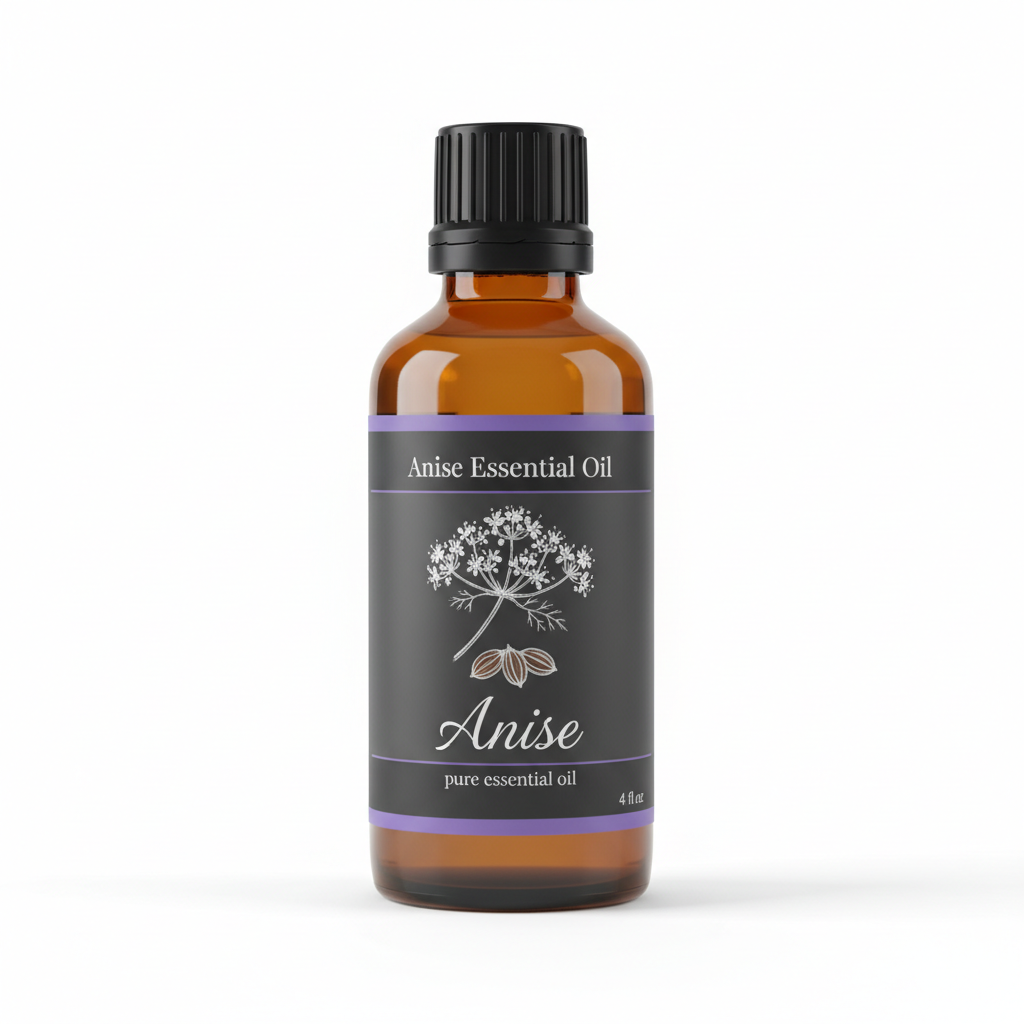
Anise Essential Oil
Our own Anise Essential Oil, in sizes from 0.5 oz to bulk.
From $7.99
Shop Now →We're focused entirely on the practical side here: scent quality, throw, consistency, and sourcing. If you want the botanical background on the plant itself, our piece on the Mediterranean seed behind anise oil is a good companion read.
What to Look For: Quality Indicators
Before comparing suppliers on price, get clear on what "quality" even means for a candle-making application. It's a different checklist than what a home cook or an aromatherapy hobbyist would use.
Essential Oil vs. Fragrance Oil, Clearly Labeled
This is the single biggest source of confusion in the category. True anise essential oil is distilled from the seed and carries natural variation from batch to batch, along with a real cost tied to crop yields. Fragrance oil is formulated to mimic that scent, often more consistently and at a lower price, but it isn't the same material and shouldn't be marketed as if it were. A reputable anise oil candle supplier will say plainly which one you're getting on the product page, not just in fine print on the safety data sheet. If a listing dodges the question, or uses "anise oil" and "anise fragrance" interchangeably in the same paragraph, consider that a sign to look elsewhere. We cover this distinction in more depth in anise fragrance oil vs. essential oil.
A Real Certificate of Analysis
For essential oil specifically, ask whether the supplier provides a certificate of analysis or GC-MS report for the batch you're buying, not a generic one pulled from an old harvest. This document shows the oil's chemical profile, which is the closest thing to an objective quality check you'll get without lab equipment of your own. A supplier that hesitates to share this, or offers it "on request" and then never follows up, is worth a second look before you commit to a large order.
Species and Origin
"Anise" sometimes gets used loosely to describe star anise (Illicium verum), a different plant with a similar scent profile and a different chemical makeup. Both can work beautifully in candles, but they're not interchangeable for pricing or blending purposes, and a supplier who can't tell you which species is in the bottle probably hasn't verified it themselves. See our comparison of anise vs. star anise oil for how the two differ in scent and sourcing.
Fresh Stock, Not Old Inventory
Anise oil doesn't sit on a shelf forever without changing. Look for a batch or production date, and ask how the supplier stores inventory (cool, dark, away from temperature swings). Oil that's been sitting in a warehouse for two years, even if it hasn't gone fully off, will likely have lost some of its brightest top notes by the time it reaches your workbench. Our guide on anise oil shelf life and storage has more on what to check for.
Key Features to Compare
Once you've confirmed a supplier meets the baseline quality bar, the next step is comparing options against each other. A handful of features tend to separate a good candle oil supplier from a mediocre one.
| Feature | Why It Matters for Candles |
|---|---|
| Scent throw (cold and hot) | Cold throw tells you how strong the scent is unlit; hot throw tells you how it performs while burning or melting. Anise can front-load its cold throw and fade faster than expected once heated, so ask specifically about hot throw testing. |
| Flash point | Needed to confirm the oil is compatible with your wax's pour temperature and won't flash off before it binds into the wax. |
| Recommended usage rate | A supplier who tells you to add oil "to taste" isn't giving you a candle-specific answer. Look for a stated percentage range by wax weight. |
| Wax compatibility notes | Soy, paraffin, and coconut-blend waxes bind fragrance differently. A supplier familiar with candle making should say which waxes the oil has actually been tested in. |
| Batch consistency | Ask whether reorders will smell the same as your last order. Natural crop variation means essential oil batches can shift slightly year to year; a good supplier blends or sources to minimize surprises. |
| Minimum order size | Matters more for small-batch or hobbyist makers who don't want to commit to a gallon before testing a single pour. |
Usage rate deserves a little more attention than it usually gets. Most wax melt and candle recipes land somewhere between 6% and 10% fragrance load by wax weight, but anise is potent enough that some makers prefer starting closer to 4% to 5% and adjusting up after a test burn. If a supplier's product page has no usage guidance at all, plan on doing your own small-batch testing before scaling up an order.
Top Picks at Different Price Points
Pricing for anise oil varies more than most candle-making ingredients because you're really choosing between two different products (essential oil and fragrance oil) that happen to smell similar. Here's how the market generally breaks down.
Budget Tier: Fragrance Oil Blends
If you're making wax melts for a farmers market table or testing a new scent line before committing real inventory dollars, a well-reviewed fragrance oil blend is usually the most sensible starting point. Expect to pay noticeably less per ounce than for true essential oil, with the tradeoff being a more uniform, sometimes sweeter or more "candy-like" scent profile compared to the real seed. Look for blends specifically labeled for candle and wax melt use, since fragrance oils formulated for soap or lotion don't always perform the same way once heated. This is a reasonable entry point when you're still deciding whether anise is a scent your customers respond to.
Mid Tier: Standard-Grade Essential Oil
This is where most established candle makers land once they've settled on anise as a core scent. Standard-grade steam-distilled anise essential oil, sold by suppliers who provide batch documentation and clear usage guidance, sits in the middle of the price range. It gives you a more layered, natural scent profile than most fragrance oils, with the reasonable expectation of batch-to-batch consistency if the supplier sources carefully. This tier is worth the modest premium once you're producing at a scale where scent quality directly affects repeat sales.
Premium Tier: Small-Batch or Single-Origin Oil
At the top end, you'll find small-batch essential oil from a single farm or region, sometimes with named harvest dates and detailed sourcing stories. This tier costs meaningfully more per ounce and makes the most sense for boutique or limited-edition product lines where the story behind the ingredient is part of what you're selling, not just the scent itself. It's a harder case to justify for a high-volume wax melt line where margin matters more than provenance.
Whichever tier you land in, always request a small sample before placing a bulk order. A one-ounce test bottle costs little next to the price of a wasted batch of wax.
Red Flags to Avoid
A few warning signs come up often enough in this category that they're worth calling out directly.
- Vague labeling. Listings that say only "anise oil" with no mention of species, extraction method, or whether it's essential oil or fragrance oil.
- Prices that seem too low for essential oil. True steam-distilled anise oil has a real production cost tied to seed yields. A price far below the market range for essential oil, without any explanation, usually means it's cut with a carrier oil, diluted, or actually a fragrance oil mislabeled to rank better in search results.
- No safety data sheet available. Any supplier selling in bulk for candle making should have an SDS ready to send, covering flash point and handling. If they can't produce one on request, that's a sign their own documentation practices are thin.
- Copy-pasted product descriptions. If the same paragraph of marketing copy appears verbatim across a dozen different "brands," you're likely looking at the same drop-shipped inventory relabeled by several resellers, with no one actually verifying quality along the way.
- No return or sample policy. A supplier confident in their product will let you test a small quantity first. One that requires a large minimum order with no sample option is asking you to take on all the risk.
- Inconsistent reviews about scent strength. A handful of scattered complaints are normal for any product, but a pattern of reviews describing a batch as "weak" or "different from last time" points to inconsistent sourcing rather than one unlucky order.
If you're weighing anise oil against the extract sold in the baking aisle, note that the two aren't interchangeable for candle work even though they share a name; our comparison of anise oil vs. anise extract explains why strength and composition differ enough to matter.
Where to Buy
A few sourcing channels tend to work well for candle and wax melt makers, each with different strengths.
Specialty Essential Oil Suppliers
Companies that focus specifically on essential oils, rather than selling them as one category among hundreds of unrelated products, tend to have the most thorough documentation and the most knowledgeable customer support if you have questions about a specific batch. This is usually the best channel for essential oil rather than fragrance oil.
Candle and Soap Supply Retailers
Dedicated candle-making supply stores, whether online or local, are a strong choice for fragrance oil blends, since their whole catalog is built around wax compatibility and usage guidance for exactly this application. Staff at these retailers, if the store is small enough to have knowledgeable staff, can often speak to how a scent performs in soy versus paraffin from direct testing.
Wholesale and Bulk Marketplaces
Once you know exactly which product and grade you want, bulk marketplaces can offer meaningfully lower per-ounce pricing for larger orders. The tradeoff is less individual attention and often thinner product documentation, so this channel works best after you've already validated a specific supplier's oil at a smaller scale.
Direct from the Producer
For premium or single-origin oil, buying directly from a distiller or farm co-op, where available, cuts out a layer of markup and usually comes with the most detailed sourcing information. It's a slower way to shop, often involving more email back-and-forth than a one-click order, but it suits makers building a story-driven product line.
Whichever channel you choose, our overview of how to buy anise oil and our companion piece on spotting pure anise oil before you buy walk through the same purity checks in more detail, and are worth bookmarking alongside this guide.
Putting It All Together
Anise is a rewarding scent to work with once you've found a reliable source. Start small: order samples from two or three suppliers across different price tiers, pour a test batch of wax melts from each, and let them sit for a couple of weeks before judging hot throw. A candle that smells strong the day you pour it can fade faster than expected once the wax has fully rested. Keep notes on usage rate, wax type, and how each oil performed, since that record becomes the fastest way to reorder with confidence instead of starting the comparison over from scratch every season.
Buying anise oil for candle making doesn't need to be complicated once you know which questions to ask. Clear labeling, real documentation, and a willingness to send a sample before a bulk order are the three things that separate a supplier worth building a relationship with from one that's just another listing in a search results page.