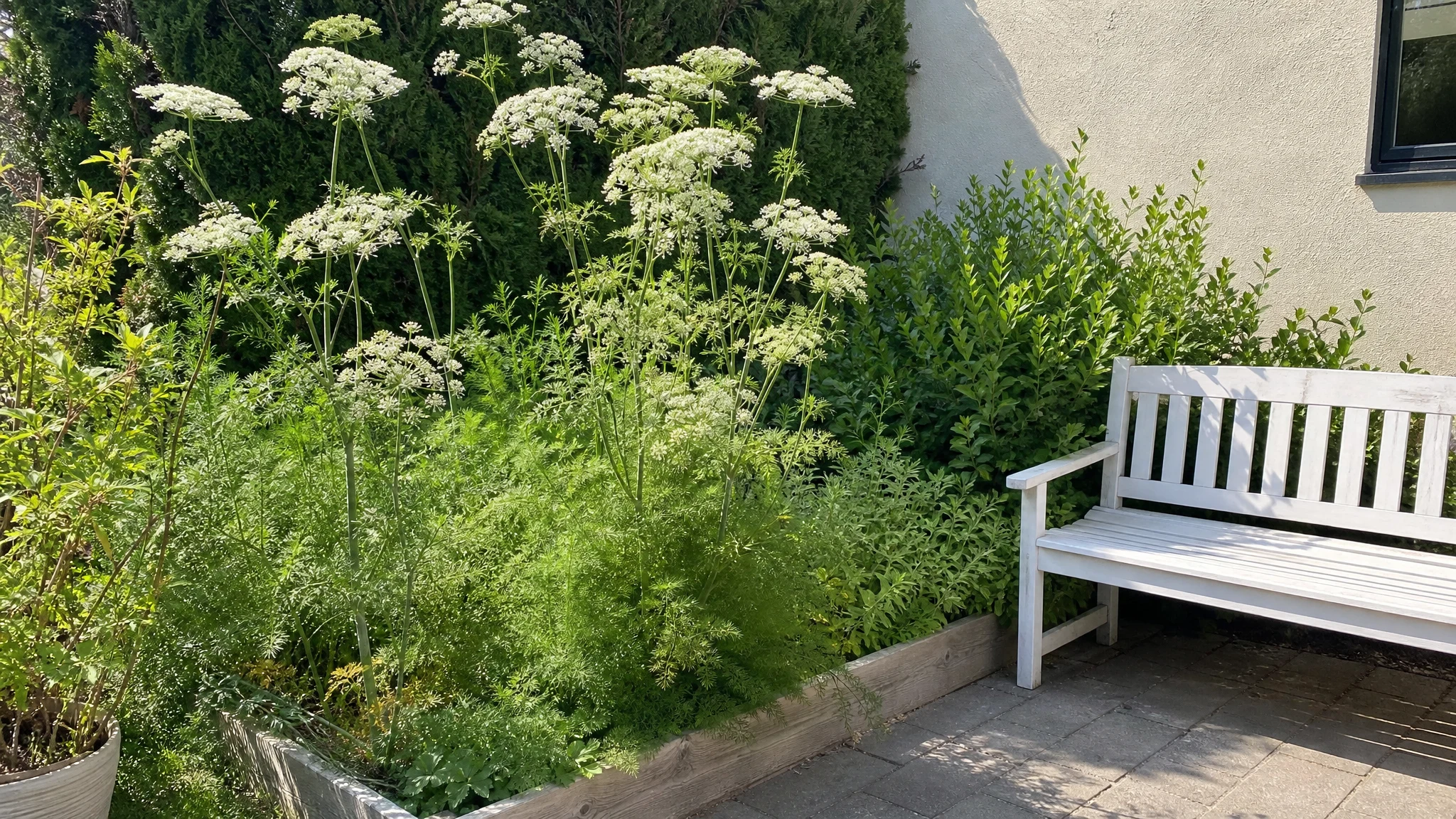
Anise History: From Roman Cakes to Anisette
Long before anise reached a modern cookie tin, a Roman farmer was baking it into small cheese cakes on bay leaves. The paper trail for this seed is surprisingly good, and it is also full of stories that sound older than their evidence. Here is the part we can stand behind, and the part worth a raised eyebrow.
Anise Essential Oil
Our own Anise Essential Oil, in sizes from 0.5 oz to bulk.
From $8.99
Shop Now →Rome, and the first anise cake
The oldest surviving Latin prose work, Cato the Elder's De agri cultura, dates to around 160 BCE. Section 121 gives a recipe for mustacei: fine flour moistened with grape must, flavoured with anise, cumin, fat and cheese, and baked on bay leaves (The Latin Library). It is the earliest dated recipe we know that puts anise in a baked sweet. We would not claim a straight line from that cake to your holiday cookies, but it is a lovely reminder that the pairing is old.
A few centuries later Pliny the Elder wrote about anise in the Natural History, praising it in seasonings and sauces, and passing on a pile of folk ideas, including hanging it at the pillow against bad dreams (Bostock and Riley translation). Pliny and the Greek physician Dioscorides both ranked Cretan anise first and Egyptian second, which tells us anise was a traded commodity with known quality grades by the first century. These are records of what ancient people believed and did. They are not evidence that anise does anything, and we do not offer them as such.
The Egypt question
Popular pages say pharaohs grew anise and that it appears in the Ebers Papyrus. We could only find those statements without a citation trail. The better lead is a 2020 paper by Győry and Héthelyi asking whether the ancient Egyptian plant name ineset can be identified as anise (abstract). We read the abstract only, so we treat it as an open scholarly question and not a settled fact.
Monasteries to anisette
Charlemagne's estate regulations, the Capitulare de villis (771 to 800), list a plant called anesum, which modern readers match to anise, though some names on that list cannot be identified with certainty. Spanish anís has a documented trail, with production at Rute going back to the 1630s, and French anisette followed with Marie Brizard in 1755 and Pernod Fils at Pontarlier in 1805 (Foods and Wines from Spain). The cloudy turn these drinks take with water has its own chemistry, told in our ouzo effect article.
Cookies that crossed oceans
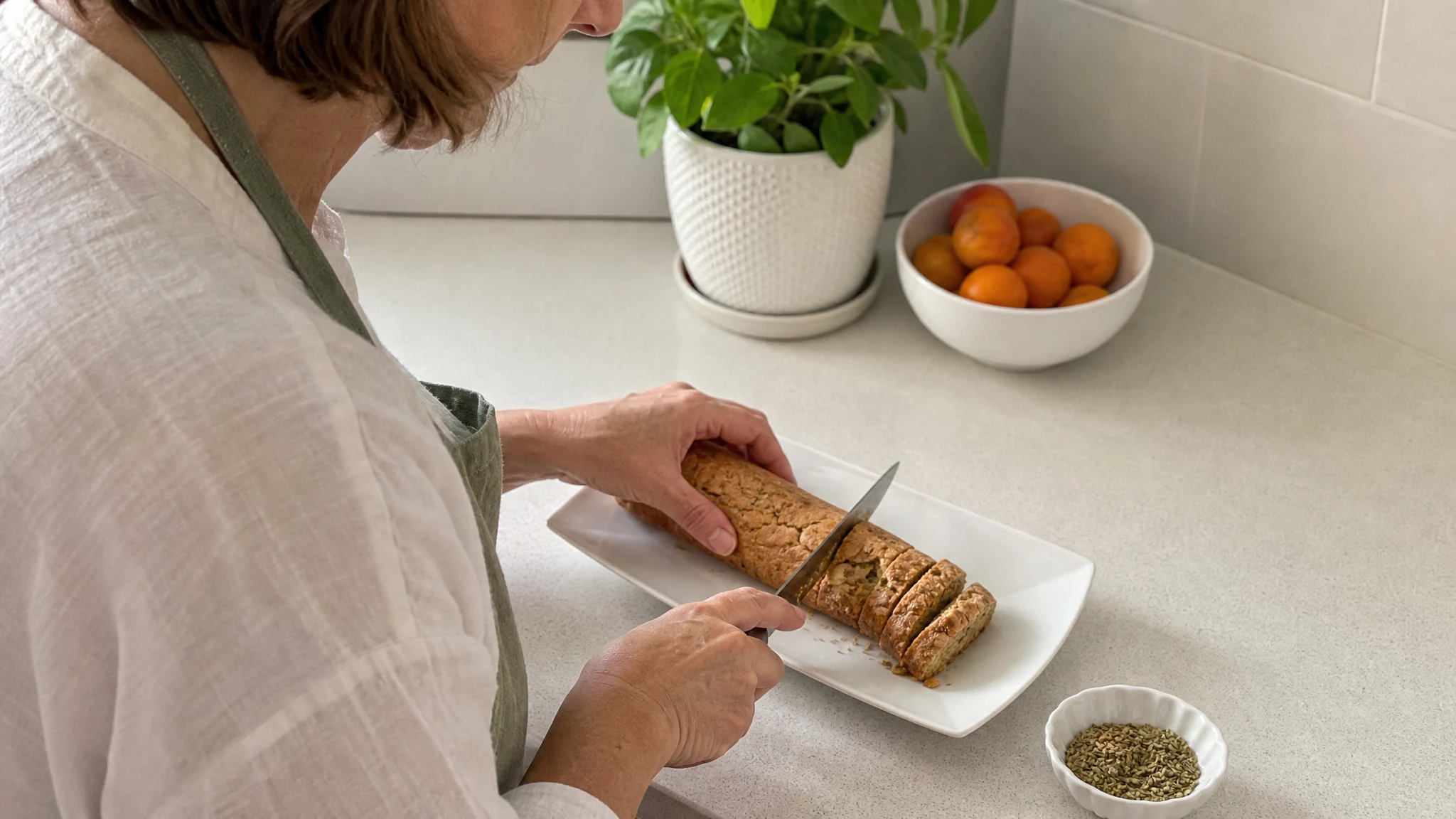
Anise cookie traditions have long roots, too. The oldest known springerle mold, from Zurich, dates to the 14th century, and Spanish colonists carried an anise cookie to New Mexico in the 16th century, where the biscochito became the state cookie in 1989 (State Symbols USA). Our holiday baking article follows the cookies, and springerle are worth a look if molds interest you.
Why the seed travels so well
Part of anise's long story is plain good sense. The seed is small, dry and easy to carry, so it can sit in a pocket or a jar for a long time and still smell sweet when you open the lid. That makes it a natural thing to trade, to give as a gift, and to tuck into a recipe far from where it grew. Whether you read about a Roman kitchen, a monastery garden or a Spanish village, there is usually a jar of seeds somewhere nearby.
Smelling the history
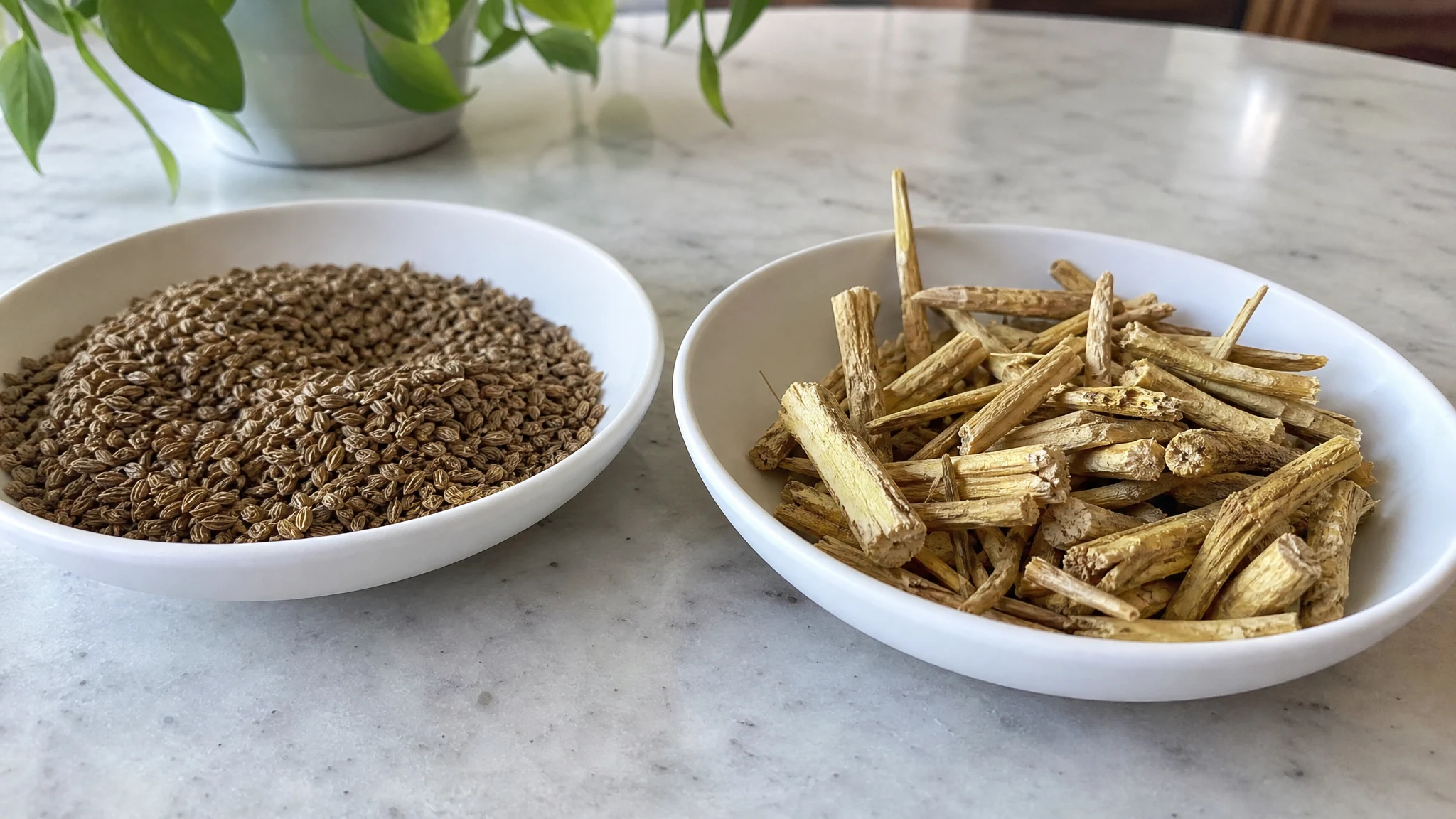
If you have whole aniseed in the kitchen, try this. Crush a few seeds between your fingers and breathe in. The sweet, warm, licorice-like smell you notice is the same thread running through the Roman cake, the springerle and the anisette. It is one of the few flavors where you can stand in your kitchen and sense something that has been part of cooking for a very long time.
How to read old recipes
When you meet an old recipe, keep a few things in mind. Measures were often vague, ingredients were not standardized, and the people who wrote them down did not share our ideas of what a teaspoon is. Treat them as a starting point and an invitation to experiment, not a formula. And remember that stories passed down around a table are lovely, but they are not always documents, which is why we try to separate what is written from what is only repeated.
Sorting fact from folklore
- "Pharaohs prized anise": an open question among scholars.
- "Pythagoras recommended it": Pliny says so, centuries later.
- "Anise and licorice are the same": they are different plants, as our myths article explains.
If the old herbal claims make you curious about modern ones, our benefits article reports what research has tested, and a pharmacist or physician is the right person for any health question.
Anise Essential Oil
Anise Essential Oil from our own shop, in sizes from 0.5 oz to bulk.
From $8.99
Shop Now →Sources & Further Reading
- Cato, De agri cultura, section 121 (The Latin Library)
- Pliny the Elder, Natural History, Book 20, chapters 72 and 73, trans. Bostock and Riley (Project Gutenberg)
- Dioscorides, De materia medica, entry 3.65, trans. Osbaldeston and Wood
- Győry H., Héthelyi E. Anise and Ancient Egyptian Pharmacopoeia, 2020 (abstract)
- Foods and Wines from Spain. Anís, 2023
- State Symbols USA. New Mexico biscochito