What Is Anise Oil? Why It Smells Like Licorice
Anise oil is, at heart, one molecule with a few companions. Trans-anethole makes up roughly nine tenths of the oil, and that single compound is most of what you smell when you open the bottle: sweet, warm and unmistakably licorice-like. Once you know that, a lot of other things about anise oil start to make sense.
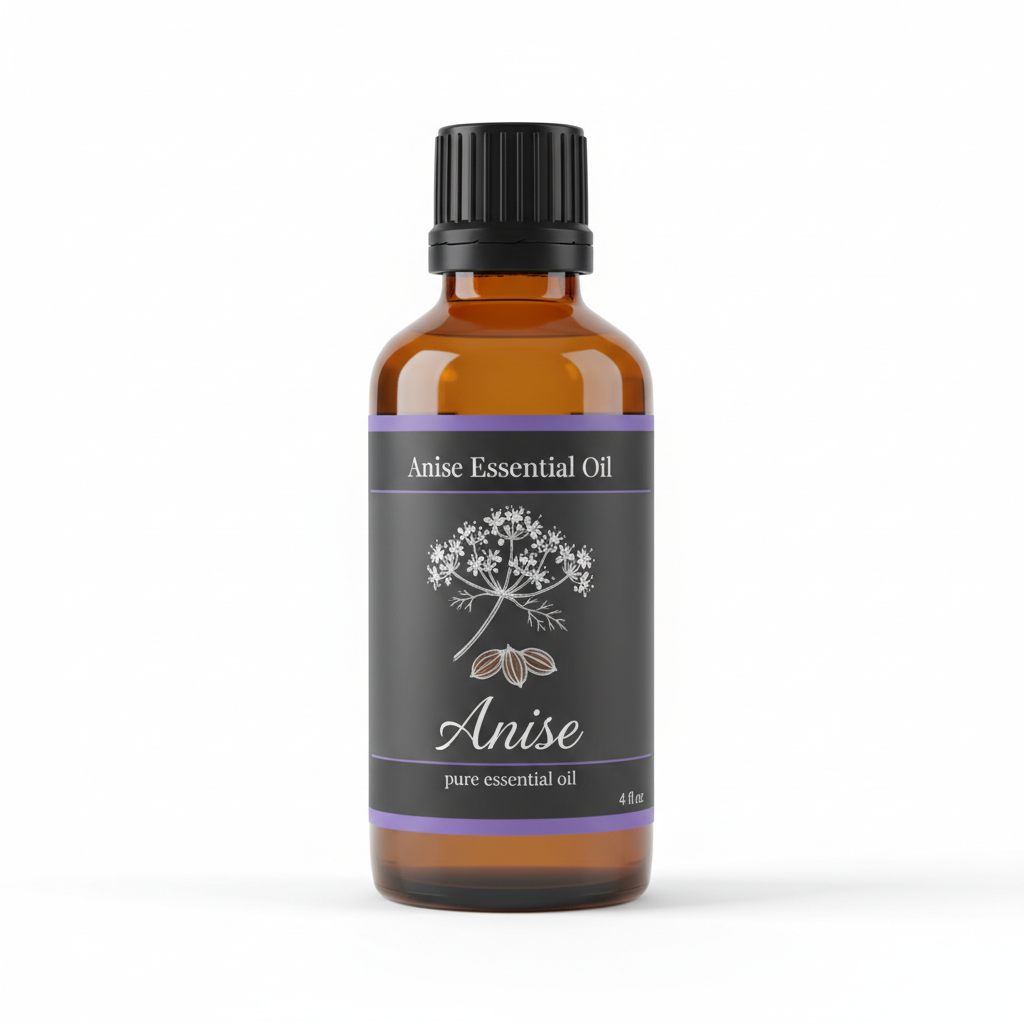
Anise Essential Oil
Our own Anise Essential Oil, in sizes from 0.5 oz to bulk.
From $8.99
Shop Now →One compound at the center
The international standard for aniseed oil, ISO 3475:2020, calls for trans-anethole at 87 to 94% and estragole at 0.5 to 3.0% (ISO 3475:2020). A European Food Safety Authority panel that looked at five Spanish batches measured an average of 90% anethole (EFSA FEEDAP Panel, 2023). Everything else, including linalool, limonene and anisaldehyde, is a supporting note around that big center. It is also why anise, fennel and star anise oils smell like cousins.
How it is made
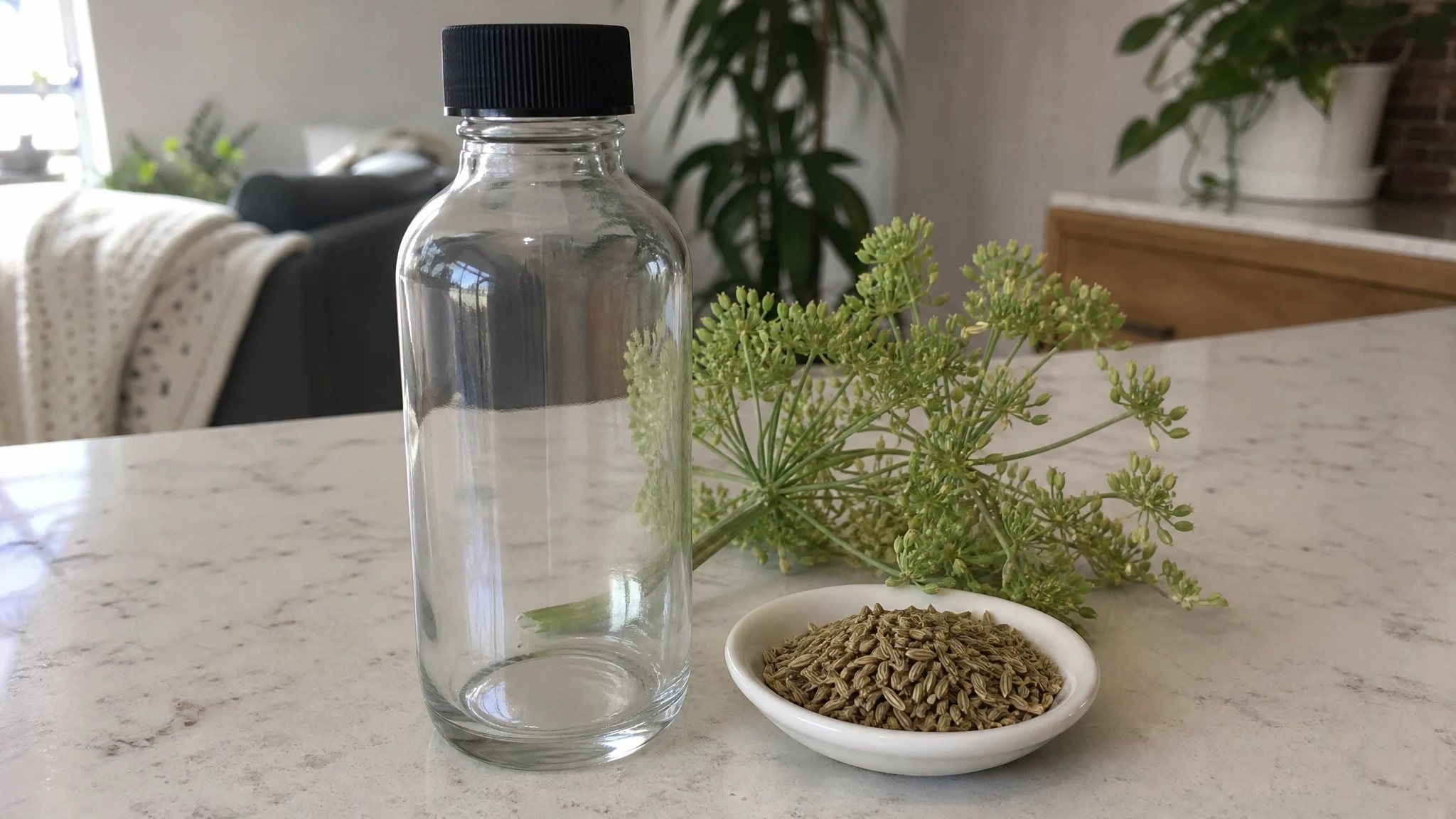
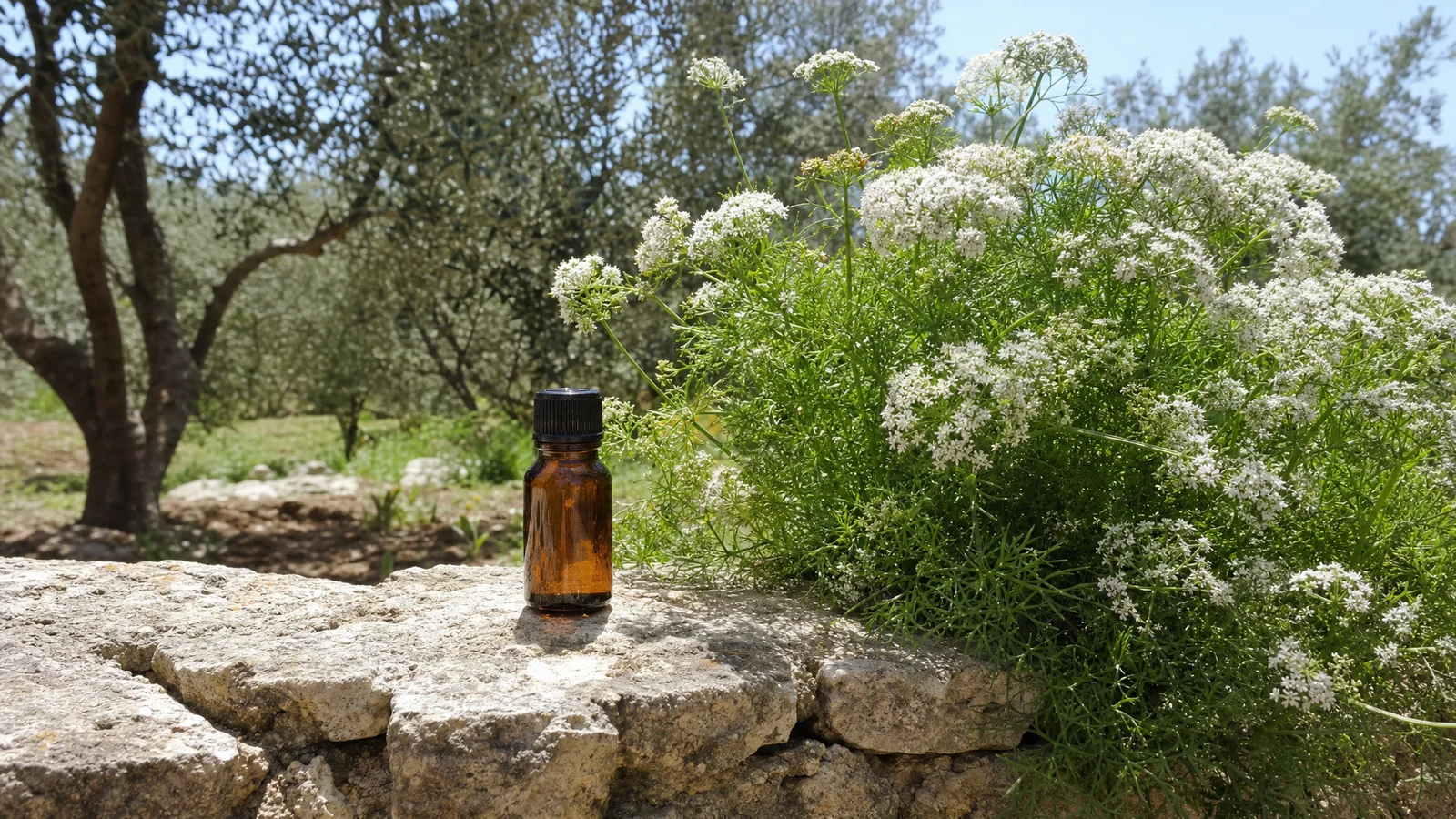
Anise oil is steam-distilled: steam passes through the crushed fruit, carries the aromatic oil over, and the oil is separated from the water. The fruit holds anywhere from about 1.5 to 6% oil by weight (Shojaii and Abdollahi Fard, 2012), and one commercial sample was described as pale yellow with a grassy, sweet, slightly spicy licorice aroma (Dumitrescu and colleagues, 2023). Ours is steam-distilled too, and we sell it neat in ten sizes from 0.5 oz to 400 lb. If you are curious about the process, how anise oil is made walks through it.
Why a bottle can go cloudy
Here is a nice bit of chemistry. Trans-anethole melts at about 20 C, close to a cool room (Vratsanos and colleagues, 2023). An oil that is mostly anethole can therefore form crystals when the room dips. That is consistent with the chemistry rather than a sign of trouble, so let the closed bottle come back to room temperature and see if it clears. We cover it in why anise oil turns solid or cloudy.
Which plant?
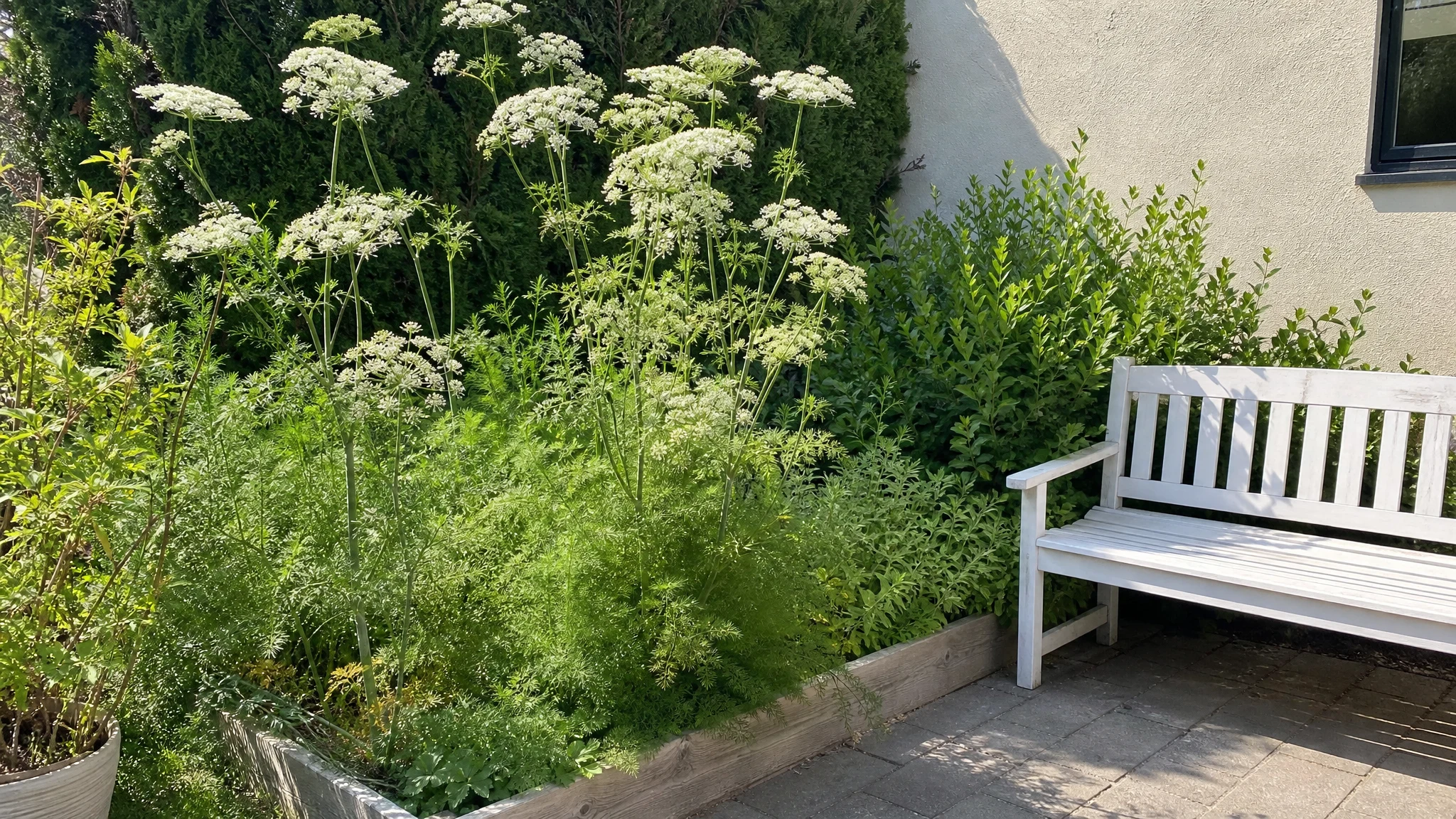
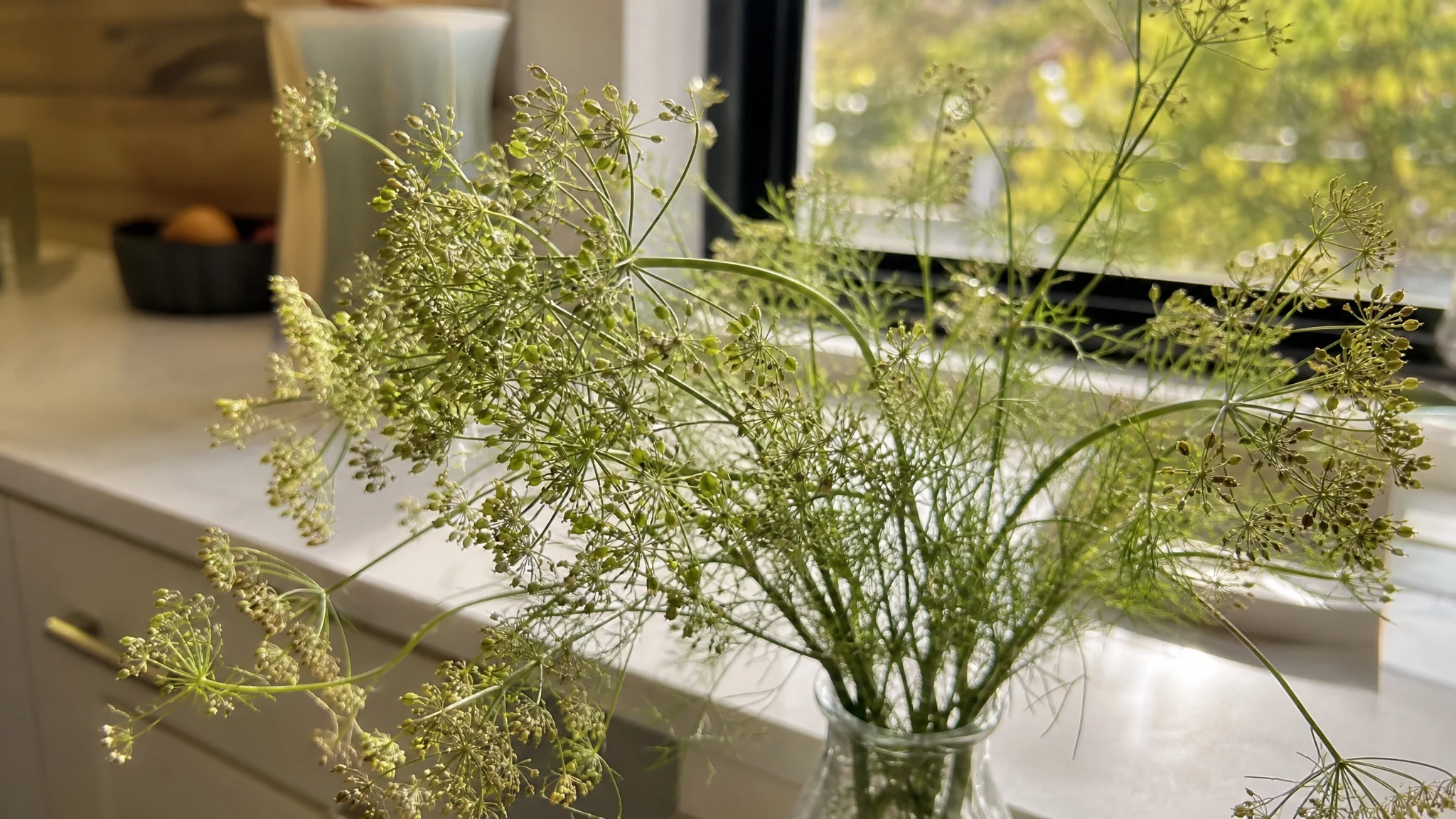
"Anise oil" in trade is used for oil from aniseed, an annual herb in the carrot family, and sometimes for star anise, an unrelated tree whose oil is also mostly anethole (one lab distillation gave 89.5% (Huang and colleagues, 2010)). A nose cannot reliably tell them apart, so the plant name has to come from the paperwork. Our anise versus star anise article goes through it. If the botanical name matters to your formula, ask us in writing through our contact page, and the answer can be tied to your lot.
Your first sniff
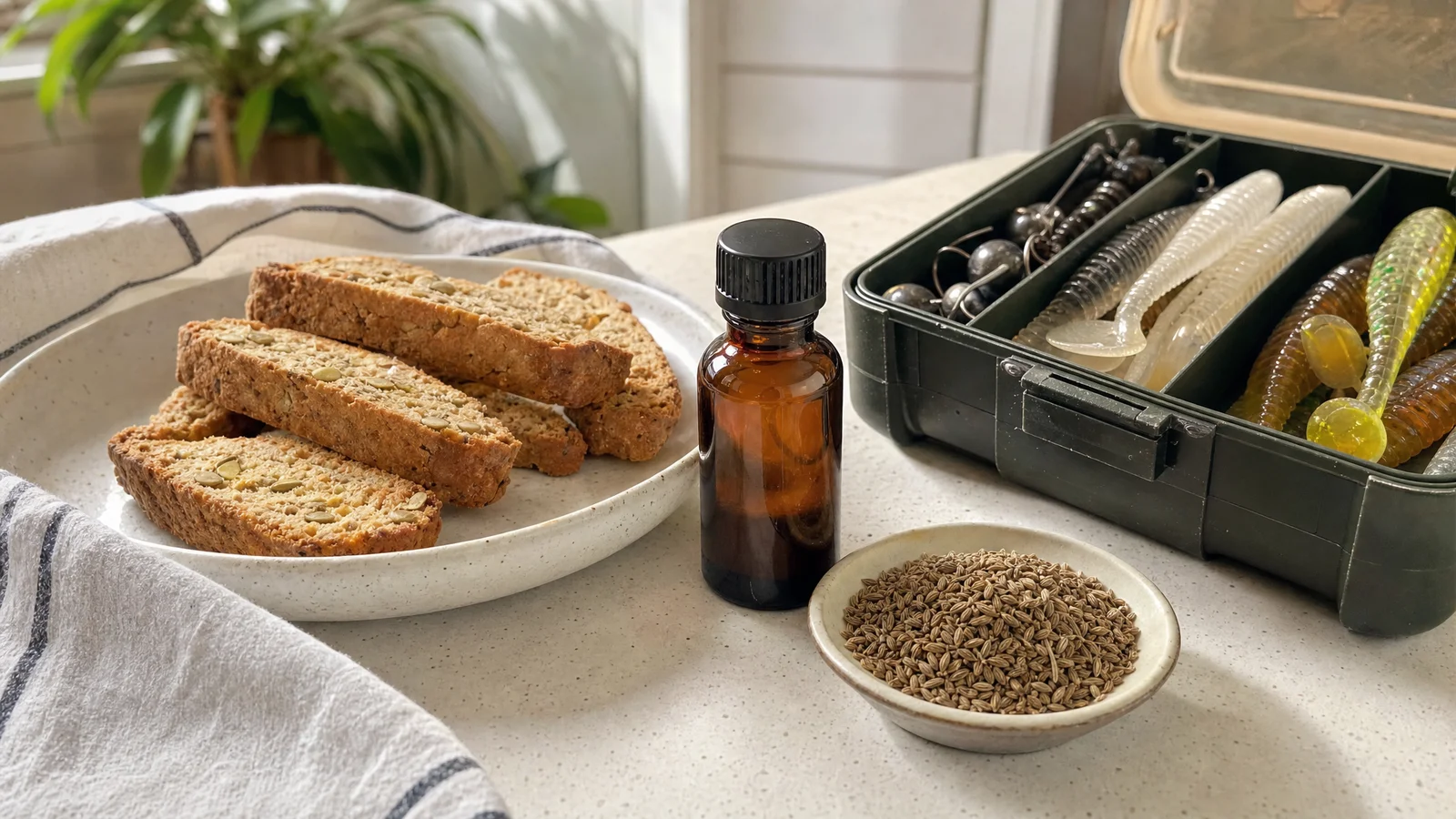
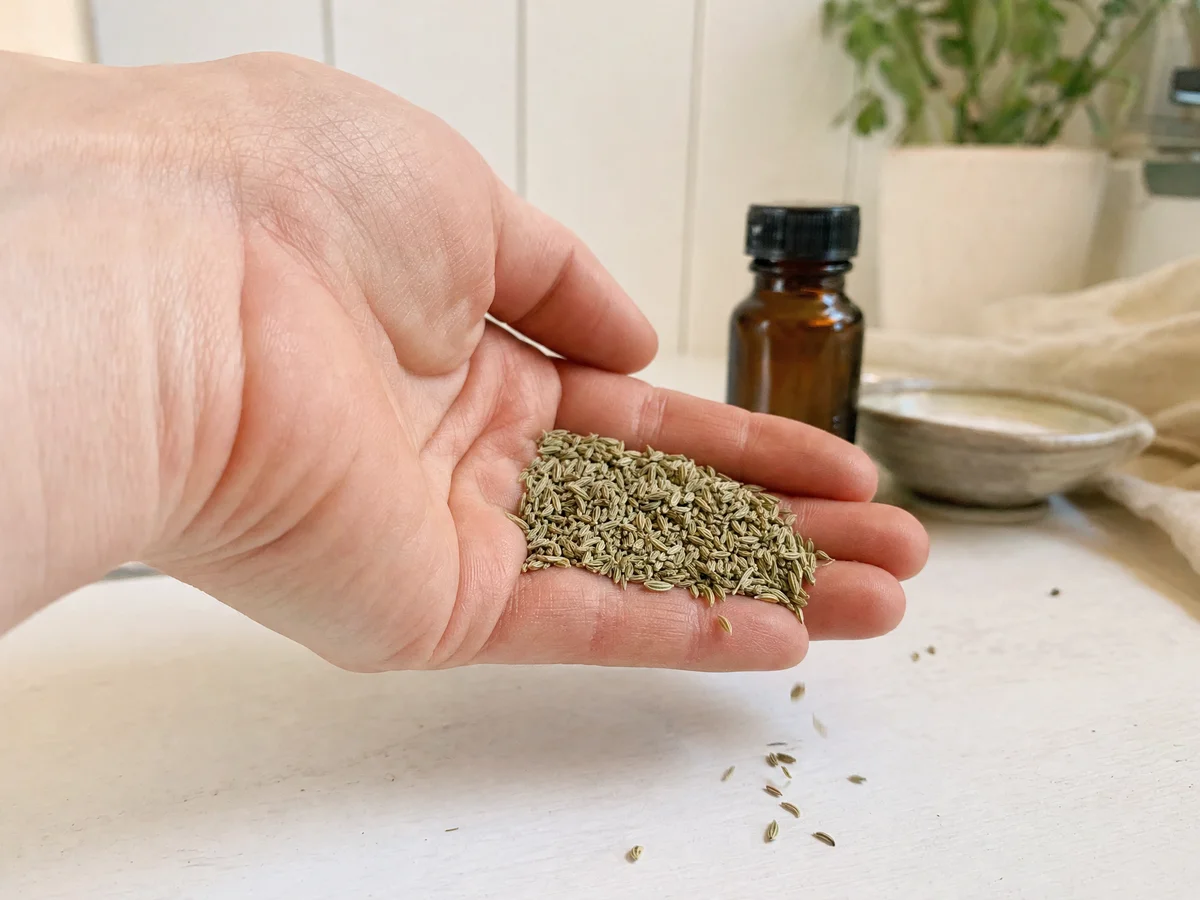
Here is how we would meet a new bottle. Take the cap off and hold the bottle a hand's width below your nose, then waft gently with your other hand instead of inhaling deeply. A concentrated oil is stronger than you expect, and a polite sniff lets you notice more. You should find a sweet, warm, licorice-like scent with a faint spiced edge, a bit like a licorice candy, a fennel seed or the smell of an Italian cookie jar.
Try a drop on a paper strip and come back to it a few times over the next hour. The first impression is bright and sweet, and as it settles it gets softer and more rounded. You may well find you like it best in small amounts, and a little goes a long way with a material this strong.
What to do with it
We describe the scent as sweet, warm and licorice-like with a faint spiced edge, and it earns its place in spiced diffuser blends, gourmand perfumes, soap and candle making. If you want to dig into the chemistry, the chemistry of anise oil has more, and what anise oil smells like is the sensory side.
A few ground rules. Our oil is for aromatic and cosmetic use and is not for internal use, so for baking choose a food-labelled flavoring from a grocer or baking supplies seller (see oil versus extract). For skin we recommend diluting to 0.5% to 2% in a carrier and keeping it away from eyes, children and pets. Anise oil contains estragole, so anyone pregnant or breastfeeding should check with a pharmacist or physician first. The Certificate of Analysis we publish for one batch lists density, refractive index and optical rotation; for composition figures on your lot, ask us in writing before ordering.
Anise Essential Oil
Anise Essential Oil from our own shop, in sizes from 0.5 oz to bulk.
From $8.99
Shop Now →Sources & Further Reading
- ISO 3475:2020. Essential oil of aniseed (Pimpinella anisum L.)
- EFSA FEEDAP Panel, 2023. Feed additives from the fruit of Pimpinella anisum L.
- Shojaii A., Abdollahi Fard M. Review of pharmacological properties and chemical constituents of Pimpinella anisum. ISRN Pharm, 2012
- Dumitrescu E. et al. Pimpinella anisum L. essential oil. Plants, 2023
- Vratsanos M. et al. ACS Central Science, 2023
- Huang Y. et al. Illicium verum essential oil. Molecules, 2010