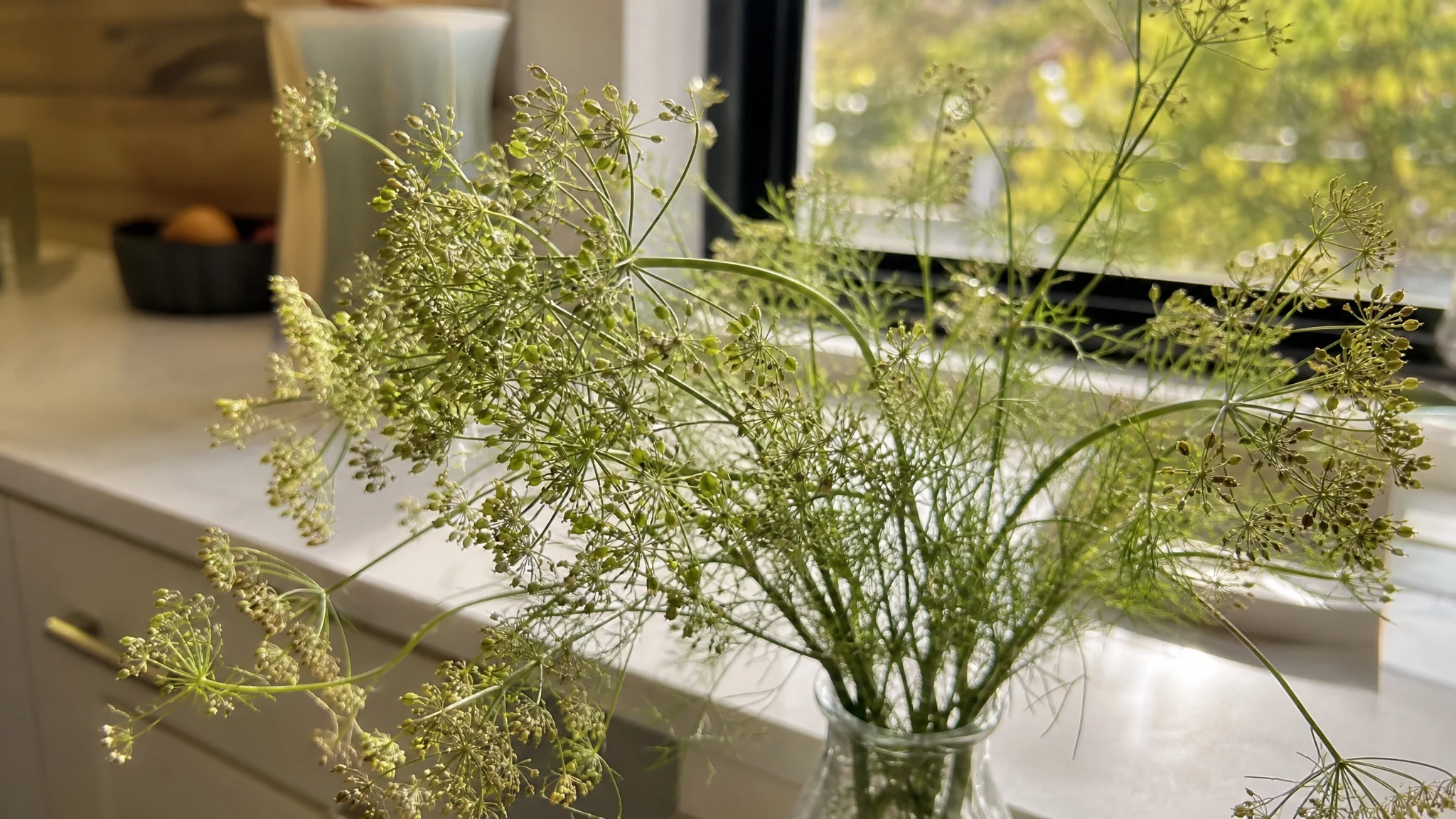
Anise Oil Benefits: What Is Known and What Is Hype
Type "anise oil benefits" into a search box and you will get a confident list of cures. Read the research behind that list and a quieter story appears: some interesting small studies, almost all of them on things people swallowed, and none of them about a bottle of essential oil on a shelf. We sell an aromatic and cosmetic oil, so here is the plain version of what is known and what is not.
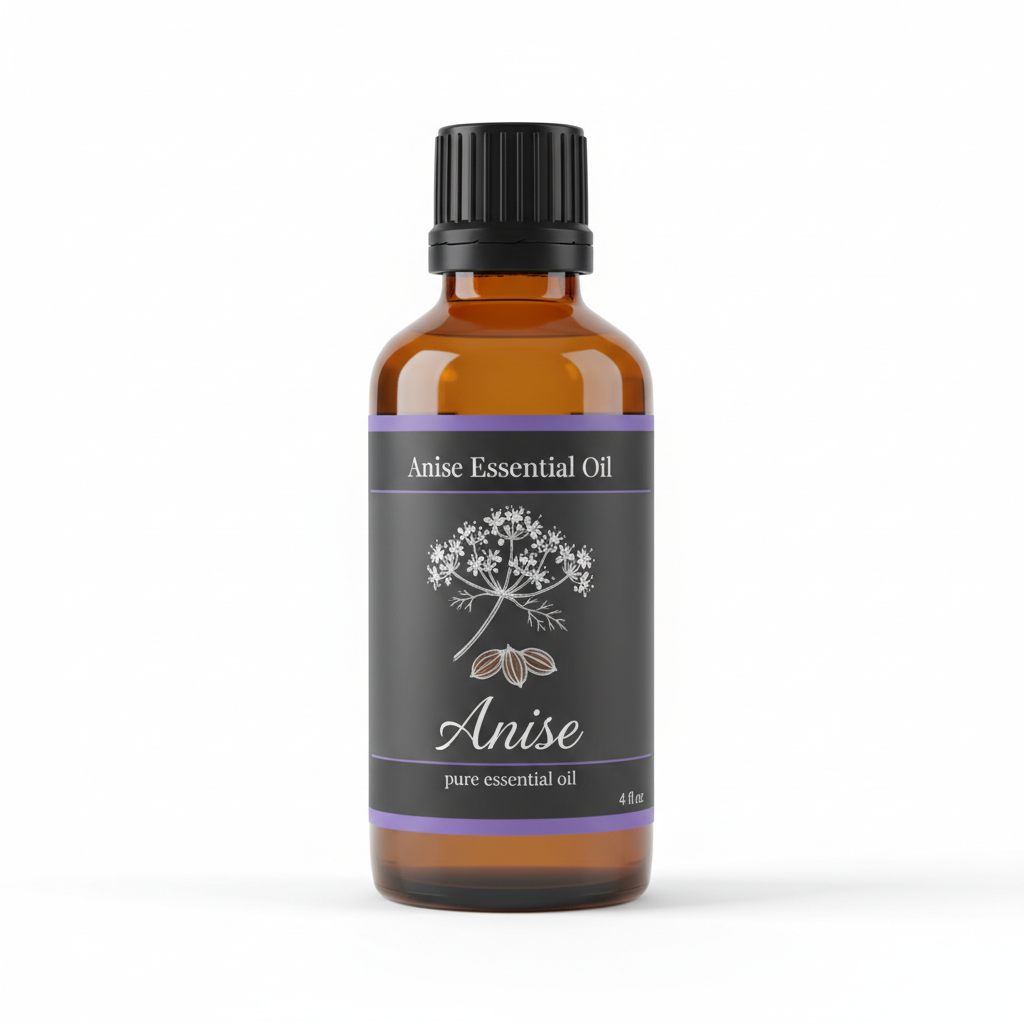
Anise Essential Oil
Our own Anise Essential Oil, in sizes from 0.5 oz to bulk.
From $8.99
Shop Now →The big distinction: swallowed versus smelled
Nearly every positive human result for anise involves a preparation taken by mouth, such as aniseed powder, a tea from the fruit, or capsules made to release anise oil in the gut. Those are medicinal forms studied under supervision. They are not the same thing as an aroma in a room or a diluted oil in a cosmetic, and a result in one form cannot be borrowed for the other. Our oil is sold for aromatic and cosmetic use and is not for internal use.
What the studies actually looked at
Digestion is the most studied area. One double blind trial in Iran gave 47 adults with functional dyspepsia 3 g of aniseed powder after meals for four weeks and reported lower symptom scores than placebo (Ghoshegir and colleagues, 2015), and another tested coated anise oil capsules for irritable bowel syndrome (Mosaffa-Jahromi and colleagues, 2016). They are interesting, but small, from a small number of research groups, and a 2026 systematic review found too little anise oil data to pool for irritable bowel syndrome (Meyer and colleagues, 2026).
For coughs, the European Medicines Agency lists aniseed tea as a traditional use, resting on long-standing use rather than on trials, and limits it to people over 12 and to two weeks (EMA/HMPC monograph). For sleep, the National Center for Complementary and Integrative Health notes that little rigorous research exists on aromatherapy and insomnia (NCCIH). The laboratory findings you may see, such as anise oil slowing microbes in a dish (Dumitrescu and colleagues, 2023), tell chemists the oil is active in a dish and nothing more.
We have gone deeper on individual topics, if one of them is why you are here: digestion, coughs, sleep, and head lice. We report what each study did and found; we do not claim our oil does any of it.
Why the claims spread so easily
Anise has a head start when it comes to reputation. It tastes like something from childhood, it turns up in beloved candies and drinks, and it has a long history in the stories people tell about plants. A plant with that much warmth around it attracts claims. Product pages copy each other, a sentence gets repeated until it sounds settled, and nobody stops to ask what was actually tested. We would rather be the small business that tells you plainly when the evidence is thin.
So what is anise oil good for?
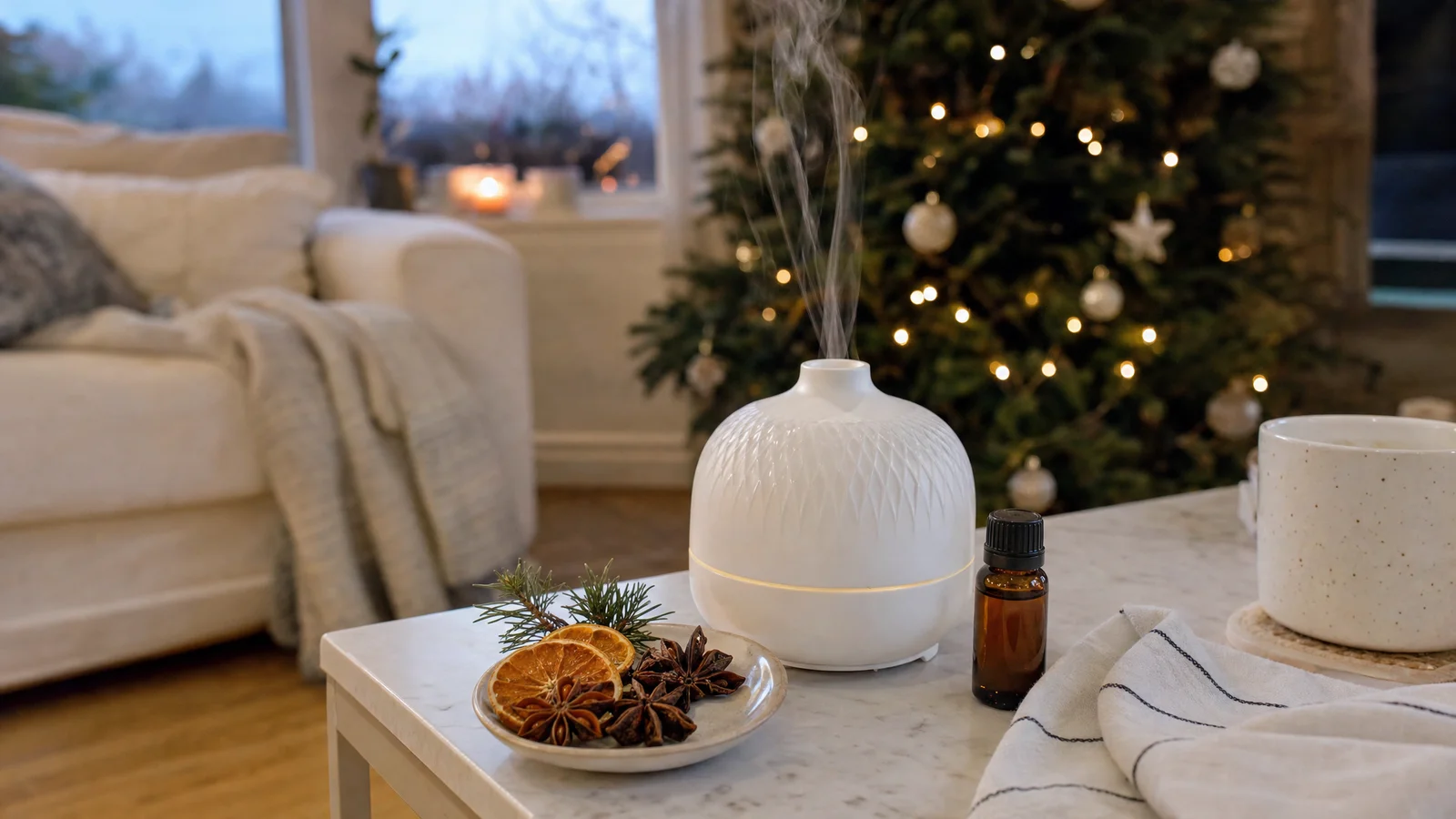
Honestly, the scent. Sweet, warm and licorice-like with a faint spiced edge is how we describe ours, and it is a lovely accent in a spiced diffuser blend or a gourmand perfume. That is a real reason to own a bottle, and it does not need a health claim to justify itself. Our uses article sorts out which jobs suit it.
How to get to know the aroma
The best way to judge an oil is to smell it with some patience. Put one drop on a blotter or a tissue, not your skin, and smell it at once, then again after ten minutes and after an hour. Anise tends to open bright and sweet, then settle into something warmer and rounder, and you can follow that change on the paper. Write down a word or two each time. If you end up with "candy shop" and "holiday cookies," you have already learned what it is good for in your home.
Using it sensibly
For skin, we recommend diluting to 0.5% to 2% in a carrier oil, keeping it away from eyes, children and pets, and never taking it internally. Anise oil also contains estragole, which regulators treat with caution, so anyone who is pregnant, breastfeeding, taking medication or living with a health condition should check with a pharmacist or physician first. Our safety basics article covers the practical details. If you want to know the history behind the claims, the history of anise is a good read.
In short, anise is a well-loved plant with a long record and a few studies that deserve better follow up. For any health question, a pharmacist or physician is the right person to ask.
Anise Essential Oil
Anise Essential Oil from our own shop, in sizes from 0.5 oz to bulk.
From $8.99
Shop Now →Sources & Further Reading
- Ghoshegir S.A. et al. Pimpinella anisum in the treatment of functional dyspepsia. J Res Med Sci, 2015
- Mosaffa-Jahromi M. et al. Enteric coated capsules of anise oil for irritable bowel syndrome. J Ethnopharmacol, 2016
- Meyer A. et al. Plant-based therapy for irritable bowel syndrome, systematic review. Phytother Res, 2026
- EMA/HMPC. Community herbal monograph on Pimpinella anisum L., fructus
- NCCIH. Aromatherapy
- Dumitrescu E. et al. Pimpinella anisum L. essential oil. Plants, 2023